Fire resistant fabric seat covers and the standards behind safer seating
What fire resistant fabric seat covers need to prove
Fire resistant fabric seat covers are specified to reduce ignition risk, slow flame spread, or resist smoldering under defined test conditions. They are not fireproof. A passing result for a fabric swatch does not automatically mean that a finished seat, cushion, or removable cover will meet the same requirement.
For upholstery applications, performance can be affected by the cover fabric, coating, backing, foam, seams, zippers, elastic components, cleaning method, and installation. The practical starting point is therefore not simply asking for an FR fabric. It is identifying where the seat will be used: residential furniture, contract seating, automotive interiors, aircraft cabins, marine spaces, public transport, healthcare, or event environments. Each setting can point to a different test method and a different level of documentation.
For textile and coating teams, specification discipline is essential. A fire resistant seat cover should be matched to the real hazard, verified against the relevant standard, and supported by test documentation for the correct material combination. More textile finishing topics can be explored in the Coatings section.
Fire resistant does not mean fireproof
The phrase fire resistant fabric seat covers is common in procurement and search, but it can cover several different performance claims. In textiles, fire resistance usually means behavior in a named test, not immunity to burning. A material may resist a smoldering cigarette, pass a small open-flame test, or meet a horizontal burn-rate limit, while still burning under a larger heat source or in a different assembly.
Related terms also need careful use. Flame resistant often describes a fabric that resists ignition or self-extinguishes under specified conditions. Flame retardant may refer to a chemical treatment or additive used to improve that behavior. Fire resistant is a broader market term and should be tied back to a standard, test report, or regulatory requirement. For seat covers, the clearest wording is performance-based: tested to a named method, on a stated substrate or assembly, after stated conditioning if cleaning durability is relevant.
This matters because seat covers are often added after the original seat has been certified or purchased. A removable cover can change the heat path, introduce new seams, trap heat against foam, or add coatings that behave differently from the original upholstery. In regulated environments, aftermarket covers should be reviewed as part of the seating system, not treated only as decorative accessories.
Standards that commonly shape seat cover specifications
No single global standard covers every fire resistant seat cover. Public information from CPSC, eCFR, NHTSA, FAA, NFPA, IMO, CEN, and BSI shows that seating fire performance is regulated or evaluated differently by market and end use. The table below summarizes common frameworks that specifiers often encounter. It is not a substitute for legal or certification advice, but it explains why a project should define the target environment before selecting fabric or coating technology.
| Framework or test area | Where it may be relevant | What it generally addresses | Specification lesson |
|---|---|---|---|
| California TB 117-2013 and U.S. upholstered furniture requirements | Upholstered furniture sold in the United States | Smolder resistance of upholstery materials used in furniture, with compliance routes involving cover fabric, filling materials, and barrier materials | Do not assume an open-flame test is the main requirement for general U.S. upholstered furniture. Smolder behavior and labeling context matter. |
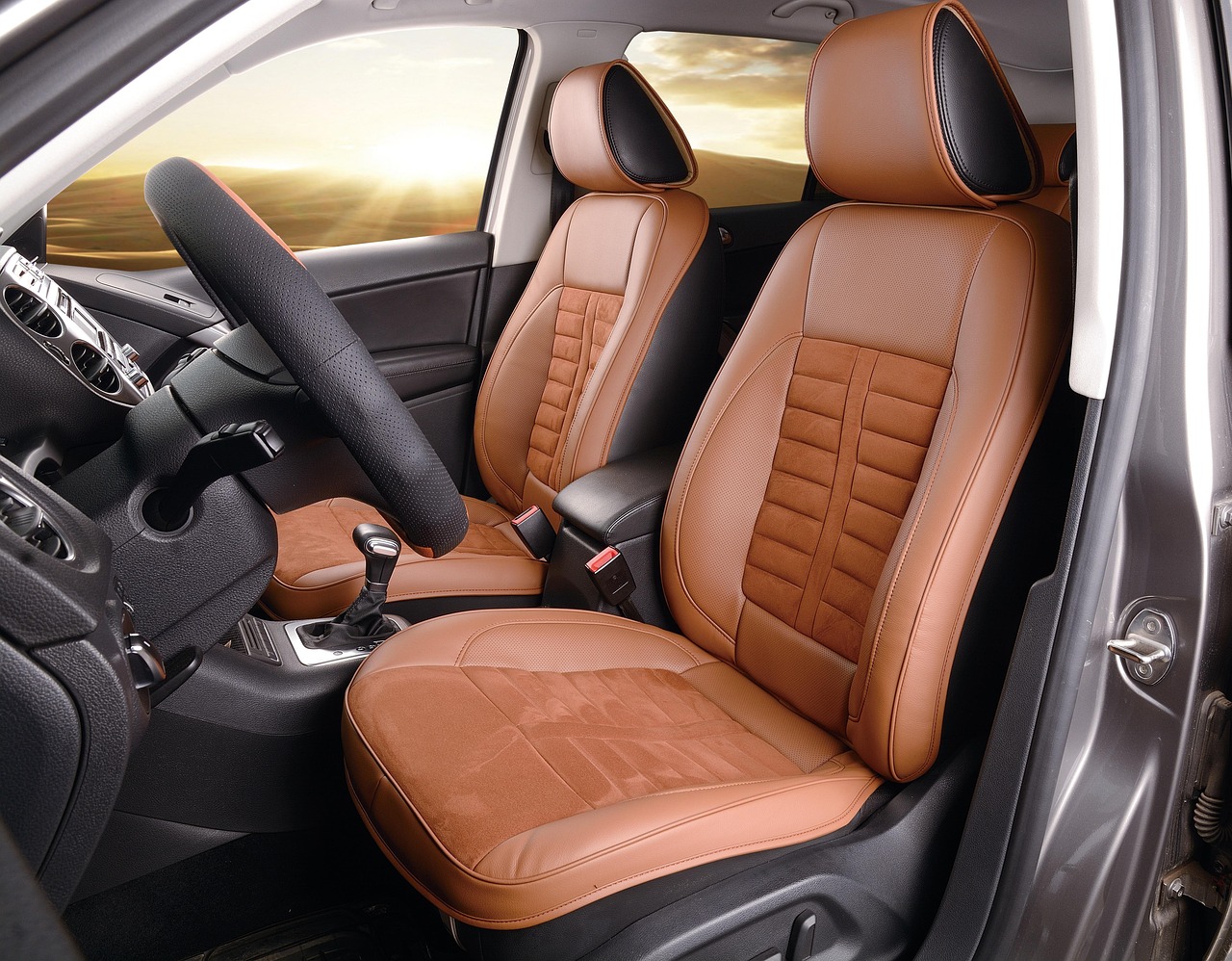
| FMVSS 302 | Motor vehicle interior materials in the U.S. | Flammability of interior materials using a horizontal burn test approach | Automotive seat covers need vehicle-specific evidence rather than general furniture claims. |
| 14 CFR 25.853 and Appendix F | Aircraft compartment interiors and seat cushions | Flammability requirements for aircraft interior components, including seat cushion testing requirements | Aviation seat covers require rigorous assembly review and approval paths; ordinary upholstery certificates are not enough. |
| IMO 2010 FTP Code Part 8 | Upholstered furniture in specified marine environments | Resistance to ignition and flame propagation for upholstered furniture, including cigarette and propane flame ignition tests | Marine seating should be specified as a tested upholstery system, not only as a coated fabric. |
| EN 1021-1 and EN 1021-2 | European upholstered seating evaluations | Ignitability of upholstered furniture using smoldering cigarette and match-flame equivalent sources | The cover and filling combination is central, so fabric-only data has limits. |
| BS 5852 and related UK furniture rules | UK furniture and contract upholstery contexts | Ignitability of upholstered seating using specified ignition sources | Higher-risk contract settings may need more demanding evidence than domestic decorative seating. |
| NFPA 701 | Textiles and films such as draperies and hanging fabrics | Flame propagation of textiles and films under specified conditions | Useful in some textile contexts, but it should not be treated as a universal seat cover standard. |
The key point is straightforward: the standard should follow the application. A theater curtain standard, a vehicle interior standard, and a marine upholstered furniture test do not answer the same question. If a document only says FR fabric without naming the method, specimen, and pass criteria, it is incomplete.
How coatings and fabric construction affect fire behavior
Coatings can improve, reduce, or complicate the fire performance of seat cover fabrics. A back coating may help char formation, reduce afterflame, or support barrier performance. A decorative polyurethane or PVC coating may improve cleanability and abrasion resistance, but it can also change smoke behavior, melt-drip behavior, stiffness, or the way heat reaches the foam below. Silicone, acrylic, and other functional coatings should be evaluated in their final construction rather than assumed suitable because the base fabric has an earlier test report.
Fabric construction is just as important as chemistry. Heavier woven fabrics, coated knits, nonwovens, leather substitutes, spacer fabrics, and laminated textiles can behave differently under heat. The same FR finish may perform differently on polyester, cotton blends, aramid, modacrylic, glass fiber blends, or coated composite structures. Colorants, embossing, adhesive layers, foam lamination, and backing cloth can also affect results.
For seat covers, reliable specification language identifies the exact fabric weight, fiber content, coating system, backing, color range where relevant, and finishing process. If the product is expected to survive laundering, wet cleaning, disinfectant wiping, or dry cleaning, the test evidence should reflect that conditioning. A certificate based on an uncleaned laboratory swatch may not represent a cover used in buses, clinics, theaters, or rental venues after repeated maintenance.
Assembly details that are easy to overlook
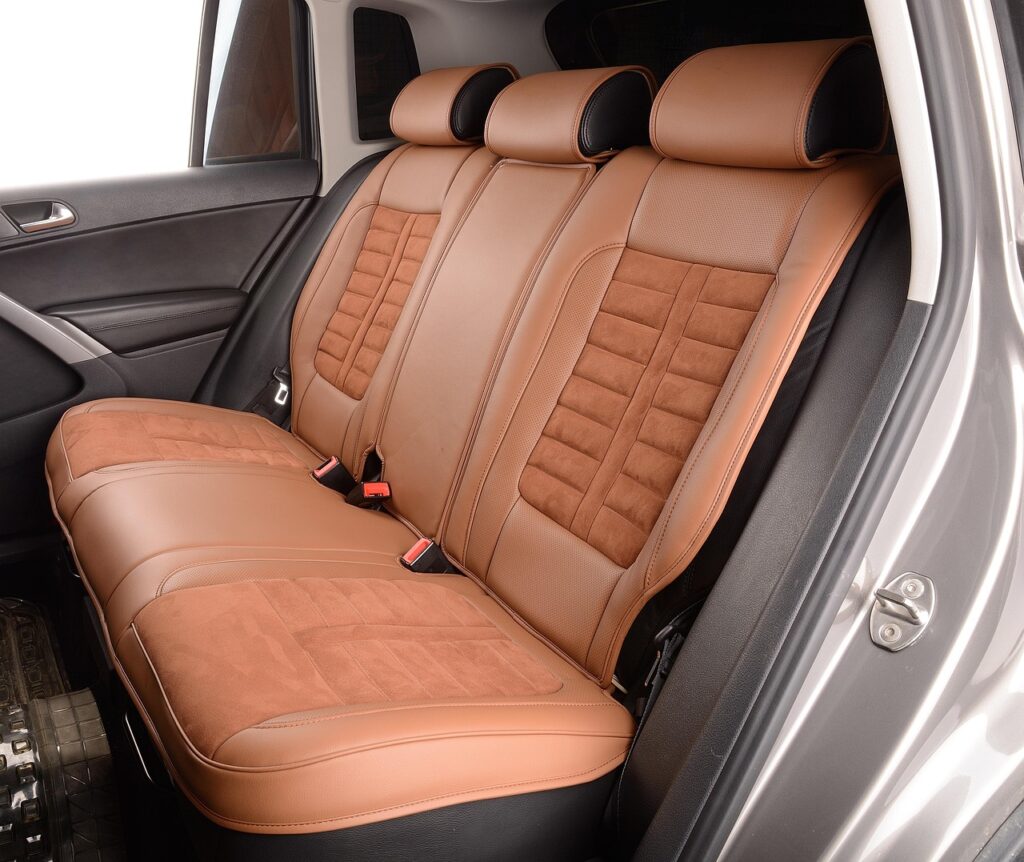
Seat covers are not flat swatches in real use. They wrap around foam, stretch over corners, compress under body weight, and expose seams to abrasion. A fire resistant fabric can be compromised by construction choices if the thread, zipper tape, hook-and-loop fastener, elastic webbing, piping, labels, or underside scrim has not been considered.
- Seams and thread: Sewing thread may shrink, melt, or open under heat, exposing foam or filling material earlier than expected.
- Fit and tension: A loose cover can create air gaps, while an overly tight cover can thin coated layers over corners and high-wear points.
- Foam interaction: The fabric may pass a fabric test but fail when paired with a specific foam, batting, or padding system.
- Cleaning exposure: Detergents, disinfectants, solvents, and repeated washing can reduce some topical finishes or damage coatings.
- Repair materials: Replacement panels, patches, and non-original zippers can undermine the original fire performance evidence.
These details explain why many standards and guidance documents focus on combinations or finished products rather than fabric alone. The performance claim should stay connected to the tested construction. In procurement terms, the test report should match what will actually be bought, installed, cleaned, and maintained.
A practical checklist before specifying fire resistant seat covers
Before selecting fire resistant fabric seat covers, project teams can reduce risk by asking focused questions. The checklist below is useful for textile buyers, coating developers, furniture teams, and facility managers who need documentation without overstating what a material can do. See also: Applications.
- Define the seating environment. Identify whether the seat is for home furniture, contract furniture, transportation, aircraft, marine use, healthcare, education, hospitality, entertainment, or public assembly.
- Name the required standard. Ask for the exact test method and version where possible, not only a generic FR claim.
- Confirm the tested specimen. Check whether the result applies to a fabric swatch, coated composite, cover fabric with foam, cushion assembly, or finished chair.
- Review pass criteria and limits. Understand whether the test measured smoldering, afterflame, burn length, burn rate, flame spread, heat release, smoke, or another parameter.
- Check cleaning durability. If covers are washable or disinfected, confirm whether testing occurred before and after the required cleaning cycles.
- Verify component consistency. Thread, zippers, backing, barrier cloth, elastic, labels, and lamination adhesives should not be ignored.
- Request traceable documentation. Test reports should identify the material, date, laboratory, standard, conditioning, and sample description.
- Consider chemical and market restrictions. Fire performance does not remove the need to check chemical compliance, labeling, restricted substances, and customer policies.
- Plan for maintenance. Cleaning instructions should protect both hygiene and fire performance.
- Avoid transferring claims across markets. A furniture result should not be reused for vehicle, aircraft, or marine seating unless a competent reviewer confirms relevance.
This checklist also helps prevent under-specification. A buyer may think the choice is simply between treated and untreated fabric. In practice, the decision may involve several complete upholstery strategies: inherently flame resistant fibers, topical finishes, coated constructions, barrier fabrics, modified foam systems, or a tested combination of these approaches.
Common specification mistakes
The most common mistake is treating fire resistance as a single material property. It is more accurate to treat it as tested behavior under defined conditions. A second mistake is relying on a certificate with no clear connection to the final seat cover construction. If a test report describes a different fabric weight, no coating, another foam, or no cleaning cycles, it may have limited value for the intended project.
A third mistake is confusing decorative textile standards with seating standards. NFPA 701, for example, is widely recognized for certain textiles and films, but it does not automatically answer whether an upholstered chair, vehicle seat, or removable cushion cover is suitable for a specific seating regulation. Similarly, a small-scale fabric test can be useful for screening, but it may not replace full assembly testing where the standard requires it.
A fourth mistake is ignoring comfort and durability. A cover that passes a flammability test but cracks, delaminates, traps heat, loses flexibility, or fails abrasion requirements will not perform well in service. Fire performance should be specified alongside tensile strength, tear strength, abrasion resistance, hydrolysis resistance, colorfastness, cleanability, skin contact expectations, and appearance retention.
What better documentation should include
Good documentation does not need exaggerated language. It needs to be specific. A useful test file identifies the fabric style, fiber composition, coating type, weight, color or color range, backing, foam or filling if included, cleaning or conditioning steps, test method, issue date, laboratory, and result. If the cover is part of a larger seat assembly, the documentation should describe that assembly clearly.
Editors, buyers, and technical teams should also look for boundaries. A credible supplier or test report will usually state what was tested and what was not tested. That limitation is not a weakness; it is what makes the claim usable. Fire resistant fabric seat covers are safest to discuss when the evidence is connected to the application instead of stretched into a universal promise.
Frequently asked questions
Are fire resistant fabric seat covers fireproof?
No. Fire resistant seat covers are tested to resist ignition, smoldering, flame spread, or burn rate under specific conditions. They can still burn under more severe heat sources or when paired with untested components.
Can a seat cover pass if only the fabric is certified?
Sometimes a fabric test is useful, but many seating applications require evidence for the material combination or the finished assembly. Foam, backing, seams, and coatings can change the result.
Does a coating always improve fire resistance?
No. Some coatings can support fire performance, while others may affect melting, smoke, flexibility, or heat transfer. The coated fabric should be tested in its final construction and intended maintenance condition.
Which standard should be requested first?
Start with the end use. General upholstered furniture, vehicle seats, aircraft interiors, marine seating, and public textile installations may all point to different standards. The safest request names the market, the seat type, and the expected regulation or test method.
Should washable seat covers be retested after cleaning?
If cleaning is part of normal use, the evidence should address it. Washing, dry cleaning, disinfectants, and abrasion can affect some finishes and coatings, so durability after maintenance should be part of the specification discussion.