Flammability Testing Standards
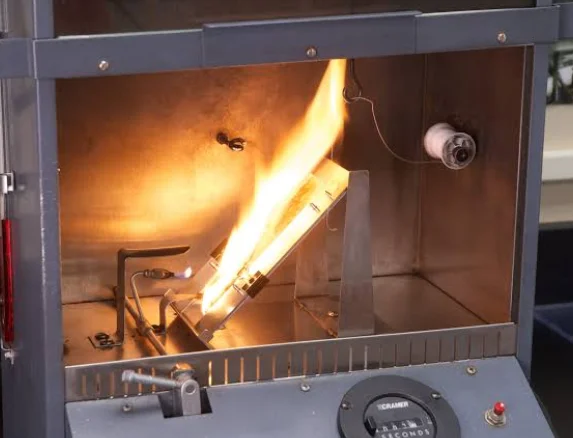
Flammability testing standards outline how products will burn. A number of tests have been developed to measure a material’s flammability and rate of burning. Results from these tests are used to determine a material’s safety, and to check for compliance with regulations within a number of industries including the automotive, aerospace, construction and textiles sectors. There are many different flammability tests that have been developed to measure a material’s combustion properties, often with the end goal of classifying a material. By conducting a number of flammability tests and analyzing the results, experts are able to gain an understanding of a material’s fire behavior. Flammability testing methods are often standardized and are provided by organizations such as ASTM, ISO, and UL, enabling results to be compared across different locations around the world. Flammability testing is now a staple of modern product design, not only driving safety advances but also influencing how products are developed to meet legislative requirements and to gain market and to gain customer acceptance.
What Are the Key Flammability Testing Standards?
Before diving into the specific test types, it’s important to recognize that flammability testing standards vary depending on the material type and intended application. Each standard defines test conditions such as ignition source, flame duration, sample orientation, and evaluation criteria.
ASTM Standards for Flammability Testing
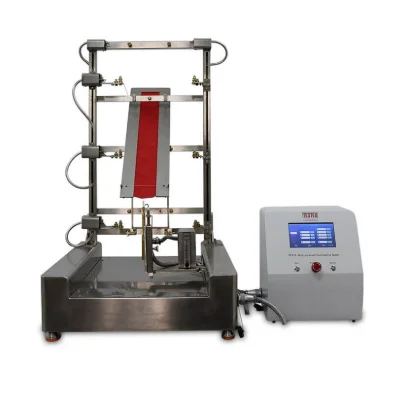
ASTM International has established a number of flammability test methods which are used by manufacturers globally. Examples of textile flammability testing as specified by manufacturer end use include: ASTM D6413 – Measure of Flame Resistance of Textiles by Vertical Flame Test of Test Method, which uses a vertical flame test to measure the flame resistance of specified sizes of particular types of textile specimens. Surface burning characteristics of building materials and products are determined by test method ASTM E84 using a continuous horizontal plane of fire in a tunnel. Results are expressed by rating of rate of flame spread and effective heat production. Other criteria for classification may include smoke developed and toxicity of produced gases. It is necessary for a manufacturer to know the criteria for which a material is required to meet by the end use for which it will be used.
ISO Standards in Fire Safety Evaluation
The International Organization for Standardization (ISO) provides global standards and guidelines that may be adapted and harmonized with local rules and regulations. In the automotive sector, in addition to assessment of flammability of interior materials in vehicles according to ISO 3795 which is widely used for assessment of automotive parts, assessment of heat release rate by cone calorimetry, as described in ISO 5660, can be used to measure amount of energy released by material during combustion in detail.
UL Standards for Product Certification
UL standards are very important in the consumer product certification process. The UL 94 flame test for plastic materials classifies plastics based on their fire behavior. By extinguishing the initial flame and then viewing the burned specimen for a specific period of time for self-extinguishable parts or continuing to apply the test flames for non-self-extinguishable parts until complete charring, the specimens are given a rating such as V-0, V-1, V-2, or HB. UL standards are required in many industries, such as the electronics and major household appliances industries, before products can be marketed.
How Do Different Industries Apply Flammability Testing?
Flammability testing is applied by each industry in its own way, because the risks and the environment differ very much. The choice of the tests are based on potential ignition sources, on the duration of exposure to the test material, and on the presence of other combustible materials.
Automotive Industry Applications
In automotive engineering, interior components must comply with regulations like FMVSS 302 in the United States or ISO 3795 internationally. These tests simulate ignition from small flames inside vehicle cabins. Materials such as seat fabrics, dashboards, and insulation are evaluated for burn rate and self-extinguishing capability.
Aerospace and Aviation Requirements
The interior of an aircraft, being a small space that is used by a large number of people over long periods of time, is subject to especially strict criteria. For assessing the properties of cabin materials in relation to burning, the FDA approved tests are conducted in accordance with FAR 25.853. The effect of thermal radiation on components made of composite materials, found in the fuselage as well as in engine compartments, is tested by means of radiant panel tests carried out by aerospace engineers.
Construction and Building Materials
Flammability testing determines the behavior of a building’s walls, ceiling and insulation when subject to a fire. Flammability testing for fire resistance testing of construction materials typically measures the fire resistance duration, i.e. how long an assembly resists a fire before it collapses. Test reports that detail a product’s fire resistance duration are a critical component in a contractor’s selection of products for public buildings as well as high rise buildings, as the time to evacuate during a fire is critical.
Why Is Flammability Testing Crucial for Regulatory Compliance?
All industries are regulated by government bodies such as fire authorities and subject to very stringent fire safety measures designed to protect life and property. Failure in any test could result in products being removed from the market or banned.
Legal Frameworks and Certification Requirements
Governments mandate compliance with national standards such as NFPA codes in the U.S., EN standards in Europe, or GB/T regulations in China. Certification agencies verify that manufacturers follow approved testing methods before issuing safety marks like CE or CCC labels.
Consumer Protection and Liability Mitigation
Products that are flammable can pose significant liability to companies whose products cause injury or property damage. Demonstrating compliance by conducting flammability testing by a third party can help reduce a company’s liability while helping to enhance the brand’s image with consumers who care about safety.
Insurance and Risk Assessment Implications
When planning to offer coverage to facilities or products that use materials, for example floor coverings, upholsteries, blankets, etc., it is not uncommon for insurance companies to demand documentation or test reports which support that these materials have been classified for recognized flammability. Such positive test reports can help lower premiums because they show that the material in question has a low fire hazard potential.
What Are the Main Methods Used in Flammability Testing?
Testing methods differ based on sample type—films, foams, textiles, composites—and desired data outputs such as ignition time or heat release rate.
Vertical Flame Test
This method involves exposing a vertically oriented specimen to a controlled flame for a defined period. Observers record after-flame time and char length to determine flame spread resistance. It’s commonly used for clothing fabrics and seat covers.
Horizontal Burn Test
Used primarily for plastics or thin sheets, this test places samples horizontally while measuring burn rate across their surface. It helps identify whether materials self-extinguish once the ignition source is removed.
Cone Calorimeter Test
Cone calorimetry measures fire tests quantitatively, reporting heat release rate (HRR), smoke production rate (SPR), and mass loss rate (MLR) in fire. This is a very preferred test method of engineers, as it supplies them with required amounts of data about thermal behavior of products during a real fire and they design their products accordingly.
How Do Emerging Technologies Influence Flammability Testing?
Innovations that have emerged over recent years are affecting the way that laboratory tests are conducted and their results evaluated. All these tests have become quicker, are safer and more reliable and are able to more accurately predict real life situations.
Computational Fire Modeling
Many researchers today use simulation software to develop models of combustion processes, enabling them to test how a fuel or combustion system will perform before actually building a test rig. In this way, they can avoid the cost of actually testing a formulation that will fail to meet any of the relevant regulatory thresholds. They will find out about any problems much earlier in the development process.
Smart Sensors and Automated Systems
We equip our automated burners with Infrared-sensors. The temperature gradients are registered far more precise than has ever been the case with a manual test rig from decades ago. Our Data acquisition systems register and record all the events in the process of combustion without any error caused by humans. They are available for an analysis afterwards.
Sustainable Material Development Trends
New test adaptations are needed for eco-friendly matrix/fiber composites made from bio-based fibers in order to assess degradation under thermal loading using appropriate new parameters. In order to update existing test protocols, researchers work together with the relevant standard organizations.
How Are Results Interpreted and Classified?
Expert interpretation of flammability data is required because small differences in the data itself can result in a large difference in the resulting classification.
Rating Systems Across Standards
Each standard assigns categories based on burn duration or extent of damage—for instance V-0 indicates immediate self-extinguishing behavior while HB denotes slow horizontal burning continuation after flame removal.
Statistical Analysis of Repeat Tests
The amount of repetitions is important to make reproducible results. Analysts of the LPS value calculate on average the mean value of 5 or more samples per condition to define conformity or non conformity including corresponding confidence intervals according to the guidelines for the respective test method.
Documentation and Reporting Practices
Accredited laboratories produce Reports of Test which include a description of how the test was carried out, a copy of the equipment calibration certificate, details of the test environment and any photographs taken during the test. The Reports of Test and other documentation form a strict audit trail that is maintained throughout the certification process.
FAQ
Q1: What is the purpose of flammability testing? A: The purpose of flammability testing is to determine how easily a material will ignite, burn, and release flames. In order to design safe products that meet mandatory fire safety regulations worldwide, engineers have to conduct flammability testing on the materials used for the products.
Q2. Which industries require mandatory flammability testing. A: Automotive, aerospace, construction, electronics, furniture, and textiles industries. Each of these industries have specific testing requirements within their respective industries and are governed by international testing organizations such as ASTM, ISO, UL, FAA, and NFPA, among others.
Q3: How frequently would one need to retest raw materials, as per you? A: Frequency of retesting depends upon several factors including change in process at supplier end, variation in performance by supplier, change in government rules and regulations. In general this would need to be retested every few years unless the manufacturer is utilizing exactly the same raw material formula, ideally this should be verified via periodic audits by quality department.
Q4: Can sustainable materials pass traditional flammability tests? A: Yes, many bio-based composites can meet test criteria, some even with standard test methods whereas others might require modified test procedures due to their thermal decomposition behavior that is different from that of petroleum-based polymers.
Q5. What factors can affect test variability. A. Sample thickness, humidity, conditioning, pre-test aging, contamination, even operator technique can effect results measured from tests. Show case the need for strict procedural control for an accredited laboratory.