
How to Choose a Reliable Fabric Manufacturer
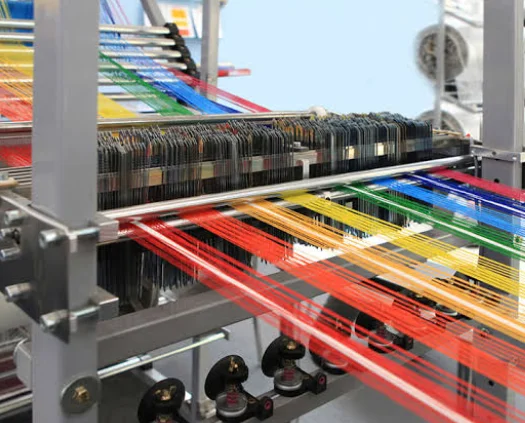
Choosing a reliable fabric manufacturer is one of the most important decisions that any apparel brand or textile business makes. The quality of the products, the consistency of the supply and the potential for profit of a company can all be affected by the manufacturer that a business chooses to work with. Therefore, the ideal manufacturer will have technical ability, complete transparency and operate in a sustainable way. In this article we look at the key things that you should look for in a potential partner before you form a relationship and start to do business with them as part of your supply chain.
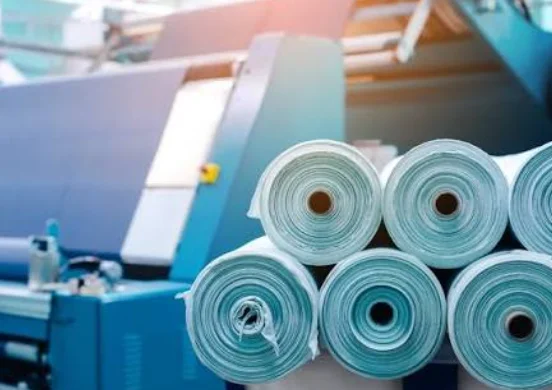
What Defines a Reliable Fabric Manufacturer?
A reliable fabric manufacturer is more than a supplier, he is a strategic partner. In the highly competitive global textile market, a reliable supplier of fabrics is someone who fulfills the specified technical parameters, who produces in an ethical manner and is able to adjust to changes in the global demand.
Consistency in Quality Standards
For any manufacturing relationship to be successful it is crucial for it to be consistent. The fabrics supplier needs to be able to supply materials of consistent color strength, reduced shrinkage and consistent fiber content. In addition, it is always advisable to request for lab test report or third party certificate such as ISO 9001 or OEKO-TEX. There are cases when high performance sports wear fabric suppliers will require tensile test to check for the stress for the materials’ durability.
Transparency in Production Processes
Transparency can create trust between buyers and producers. We maintain full transparency through all production stages in our yarn suppliers right through to the finish of production here in our factory. Leading edge factories around the world today use software to track every stage of production enabling their clients to view progress at the click of a mouse in real time. Not only does this allow for greatly reduced error rates it also enables improved traceability that enables sustainability audits to be completed.
Ethical and Sustainable Practices
In today’s world ethical sourcing is no longer a choice but an industry standard that all reliable manufacturers comply with. They work in full compliance with environmental laws as well as social responsibility codes of conduct such as BSCI or Sedex. Manufacturers also invest in equipment such as wastewater treatment as well as dyeing using energy efficient technologies in order to minimize the ecological footprint. If a brand describes itself as ecological than it is important to source from manufacturers who apply the same standards.
How Can Product Range and Innovation Impact Manufacturer Selection?
The range of products a manufacturer offers today is largely a reflection of their current technical capabilities and their ability to adapt to future market needs. Innovations within the field of fabric development can also play a crucial role in determining whether a long-term collaboration is to be successful.
Variety of Fabric Types Offered
A wide-range of products in your fabric manufacturing portfolio is key to having flexibility in manufacturing. An reliable fabric supplier will be able to provide you with woven, knitted and blended fabrics. These could be made from the widest range of fibers including cotton, polyester, viscose or even recycled fibers. By having one reliable supplier for all of your products you can avoid having to manage multiple suppliers for all of your different product lines.
Research and Development Capabilities
Top-class manufacturers in the textile industry are characterized by their innovation. Companies that have invested in R&D departments are able to manufacture fabrics of any type with specific textures and properties, which can also offer special performance characteristics. Some textile mills work with chemical engineers to add finishes with an antimicrobial effect to their products, for example for medical clothing or sports clothing.
Adaptation to Market Trends
Fashion trends in the consumer market change quickly, thus manufacturers that keep pace with current trends by using sustainable fibers or digital printing for example are supporting the brand to stay competitive on the market. Advanced manufacturers are analyzing global market information and are visiting international trade fairs as Intertextile Shanghai or Première Vision Paris in order to get an impression of future demand patterns.
Why Is Supply Chain Reliability Crucial?
ReLiability of the Supply Chain is a critical factor as it allows to deliver Products on time while preserving good quality and cost effectiveness. Unreliable logistics chains can disrupt manufacturing schedules considerably.
Lead Time Management
Being able to deliver on time or not largely depends on several steps: the procurement of raw materials, weaving, dyeing and the finish. If a manufacturer is working with an automated scheduling system, this manufacturer will be able to calculate and predict lead times even outside of peak seasons and will be able to keep the delays that do occur to a minimum.
Inventory Flexibility
Reliable partners maintain safety stock levels of key materials like yarns or dyes to handle urgent orders without affecting existing commitments. This flexibility supports brands operating under fast-fashion models where turnaround time is critical.
Risk Mitigation Strategies
Seasoned manufacturers from now on work with contingency plans to prevent any damages by failures of machines or by supply disruptions due to political or even geo-political events. Some of them even work with a secondary production site on other continents to be able to continue production in case of a crisis.
What Role Do Certifications and Compliance Play?
Many different certifications exist to verify manufacturers’ commitment to quality and ethics. These help simplify research for potential buyers to compare different suppliers from all around the world.
Quality Management Certifications
Certifications like ISO 9001 show that companies are following internationally recognized quality management systems that contain processes for continuous improvement within the production environment of a company.
Environmental Compliance Certifications
Environmental certifications such as OEKO-TEX Standard 100 confirm that fabrics are free from harmful substances at every stage of processing—from raw fiber through finished garment—assuring both safety and eco-friendliness.
Social Responsibility Audits
Audits conducted under frameworks like WRAP (Worldwide Responsible Accredited Production) assess labor conditions and factory safety measures, ensuring compliance with ethical employment practices demanded by global retailers.
How Important Are Communication and Customer Service?
Effective communication helps to avoid misunderstandings that can cause expensive errors in production or delays in shipping.
Responsiveness During Sampling Phase
During the sampling stage quick feedback loops enable design specifications to be fine-tuned efficiently. Designers and manufacturers who are assigned a dedicated account manager are able to deal with any revisions more quickly than those who are using generic channels of communication.
Technical Support After Delivery
Post-delivery technical support is a clear indicator of a supplier’s long-term commitment to support you after the initial transaction. Leading suppliers support clients to troubleshoot fabric performance issues encountered during garment assembly or indeed during washing tests.
Cultural Compatibility in Collaboration
There is often cultural differences relating to business etiquette and how negotiations are managed in cross border partnerships. Manufacturers who are experienced in international trade are generally able to manage the expectations of overseas clients.
How Does Pricing Reflect Reliability?
An initially attractive price offer may reflect low price on the surface, but poor quality or worker rights abuse on the inside.
Transparent Cost Breakdown
There are a number of reliable manufacturers that provide detailed quotations outlining material costs, labor costs, finishing costs and logistics costs as opposed to a broad price. This way buyers can judge value rather than price.
Long-Term Pricing Stability
Stable pricing policies protect brands from sudden cost spikes caused by fluctuating raw material markets. Trusted partners negotiate annual contracts that lock prices within agreed margins for predictability in budgeting cycles.
Value Beyond Cost Savings
Reliability is measured by total value delivered. So you have to look at your whole supply chain and that would be reduced defect rates, better service etc, rather than just the lowest cost per meter as the lowest cost per meter may come with many costs downstream that are not visible on the surface.
FAQ
Q1: What is the first step when evaluating a new fabric manufacturer? A: Begin by reviewing their certification portfolio and requesting recent quality test reports before visiting their facility for an on-site audit.
Q2: How does a small fashion label find a reliable textile supplier? A: Small labels can find reliable suppliers at verified trade fairs or by using vetted sourcing platforms where suppliers’ credentials have been checked for authenticity in advance.
Q3: Is local manufacturing always better than overseas manufacturing. A: No, discipline of operation is more important than geographical location, some overseas producers are even more reliable than local manufacturers, due to advanced automation.
Q4: What are warning signs for an unreliable supplier? A: Frequent delivery delays, bad quality of samples in contrast to the quality of bulk goods as well as a lack of transparency of the origins of the basic materials for example.
Q5: How often should you hold performance reviews after the initial collaboration setup? A: Bi-annual reviews of quality, lead time,