
Sustainable Textile Manufacturing
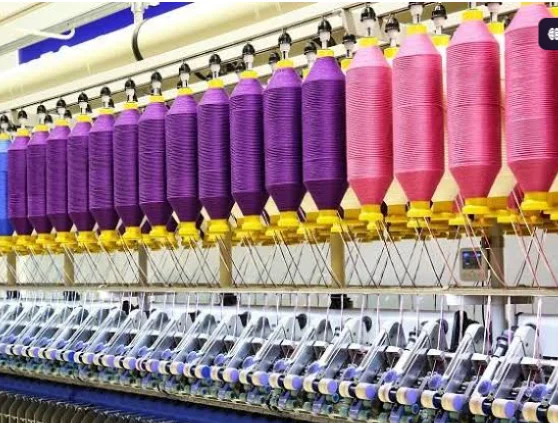
Sustainable textile manufacturing can change the face of the global textile industry by using eco-friendly raw materials, by implementing ethical production with fair labor conditions and by efficient use of energy and resources in production. This change from conventional production is not a fashion and will remain in force in the long term, thanks to the increasing number of environment protection laws and requirements of sensitive consumers as well as to the new production technologies. For textile manufacturers, sustainability is not only a moral obligation but also a new sales argument and source of added value. In this article we are dealing with the important questions of sustainable textile production: with the materials, the efficiency of production, the waste management, the social effects and the future perspectives.
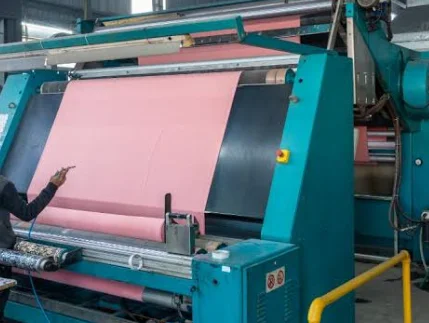
What Defines Sustainability in Textile Manufacturing?
Sustainability within textile manufacturing refers to practices that try to avoid environmental damage, keep costs under control in order to guarantee business viability, and also ensure justice for workers. In textile production, sustainability aims to manage the product’s entire life cycle in the best possible way and to minimize its environmental impact. It starts with sustainable raw materials and ends with responsible handling of waste at the end of a product’s life cycle.
Eco-Friendly Materials and Fibers
Sustainable manufacturing of textiles is achieved by using fibers that are renewable or recycled. Most commonly used sustainable fibers are organic cotton, hemp, bamboo and Tencel. These natural fibers have a low water consumption during manufacturing process and are also biodegradable. Recycled fibers such as recycled polyester are made from post-consumer plastic waste and can help in reducing the usage of virgin petroleum based fibers. As an example, some leading brands are incorporating fabrics made from the plastic bottles collected from the world’s oceans into their current mainstream collections.
Energy-Efficient Production Processes
Innovative approaches to increasing energy efficiency are key to achieving textile sustainability. Textile manufacturing facilities are now using solar energy, heat recovery and cutting-edge dyeing technology. These methods enable 40% energy savings. Most significant, color consistency is maintained by adopting a closed-loop production process. The system recirculates the water and chemicals, thereby reducing environmental impact significantly. A host of textiles facilities also employ cutting-edge monitoring systems that are integrated with AI. These have been proven to enhance monitoring of key parameters to ensure improved operating efficiency thereby also reducing unnecessary consumption of energy and resources to prevent their wastage.
Lifecycle Assessment and Transparency
A Lifecycle Assessment (LCA) expresses the various impacts a product has in the different phases of the production process. A digital product passport can contain information on a product’s environmental impacts, and enable a transparent follow-up of a product from the harvesting of the fibers on a remote island in the Indian or Pacific Ocean, via the continent where it was manufactured, to a shop on the high street at home. This information enables the consumers to hold companies and retails accountable for their actions. The information provided via a digital product passport will also help companies to fulfill sustainability requirements as described in ISO 14001 or the Global Organic Textile Standard (GOTS).
How Do Sustainable Practices Reduce Environmental Impact?
Conventional textiles generate significant environmental problems including large amounts of water and pollutant discharges, together with substantial carbon emissions. Reverse through innovation in materials and production systems.
Water Conservation Techniques
Traditional dyeing requires the use of thousands of liters of water per kilo of fabric. New technologies for dyeing, such as digital printing or dyeing with supercritical CO2, have the potential to be almost 100 % water-free. In water-scarce regions, such as parts of India and Bangladesh, technologies like these are vital for the future of the industry.
Chemical Management Systems
Many toxic dyes and finishing agents have been released into the waterways near industrial production sites over the years. However, responsible manufacturers can monitor the chemicals used during production by joining theZero Discharge of Hazardous Chemicals (ZDHC) initiative. Natural dyes, extracted from plants and minerals, are also becoming popular again with smaller manufacturers, who can keep to a local circular approach.
Carbon Footprint Reduction
Moving to renewable energy sources can cut emissions in spinning and weaving activities. Some companies also use carbon offsetting projects or bio-based fuels for their logistics chain. Export oriented companies need to develop carbon efficient production in the face of increasingly strict climate policies from governments around the world.
What Role Does Technology Play in Driving Sustainability?
Technology is playing a crucial role in the sustainable textile manufacturing by ensuring higher accuracy, less waste and more informed decisions throughout the supply chain by using data.
Automation and Smart Factories
Automated looms fitted with sensors instantly detect any defects thereby minimizing the amount of fabric rejected. A smart factory is a facility in which all the machinery and devices are connected to each other; for instance, the looms are fitted with sensors that automatically adjust speed and/or tension depending on type of fiber used, thus increasing the quality of the fabric and also ensuring that there is maximum efficiency and minimum usage of energy.
Digital Fabric Simulation
Designers can now pre view their garments using 3D modeling software that allows to view and check all aspects of the design: drape, textures and colors prior to the start of physical production. This can save up to 70% of sample and waste.
Blockchain for Supply Chain Traceability
Tracking blockchain technology to store the changes made to raw materials throughout their processing history. Claims about products, such as organic and recycled articles, can be verified by retailers in full transparency by scanning the products’ labels via QR code.
How Is Waste Managed in Sustainable Textile Production?
Measuring waste reduction is one of the few key indicators for assessing the sustainability performance of the textile industry.
Circular Economy Integration
Circular models are designed to extend the life of products through Recycling / Upcycling. Pre-consumer waste such as cut offs from production are re-processed into insulation or regenerated into new yarns. Post-consumer waste from take-backs is sorted mechanically and/or chemically recycled into new fibers to make new garments.
Biodegradable Finishes
Finishing chemicals on wood often prevent recycling. Biodegradable surface coatings made from natural polymer materials such as chitosan are alternative to synthetic paints. These wood finishes can be safely degraded with waste and do not produce any microplastics which could harm ecosystems.
Zero-Waste Design Philosophy
Many designers today are turning to novel applications of pattern-making in order to utilize as much of a given fabric as possible during cutting. Recent developments in digital pattern layout, and the algorithms that inform such systems, enable designers to construct patterns which are arranged in the most efficient manner to minimize cut-away material while still realizing the desired look of a completed garment.
What Are the Social Dimensions of Sustainable Manufacturing?
Sustainability at Huckberry means more than just being environmentally friendly. We also care about fair labor practices and the good of local communities around the world. To uphold these principles, we ensure that all businesses within our global supply network operate in a sustainable manner and treat their employees fairly.
Ethical Labor Practices
Factories that work with Fair Trade guarantee that their workers earn enough for a living, work in safe environments, and have equal opportunities for advancement to men. Third-party audits are conducted on a regular basis to ensure compliance with the international labor standards of the International Labour Organization (ILO).
Local Community Engagement
Textile production often is the center of regional economies. Companies that act responsible not only improve their brand but also invest in local education and even in water purification for the communities where they produce. In this way, not only the company itself becomes more stable but also the social structures of the workers’ families are strengthened and thus more resilient.
Skill Development Initiatives
Many workers, however, will need to be retrained in order to adapt to automation. By enrolling in a workforce retraining program, technicians will learn how to utilize new digital technologies and work within sustainable frameworks such as quality control in order to be able to adapt to new technologies without being left behind.
How Do Regulations Influence Sustainable Textile Manufacturing?
Governmental frameworks can accelerate adoption by setting benchmarks for environmental performance across industries and pushing companies to improve their environmental performance.
International Standards Compliance
The labels GOTS or OEKO-TEX Standard 100 state in detail what amounts of harmful chemicals are permitted in natural and synthetic fibers and ready-made textile articles and how textile products are tested for these substances. Their conformity is not only necessary to ensure safety for man and environment; in addition, these labels are demanded by the high-end markets for exports and signal sustainable quality on the textile market.
Trade Policies Encouraging Green Production
Some countries are giving factories with renewable energy systems or wastewater treatment a tax relief. Other countries are charging a tariff on goods from countries that are not sustainable, in the hope that more sustainable goods will be made in that country instead.
Corporate Reporting Obligations
Mandatory ESG (Environmental, Social, Governance) disclosures include annual sustainability metrics that companies must publish out. Those disclosures are subject to verification by an independent auditor. Such information can affect decisions by investors as more capital will flow to environmentally responsible companies in the future.
What Is the Future Outlook for Sustainable Textile Manufacturing?
The future of materials research will increasingly be linked to the implementation of science-based circular business models which can be supported by digital systems.
Biofabrication Innovations
New fibers made from proteins in labs, such as spider silk proteins or mycelium, can be made without using agricultural land and have the potential to be stronger than fibers made today for the same weight.
Artificial Intelligence Optimization
AI can forecast demand more accurately than a human than through traditional forecasting. By predicting trends early on, it can help prevent excess production of inventory that would get left over and go to waste when the fashion cycle is over.
Consumer-Driven Transformation
Increased awareness amongst consumers for transparency around a product’s ethics when it comes to the clothing’s origin, has led to certain brands gaining customer loyalty with their Sustainability Storytelling campaigns. For environmentally conscious buyers, brands that openly share their journey to ensure that they are producing in the most sustainable way possible, gain most loyalty from this group of consumers.
FAQ
Q1: What makes a textile product truly sustainable? A: A product is considered sustainable when its entire lifecycle—from raw material extraction to disposal—minimizes environmental damage while supporting fair labor practices and economic viability.
Q2: Which certification is most recognized globally for sustainable textiles? A: The Global Organic Textile Standard (GOTS) is one of the most recognized sustainable textile certification worldwide. GOTS requires a minimum amount of organic fibers and also sets strict criteria for processing for employee’s welfare.
Q3: Can synthetic fibers be part of sustainable manufacturing? A: Yes. In terms of the positive contribution of synthetic fibers to sustainable manufacturing, they can come in the form of recycled synthetics, such as rPET, from post-consumer waste streams as opposed to from virgin petrochemicals.
Q4: How do consumers influence Sustainability? A: Consumers influencing Sustainability with their purchasing decisions and awareness for eco-labeled products driving companies to increased transparency and ongoing improvements within their respective supply chains.
Q5: Are biodegradable fabrics better than recycled ones? Not necessarily. Biodegradable fabrics are for short use periods, whereas most recycled fabrics are for long durations. They are best used within a complete circular economy system.