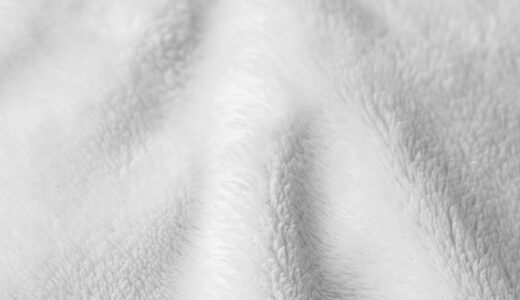
Why Is Polyester the Most Used Fabric in Global Textiles?
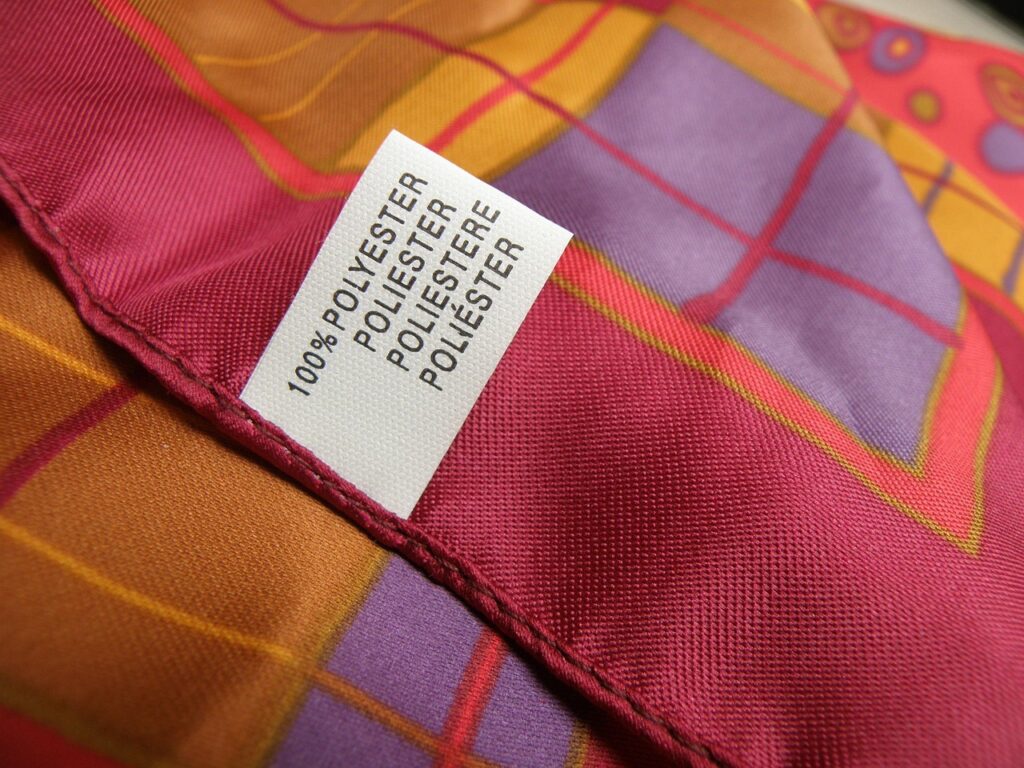
Why Is Polyester So Widely Used in Textiles?
Polyester is not just another synthetic fiber. In day-to-day textile buying, it is behind sportswear, uniforms, linings, curtains, bags, upholstery, and many other Materials moving through global textile trade. If you buy fabric for a brand, wholesaler, or factory, polyester usually comes up early because it offers stable strength, many fabric options, and a cost level that works for bulk orders.
The volume is also hard to overlook. Textile Exchange reported in its 2025 Materials Market Report that global fiber production reached 132 million tonnes in 2024, and polyester accounted for about 78 million tonnes, or 59% of global fiber output. That figure explains why mills, dyeing houses, finishers, and garment factories have so much hands-on experience with it. (textileexchange.org)
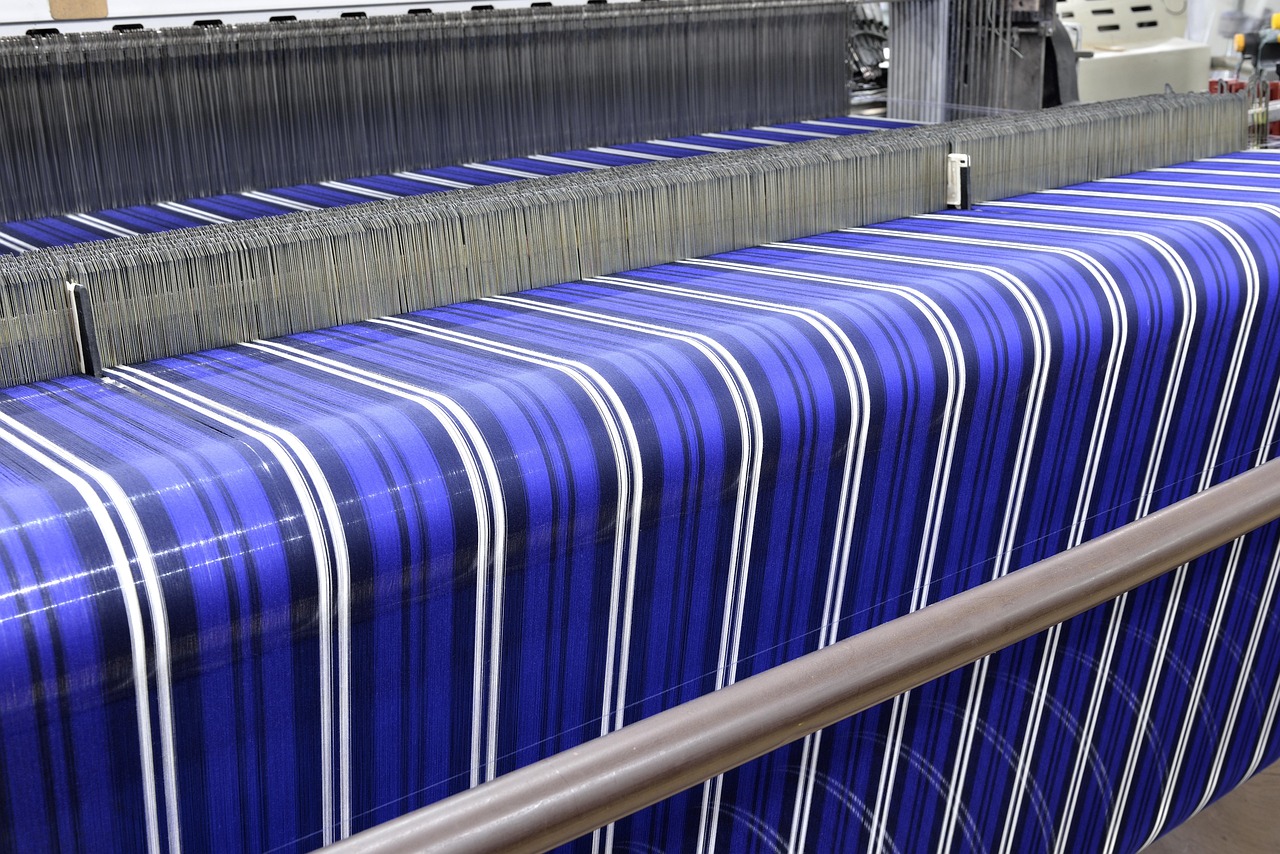
High Volume Across Global Fiber Markets
Large volume matters when you are buying fabric for real orders. It often means more yarn choices, more regular colors, more finishing options, and less trouble with repeat orders. A buyer making 20,000 fleece hoodies or 80,000 meters of lining fabric does not want a material that is hard to find next season. Polyester is available as filament yarn, staple fiber, textured yarn, microfiber, high-tenacity yarn, and blended yarn, so it can be used in both basic items and more technical products.
Strong Performance at Practical Price Points
Polyester gives solid tensile strength, abrasion resistance, wrinkle recovery, and dimensional stability. It is not the answer for every fabric, but it covers many price levels without making production too complicated. A hotel curtain, a school jacket, and a gym T-shirt all need different fabric constructions. Even so, each one can use polyester in its own way, which is one reason it keeps a strong place in many product lines.
Stable Supply for Large Programs
For export orders, stable supply can be just as important as hand feel. Polyester supply chains are already well developed, especially in Asia. In many cases, you can arrange greige fabric, dyeing, printing, coating, lamination, brushing, or bonding within one production area. That helps reduce mismatched lots, long waiting times, and last-minute fabric changes.
What Are the Main Types of Polyester Fabric?
Before comparing prices, you need to know which polyester route suits the product. The word polyester on a swatch label can cover many different fabrics. A shiny 75D pongee, a soft polar fleece, and a firm 600D Oxford bag fabric are all polyester, but they do not perform the same way.
Filament Polyester for Smooth Fabrics
Filament polyester uses continuous yarns. It often gives a smoother surface and better drape, depending on yarn count, weaving, and knitting. Common examples include taffeta, satin, chiffon, pongee, lining, mesh, and some sportswear knits. If you need a clean print surface or a light woven shell, filament polyester is usually a practical starting point.
Staple Polyester for Cotton-Like Blends
Polyester staple fiber is cut into short lengths and then spun into yarn. It can feel closer to cotton, especially when it is blended with other fibers. T/C fabric, CVC fabric, fleece, and brushed jersey often use staple polyester. These fabrics are useful when you want softness, bulk, or a casual wear touch that customers already know. One point needs attention: pilling control is important, so ask for anti-pilling grade if the garment will face frequent rubbing.
Recycled Polyester from PET Feedstock
Recycled polyester, often called rPET, usually comes from post-consumer PET bottles or other PET waste streams. Textile Exchange reported that recycled polyester production rose from about 8.9 million tonnes in 2023 to about 9.3 million tonnes in 2024, but its share inside polyester fell slightly to about 12% because virgin polyester grew faster. For buyers, the point is simple enough. Recycled options are available, but verified capacity and certification still need to be checked before you build a claim around them. (textileexchange.org)
How Does Polyester Perform in Real Products?
Performance should be checked by use, not by fiber name only. Polyester can be light and crisp, dense and tough, soft and brushed, or elastic when mixed with spandex. The construction, yarn, dyeing method, and finishing process decide a large part of the final result.
Strength and Shape Retention
Polyester is widely used because it keeps shape better than many natural fibers after repeated wear and washing. That is why it is common in uniforms, workwear, travel clothing, and home textiles. In a restaurant uniform, for example, the fabric has to handle washing, body movement, steam, and stains. A polyester-rich blend can reduce shrinkage and help the garment stay neat for a longer time.
Quick Drying and Low Water Pickup
Polyester absorbs little moisture compared with cotton. This helps it dry quickly, which is useful for sportswear, swim shorts, outdoor layers, and washable home items. At the same time, low absorption changes the comfort feel. For activewear, moisture management often depends on yarn texturing, knit structure, and wicking finish. Without those details, a basic polyester jersey may feel sticky in hot weather.
Color Hold with Proper Dyeing
Polyester is commonly dyed with disperse dyes at high temperature. When the dyeing is controlled well, it can give bright colors and good wash durability. When it is not controlled well, you may see shade variation, crocking, or sublimation problems during heat transfer printing. If you source dark navy, black, neon, or high-contrast prints, ask for colorfastness tests before bulk cutting. It prevents many difficult emails after production has already started.
Polyester vs Cotton Which Fabric Should You Choose?
The polyester vs cotton question comes up in many apparel meetings. There is no single winner for every product. Cotton brings natural hand feel and breathability. Polyester brings strength, quick drying, wrinkle resistance, and price stability at scale. The right choice depends on the wearer, washing method, and target price.
Comfort and Moisture Feel
Cotton usually feels more absorbent against the skin. This can be suitable for casual T-shirts, baby items, and some bedding. Polyester can feel drier and smoother, especially in performance knits. For gym wear, polyester with a wicking finish may work better than cotton because it dries faster after sweating. For a loose summer tee, many buyers still choose cotton or a cotton-rich blend.
Shrinkage and Care Needs
Cotton can shrink if the yarn, fabric, and finishing are not controlled well. Polyester usually has better dimensional stability, although heat setting still matters. If your customer wants easy care, quick drying, and less ironing, polyester or poly-cotton blends are strong options. If the product is sold mainly on natural feel, cotton may still be worth the extra care requirements.
Cost, Scale, and End Use
For large promotional programs, schoolwear, and uniforms, polyester often helps keep cost and repeatability under control. For premium casualwear, a blend may be the better route. A 65/35 polyester-cotton poplin can give easier care while keeping some cotton touch. A 92/8 polyester-spandex knit can support stretch leggings. Small fabric changes can affect the whole product, so do not decide by fiber content only. Test the actual fabric before you commit. See also: Applications.
What Should You Check Before Sourcing Polyester?
A smooth sample card can hide many production details. Before placing a bulk order, turn the fabric description into measurable points. This is where a proper specification sheet is useful. It keeps the buyer, mill, dye house, and garment factory working from the same details.
GSM, Denier, and Construction
Start with the basics: GSM, yarn count or denier, width, weave or knit structure, and finishing. A 150 gsm polyester interlock is not the same as a 150 gsm single jersey. A 300D Oxford is not the same as 600D Oxford either. For export buying, these terms affect price, strength, opacity, hand feel, and cutting behavior.
- For apparel, check GSM, stretch, recovery, shrinkage, pilling, and colorfastness.
- For bags, check denier, coating, tear strength, abrasion, and water resistance.
- For home textiles, check width, drape, lightfastness, flame rules if needed, and care labels.
Finishing, Hand Feel, and Testing
Finishing can change polyester more than many new buyers expect. Brushing makes fleece warm and soft. Peach finish gives a short, suede-like touch. PU coating adds water resistance. Calendering can make the surface flatter and shinier. Ask which finish is permanent, which is topical, and which may weaken after washing. A lab dip only shows color; a wash test shows how the fabric behaves in use.
Label Claims and Rules of Origin
If you sell into the United States, label wording matters. The Federal Trade Commission says most textile products need labels showing fiber content, country of origin, and the identity of the manufacturer or another responsible business. For trade programs, the U.S. International Trade Commission has also explained that many U.S. free trade agreements use yarn-forward or fiber-forward rules for textile and apparel goods. In simple terms, paperwork can affect duty treatment, not just compliance. (ftc.gov)
Is Polyester Sustainable Enough for Modern Buyers?
Sustainability around polyester is not a simple yes or no. It is durable and efficient in some uses, but it is still mainly fossil-based, and recycling is not yet large enough to balance total growth. Buyers should be careful with broad claims and ask for traceable material, test data, and design choices that make sense for the product.
Recycled Share Remains Limited
The 2025 Textile Exchange data shows a clear gap: recycled polyester reached about 9.3 million tonnes in 2024, yet it held only around 12% of polyester supply. This means recycled polyester can support a better product story, but it should not be treated as automatic proof of low impact. Ask for transaction certificates or recognized chain-of-custody documents when recycled content is part of the sales claim. It is better to check this before order placement than to chase documents after shipment.
Fiber Fragment Testing Is Now Standardized
Microfiber release is another issue buyers are watching. AATCC announced TM212-2021 as a standardized method to quantify fiber fragment release during home laundering. The method was made to give common wording and measurement for a topic that used to vary a lot between labs and brands. If your product is brushed fleece, high-shed knit, or a fabric washed many times, this type of test can help you compare options in a more practical way. (aatcc.org)
Better Design Reduces Waste
Good design can reduce waste before recycling even begins. Choose the right GSM so the fabric does not fail too early. Avoid unnecessary blends if future recycling is part of the plan. Use durable stitching, proper shrinkage control, and colors that will not look outdated too quickly. A plain black workwear fabric that lasts three years may not look exciting on a mood board, but buyers remember fewer returns and fewer complaints.
FAQ
Q1: Is Polyester Good for Everyday Clothing? A: Yes, polyester is good for many everyday garments, especially sportswear, uniforms, jackets, fleece, and easy-care items. For hot-weather comfort, choose breathable construction or blends instead of a dense basic fabric.
Q2: Does Polyester Shrink After Washing? A: Polyester usually shrinks less than cotton, but poor heat setting or unstable construction can still cause size change. Always check wash shrinkage data before bulk garment production.
Q3: Is Recycled Polyester the Same as Virgin Polyester? A: It can perform similarly in many fabrics, but quality depends on feedstock, spinning, yarn control, and fabric finishing. For branded claims, ask for certification and traceability documents.
Q4: What Is the Best Polyester Fabric for Bags? A: Polyester Oxford, canvas, and high-denier woven fabrics are common for bags. Check denier, coating, tear strength, abrasion resistance, and water resistance based on the final use.
Q5: How Should You Compare Polyester Fabric Quotes? A: Compare GSM, width, yarn, construction, finish, colorfastness, shrinkage, testing standards, packing, lead time, and claim documents. The lowest price can become costly if specs are not clear.