How Do You Choose the Best Non Woven Cloth Manufacturer for Export Orders?
What Should You Check Before Choosing a Non Woven Cloth Manufacturer?
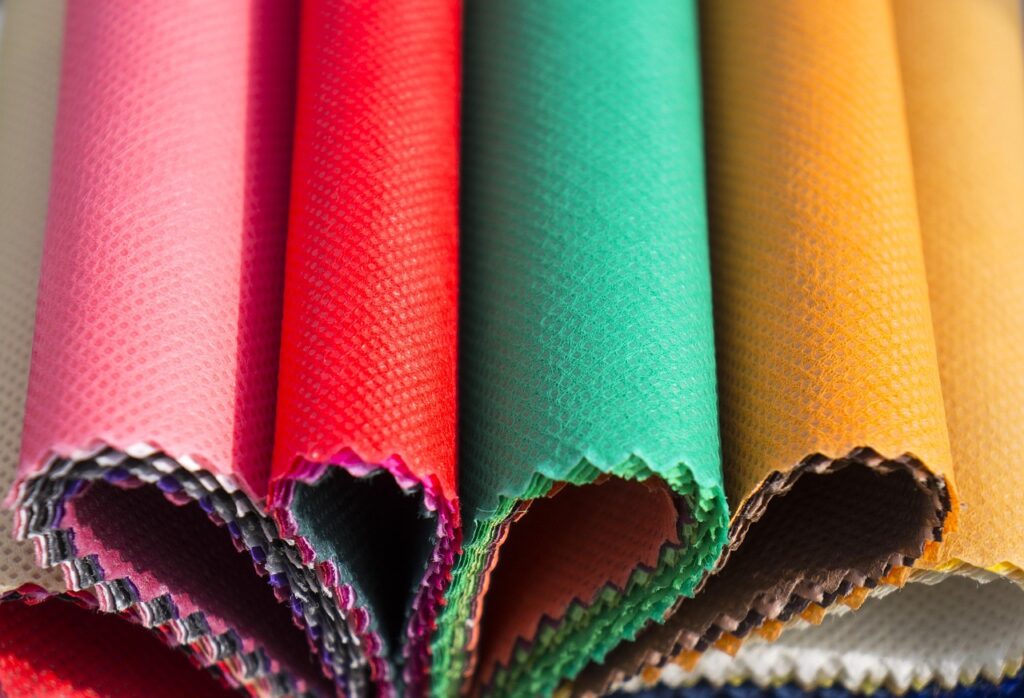
A workable Sourcing plan starts with the right non woven cloth manufacturer, not with the lowest number in a quotation file. Nonwoven cloth may look plain, but fiber choice, bonding, GSM, roll width, and packing can affect cutting waste, printing, bag strength, and hygiene use. ISO 9092 describes nonwovens as manufactured sheets, webs, or batts of fibers bonded by friction, cohesion, or adhesion. That is why factory control on the line matters as much as the resin or fiber going into it. (iso.org)
Product Type and End Use
Start with the product, not the machine list. A tote bag fabric, mask layer, mattress backing, agricultural cover, and filtration support all need different hand feel, strength, air flow, and thickness. If you only ask for 60 gsm nonwoven, the supplier may send a quote that meets the weight but does not fit the job. Tell the manufacturer where the cloth will be used, how it will be cut, whether it needs printing, and how long the finished item is expected to last.

Fiber, GSM, and Roll Width
Most export buyers compare polypropylene nonwoven by GSM, but GSM is only one part of the spec. You still need fiber type, bonding method, roll width, roll length, color tolerance, and core size. A 5 mm width error does not sound serious on paper, but it can leave waste on an automatic cutting table. For repeat orders, ask the factory to keep the same spec sheet and not change the raw material grade quietly when resin prices move.
Supplier Records and Export Habits
Export habits save a lot of back-and-forth work. Check whether the manufacturer has shipped to your target market, can prepare packing lists in your format, and understands carton marks, pallet rules, and normal inspection steps. Ask for recent shipment photos, but do not ask for private customer names if the factory cannot share them. There is no public database that can prove every private factory’s monthly output, so factory records, video checks, and third-party inspection reports are still useful.
How Do Material and Process Choices Change the Final Cloth?
Nonwoven cloth is not one fixed fabric type. Two rolls may have the same color and GSM, but they can act differently after ultrasonic sealing, screen printing, lamination, or outdoor storage. Before approving samples, ask how the cloth is made and what process route the factory is using.
Spunbond for Strength and Fast Output
Spunbond polypropylene is often used for shopping bags, packaging, disposable covers, and furniture backing because it offers usable strength at a normal cost. It usually has a crisp touch, seals well with heat or ultrasonic machines, and can run in large batches. For bag orders, ask for tensile strength in both machine direction and cross direction. Handles often break first along the weaker direction, so this test is not just paperwork.
Meltblown for Fine Fiber Functions
Meltblown fabric uses much finer fibers and is often selected for filtration and absorbent layers. It is not a direct replacement for spunbond. The cloth can be more fragile, and the result may depend on filtration efficiency, pressure drop, and electrostatic treatment. If your product is for safety or medical use, avoid unclear quotations and ask for test standards and batch traceability before talking about discounts.
Needle-Punched and SMS Options
Needle-punched nonwovens are used for heavier applications such as geotextiles, carpet backing, automotive pads, and insulation layers. SMS, usually spunbond plus meltblown plus spunbond, gives layered performance for protective and hygiene products. The right choice is not always the strongest cloth. It is the cloth that runs on your machine, supports your product claim, and keeps the landed cost under control.
What Quality Tests Should You Ask For Before Bulk Production?
Quality control should be written before the purchase order is placed. If a factory only says the quality is good, you still do not have a test plan. A practical buyer gives the supplier clear check points, then confirms them through pre-production samples and random roll inspection.
Basic Physical Test Items
For standard nonwoven cloth, the main checks are GSM tolerance, thickness, roll width, tensile strength, elongation, tear strength, color shade, and roll appearance. For printed or laminated cloth, add adhesion, rub fastness, smell, and surface cleanliness. Keep the test list short enough for people to use every time. A simple five-point inspection that happens on every order is better than a long twenty-point file that nobody follows.
Application-Based Performance Checks
Different end uses need different proof. Bag fabric may need handle pull tests after sewing or ultrasonic bonding. Agricultural cover may need UV resistance. Hygiene and medical-related layers may need bioburden control, lint checks, fluid resistance, or filtration data, depending on the product claim. If your buyer in Europe or North America asks for a named standard, put that standard in the RFQ instead of adding it when the container is almost ready.
Sample Sealing Before Mass Production
Keep approved samples sealed, signed, and dated. Many disputes start from color drift, changes in hand feel, or softer rolls in the next shipment. A sealed sample gives both sides a clear reference when there is a question. For large programs, approve one lab sample, one pre-production roll, and one pilot batch. It may feel slow at the start, but it is still faster than sorting 800 rolls after they arrive at the warehouse.
How Can You Compare Prices without Buying Cheap Trouble?
Price comparison should be fair to the buyer and fair to the manufacturer. A low unit price may hide narrow rolls, short meters, weak packing, poor color control, or a resin mix that changes after the first order. Ask every supplier to quote against the same technical sheet, trade term, and packing method.
One RFQ Sheet for All Suppliers
Send one clear RFQ sheet to each factory. Include material, GSM tolerance, roll width, roll length, color, surface treatment, packing, order quantity, target port, needed certificates, and inspection plan. A table is usually easier for the supplier to follow. For example, a buyer sourcing 80 gsm black nonwoven for reusable bags should state whether the cloth must support screen printing, lamination, or ultrasonic sealing. If that point is missing, the lowest quote may not match the real production job.
Cost Drivers Beyond Fabric Weight
Raw polymer, masterbatch color, additives, energy, labor, roll packing, inland freight, and scrap rate all affect cost. Dark colors may need more pigment, while very wide rolls may need special packing. Tight GSM tolerance can also slow production. When a quote is far below the market, ask what has changed. Sometimes it is a real promotion, and sometimes it is an early warning.
Landed Cost Instead of Unit Price
Compare landed cost per usable square meter, not only price per kilogram. A cheap roll with more defects, weak edges, or poor winding can raise your real cost after cutting. Add freight, duty, inspection, finance cost, and expected waste into the calculation. If two suppliers differ by 3 percent but one gives cleaner rolls and better documents, that supplier may cost less in actual use. See also: Applications.
Why Do Capacity and Export Data Matter for Your Sourcing Plan?
Nonwoven sourcing sits inside a large global market, and supply can move from season to season. Public data is useful for background, but it cannot replace supplier checks. Grand View Research estimated the global nonwoven fabrics market at USD 52.56 billion in 2023 and projected USD 75.74 billion by 2030, with a 4.9 percent CAGR from 2024 to 2030. For export buyers, the point is simple: demand is broad, so stable supply matters more than last-minute shopping. (grandviewresearch.com)
Regional Production Signals
EDANA reported that Greater Europe produced 2,864,840 tonnes of nonwovens in 2023, down 5.7 percent by volume from 2022, with 81.7 billion square meters made. This does not mean the market has no demand. It shows that inventory, energy cost, and end-use cycles can change fast. For a buyer, the safe move is to confirm lead time again before every busy season, even when working with an old supplier. (edana.org)
North American Capacity Context
INDA’s 2025 North American Nonwovens Supply Report said regional capacity reached 5.730 million tonnes in 2024 after increasing by more than 100,000 tonnes for the second year in a row. That added capacity can support some long-life sectors. It also means buyers may ask more about traceability and sustainability claims. If you sell into that region, prepare cleaner specs, test records, and shipping documents before the buyer requests them. (inda.org)
China Export Scale and Supplier Choice
World Integrated Trade Solution data based on UN Comtrade showed China’s 2024 exports of HS 560300 nonwovens to the world at about USD 4.04 billion and 1.52 billion kilograms. That scale gives buyers many suppliers to choose from. More choice also means more screening work. Shortlist factories by process, stable quality, and export service, not only by a clean showroom photo. (wits.worldbank.org)
How Should You Build a Safer RFQ and Sample Approval Flow?
A safer buying process does not need to be complex. It just needs to be written down. Many mistakes happen because the buyer, trader, and factory each keep a different version of the same order. Put the details in one document, then use that document from quotation to final inspection.
Practical RFQ Checklist
- Material, process, GSM, thickness, width, length, color, and treatment.
- Target use, cutting method, printing method, and bonding or sewing method.
- Packing style, roll label, pallet request, container loading plan, and shipping term.
- Testing items, accepted tolerance, sample deadline, production lead time, and inspection time.
This list looks basic, but it prevents many common problems. In sourcing, boring is often a good thing. It means the container arrives, the rolls fit the machine, and nobody needs to explain a color mismatch on Monday morning.
Three-Step Sample Approval
Use a three-step approval path. First, approve a hand sample for color and touch. Second, approve a machine-made sample for the real structure. Third, approve a small pilot roll before mass production. If the manufacturer refuses any production sample for a serious order, ask for the reason. Sometimes the reason is fair, and sometimes it shows that the factory is not the right match.
Clear Inspection and Payment Terms
Link payment terms to clear steps. For example, pay the deposit after sample approval, arrange the balance after inspection, and ship after document review. Set rules for defects, roll shortage, mixed batches, and late delivery. Keep the wording polite but exact. Good suppliers usually like clear buyers because clear buyers are easier to serve.
FAQ
Q1: What Is the Best Material for Nonwoven Shopping Bags? A: Polypropylene spunbond is common because it is light, printable, and cost-friendly. The right GSM depends on bag size, handle style, and expected load.
Q2: How Much GSM Should You Choose for Nonwoven Cloth? A: Light disposable covers may use lower GSM, while reusable bags, furniture backing, and industrial cloth often need higher GSM. Always match GSM with strength tests, not guesswork.
Q3: Can a Non Woven Cloth Manufacturer Make Custom Colors? A: Yes, many factories can use masterbatch color matching. Ask for lab dips, daylight photos, and a clear color tolerance before bulk production.
Q4: Should You Inspect Every Nonwoven Fabric Order? A: For new suppliers, yes. For repeat suppliers, random inspection is still useful, especially for GSM, width, roll length, color, and packing.
Q5: What Is the Biggest Mistake When Sourcing Nonwoven Cloth? A: The biggest mistake is buying by price only. A better method checks process, sample match, test data, packing, lead time, and landed cost together.