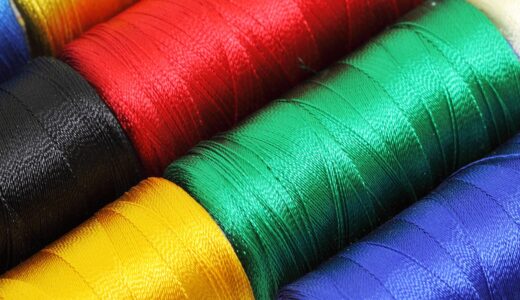
Why Is Vinyl Coated Mesh Fabric the Best Choice for Outdoor Covers?

What Is Vinyl Coated Mesh Fabric?
Vinyl coated mesh fabric is a coated textile used when plain cloth is too light and solid tarpaulin is too closed or heavy. It has an open mesh base, most often polyester, and a vinyl coating that adds body, water resistance, color, and a cleaner touch. If you are checking coating options for outdoor or industrial fabric work, the coatings category is a good place to start.
This material sits between netting and solid coated fabric. It is not a full waterproof sheet, because the holes let air and water pass through. It is also not basic netting, since the coated yarns handle dirt, rubbing, and normal outdoor weather better than many uncoated meshes. That is why buyers use it for shade screens, fence screens, outdoor covers, truck ventilation panels, pet barriers, and equipment guards.
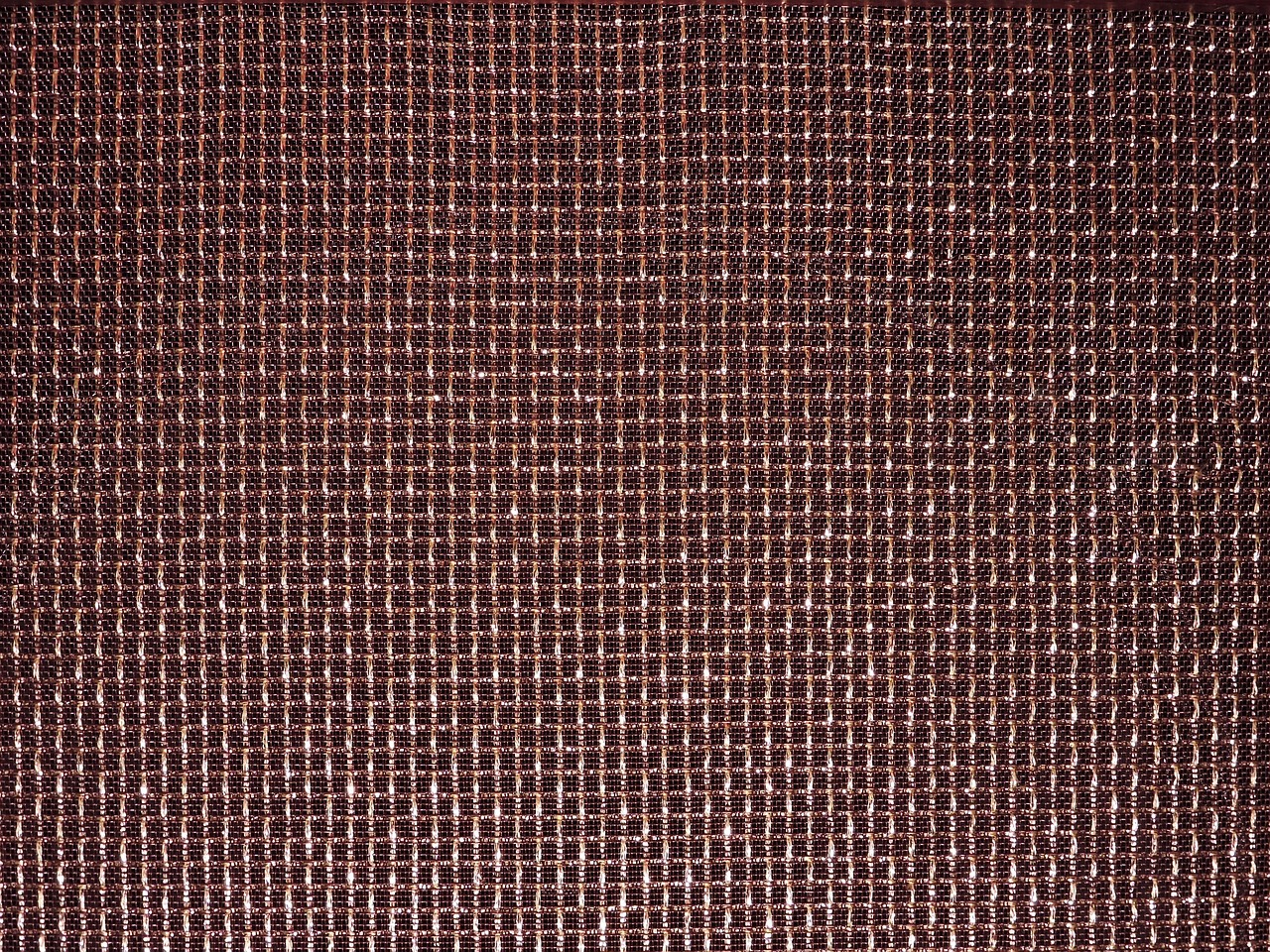
A Polyester Mesh Base
The base fabric works like the frame of the mesh. Polyester is widely used because it keeps its size well and can take pulling force in daily use. In plain terms, it does not stretch out too fast when it is tied to a frame or pulled across a panel.
A Vinyl Coating Layer
The vinyl coating gives each yarn a protective surface. ISO 7617-2:2026 describes PVC-coated woven fabrics for upholstery as woven cloth with a substantially continuous coating of plasticized vinyl chloride polymer or a related copolymer. Mesh fabrics are not upholstery fabric, but the same basic idea applies here. The polymer coating changes the textile surface and helps improve use performance. (iso.org)
An Open Construction
The hole size matters as much as the yarn itself. A more open mesh gives better airflow and lower wind load, while a tighter mesh gives more privacy, shade, and debris control. This small spec can change the whole result on site. A windy coastal fence and a quiet patio usually should not use the same openness.
Why Is It Used for Outdoor Covers and Screens?
Outdoor fabric has to face sun, rain, dust, pulling, and cleaning. Vinyl coated mesh fabric works well because it does not behave like a solid wall. It lets air move through the panel, so the fabric is less likely to balloon in wind. At the same time, it still gives a clear barrier and a coated surface.
Airflow With Weather Protection
For shade screens, greenhouse sidewalls, awning edges, and ventilation covers, airflow is not just about comfort. It can lower trapped heat and help the panel stay steadier in wind. The vinyl surface also releases splashes and dirt better than raw yarn. After rain or dust, many outdoor covers only need a simple rinse.
Better Dimensional Control
When mesh is coated after weaving or knitting, the coating helps hold the yarns in place. This helps the panel keep its shape when it is sewn, welded, grommeted, or tensioned. For export orders, that is a real production issue. A roll that cuts and stitches cleanly saves time on the factory floor.
A Cleaner Finished Look
Coating gives the fabric a more even color and a smoother face. Black, white, gray, blue, green, and custom colors often look more consistent on coated yarns than on untreated mesh. A fence screen at a tennis court or resort pool needs more than strength. It also needs to look neat from a normal viewing distance.
Which Specs Should You Check Before Buying?
A low price per square meter does not tell you much on its own. You need a spec sheet that matches the fabric to the job. For a balcony screen, check UV resistance, shade rate, color, and wind load. For a machinery guard, look more closely at tear strength, coating bond, and edge finishing.
Mesh Count and Openness
Ask for openness percentage or mesh count, not only a product photo. Two black rolls may look close on a screen, but they can perform very differently in wind. A denser mesh may give better privacy. A more open mesh is often easier on frames, ropes, and fasteners.
Weight, Thickness, and Width
Weight is usually listed in GSM or ounces per square yard. Higher weight can mean stronger yarns or more coating, but it is not always the better choice. Too much weight can make sewing harder and raise freight cost. Also confirm usable width, not only nominal width, because edge trimming can reduce material from every roll.
Tensile, Tear, and Coating Bond
Tensile strength shows how the fabric handles pulling force. Tear strength shows what happens after a cut or puncture has already started. Coating bond shows whether the surface layer stays attached to the base yarns. ASTM D751 is widely used for coated fabrics and includes test areas such as dimensions, mass, and breaking strength, which fits commercial checks on products like tarpaulins and similar coated goods. (store.astm.org)
How Should You Compare Vinyl Coated Mesh Fabric vs Plain Mesh?
Plain mesh can work for short-term indoor use. Outdoor jobs are less forgiving, because sunlight, repeated wetting, dust, and handling slowly wear down the yarns. A fair comparison should not stop at today’s roll price. You also need to look at installed cost over one season, two seasons, or longer.
Service Life Expectations
There is no single public number that can describe the average service life of all vinyl coated mesh fabric. The result changes with polymer recipe, yarn denier, UV package, climate, cleaning chemicals, and installation tension. A serious buyer should ask for aging data or past project references. A broad service-life promise is not enough for a bulk order.
Cleaning and Color Retention
Coated mesh is usually easier to wipe than raw mesh because dirt stays more on the surface. For covers used in public areas, that can be important. A shade screen near a road collects dust quickly, and customers do not want fabric that looks old after one summer. Even so, strong solvents can damage coatings, so cleaning guidance should be kept in the order file.
Cost Per Use
The OECD reported in 2022 that global plastics production doubled from 234 million tonnes in 2000 to 460 million tonnes in 2019, while global plastic waste reached 353 million tonnes in 2019 and only 9% was recycled after losses. For buyers, the practical point is clear. Choose durable coated fabric, reduce waste during cutting and sewing, and avoid changing panels too early. (oecd.org) See also: Applications.
What Quality Tests Matter for Export Orders?
Export buyers need repeatable production more than a good-looking sample. An A4 swatch may look fine in an envelope, but a 1,000-meter lot still has to match in color, hand feel, openness, and strength. Testing gives the supplier, sewing workshop, and end customer the same reference. This is useful when the people making decisions are in different countries.
Roll Measurement Records
Roll length, width, and net mass should be written down clearly. ISO 2286-1:2016 specifies methods for determining length, width, and net mass of rubber- or plastics-coated fabric rolls. This type of roll-level check helps avoid shortages, width disputes, and packing mistakes before the goods enter a container. It is a basic step, but it saves many later claims.
Strength Test Reports
For many woven or nonwoven textiles, ASTM D5034 is used to determine breaking strength and elongation by grab test and is considered suitable for acceptance testing of commercial shipments. If a mesh is very strong or has a special construction, ask the lab which method fits the fabric best. Keep the method name on the report, so all sides know exactly how the value was tested. (store.astm.org)
Shade and Surface Inspection
Inspection should cover color difference, coating skips, pinholes, stains, edge damage, and roll joints. If color is important, use a light box or the same daylight condition for each check. It may sound a little old-school, but agreeing on the acceptable defect level before production can prevent a long argument after delivery. Buyers should also keep photos of approved samples with the order record.
How Can You Choose the Right Supplier?
A good supplier should do more than quote GSM and color. You need a supplier who understands resin, yarn, coating weight, mesh structure, finishing, packing, and test paperwork. For vinyl coated products, process control also matters for health and compliance in upstream manufacturing. This is why documentation and stable production habits are part of supplier selection.
Application Based Sampling
Do not ask only for the “best” mesh. Ask for the right mesh for the real use case. Tell the supplier whether the fabric will be welded, sewn, grommeted, screen printed, or used near salt air. The sample should be large enough for cutting and edge tests, not just a quick hand-feel check.
Compliance and Material Files
The U.S. EPA states that vinyl chloride is mainly used to make PVC and reported, based on 2016 Chemical Data Reporting, a production volume between 10 and less than 20 billion pounds per year. OSHA’s vinyl chloride standard sets workplace exposure limits at 1 ppm over an 8-hour period and 5 ppm over a period not exceeding 15 minutes. These figures refer to monomer and worker exposure, not to a claim that finished coated mesh is handled in the same way. Still, they show why supplier files, material records, and compliance documents should not be treated as side paperwork. (epa.gov)
Packing for Long Transit
For sea freight, ask for strong cores, plastic wrap, clear roll labels, and carton or woven-bag protection when needed. Heavy rolls can deform if they are stored badly. If the mesh has a glossy or embossed face, pressure during shipping may leave marks. The packing method should match the fabric finish and the transit time.
FAQ
Q1: Is Vinyl Coated Mesh Fabric Waterproof? A: Not fully. The coated yarns resist water, but the open holes let water pass through. It is better called weather resistant and breathable.
Q2: Can Vinyl Coated Mesh Fabric Be Sewn or Welded? A: Yes. Many grades can be sewn, heat welded, or high-frequency welded, depending on the coating formula and fabric thickness. Test your exact process before bulk production.
Q3: What Is the Best Weight for Outdoor Screens? A: There is no universal best weight. Light fabric is easier for temporary screens and simple handling. Heavier fabric fits stronger frames, longer use, and rougher sites.
Q4: Does Black Mesh Last Longer Than White Mesh? A: Color alone does not decide service life. UV package, coating quality, yarn strength, and climate matter more. Ask for aging data if the project is meant for long-term use.
Q5: What Should You Ask Before Placing a Bulk Order? A: Ask for openness, GSM, width tolerance, tensile and tear data, color standard, sample approval rules, packing method, and the test standards used for the report.