Is Non Woven Landscape Fabric the Best Weed Barrier for Modern Landscaping?
Why Does Non Woven Landscape Fabric Matter in Professional Landscaping?
For buyers, contractors, and landscape supply teams, non woven landscape fabric is more than a roll of black material. It works as a layer that blocks light, separates soil from mulch or stone, and still lets water pass through the bed. If you source textiles for nurseries, garden centers, farms, or public landscaping projects, the right fabric can reduce repeat weeding, save time on site, and keep the ground in better order for longer. You can also find more textile application ideas in the Applications section.
The main point is to match the fabric to the job. Fabric used under decorative gravel does not take the same pressure as fabric installed around young shrubs. A commercial greenhouse path has different needs again. Before buying, ask a simple site question: what must the fabric keep doing after the installer has left?
Light Blocking for Weed Pressure
Most weed seeds need light, space, and moisture near the soil surface. Non woven fabric helps by shading the soil, so seeds under the fabric have less chance to sprout. UC Statewide IPM notes that landscape fabric under mulch gives better weed control than mulch alone. It also points out that thin or open-mesh fabrics allow more weed penetration than closer woven or nonwoven spunbonded materials, which matches what many crews see on real jobs.
Water Movement Through the Bed
A proper weed barrier should not work like solid plastic film. Water still needs to reach roots and drain away from the top layer. ASTM D4491, a standard test method for geotextile water permeability by permittivity, is often used to compare how water moves through a geotextile. For landscape buyers, the buying point is simple: ask for a water-flow or permittivity value when drainage is part of the job.
Cleaner Separation Under Mulch or Gravel
In beds with bark, stone, or rubber mulch, fabric works as a separator. It keeps soil from mixing into the cover layer. This matters when the site has to stay tidy at retail entrances, hotels, parks, and housing developments. From job site experience, gravel may look good on day one, but it looks poor quickly if mud comes up through it after heavy rain.
How Is Non Woven Landscape Fabric Different From Woven Fabric?
Both woven and nonwoven fabrics are used outdoors, but they do not handle soil, water, and stress in the same way. Woven fabric is made with interlaced tapes or yarns. Nonwoven fabric is made by bonding fibers into a sheet, often by needle punching, thermal bonding, or spunbond technology. Virginia Cooperative Extension describes landscape geotextiles as synthetic fabric mulches made from materials such as polypropylene, polyester, polyethylene, and polyamides.
Fiber Structure and Surface Feel
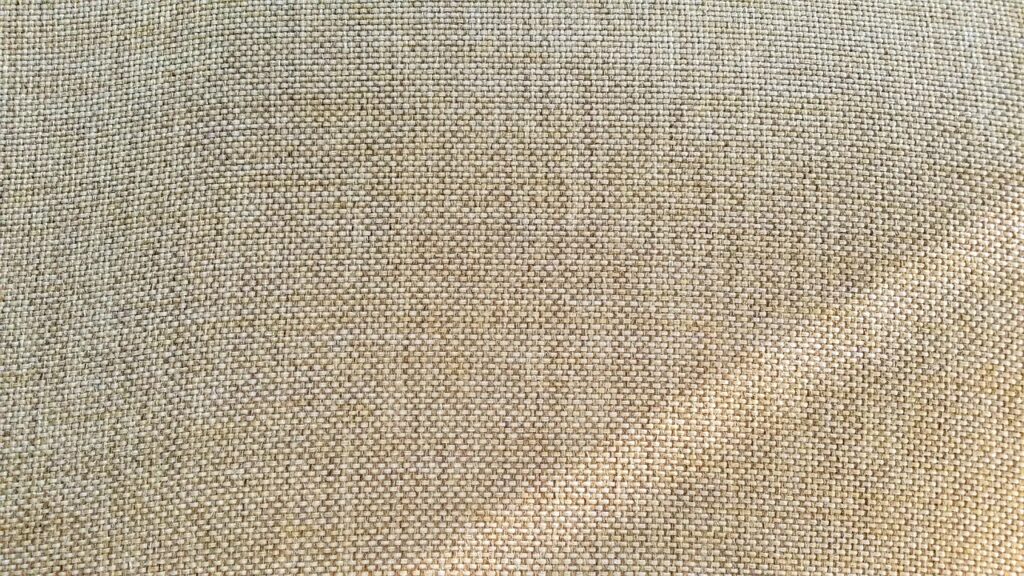
Nonwoven fabric has a felt-like or sheet-like surface. Since the fibers run in many directions, the fabric can form many small paths for water. Woven fabric usually has a more regular grid. That grid can give high tensile strength, but the openings may be too large for some weed-control jobs if the fabric is light or loosely made.
Drainage and Soil Contact
Nonwoven fabric often fits planting beds, French drains, nursery floors, and gravel paths where filtration and separation are needed. It can sit around soil and stone more closely than stiff woven fabric. In soft soils, that close contact helps reduce empty spaces where sediment can move. For hardscape reinforcement, a structural woven geotextile may be the better choice. A weed mat should not be sold as a structural road product unless the data sheet supports that use.
Typical Polymer Choices
Polypropylene is common because it is light, has good strength for its weight, and resists many soil chemicals. Polyester is also used in geotextiles, especially where size stability matters. For landscape fabric, buyers often choose black polypropylene nonwoven grades. Black color helps block light, and the fabric is easy to cut during installation.
What Specifications Should You Check Before Buying?
A sample may look fine in your hand, but outdoor use depends on measured properties. Product photos are not enough for wholesale orders. Ask for a data sheet, roll dimensions, packing method, and test basis. If a supplier cannot explain the numbers, the fabric may still work, but your buying risk is higher.
Weight, Thickness, and Roll Size
Fabric weight is often shown in grams per square meter. Higher weight usually means better coverage, stronger puncture resistance, and longer service life. It can also cost more and feel less flexible, so the grade still has to match the site. Many landscape projects use lighter grades for seasonal beds and heavier grades for gravel, nursery aisles, or slopes. Roll width matters too, because wider rolls reduce seams while narrow rolls are easier for small crews to move and install.
Tensile and Puncture Resistance
Installers drag rolls across soil, walk on fabric, cut X-shaped plant holes, and push staples through it. Weak fabric tears at these points. ASTM D5035 covers breaking force and elongation testing for textile fabrics, including cut-strip testing that can apply to nonwoven textiles. In geotextile buying, ASTM D4632 for grab breaking load and ASTM D6241 for puncture resistance are also common reference points. The test name matters because it tells you how the value was measured.
UV Resistance and Service Conditions
Many landscape fabrics are designed to be covered by mulch, gravel, or soil. If rolls stay exposed for weeks during installation, UV resistance becomes more important. NRCS geotextile material specifications reference ASTM D4355 for retained strength after ultraviolet exposure. In plain trade terms, sunlight can age polymer fabric, so storage and fast covering are part of product performance.
- Ask whether the fabric is designed for covered use or exposed use.
- Check whether the supplier gives UV retained-strength data.
- Store rolls away from direct sun when possible.
- Use clean cuts and enough staples to reduce wind lift.
Where Does This Fabric Perform Best?
Nonwoven landscape fabric is useful, but it cannot fix every site by itself. It works best when the site, cover layer, and maintenance plan match each other. If fabric is put in the wrong bed, it can create extra work, especially when soil and leaf litter build up on top. Several U.S. Extension sources warn that weeds can grow in debris or mulch sitting above the fabric, so design and maintenance still matter.
Garden Beds and Shrub Borders
In shrub borders, the fabric blocks weed growth between plants and helps keep mulch separate from soil. It works best before planting or during a bed renovation. Cut holes only as large as needed for stems. Wide open circles invite weeds near plant crowns and can make the bed look untidy after one season.
Gravel Paths and Decorative Stone Areas
Under gravel, nonwoven fabric helps stop stones from sinking into soil. It also makes future stone removal cleaner. For paths, choose a heavier fabric with good puncture resistance because foot traffic and sharp stone edges add stress. If the site drains poorly, do not guess. Ask for water-flow data and use the fabric with a proper base layer.
Nursery, Orchard, and Farm Uses
Growers use weed mats and landscape fabrics to cut hand weeding around rows, containers, and high-value crops. USDA Agricultural Research Service has discussed geotextile landscape fabric as a weed-control option in fruit crops, including organic blackberry production research. For buyers, this has a direct meaning. Agriculture clients may ask for stronger rolls, longer lengths, and stable batch quality because their labor savings depend on the material holding up.
What Problems Can Happen if You Choose the Wrong Fabric?
The wrong fabric can add labor instead of saving it. Most complaints come from poor permeability, loose installation, low tear strength, or treating fabric as a one-time fix for every weed problem. That is not how job sites work. Wind, rain, roots, mulch, insects, and foot traffic all affect the final result.
Clogging From Soil and Mulch Dust
Virginia Cooperative Extension notes that geotextile weed control may last until the fabric becomes clogged with soil. Fine particles, composted mulch, and windblown dust can fill the surface pores. Once this happens, water movement may slow. Weeds can also root in the top layer. This is why clean cover material and regular surface care are worth planning from the start. See also: Coatings.
Weeds Growing Above the Fabric
UNH Extension explains that mulch or soil above landscape fabric can support weed growth. Those weeds can become hard to remove when roots grow into the fabric. So the fabric blocks weeds from below, but it does not stop every seed that lands from above. A hotel bed near a parking lot, for example, will still catch dust, leaves, and windblown seeds.
Poor Water Access for Plant Roots
Some fabrics, especially clogged or low-quality grades, may reduce water reaching plant roots. UNH Extension also warns that landscape fabric can prevent water from getting to roots in some garden conditions. For planted beds, choose permeable fabric and avoid piling thick, compacted mulch over it. Plants need air and water, not only a clean surface.
How Should You Install It for Better Results?
Good fabric can fail when installation is rushed. The roll has to lie flat, seams need overlap, and edges need firm anchoring. On windy days, two installers usually finish faster and waste less fabric. This sounds basic, but anyone who has seen a roll lift like a sail knows it is a real site issue.
Prepare Soil Before Rolling
Remove tall weeds, sharp stones, sticks, and old roots before the fabric goes down. Grade the bed so water moves away from buildings and does not sit in low spots. If irrigation is part of the job, install drip lines before fabric in most planted beds. It is much easier than trying to push tubing under a finished surface later.
Overlap Seams and Secure Edges
Overlap seams enough to avoid light gaps. Many contractors use 6 to 12 inches, depending on soil, slope, and cover material. Staple more closely at edges, curves, and slopes. Around plants, cut an X rather than a large round hole, then fold the fabric close around the stem. Leave space for growth, but do not create a weed window.
Cover With the Right Mulch Depth
UNH Extension recommends adding several inches of organic mulch over landscape cloth for better moisture, temperature, and weed control. UC and Virginia Extension materials also point out that cover depth and cleanliness matter. Too little mulch leaves the fabric open to sunlight. Too much fine mulch can clog it. For many beds, a moderate and even layer works better than a deep pile. The goal is to protect the fabric without blocking water and air movement.
What Should Importers and Distributors Ask Suppliers?
If you buy for resale, your customers expect the rolls to be consistent. One good sample does not prove repeat quality. Before placing a container order, check the fabric grade, roll length tolerance, packaging, label language, and loading plan. Small errors can become costly when the product reaches a retailer, contractor, or farm during peak season.
Test Reports and Clear Data Sheets
Ask for weight, thickness, tensile strength, elongation, puncture resistance, water flow, and UV information when available. The Food and Agriculture Organization reported in 2021 that agricultural value chains used 12.5 million tonnes of plastic products in plant and animal production in 2019. Because of this, many buyers now pay more attention to responsible use, longer service life, and waste reduction. A clear data sheet also helps you sell the product with fewer claims and fewer surprises.
Customization for Local Markets
Retail markets may need small rolls with printed labels. Contractors may need jumbo rolls, private branding, or pallet packing. Farm distributors may want heavy rolls with fewer seams. Color, weight, width, folded packing, and carton artwork can all change the final cost. Do not choose only by price per roll; compare usable square meters, packaging strength, and claim rate.
Responsible Use and End-of-Life Planning
EPA public information on plastic pollution notes that plastics persist in the environment and microplastics are a growing research concern. For landscape fabric, this does not mean every project should avoid synthetic fabric. It means buyers should match fabric life to project life. They should also prevent loose fragments and remove old material properly during renovation. Cheap fabric that tears into pieces is rarely cheaper after cleanup.
FAQ
Q1: Is non woven landscape fabric better than woven fabric?
A: It depends on the job. Nonwoven fabric is often better for planting beds, gravel separation, and drainage-related uses. Woven fabric may be better where high tensile strength is the main need.
Q2: Can water pass through non woven landscape fabric?
A: Yes, quality nonwoven fabric is made to let water pass. Ask for water-flow or permittivity data if drainage is important for the project.
Q3: Should landscape fabric be covered with mulch?
A: Usually yes. Mulch or gravel protects the fabric from sunlight, improves the look of the bed, and helps with moisture and temperature control.
Q4: Will this fabric stop all weeds forever?
A: No. It reduces weed growth from below, but seeds can still land and grow in dust, soil, or mulch on top. Basic maintenance is still needed.
Q5: What should you check before a bulk order?
A: Check fabric weight, roll size, tensile strength, puncture resistance, water permeability, UV data, packing, label requirements, and whether the supplier can keep batch quality stable.