How Can You Find Reliable Fabric Factories for Global Sourcing?

How Should You Start Comparing Fabric Factories?
Reliable fabric factories are not found by opening a supplier list and choosing the lowest quote. You need a clear product target, a small group of suppliers that can be compared side by side, and a sourcing plan that connects fabric performance with order size, delivery, and risk. In textile sourcing, the cheapest mill on Monday can turn into the costly one by Friday if the color fails, the handfeel changes, or the delivery date moves.
Clear Product Scope
Start with the fabric, not the factory name. A buyer asking for “cotton fabric” will usually receive loose and mixed answers. A buyer asking for 180 gsm combed cotton single jersey, reactive dyed, 5 percent shrinkage target, OEKO-TEX request if available, and 3,000 meters per color will get a more useful quote. Put fiber, yarn count, construction, weight, finish, test needs, roll packing, and use case in one short sheet. It does not need a nice layout, but it must be complete.
Proven Mill and Garment Links
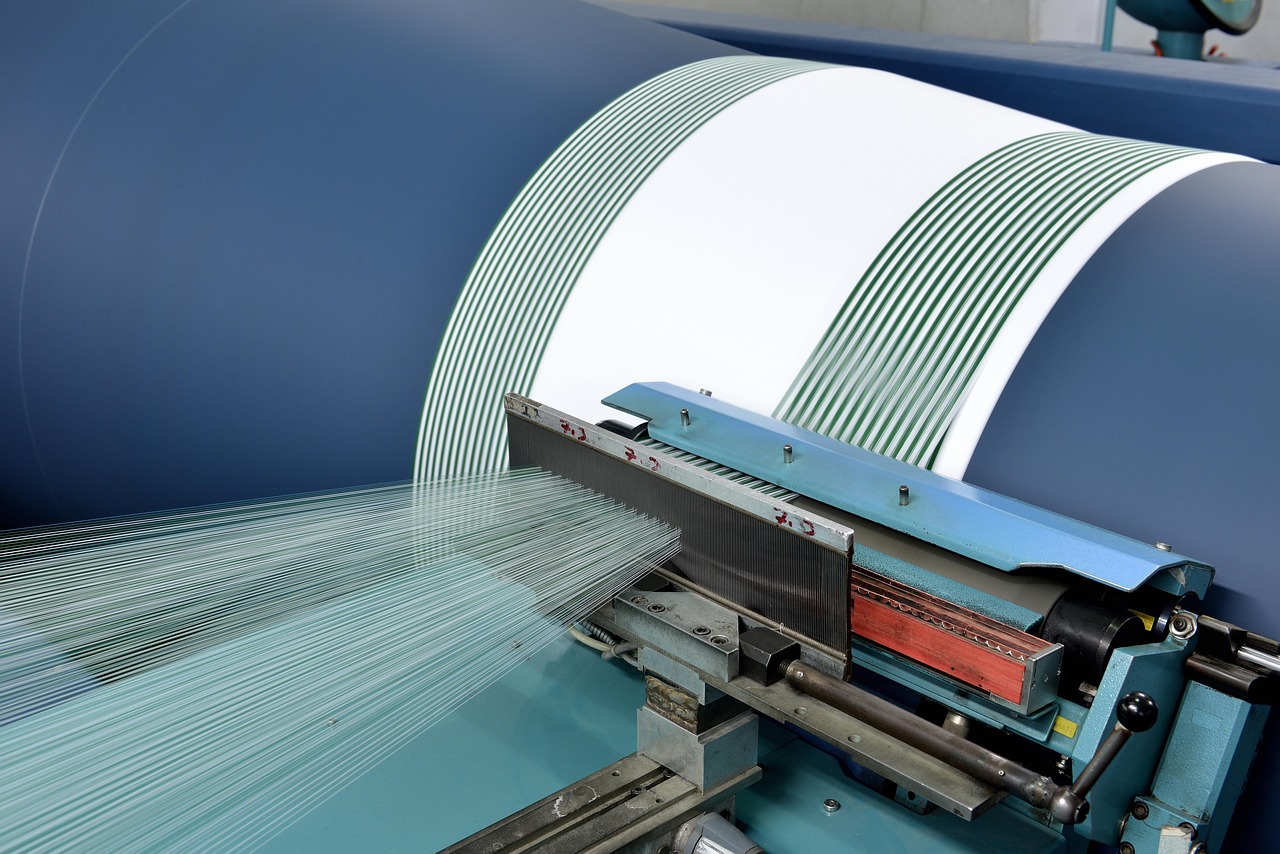
A solid fabric supplier often works inside a larger chain. Some mills only knit or weave, some also control dyeing and finishing, and some have steady links with garment factories. If you are buying fabric for export apparel, that link matters because fabric approval and garment fit sample timing can clash. Ask whether the supplier can show recent fabric-to-garment projects, not only swatch books. Swatches help, but bulk production shows what the mill can really hold.
Early Red Flags
Watch how the factory answers basic questions. Vague fiber content, no test history, unclear dye house ownership, and MOQ numbers that keep changing are early warning signs. A serious supplier may still say “no” to your target price or timeline, and that is acceptable. A direct answer is safer than a sweet quote that breaks down after deposit.
What Data Should Shape Your Factory Shortlist?
Good sourcing still needs human judgment, but public trade data gives useful background. It helps you see where capacity is deep, where buyers are already placing orders, and where cost pressure may be rising. Data should not choose the factory for you. It should stop you from making a blind bet.
Import Demand Shows Real Capacity
The U.S. International Trade Commission reported in September 2024 that U.S. apparel imports totaled $79.3 billion in 2023, with most sourced from Asia. It also noted that Bangladesh, Cambodia, India, Indonesia, and Pakistan were all top 10 U.S. suppliers and together accounted for 27.0 percent of U.S. apparel imports in 2023. For a fabric buyer, the point is clear: these countries are not small side markets. They have real order flow, but each country has its own strengths and limits. (usitc.gov)
Country Strengths Are Not the Same
Bangladesh is often strong in bulk basic garments, while India has long textile depth and detailed finishing. Indonesia is known for more complex, higher-value apparel, and Pakistan has denim and cotton strength. These are not fixed rules, but they are useful starting points. If you need fashion knit fabric with fast shade changes, your shortlist may look different from a home textile buyer who needs stable cotton sheeting.
Cost Scores Need Context
The 2025 USFIA Fashion Industry Benchmarking Study rated Bangladesh 4.5 out of 5 for sourcing cost competitiveness, while Vietnam, India, and Cambodia each scored 4.0. The same study found China remained strong in flexibility, with a 4.5 score, and noted that China is still seen as highly competitive for low MOQs and specialized workmanship. So, “low cost” and “flexible” do not always sit in the same place. This small point can save many sourcing problems later. (usfashionindustry.com)
How Do You Check Fabric Quality Before a Bulk Order?
Fabric quality is not only about soft handfeel. It is about whether the bulk fabric keeps the same performance after cutting, sewing, washing, packing, and shipping. A buyer who checks only color and price can miss the problems that show up during production.
Lab Dips and Handfeel
Lab dips are your first color gate. Compare them under the same light source your customer uses, such as D65 or TL84, and confirm tolerance before bulk dyeing. Handfeel should also be approved with a sealed reference sample. A mill may change softener to reduce cost or catch a finishing deadline. That small change can make a hoodie feel cheaper even when the weight is right.
GSM, Shrinkage, and Colorfastness Tests
Ask for test reports that match the fabric use. For casualwear, common checks include GSM, width, skewing, shrinkage after wash, pilling, rubbing colorfastness, and washing colorfastness. For childrenswear or workwear, requirements can be stricter. If the order is important, use a third-party lab or your buyer’s nominated lab. Factory internal reports are useful, but they should not be the only record for a high-risk order.
Pilot Runs Before Full Production
A pilot run is not wasted money. It is a small production rehearsal that can catch trouble before the full order starts. For example, a small dye lot can show whether a dark navy fabric bleeds, whether brushed fleece loses too much lint, or whether a rib fabric twists after wash. If the mill refuses any trial and asks for a full deposit right away, slow down. It is better to lose one week than fight over a container of rejected fabric.
Which Compliance Questions Matter Most in Textile Sourcing?
Compliance is no longer a separate file kept for the final audit. It affects customs clearance, retailer approval, brand reputation, and repeat orders. A factory that looks fine at tier 1 may still carry risk through yarn, dyeing, subcontracted embroidery, washing, or finishing.
Tier 1 Visibility Is Only the Start
The OECD reported in its garment and footwear due diligence work that tier 1 may account for only about 20 percent of the production processes involved in a finished garment, based on Remake’s 2023 estimate. That means a clean sewing factory does not prove the full supply chain is clean. For fabric sourcing, ask who spins, knits or weaves, dyes, prints, finishes, and tests. Put names and locations in the file, because those details matter when a buyer or auditor asks later. (oecd.org)
Subcontracting and Worker Risks
Unauthorized subcontracting usually appears when the price is too low or the delivery window is too tight. The OECD also flags risks such as forced labor, excessive working hours, hidden labor brokers, and weak oversight in informal or subcontracted sites. The practical step is simple: add a no-subcontracting rule unless written approval is given, then check it during production. Paper alone is not enough, especially when the schedule is under pressure.
Chemical and Wastewater Records
Dyeing and finishing carry chemical risk. Ask for restricted substance records, wastewater permits where relevant, chemical inventory, and recent test reports. If the fabric needs recycled polyester, organic cotton, or certified viscose, certification scope matters. A certificate for one company site may not cover the exact fabric, process, or transaction. This paperwork is dull, but it prevents expensive surprises. See also: Applications.
How Can You Negotiate MOQs, Lead Times, and Price?
Negotiation works better when you understand what drives the number. Fabric factories do not set MOQs only to make life hard for buyers. The number often comes from yarn purchasing, greige fabric stock, dyeing vat size, machine setup, printing screens, finishing loss, and packing labor.
MOQ Tied to Dyeing and Greige Stock
If the factory has greige fabric in stock, lower MOQ may be possible. If the yarn must be spun or the fabric needs a special construction, MOQ rises quickly. One common tactic is to keep the base fabric stable and change color or finish. Another is to group several colors into one fabric program. Do not push every line to the lowest MOQ, because factories may accept it once and then give priority to easier buyers next season.
Lead Time Set by Materials
Lead time is not only production time. It includes yarn booking, knitting or weaving, dyeing, finishing, testing, inspection, and transport to the garment factory or port. USFIA’s 2025 survey rated U.S. domestic suppliers 4.5, Mexico 4.0, and CAFTA-DR members 4.0 for short lead time to the U.S. market, mainly due to proximity. Asian suppliers can still be competitive, but ocean freight and upstream material timing must be built into the calendar. (usfashionindustry.com)
Price Built from Yield and Waste
Fabric price is more than fiber cost. Width, usable cuttable width, defect rate, shade banding, and finishing loss all affect the real cost. A slightly higher fabric price can be cheaper if it gives better cutting yield and fewer claims. Ask the factory to explain the quote line by line: yarn, knitting or weaving, dyeing, finishing, testing, packing, and local delivery. Clear costing makes price talks easier and less emotional.
What Should You Do Before Placing a Long Term Order?
Before you commit to seasonal volume, look at the supplier as a system, not as one contact person. A friendly sales rep is helpful, but stable delivery depends on machines, records, people, cash flow, and management habits.
Audit the Capacity Map
Ask for monthly capacity by fabric type, not just one large annual number. A knitting mill may be strong in jersey but weak in rib. A woven mill may run poplin well but struggle with heavy twill. Check peak season, machine list, dyeing partners, inspection process, and backup plans for power cuts, machine downtime, or dyeing delays. You do not need a heavy audit every time, but you do need proof that capacity matches your order.
Protect Specs and Samples
Keep approved lab dips, strike-offs, handfeel samples, and pre-production samples sealed and dated. Put the same reference codes on purchase orders, test requests, and inspection forms. Many disputes come from simple version confusion. Someone approved sample B, production followed sample A, and nobody noticed until the cartons were ready. It sounds basic, but it happens in real factories.
Build a Second Source
A second source is not a threat to your main factory. It is supply chain safety. WTO reporting on Bangladesh notes that in 2024 around 40 percent of Bangladeshi ready-made garment exports went to the European Union and 18 percent to the United States, and that over 200 factories were LEED-certified. That shows how strong a cluster can become, but it also explains why many buyers spread sourcing across regions, factory types, and fabric categories. (wto.org)
FAQ
Q1: How Many Fabric Factories Should You Shortlist? A: For a new program, shortlist five to eight factories, sample with three, and place a trial order with one or two. A bigger list often creates noise instead of a better choice.
Q2: What Is the Best Way to Compare Fabric Quotes? A: Compare the same specification, test standard, width, packing method, payment term, and delivery point. If one quote skips testing or uses a narrower width, it is not truly cheaper.
Q3: Should You Source Directly from Mills or Through Agents? A: Direct sourcing gives more control, but agents can help when you need small orders, mixed fabrics, or local follow-up. The better choice depends on your team, order size, and technical skill.
Q4: When Should You Pay for Third-Party Testing? A: Pay for third-party testing when fabric failure could cause claims, returns, safety issues, or retailer rejection. It is especially useful for dark colors, stretch fabrics, childrenswear, workwear, and certified materials.
Q5: Can One Factory Handle Every Fabric Type? A: Usually no. A factory that makes strong cotton knits may not be right for technical woven fabric or coated material. Build your supplier base by fabric category, not by convenience alone.