How Do You Choose Denim Manufacturers That Buyers Can Actually Trust?
Why Do the Right Denim Manufacturers Matter for Global Sourcing?
Choosing denim manufacturers can look easy when you are still at the quotation stage. You send a sketch, ask for prices, line up a few numbers, and the lowest one may look tempting. In real sourcing work, problems often start right there. Denim involves fabric weight, shrinkage, indigo shade, wash effects, hand feel, stitching strength, trims, packaging, and many small production decisions that change the garment in bulk. If you are planning jeans, jacket, skirt, or workwear styles, build a clear textile sourcing plan before talking too much about price.
Trade Data Shows Real Buying Pressure
The global apparel market is still big and active, even though many buyers are watching inventory more closely. WTO World Trade Statistics 2025 reported that world trade in goods and commercial services rose 7% in 2025 to US$34.65 trillion, with goods trade up 6%. This matters because denim suppliers are working inside a global supply chain, not in a small local workshop. Freight, duty, cotton price, and exchange rate changes can all push your landed cost up or down. (wto.org)
Fabric Choices Shape Cost and Feel
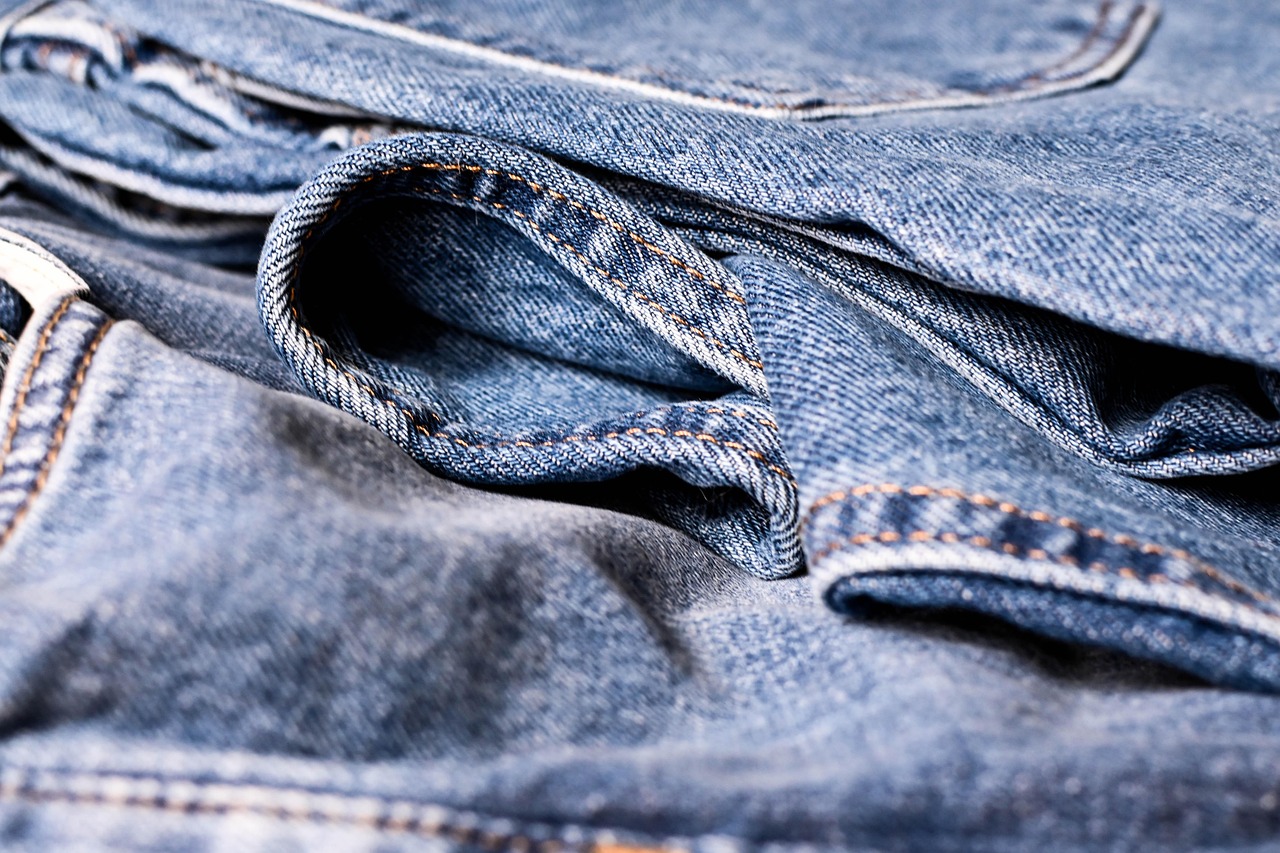
Denim is usually judged by what the customer feels with their hands and sees after wash. A 10 oz stretch denim for women’s skinny jeans will not behave like a 13.5 oz rigid fabric for vintage workwear. Textile Exchange reported in its 2025 Materials Market Report that global fiber production reached about 132 million tonnes in 2024, while cotton production for 2023/24 was about 24.5 million tonnes and represented 19% of the global fiber market. For buyers, the point is simple: cotton supply, blend selection, and certified cotton availability can change both cost and sourcing choices. (textileexchange.org)
Factory Fit Beats Factory Size
A large factory is not always the right factory for your order. A supplier making 200,000 basic five-pocket jeans per month may not want a 600-piece order with three washes and contrast embroidery. A smaller factory may handle special washes better, but it may need more time for sampling and wash approval. Ask what the factory makes every week, not what it says it can make in a polished catalog photo.
What Should You Check Before Shortlisting Denim Manufacturers?
Shortlisting should take some time at the beginning. That is normal buying work, not a delay. Careful screening can save weeks later, especially when a sales sample looks fine but bulk production shows another story. Your first job is to see whether the supplier’s normal production matches your product, market, and risk level.
Product Range Matching Your Line
Ask for recent production examples in the same category as your order. If you sell men’s rigid jeans, do not judge a factory only by soft stretch denim samples. If you sell fashion jackets, check collar shape, placket control, sleeve setting, pocket symmetry, and wash consistency. A denim manufacturer that already makes your garment type will usually need fewer corrections and fewer late-night emails.
Mill and Laundry Control
Denim quality depends on the fabric mill and the laundry, not only the sewing line. The sewing floor may look clean, while the wash plant can still cause shade bands, leg twist, poor grinding, or weak seams after enzyme wash. Ask whether the factory owns its laundry, works with a partner laundry, or sends garments to different wash units by order. Also ask for shrinkage data before and after wash, because a 2 cm inseam change can turn into a return issue if the size chart is tight.
Sampling Discipline and Clear Records
A reliable supplier keeps sample comments, wash recipes, fabric lot numbers, trim cards, and measurement reports. The paperwork is plain, but it prevents confusion when bulk production starts. When a salesman says “same as approved sample,” ask which approved sample, which date, and which wash standard. Keep one sealed sample in your office and one at the factory. It is old-school, but it still works.
How Can You Compare Quality, Compliance, and Lead Time?
Price is only one line in the comparison sheet. A cheaper quote can cost more if the factory misses the delivery window, uses the wrong pocketing, or fails a buyer audit. Use the same questions and the same documents for each supplier. Otherwise, you are not comparing suppliers; you are comparing mixed information.
Quality Built Into Daily Production
For denim, quality control should start before final inspection. Check fabric inspection, marker control, cutting panel numbering, inline measurement, needle detection where needed, and wash shade grouping. A good factory may talk about AQL, but it should also explain how it stops defects early. Ask for photos from real production lines, not only showroom photos. A little dust on the floor is not the main problem. Weak process control is.
Responsible Chemical and Wastewater Practice
Denim washing may use dyes, enzymes, softeners, resins, neutralizers, and finishing agents. ZDHC Wastewater Guidelines Version 2.2 provide harmonized wastewater and sludge parameters, limit values, and test methods for the apparel, textile, and footwear supply chain. If a supplier offers heavy wash effects, ask how wastewater is tested, how chemicals are stored, and whether the latest test reports are available. This is not just for compliance files; it also tells you whether the laundry is managed with basic discipline. (zdhc.org)
Lead Time With Honest Bottlenecks
A normal denim order may go through fabric booking, lab dips, fit samples, wash trials, pre-production samples, bulk cutting, sewing, washing, finishing, inspection, and packing. If a factory promises a very fast schedule, ask which step has been shortened or skipped. Many delays come from fabric greige booking, wash approval, or trim arrival. A real 60-day plan is often safer than a nice-looking 35-day promise.
Which Sourcing Model Works Best for Your Denim Program?
Your sourcing model depends on order size, product skills, language support, and how much daily follow-up your team can handle. There is no single route that works for every buyer. A startup brand, a workwear distributor, and a private-label retailer usually need different support. Pick the model that fits your team’s actual workload.
Direct Factory Sourcing
Direct sourcing can give you clearer visibility and faster technical discussion. You talk with the people making the jeans, not only with someone in the middle. It works best when you have clear tech packs, steady quantities, and someone who can check fit, wash, and packaging details. The downside is the follow-up work, because you may need to chase fabric status, comments, shipping documents, and payment terms by yourself.
Trading Company Support
A trading company can help when your order includes several products, small quantities, or mixed factories. A good partner can turn design language into factory language and keep an eye on deadlines. The risk is that you may know less about the actual production site. Ask for factory names, audit status, and where washing happens. If the answer is unclear, keep asking.
Hybrid Sourcing for Risk Control
Many buyers use a hybrid method because real orders are not always neat. You may work directly with a denim manufacturer for core jeans and use a sourcing partner for jackets, skirts, or special washes. This keeps your main program steady while leaving space for new development. It also helps when one factory is strong in sewing but weak in embroidery or garment dye. It may not look tidy on paper, but it works in many buying offices. See also: Applications.
How Should You Start a Denim Order Without Expensive Mistakes?
The first order should test the relationship, not only the product. A factory can make one good sample and still have trouble controlling bulk production. Treat the first purchase like a controlled trial. Keep the size range manageable, limit wash colors, and write down every decision.
A Tech Pack That Removes Guesswork
Your tech pack should include flat sketches, fabric composition, target weight, stretch and recovery needs, trim details, stitch color, measurement points, tolerance, wash reference, label placement, packing method, and carton requirements. Do not write “regular fit” and expect the factory to know exactly what you mean. A regular fit in Los Angeles, Hamburg, and Guangzhou may not have the same shape. Clear notes reduce arguments later.
A Small Trial Order With Real Washes
A trial order should use the real fabric, real wash, real trims, and real packing. If you test only a clean rinse wash, you still have not tested a complex whisker and hand-sand finish. For a new supplier, keep the first run simple enough to judge properly. One fabric, two washes, and three core sizes can teach you more than a scattered order with ten colorways.
A Scorecard for Long Term Decisions
After shipment, score the supplier while the details are still fresh. Include sample speed, comment accuracy, bulk measurements, shade consistency, defect rate, packing accuracy, document speed, and communication. OTEXA, under the U.S. International Trade Administration, maintains textile and apparel import data with long historical coverage, which is useful for seeing how sourcing markets shift over time. Your own supplier scorecard still matters more for the next order, because it shows what happened to your actual shipment. (trade.gov)
What Makes a Denim Supplier Safer for Long Term Buying?
A long term supplier should help protect your product, calendar, and brand name. That means stable capacity, traceable materials, fair labor controls, chemical care, and straight communication when something goes wrong. Denim has too many small steps for blind trust. You need a supplier that can keep control when the order moves from sample room to bulk floor.
Traceable Materials and Practical Certificates
Ask for certificates that match the claim in the quotation. If the quote says organic cotton, recycled cotton, or Better Cotton, request transaction records or scope certificates where they are needed. Textile Exchange reported that 34% of global cotton production came from certified sources in 2024, so certified cotton is available, but it is not automatic. You still need paperwork tied to your fabric lot, not a random certificate from last year. (textileexchange.org)
Due Diligence Beyond a Checklist
Compliance is not only a factory audit file stored in a folder. The OECD says its Due Diligence Guidance for Responsible Supply Chains in the Garment and Footwear Sector is the only government-backed responsible business conduct guidance for this sector and has been adopted by 50 governments. For sourcing teams, the practical question is how risks are found, fixed, and checked again. A certificate is useful, but it does not replace daily control. (oecd.org)
Communication That Sounds Real
Good suppliers do not say yes to everything. They tell you when a wash effect may weaken fabric, when a delivery date is tight, or when a trim choice may bleed color. That answer may sound less pleasant than “no problem,” but it is usually more useful. In denim, a supplier who tells the truth early can save the season.
FAQ
Q1: How Many Denim Manufacturers Should You Compare Before Ordering? A: Compare at least three qualified suppliers for the same product type, fabric, wash level, quantity, and delivery window. Too many quotes can slow decisions, but one quote gives you no market reference.
Q2: What Is a Good MOQ for Custom Denim? A: MOQ depends on fabric, wash, trims, and factory setup. Basic stock fabric may allow lower quantities, while custom woven fabric, special indigo shade, or branded hardware usually needs a higher MOQ.
Q3: Should You Choose the Lowest Denim Quote? A: Not automatically. A low quote may exclude testing, better fabric, wash control, or proper packing. Compare landed cost, defect risk, and delivery reliability, not only FOB price.
Q4: What Documents Should You Ask From a Denim Supplier? A: Ask for business license details, factory profile, audit or compliance records, fabric test reports, shrinkage reports, trim cards, sample comments, packing list format, and recent shipment references where possible.
Q5: How Do You Know If a Denim Manufacturer Is Good for Your Brand? A: Check whether the supplier already makes similar products, communicates clearly, controls wash quality, keeps records, and accepts a small but real trial order before larger production.