How Do You Choose Sun Protective Fabric by the Yard for Outdoor Products?
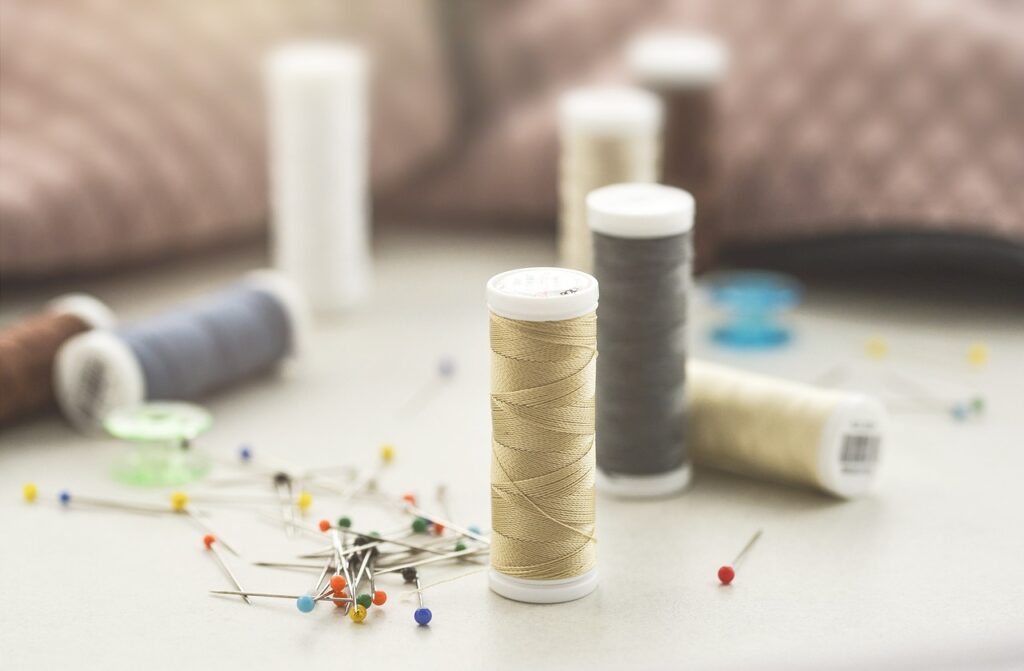
Why Is Sun Protective Fabric by the Yard a Smart Choice for Outdoor Products?
When you buy sun protective fabric by the yard, you get better control over style, cutting, color matching, and product testing than when you buy finished blanks. For brands, sewing shops, outdoor gear makers, and private-label buyers, yardage lets you make rash guards, fishing shirts, kids’ swim sets, beach cover-ups, neck gaiters, caps, shade panels, and many other textile products from the same base material. If you are checking different end uses across textile categories, the Applications section is a useful place to start.
This fabric category matters for one clear reason: sun exposure is not only a beach problem. It affects construction crews, lifeguards, sailors, golfers, hikers, children at summer camp, and people who stay outside for long hours. A good UPF fabric does not replace shade or sunscreen on exposed skin, but it can help reduce UV reach on covered areas. Because of that, fabric choice is a product safety point, not just a color or price point.
Flexible Yardage for Custom Cutting
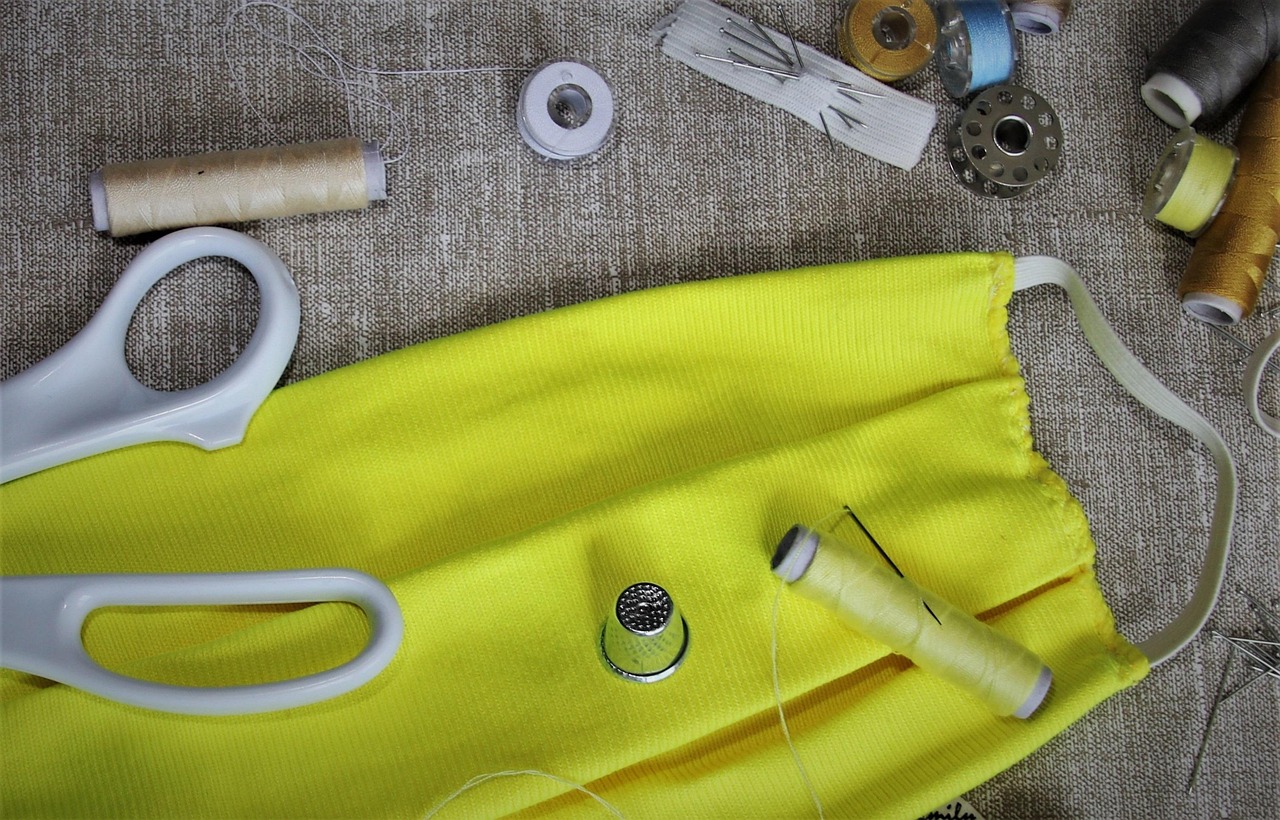
Yardage works well when your product line changes often. A resort buyer may need the same navy UPF knit for adult rash guards, kids’ tops, and matching hoods. A promotional brand may cut neck sleeves, arm sleeves, and fishing masks from one roll. Buying by the yard lets you test patterns first, then increase the order for the styles that sell, without locking every order into one finished garment style.
UPF Coverage for Daily Outdoor Use
The Skin Cancer Foundation states that UPF 50 fabric blocks 98 percent of UV radiation and allows about 2 percent to pass through, based on its sun-protective clothing guidance accessed in July 2026. That number is easy for buyers and customers to understand, but the claim should still be backed by testing and proper fabric care. For export and retail orders, keep the report on file before you print UPF language on labels, hangtags, or product pages. (skincancer.org)
Better Control for Brand Programs
Buying fabric by the yard helps you manage fabric hand, stretch, print placement, and packaging claims. It also helps when a customer wants the same protective material across several seasons. This may sound like a small detail, but buyers notice when a reorder feels different from the first delivery. Stable fabric quality saves many difficult emails later.
What UPF Rating Should You Look For?
UPF means Ultraviolet Protection Factor. It measures how much UVA and UVB radiation can pass through fabric to the skin. In daily sourcing work, most outdoor brands choose UPF 50 or UPF 50+ when products are sold for sun protection. Lower ratings may still help, but high-exposure products need stronger protection language and better test support.
UPF 50 for High-Exposure Products
For swimwear, surf tops, fishing shirts, cycling sleeves, travel hoodies, and children’s outdoor apparel, UPF 50 is usually the safer commercial target. It gives your sales page a clear claim and matches what many consumers already search for. If the item covers shoulders, back, arms, or neck, this rating becomes more important. Those areas often stay in direct sun for hours, especially in swim, fishing, and travel use.
Fabric Density and Color Effects
Dense construction usually helps UV blocking because there are fewer open spaces for light to pass through. Darker colors can also absorb more UV than pale shades in many fabrics, but color alone is not proof. A white lightweight knit and a black lightweight knit may feel almost the same in the hand, yet the test results can be different. Do not judge protection by appearance. Ask for the report and check whether it matches the fabric you are buying.
Lab Testing Before Product Claims
If your label says UPF 50, the fabric should have a test report for the finished state you plan to sell. Printing, stretching, washing, wet use, and finishing can all affect performance. A fabric that tests well as a flat swatch may act differently after repeated laundering or when stretched over the shoulder of a tight rash guard. This is why claims should be checked before bulk cutting, not after the goods are packed.
Which Fiber and Construction Details Matter Most?
The right sun protective fabric by the yard depends on the final product. A beach umbrella panel needs a different hand than a kids’ swim shirt. A hiking hoodie needs breathability and low weight. A fishing sleeve needs stretch recovery and a cool touch. Do not stop at the UPF number; check how the fabric works during cutting, sewing, wearing, and washing.
Polyester and Nylon for Outdoor Durability
Polyester is common for UPF apparel because it supports sublimation printing, dries quickly, and keeps shape well. Nylon often gives a smooth hand and is widely used for swim and activewear. Both can be used in protective fabrics, but the final result depends on yarn, knit structure, dyeing, and finish. The fiber name by itself does not tell you enough. Ask for sample yardage and compare it after wash and wear testing.
Spandex Blends for Stretch Products
Spandex helps rash guards, leggings, sleeves, and fitted tops move with the body. The concern is stretch. When fabric stretches, small gaps may open, and UV transmission may change. If your garment fits tight, ask whether the UPF test covers stretched conditions or only the relaxed fabric. It is not an exciting question, but it can prevent an expensive claim problem.
Wovens, Knits, and Coated Options
Knits are a good fit for apparel because they move well and feel soft on the body. Wovens work for shirts, hats, shade cloth, and structured outdoor goods. Coated or laminated fabrics can work for awnings and shade panels, but they may feel too stiff for clothing. Match the construction to the use. A fabric that works well for a canopy may be uncomfortable as a shirt in humid weather. This is a common issue when buyers choose only by UPF rating and price.
How Should You Plan Yardage for Real Production?
Buying fabric by the yard looks simple on a sample card, but production brings many small details. Width, shrinkage, roll length, color lot, cutting layout, defect allowance, and reorder timing all affect cost. A lower price can turn into a higher real cost if the fabric wastes 12 percent on the cutting table or fails after wash testing.
Sampling Before Bulk Cutting
Always make a real sample before ordering bulk yardage. Sew the actual seam, add the zipper or binding, print the logo, wash the sample, and test fit if the garment stretches. For example, a 58-inch wide knit may look enough at first, but a sleeve-heavy pattern can still leave waste in odd places. Your marker will show the real usage faster than a spreadsheet. This step also helps you find sewing or shrinkage issues early.
Marker Planning and Width Checks
Fabric width should be checked by usable width, not only by full edge-to-edge width. Selvedge, curling edges, or coating marks can reduce what your cutter can use. If a cap panel uses 0.42 yard in one marker and 0.48 yard in another because of width changes, that small gap matters on a 3,000-piece order. Yardage planning is not flashy work, but it protects margin. It also gives your customer a clearer landed cost before the order is placed.
Color Lots and Repeat Orders
Sun protective products often sell in seasonal colors: white, navy, black, aqua, coral, sand, and neon accents. If you plan repeat orders, ask how color lots are controlled. Keep an approved cutting from the first order. For prints, keep strike-offs. For solids, keep lab dips and bulk swatches. Your customer may not notice a small shade shift online, but a retail buyer will notice it under store lights. See also: Coatings.
How Do Standards and Public Health Data Shape Fabric Choices?
Sun protective textiles sit between apparel design and health-related claims. That is why public data and test standards matter. They help you explain why the fabric category exists, why UPF language should be used with care, and why buyers should not treat every tight knit as a protective textile without proof.
Public Health Risk Behind UV Protection
The World Health Organization states in its ultraviolet radiation fact sheet that skin cancers are caused primarily by exposure to UV radiation from the sun or artificial sources, and it also reports that around 10 percent of cataract blindness may be linked to UVR exposure. This gives sun protective apparel a serious public-health background, not just a summer fashion angle. For buyers, it is a reminder to use tested fabric and clear wording instead of loose claims. (who.int)
Melanoma Data from Global Research
In a 2025 release using 2022 global cancer data, the International Agency for Research on Cancer reported that more than 80 percent of cutaneous melanoma cases worldwide were attributable to ultraviolet radiation exposure. The business takeaway is not that fabric removes every risk. The better takeaway is that covered skin needs reliable material, clear labeling, and honest care instructions. This matters more when the product is sold for children, travel, fishing, or other long outdoor use. (iarc.who.int)
UV Index Context for Buyers
The U.S. Environmental Protection Agency describes UV Index levels of 3 to 7 as moderate to high and 8 or above as very high to extreme, based on its UV Index scale updated in 2026. For buyers selling in Florida, California, Australia, the Middle East, Southeast Asia, or high-altitude travel markets, this context helps explain why lightweight sun-protective apparel can sell beyond beach season. It also supports year-round planning for travel, workwear, fishing, school, and resort programs. (epa.gov)
What Should You Ask a Supplier Before Buying?
A supplier conversation should cover more than price per yard. Ask about test reports, roll quality, after-wash performance, colorfastness, stretch recovery, packing, and delivery. A good supplier should answer in plain terms. If a claim cannot be supported by a reliable report, treat that claim as unverified and do not place it on your product page.
Test Reports and Care Conditions
ASTM D6603 is a guide for labeling UV-protective textiles, and ASTM notes that AATCC Test Method 183 is used to determine UPF values for relevant specimens. In sourcing terms, ask which test method was used, whether the report applies to the exact fabric, and whether laundering or special care changed the result. Also check the report date, fabric code, color, and composition before you approve bulk purchase. (store.astm.org)
Hand Feel and Breathability
A protective fabric still has to feel wearable. Ask for GSM, width, stretch direction, recovery, moisture behavior, and surface feel. For a fishing shirt, a cool dry hand may matter more than heavy compression. For kids’ swimwear, softness around the neck seam can reduce returns. Protection gets the buyer interested, but comfort keeps the product in use.
MOQ, Lead Time, and Packing Details
Minimum order quantity affects testing and launch risk. If you are new to a style, start with sample yardage or a smaller trial order when possible. Confirm roll length, carton weight, inner polybag needs, shade banding rules, and lead time before deposit. For export orders, ask for fabric composition details and care label wording early, not after goods are ready. These small checks can save time when the forwarder, warehouse, or retail customer asks for documents.
FAQ
Q1: Is Sun Protective Fabric by the Yard the Same as Regular Swim Fabric? A: Not always. Some swim fabrics have strong UV blocking, but a real sun protective fabric should have a UPF test report that matches the fabric you plan to buy.
Q2: Is UPF 50 Enough for Outdoor Apparel? A: UPF 50 is widely used for high-exposure apparel because it blocks about 98 percent of UV radiation when properly tested. Covered skin still needs sensible sun habits, especially during high UV hours.
Q3: Can Printing Reduce the UPF Rating? A: It can, depending on ink, coverage, fabric stretch, and process. Full-coverage prints may act differently from small logos. Test the printed fabric if the UPF claim appears on the final product.
Q4: How Much Fabric Should You Order for Sampling? A: Order enough to sew real samples, test trims, check shrinkage, and run a small wash trial. The exact amount depends on width, pattern size, and how many colors or sizes you need.
Q5: What Is the Safest Way to Compare Suppliers? A: Compare the same data from each supplier: composition, GSM, width, UPF report, colorfastness, stretch, lead time, MOQ, and bulk roll quality. A low price without clear testing can become the most expensive option.