Geofabric Roll vs Gravel Alone Which Works Better for Roads and Drainage?
Why Does a Geofabric Roll Matter More Than It Looks?
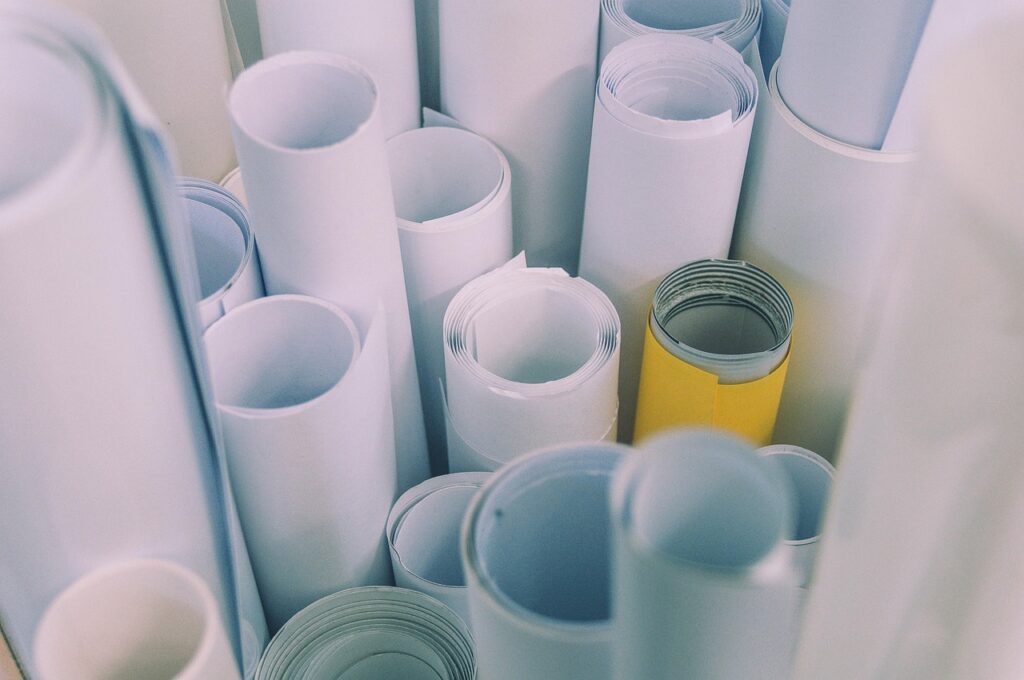
A geofabric roll may look like a plain sheet when it arrives on site, but it often decides whether a road base, drainage trench, or slope cover keeps working after rain, loading, and repeated truck movement. For more textile application ideas, you can also visit the Huashi Digital Applications page when checking where this fabric may fit your project.
The fabric works at the contact line between two materials: soil on one side, and aggregate, water, or cover material on the other. The Federal Highway Administration lists separation, reinforcement, filtration, and drainage as key geosynthetic functions in transportation, with common use between subgrade and aggregate base, under ballast, and in drainage layers. The same FHWA guidance also gives a cost example from earlier projects where geosynthetic material cost far less than the full pavement section. That is a useful point for buyers: the fabric is thin, but its effect on the whole layer can be large. (fhwa.dot.gov)
Separation Keeps Layers Clean
When aggregate is placed straight over clay, silt, or soft fill, the layers can mix under load. A geofabric roll gives a physical separator between them. Clean stone stays cleaner, and the soil below is less likely to pump up into the base. This matters on farm roads, temporary access pads, parking lots, and container yard edges where trucks turn slowly and load one small area.
Filtration Lets Water Move
Good geofabric is not a plastic tarp. Water should pass through it, while fine soil is held back. In a French drain, retaining wall drain, or roadside trench, this balance keeps water moving and helps stop the stone voids from filling with mud. If the fabric opening is too large, soil can move through it. If it is too tight, water flow can slow and pressure may build behind the layer.
Reinforcement Reduces Rutting Pressure
A fabric roll will not turn poor ground into a bridge, but it can add tensile support and help spread load across a wider area. On weak subgrade, the change is often clear after several wet weeks. Gravel alone can sink, shift, and form ruts. Gravel placed over a suitable geofabric roll usually holds a flatter surface, especially when the crew avoids wrinkles and covers the fabric before heavy traffic starts.
Which Type of Geofabric Roll Should You Choose?
The right choice depends on the work. Buyers sometimes ask for one fabric to cover every job, but roads, drains, slopes, and landscape areas need different performance. Start with the main function first. Then check strength, opening size, roll dimensions, and packaging before placing the order.
Woven Fabric for Strength
Woven geofabric is often used when tensile strength and separation are the main concerns. It is common under roads, driveways, construction entrances, and working platforms. The surface is usually flatter and tighter than nonwoven fabric. That helps it resist stretching while aggregate is placed, but it may not be the best option where the project needs higher water flow through the fabric.
Nonwoven Fabric for Filtration and Cushioning
Nonwoven geofabric has a felt-like structure. It is widely used in drainage, stone wrapping, erosion control layers, and protection work. Water can pass through it in more than one direction, and thicker grades can cushion geomembranes, pipes, or sharp stone edges. In muddy drainage jobs, a heavier nonwoven fabric is often a safer choice than a very light sheet that may tear during backfill.
Composite Options for Demanding Layers
Some sites need more than one function from the same layer. A geofabric may be combined with a grid, net, or other geosynthetic layer when reinforcement, filtration, and drainage need to work together. The Geosynthetic Institute public specification list has separate documents for nonwoven protection materials, separation between subgrade soil and aggregate, geotextile tubes, and related drainage products. That list is a good reminder that one generic roll name is not enough for serious procurement. (geosynthetic-institute.org)
How Do Specifications Turn a Roll Into a Reliable Material?
A product name only gives part of the picture. A useful specification explains how the fabric should perform in soil, water, transport, and installation. For export orders, this step matters even more because replacing the wrong roll after customs clearance takes time and causes site delays. No buyer wants to explain a wrong fabric shipment to a project manager after the work has started.
AOS Matches Fabric Openings to Soil
AOS means apparent opening size. ASTM D4751-20 describes a test method for the apparent opening size of geotextiles and explains that AOS reflects the approximate largest opening dimension available for soil to pass through. In simple terms, it helps match the fabric opening to the soil type. Sandy soil, silty soil, and clayey soil do not act the same way, so one AOS value is not right for every site. (store.astm.org)
Weight and Strength Match Installation Stress
Fabric weight, grab tensile strength, puncture resistance, and elongation give a practical view of handling performance. A light roll may be fine for landscape separation under small stone, but it can fail under angular aggregate or heavy equipment. A stronger roll costs more per square meter, but it can reduce patches, extra overlaps, and rework. Most jobsites are not gentle with fabric, so this part should not be checked only by price.
Roll Width and Length Affect Site Waste
Common roll widths are usually chosen around road lane width, trench width, container loading, and site handling limits. A narrow roll is easier to lift by hand, but it creates more seams. A wide roll covers ground faster, but it needs better lifting equipment and careful alignment. Before ordering, compare the drawing width, overlap allowance, roll length, and pallet height. A little calculation at this stage can prevent a stack of half-used rolls later.
Where Does Geofabric Roll Perform Best in Real Projects?
Geofabric roll works best where soil, water, and aggregate meet. It is not only for road construction. It can be used in drainage, erosion control, retaining walls, rail support layers, landscaping, ponds, and temporary works. The best value usually shows up where a failure would be dirty, slow, or expensive to repair.
Roads and Temporary Access Pads
In road bases, the fabric separates subgrade from stone. The U.S. Geological Survey describes crushed stone as a major basic raw material used by construction and other industries. That point matters because aggregate is not just cheap filler; it is an engineered layer that carries load. If soil contamination weakens that layer, the project loses both performance and money. (usgs.gov)
Drainage Trenches and Retaining Walls
For trench drains and wall backfill, the fabric wraps the stone and helps stop fines from entering the voids. The fabric should have enough slack to cover corners without tearing. At the top of a wrapped drain, overlap the fabric before placing soil. If the overlap faces the wrong direction, backfill can push dirt into the stone pocket, and the drain may turn into a muddy tube.
Erosion Control Slopes and Shorelines
On slopes, channels, and shoreline edges, geofabric can sit under riprap, gravel, or erosion control mats. The U.S. EPA states that construction stormwater can pick up sediment, debris, and chemicals, and that Clean Water Act permit coverage is required for construction activity disturbing one acre or more, or smaller areas that are part of a larger common plan reaching that threshold. For this reason, erosion fabric selection is often linked to site compliance, not only to how the finished area looks. A poor fabric choice can also make repair work harder after the first heavy storm. (epa.gov) See also: Coatings.
How Should You Install a Geofabric Roll Without Costly Mistakes?
Even a good roll can fail if the site work is rushed. Most problems are basic: sharp stones under the fabric, weak overlaps, exposed fabric, wrinkles, direct truck traffic, or backfill dropped from too high. Installation does not need special tricks. It needs clean preparation and steady site control.
Prepare a Smooth Subgrade
Remove roots, sharp debris, and large rocks before unrolling the fabric. Fill deep ruts if the fabric would otherwise bridge over them. On soft ground, work from the edge and roll forward instead of dragging the material through mud. A smooth base reduces punctures and helps the fabric lie flat. If the soil is very wet, the crew may need a thicker nonwoven grade or a woven fabric with higher puncture resistance.
Overlap and Anchor Each Seam
Overlap width depends on soil strength, slope, water flow, and project rules. Weak soil usually needs a wider overlap than firm ground. On slopes or windy sites, pin the fabric before placing aggregate. Keep seams facing away from expected water flow when possible. If two rolls meet at a curve, trim the fabric instead of forcing a wrinkle. Wrinkles create high spots, and high spots catch equipment.
Cover Fabric Before Heavy Traffic
Do not let trucks drive directly on exposed geofabric unless the project specification allows it. Place aggregate from the front edge and push it forward with light equipment where possible. Avoid hard braking and tight turns on the first lift. After the first cover layer is in place, the system becomes much stronger. Before that, the fabric is carrying stress with very little protection.
What Should Buyers Check Before Ordering for Export Projects?
For international buyers, the fabric has to match the drawing and also survive transport. A roll may pass factory inspection but still arrive damaged if packaging is weak, labels are unclear, or loading is careless. Good procurement is part engineering and part logistics. Both sides need to be checked before the deposit is paid.
Product Data That Matches the Drawing
Ask for a technical data sheet showing material type, mass per unit area, tensile strength, elongation, puncture resistance, water flow or permittivity, AOS, roll width, and roll length. If the project references ASTM, ISO, AASHTO, or a local highway standard, the data sheet should use the same test language. Similar numbers from different test methods are not always equal. This is especially important when a buyer compares offers from several suppliers.
Packaging That Survives Transport
A geofabric roll should be wrapped to protect it from UV exposure, dust, and moisture during storage and shipping. Export labels should show product grade, roll size, batch number, and quantity. For container loading, heavy rolls need strong cores and stable stacking. If the roll edge is crushed, the first few meters can be hard to install cleanly, and the crew may cut away usable material.
Clear Communication With the Supplier
Send the application, soil type if available, aggregate size, expected load, drainage need, and any required standard. A short project note can stop the wrong fabric from being selected. If reliable public data is not available for a special claim, such as a promised service life under an uncommon chemical condition, treat that claim carefully. Ask for project-specific testing instead of accepting a sales sentence as proof.
FAQ
Q1: What Is a Geofabric Roll Used for? A: It is used to separate soil and aggregate, filter water, support drainage, protect slopes, and improve road base performance when matched to the project conditions.
Q2: Is Woven or Nonwoven Geofabric Better? A: Woven fabric is often better for strength and separation under roads. Nonwoven fabric is often better for drainage, filtration, and cushioning. The soil and water conditions decide the better choice.
Q3: Can You Put Gravel Directly on Soil Without Geofabric? A: You can, but soft or fine-grained soil may mix with the gravel over time. A suitable geofabric roll helps keep the gravel layer cleaner and more stable.
Q4: How Much Overlap Does Geofabric Need? A: It depends on soil strength, slope, and project rules. Weak soil, water flow, or steep ground usually needs wider overlap than firm, flat ground.
Q5: What Should Be Checked Before Buying a Geofabric Roll? A: Check fabric type, AOS, strength, weight, water flow, puncture resistance, roll size, packaging, labels, and the test standards required by the project drawing.