Which Waterproof Fabric for Jackets Works Best in Real Rain?
Choosing waterproof fabric for jackets can look easy when a sample hangs well in the showroom. The problem often shows up later, when rain, backpack straps, sleeve movement, or washing exposes a weak shoulder seam or a poor coating. For jacket buyers, water beading on the face fabric is only one small check. You also need to see how the base cloth, coating, membrane, finish, seam sealing, and test method work together.
A jacket shell works as a small system. The face fabric takes rubbing and daily wear. The coating or film stops water from passing through. The durable water repellent finish helps rain run off before the outer fabric wets out. Lining, print, seam tape, and even a tight cuff seam can change the final wearing feel. So the right choice is not one special material. It is the fabric package that matches your price level, weather, end use, and compliance needs.
What Makes Waterproof Fabric for Jackets Work in Real Rain?
Rainwear fabric has to do two things at the same time. It needs to block outside water, but it should not feel like a plastic cover when the wearer walks fast, rides a bike, or waits in wet weather. This balance starts with the fabric structure under the coating.
The Base Fabric Gives Strength
Most jacket shells use polyester or nylon woven fabric because both fibers can make light, tight, and steady cloth. Polyester is common for promotional rainwear, school jackets, and many outdoor shells because it controls shrinkage well and keeps cost in line. Nylon often gives a softer handfeel and better tear strength at a lower fabric weight. That is why it is often used for hiking shells and packable jackets.
The Coating or Laminate Blocks Water
A PU coating, TPU film, or laminated membrane is the main water barrier in the fabric. A simple PU coating can work well for value rain jackets and workwear, while a breathable film is a better fit when the wearer may sweat, such as cycling, trekking, or ski outer shells. Coating thickness is important, but adding more coating is not always the answer. If the coating is too heavy, the fabric can become stiff, noisy, and harder for the factory to sew.
The Finish Helps Rain Bead and Roll
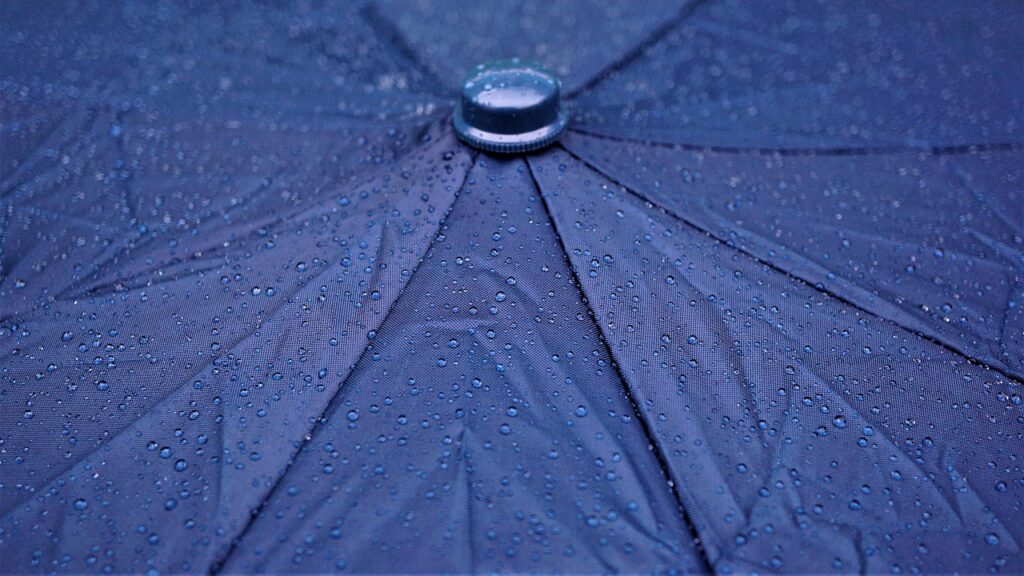
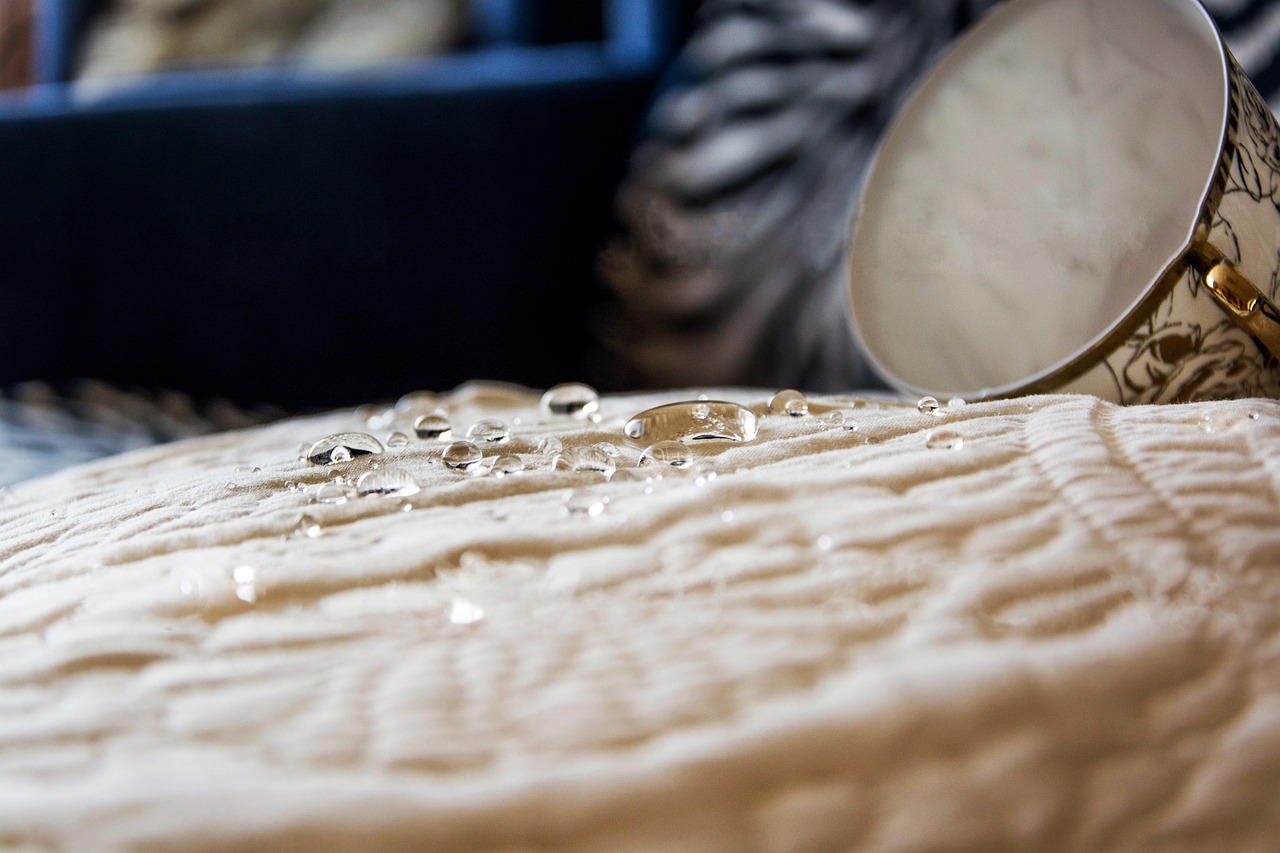
The face finish, often called DWR, makes water droplets stay on the fabric surface and roll away. This matters in sample review because many buyers still spray water on the fabric first. Even so, beading is not the same as waterproofing. If the coating fails, a good-looking bead test cannot protect the jacket. If the DWR wears off, the fabric may still resist water, but the outer side can wet out and make the jacket feel colder and less breathable.
Which Test Numbers Should You Ask for Before Ordering?
Clear specs help avoid loose claims. Ask for the test method, unit, wash condition, and sampling position. A number without the method does not say much. Also, do not compare two suppliers if one tests fabric before washing and the other tests after five home-laundry cycles.
Hydrostatic Pressure Shows Water Entry Resistance
ISO 811:2018 describes a hydrostatic pressure method for checking a fabric’s resistance to water penetration. AATCC TM127-2017(2018)e also measures resistance to water under hydrostatic pressure and notes that results depend on fiber repellency, yarns, and fabric construction. In buying work, the water column number tells you how much water pressure the fabric can take before leakage starts. A city rain jacket may use a lower target than a mountain shell, but the pass line should come from your buyer manual or brand standard, not from a rough guess. Sources: ISO 811:2018 and AATCC TM127-2017(2018)e.
Air Permeability Helps Explain Comfort
ASTM D737-18(2023) covers air permeability testing for textile fabrics and states that air permeability can indicate the breathability of weather-resistant, rainproof, and coated fabrics. This point is useful because coating and calendaring can reduce airflow. If you require a very tight waterproof layer, comfort may drop unless the fabric uses a breathable film or the garment design adds vents. Source: ASTM International D737-18(2023).
Wash Testing Reveals Finish Durability
Ask whether water repellency was tested before washing, after washing, and after tumble drying if that care route matches the label. A fabric may bead well in the showroom and still lose the surface effect after repeated laundering. For export orders, write down the wash standard, detergent type, drying condition, and rating scale. These details feel small during sampling, but they often prevent disputes after shipment.
Which Coating Choice Fits Your Jacket Line?
The right coating depends on who will wear the jacket and where it will be used. A delivery rider, a school child, and a ski-tour customer do not need the same fabric. Start with the use case first, then choose the coating route.
PU Coating for Volume Rainwear
PU coating is a practical choice for basic waterproof jackets, ponchos, uniform outerwear, and many mid-price rain shells. It can be made with different handfeels, from soft to firm, and it works well on polyester taffeta, pongee, oxford, and taslon. If the garment needs printed logos or bright colors, PU coated polyester often gives a direct production route. It also makes cost checking easier for bulk programs.
TPU or PU Film for Breathable Shells
Film lamination suits jackets that need water resistance and moisture vapor movement at the same time. A two-layer fabric may use a separate lining, while a 2.5-layer fabric can cut weight with a protective print on the inner side. A three-layer fabric bonds face, membrane, and backing into one stable package. For hiking and snow jackets, three-layer constructions usually feel more technical and handle abrasion better, but they cost more and need proper seam tape matching.
DWR Chemistry for Surface Repellency
PFAS chemistry has been used in water-repellent textiles because it resists water, oil, heat, and chemicals. Rules and buyer policies are now changing that choice. The European Commission’s public PFAS information, accessed in July 2026, states that PFAS are highly persistent and used in water-repellent textiles, and it also points to safer alternatives for consumer textiles and footwear. For jacket programs sold into Europe or careful retail channels, ask suppliers for the exact repellency chemistry, test reports, and restricted substance documents. Source: European Commission PFAS pollution page.
How Do Fiber and Construction Change Performance?
Coating gets a lot of attention, but the grey fabric still decides many final results. Yarn size, weave, density, heat setting, and pretreatment all affect coating hold, tear strength, color shade, and handfeel.
Polyester for Stable, Scalable Shells
Polyester is the largest fiber group in the global textile market. Textile Exchange reported that global fiber production reached 124 million tonnes in 2023, with polyester accounting for 57% of total fiber production. This scale is one reason polyester waterproof jacket fabrics are easy to source in many weights, textures, and colors. It also gives buyers more mill options and helps keep lead times under control. Source: Textile Exchange Materials Market Report 2024, published September 26, 2024.
Nylon for Tough, Soft Handfeel
Nylon can be a good choice when you need a smooth touch, stronger tear performance, and a more technical feel. Many outdoor shells use nylon ripstop or taslan-like textures because they feel less plain than basic taffeta. The tradeoff is cost and dye control. Some nylon lots show shade variation more clearly, so lab dips and bulk shade bands need closer checking. See also: Applications.
Woven Density Controls Leakage Paths
A tighter weave gives the coating a better base to sit on. Loose yarn gaps can become weak points when pressure builds at shoulders, elbows, and seat areas. Ripstop grids help control tearing, but the grid yarn can also affect coating evenness. For lightweight packable jackets, test both fabric weight and tear strength. A jacket that packs into a pocket is useful, but not if the sleeve tears near the seam after a few weekends.
What Should Buyers Check Before Bulk Production?
Before bulk cutting, treat the approved fabric as a promise that still needs checking. One lab report from a clean black sample does not cover every color, coating batch, and finishing condition.
Sample Testing from Each Color
Dark colors, neon shades, and printed shells can behave differently because dyeing and finishing conditions are not always the same. Request test data for key colors, not only the easiest shade. If the jacket line includes white, black, and fluorescent yellow, do not assume one report covers all three. It is safer to test the colors that carry the highest risk.
Seam Sealing and Garment Design
Fabric waterproofing alone does not make the whole jacket waterproof. Needle holes need seam tape or another sealing method. Curved seams, pocket flaps, zippers, drawcord exits, and hood seams are common leakage points. On entry-price jackets, a simple storm flap can sometimes improve real rain performance more than a higher fabric number.
Clear Specs for Claims and Care
Put every claim into a written spec before bulk production. If the hangtag says waterproof and breathable, the factory needs clear targets that can be tested. If the care label allows washing, test after washing. If the jacket is for children, workwear, or uniforms, add the related chemical and safety requirements early.
- Confirm fabric composition, weight, width, and coating type.
- Record hydrostatic pressure method and target.
- Check water repellency before and after washing.
- Match seam tape to coating or membrane chemistry.
- Keep one sealed approval sample from the same bulk route.
How Can Sustainability Shape Your Waterproof Fabric Choice?
Sustainability is no longer just a catalog sentence. It affects retailer approval, material selection, waste risk, and customer trust after sale. For waterproof fabrics, the hard part is balancing durability, chemistry, recyclability, and price.
Longer Wear Reduces Waste Pressure
The U.S. EPA reported that textile generation in municipal solid waste was 17 million tons in 2018, with 11.3 million tons landfilled and a 14.7% recycling rate for all textiles. A jacket that lasts longer, keeps its coating stable, and remains wearable after care can reduce replacement pressure. The buying point is simple: durability is part of sustainability, not only a quality item. Source: U.S. EPA Textiles: Material-Specific Data, last updated March 19, 2026.
Recycled Inputs Need Clear Proof
Recycled polyester can reduce reliance on virgin fossil-based synthetics, but the documents must be clear. Textile Exchange reported that recycled polyester’s market share fell from 13.6% to 12.5% in 2023, even though production slightly increased. It also reported that less than 1% of the global fiber market came from recycled textiles. For jackets, ask for chain-of-custody documents and confirm whether recycled content comes from bottles or textile waste. Source: Textile Exchange Materials Market Report 2024.
Safer Finishes Support Future Sales
For water-repellent finishes, ask about C0, PFAS-free, and other lower-risk options, but do not rely on a label word alone. Request chemical declarations, restricted substance test reports, and wash-durability data. A finish that passes only at the fabric stage may still have issues after printing, lamination, or garment washing. In export business, the safer sample is the one tested in the same condition as the finished jacket.
FAQ
Q1: What Is the Best Waterproof Fabric for Jackets? A: The best choice depends on the jacket use. PU coated polyester suits value rainwear, while laminated breathable fabrics suit outdoor and performance shells.
Q2: Is Water-Repellent Fabric the Same as Waterproof Fabric? A: No. Water-repellent fabric makes droplets bead on the surface. Waterproof fabric needs a barrier layer and test data showing resistance to water penetration.
Q3: Which Test Should You Ask for First? A: Ask for hydrostatic pressure data with the exact method, such as ISO 811 or AATCC TM127. Then add air permeability, wash durability, and repellency tests as needed.
Q4: Does a Higher Waterproof Number Always Mean a Better Jacket? A: Not always. A higher number may improve water resistance, but it can also affect softness, weight, sewing, and comfort. Match the number to the end use.
Q5: Why Does a Waterproof Jacket Still Leak Sometimes? A: Leakage often comes from seams, zippers, pockets, worn DWR, poor seam tape, or damaged coating. Test the full garment when the claim covers the whole jacket.