Is Polyester Textile Still the Best Choice for Global Fabric Buyers?
What Makes Polyester Textile So Useful for Modern Buyers?
If you buy garments, home goods, or technical fabrics, polyester textile is hard to leave out of the discussion. It often sits in the middle of many Materials decisions because it offers strength, steady pricing, easy care, and room for different fabric designs. A swatch may look simple on the table, but the fiber choice behind it can affect shrinkage, drying time, color result, and even claims after delivery.
Strong Fibers with Stable Shape
Polyester is widely used because the fiber holds its shape after regular wear and washing. For uniforms, jackets, curtains, bags, and linings, this is not a small detail, because these items are handled and cleaned many times. The fabric resists stretching, wrinkling, and many types of rubbing better than many common natural fibers. Public textile references such as ScienceDirect describe polyester fabrics as strong, stiff, wrinkle resistant, and quick drying, while also noting their low water uptake.
Fast-Drying Comfort in Daily Use
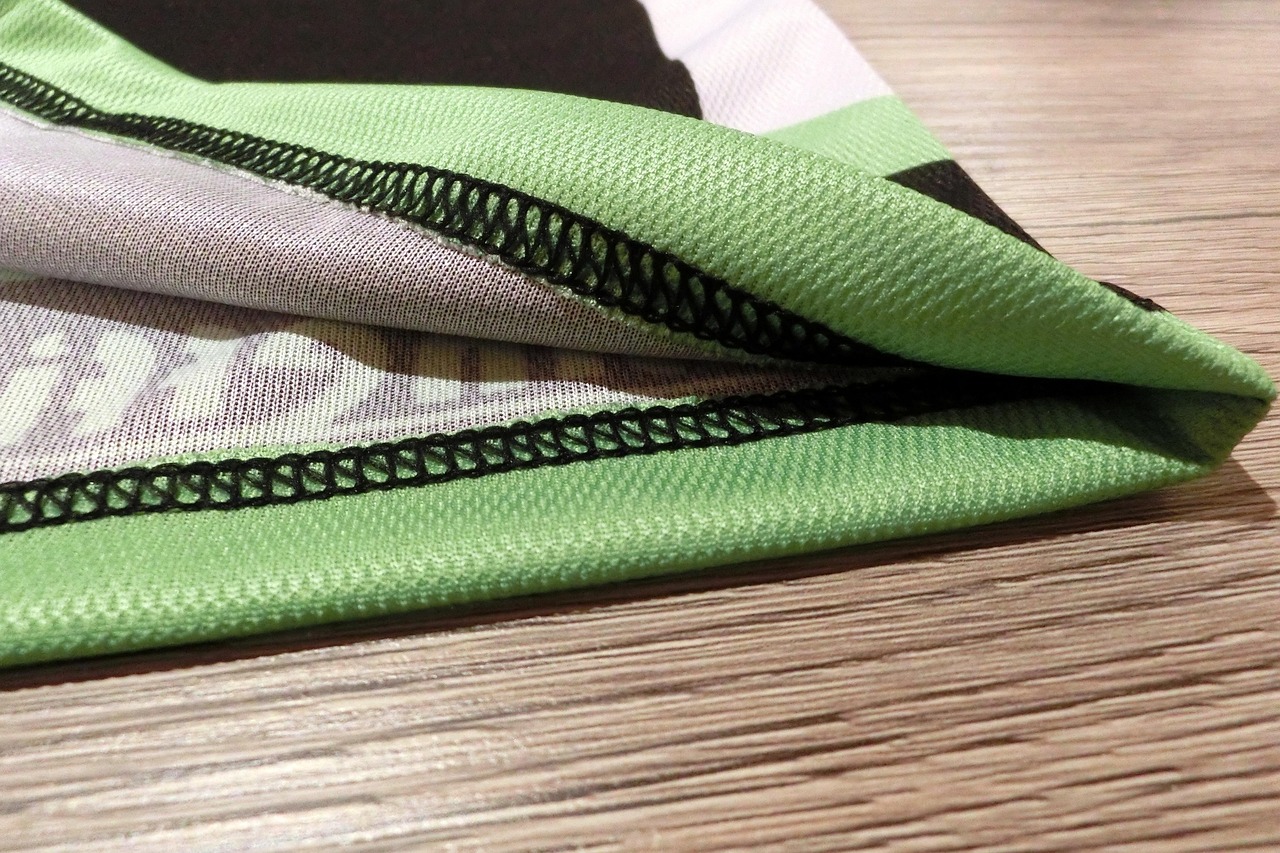
Polyester does not take much moisture into the fiber itself. This can be a problem for next-to-skin comfort if the fabric is made poorly, but it becomes useful when the yarn structure and finishing are chosen with care. In sports shirts, travel trousers, rainwear linings, and hotel shower curtains, fast drying can cut care time and help products stay presentable for longer. A wet loading dock is not the place anyone puts in a brochure, but that is often where this benefit becomes easy to understand.
Wide Options for Fabric Engineering
You can buy polyester as filament yarn, staple fiber, microfiber, textured yarn, recycled yarn, or blended yarn. Each option changes the touch, drape, opacity, strength, and price, so the same fiber name can lead to very different fabrics. A 75D filament fabric can feel smooth and light, while a spun polyester fabric can look more like cotton. With weaving, knitting, coating, brushing, embossing, printing, and heat setting, polyester can meet many briefs without moving to another fiber family.
Why Is Polyester Textile So Dominant in Global Fiber Production?
Polyester did not become the top fiber by chance. Mills can make it in large volume, brands can buy it with clear specs, and end users get products that are easy to wash and dry. For export buyers, that scale usually means faster sampling, more color options, and more mills to compare.
2024 Production Data from Textile Exchange
Textile Exchange reported in its Materials Market Report 2025 that global fiber production reached about 132 million tonnes in 2024. Polyester was the largest fiber category, with 59% of total global fiber output, or around 78 million tonnes. The same report said total fiber production has more than doubled since 2000. For buyers, the point is simple: polyester is the biggest textile fiber supply stream in the market, not a side option.
Cost and Capacity Across Global Supply Chains
Large production capacity is one reason polyester is common in export orders. The fiber is widely spun, woven, knitted, dyed, and finished across Asia and other textile regions, so buyers can usually find several supply routes. This does not mean every polyester fabric is cheap or basic. Fine denier yarns, cationic dye effects, waterproof coatings, recycled content, and high fastness dyeing can all increase the price. Even so, the base supply chain is wide, which helps buyers compare offers and avoid depending on one mill only.
Consistent Quality for Large Orders
Polyester is also used because repeat quality is easier to manage. Natural fibers can change with crop, staple length, weather, and harvest conditions, while polyester starts from controlled polymer production. Because of that, yarn specs can often be kept within a tighter range. For large programs such as workwear, schoolwear, promotional bags, or chain-store home textiles, stable lot-to-lot color and hand feel can save time, claims, and difficult emails after shipment.
How Does Polyester Compare with Cotton, Nylon, and Blends?
No fiber is right for every order. The better question is not whether polyester is good or bad, but whether it fits the product you are making. Comfort, look, durability, care, price, and sustainability all need to be checked together.
Polyester vs Cotton for Care and Durability
Cotton feels familiar, breathable, and soft, especially in casual shirts and bedding. Polyester gives better wrinkle recovery, faster drying, and stronger shape retention, which is why it is often used where easy care matters. Polyester-cotton blends are common in uniforms, shirts, medical textiles, and hotel products. A 65/35 polyester-cotton blend, for example, often looks cleaner after washing than pure cotton while still keeping part of the cotton-like touch.
Polyester vs Nylon for Strength and Hand Feel
Nylon is often selected for high abrasion uses such as bags, outdoor gear, umbrellas, and certain industrial textiles. In some fabric constructions it can feel softer and tougher, but it may cost more and can act differently in dyeing and heat setting. Polyester usually offers better dimensional stability and broad color options at a lower price level. For many apparel and home textile programs, that balance is enough to meet the order target.
Polyester Blends for Balanced Performance
Blends often do the job better than a single fiber. Polyester with cotton improves wash-and-wear care, while polyester with viscose can improve drape for fashion fabrics. Polyester with spandex adds stretch for leggings, sportswear, and fitted uniforms. Before choosing any blend, ask for the exact fiber ratio, yarn type, fabric weight, and finishing method, because a label that says polyester blend is not enough for serious sourcing.
Which Polyester Fabric Types Should You Choose?
The right polyester fabric depends on end use. A soft T-shirt, a blackout curtain, a hotel tablecloth, and a conveyor fabric may all use polyester, but they should not be specified in the same way. Start with how the product will be used, then choose the fabric structure.
Woven Polyester for Shirts and Uniforms
Woven polyester fabrics give stable dimensions, clear printing, and a tidy surface. Plain weave, twill, satin, and dobby structures can be used for shirts, linings, uniforms, flags, bags, and decorative textiles. If the product needs a firm hand and low shrinkage, woven polyester is often a safe starting point. For uniforms, it is also worth checking pilling, seam strength, and colorfastness to washing before bulk approval.
Knitted Polyester for Activewear and Casualwear
Knitted polyester is common in sportswear, polo shirts, mesh panels, fleece, and casual tops. The knit structure gives stretch and movement even when elastane is not used. Textured filament yarns can add bulk and softness, while mesh structures help air flow. For next-to-skin use, ask the mill about wicking finish, anti-pilling finish, and fabric recovery after repeated wash cycles.
Technical Polyester for Home and Industrial Use
Polyester also appears in curtains, mattress ticking, upholstery backings, filter media, geotextiles, automotive textiles, and coated fabrics. These products need more than a pleasant hand feel, because the fabric may have to meet clear working requirements. You may need flame-retardant performance, UV resistance, hydrostatic pressure, tear strength, or coating adhesion. Put these test items in the purchase brief early, since adding them after bulk fabric is dyed can be costly and painful for both sides. See also: Applications.
What Quality Details Should You Check Before Ordering?
A polyester order can still go wrong even when the fiber choice is right. Most issues come from unclear specs, weak testing, or different ideas about hand feel. A purchase sheet should work like a production document, not like a style note.
Yarn Count and Fabric Weight
Start with yarn specification, construction, width, and GSM. For woven fabrics, list denier or yarn count, density, weave, and finished width, so the mill and buyer are working from the same details. For knits, list yarn type, gauge if relevant, GSM, and stretch direction. A 10 GSM gap may look small on paper, but on a light lining or sports mesh it can change drape, opacity, and cost.
Colorfastness and Shrinkage Testing
Ask for test methods before bulk production starts. Common checks include colorfastness to washing, rubbing, perspiration, light, and sometimes chlorine or sublimation. For shrinkage, state the wash method, temperature, drying method, and acceptable tolerance. International buyers often refer to ISO or AATCC methods, while strength can be tested with standards such as ASTM or ISO tensile methods. The exact method matters because different tests can give different numbers.
Finishing, Coating, and Hand Feel
Finishing can change the full product result. Softener may improve touch but hurt wicking, while a waterproof coating may improve rain resistance but reduce breathability. Brushing can add warmth, yet it can also raise pilling risk if the yarn and finishing are not matched. For coated polyester, check coating weight, adhesion, hydrostatic pressure, and ageing after folding. For apparel, seal the approved hand sample and keep it for shade and touch comparison.
Is Polyester Textile Sustainable Enough for Future Sourcing?
Polyester has clear practical strengths, but the sustainability questions are real. The answer is mixed. Buyers can make better choices with recycled content, longer-life design, better washing guidance, and cleaner finishing, but polyester is still mainly linked to fossil-based feedstocks.
Recycled Polyester Progress and Limits
Textile Exchange reported that recycled polyester production increased to about 9.3 million tonnes in 2024, but its share of polyester fell slightly to 12%. The same report said 98% of recycled polyester still came mainly from plastic bottles, not old textiles. It also said less than 1% of the global fiber market came from pre- and post-consumer recycled textiles. So recycled polyester has value for sourcing, but it is not yet a full circular solution.
Microfiber Risks During Use and Washing
The European Environment Agency has reported that 200,000 to 500,000 tonnes of microplastics from textiles enter the global marine environment each year. Its 2021 briefing also noted that synthetic textiles make up about 60% of clothing and 70% of household textiles in Europe. For buyers, this means microfiber control should be part of product design, not something left until the end. Tighter yarns, better fabric construction, less aggressive brushing, and longer garment life can all help reduce shedding risk.
Longer Product Life as a Practical Goal
The Ellen MacArthur Foundation reported in 2017 that less than 1% of material used to produce clothing was recycled into new clothing. That figure is still often quoted because textile-to-textile recycling remains difficult at scale. A practical route is to design polyester products that last longer, wash well, and stay useful after many wears. It is not a perfect answer, but in real sourcing meetings, durability is often the sustainability step buyers can act on first.
FAQ
Q1: Is Polyester Textile Good for Clothing? A: Yes, polyester textile works well for sportswear, uniforms, jackets, linings, and travel clothing. For better comfort, choose the right yarn, fabric structure, and moisture-management finish.
Q2: Does Polyester Shrink After Washing? A: Polyester usually has low shrinkage compared with many natural fibers, but fabric construction and finishing still matter. Always confirm shrinkage with a stated wash test before bulk approval.
Q3: Is Recycled Polyester the Same as Virgin Polyester? A: It can offer similar performance when yarn quality is well controlled. You should still check strength, shade consistency, certification, and whether the recycled feedstock is bottle-based or textile-based.
Q4: What Is the Best Polyester Fabric for Activewear? A: Knitted polyester with textured yarn, good recovery, and a wicking finish is a common choice. If stretch is needed, polyester-spandex blends are often better than 100% polyester.
Q5: How Should You Check Polyester Fabric Quality Before Importing? A: Review GSM, width, yarn type, construction, colorfastness, shrinkage, pilling, hand feel, and finishing performance. Keep an approved sample and use clear test standards in the purchase contract.