Is Polyester Fabric Material the Best Choice for Your Textile Products?
Why Does Polyester Fabric Material Matter in Global Textiles?
When you buy apparel, home goods, bags, flags, linings, or printed textiles, polyester fabric material will come up often. It is used in many everyday textile materials because it gives buyers a workable mix of cost, strength, color choice, and supply. Textile Exchange reported in its Materials Market Report 2024 that global fiber production reached 124 million tonnes in 2023, and polyester accounted for 57% of total fiber production. For buyers, the point is simple: even when the main fabric is a natural fiber, polyester may still appear in blends, trims, labels, and performance fabrics. (textileexchange.org)
A Dominant Fiber in Trade
Polyester is used so much because mills can make it as filament yarn, staple fiber, textured yarn, or microfiber. This gives fabric suppliers room to develop light sports jerseys, strong oxford bags, smooth linings, and brushed home textiles without changing the whole supply chain. For buyers handling different product lines, that saves time during sourcing.
Stable Supply for Large Orders
For export projects, a good first sample is not enough. Bulk lots also need steady color, hand feel, width, and finish. Polyester gives factories a more controlled route for bulk dyeing, printing, heat setting, and finishing, so it is often used in uniforms, promotional fabrics, curtains, and seasonal retail programs.
Clear Fit for Many End Uses
Polyester is not the answer for every product, but it covers many normal buying needs. You can use crisp woven fabric when the product needs shape, interlock knit when comfort matters, pongee for jackets, or peach skin when a softer touch is needed. In daily sourcing work, it is more like a fabric toolbox than one single fabric. The key is to match the construction to the final use.
What Makes Polyester Fabric Material Perform So Well?
Polyester performs well because its fiber properties match many real product requirements. Buyers usually look at shape retention, drying speed, color brightness, shrinkage control, and easy care. If a fabric still looks tidy after packing, shipping, washing, and shop display, it reduces complaints later.
Strength, Shape, and Abrasion Resistance
Polyester has good tensile strength and keeps its shape better than many plant-based fibers. In simple use, a polyester tote, lining, or sports top is less likely to stretch out badly after normal wear. For workwear trims, backpack panels, and similar parts, that difference can be important.
Low Moisture Absorption and Fast Drying
Polyester absorbs much less moisture than cotton, so it dries faster after washing or sweating. That is why it is common in activewear, outdoor shells, hotel shower curtains, and quick-dry travel clothing. The weak point can be breathability, so the yarn, fabric structure, and finish still need to be chosen with care.
Finish Options for Better Hand Feel
Basic polyester can feel too slick or a bit plastic if the finishing is poor. Brushing, sanding, wicking finish, anti-static finish, softener, or mechanical stretch can make the fabric feel more suitable for the product. Buyers should also check the feel after washing, not only on the first hand sample. A low-cost softener may feel good at first, but the effect can drop after a few washes.
Which Polyester Fabric Construction Fits Your Product?
The word polyester only tells you the fiber. The fabric construction decides much of the final hand feel, drape, opacity, stretch, and cost. Before asking for a quote, match the construction to the product instead of asking for polyester in a general way. A 75D chiffon and a 600D oxford are both polyester, but they are used for very different products.
Woven Polyester for Structure
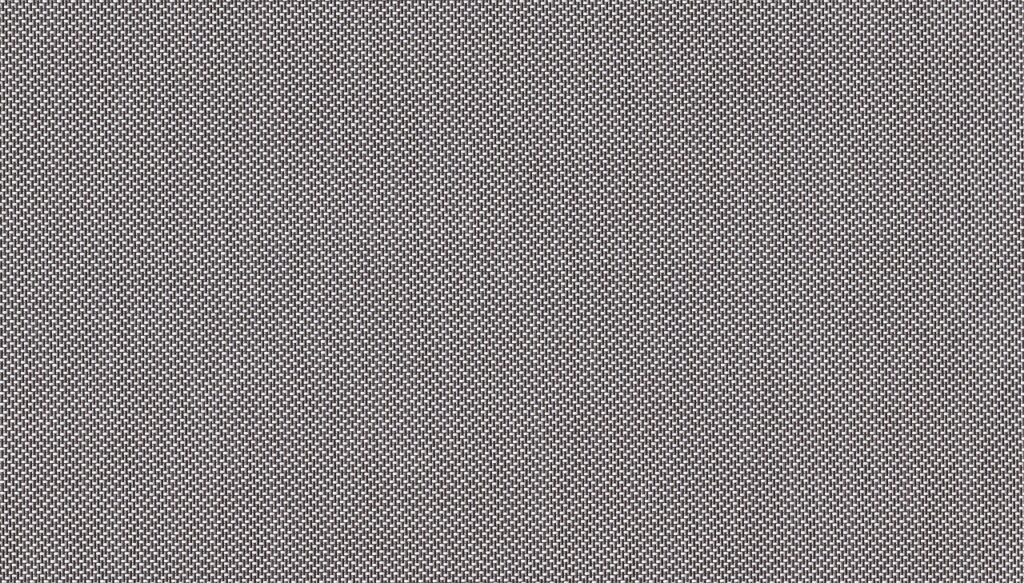
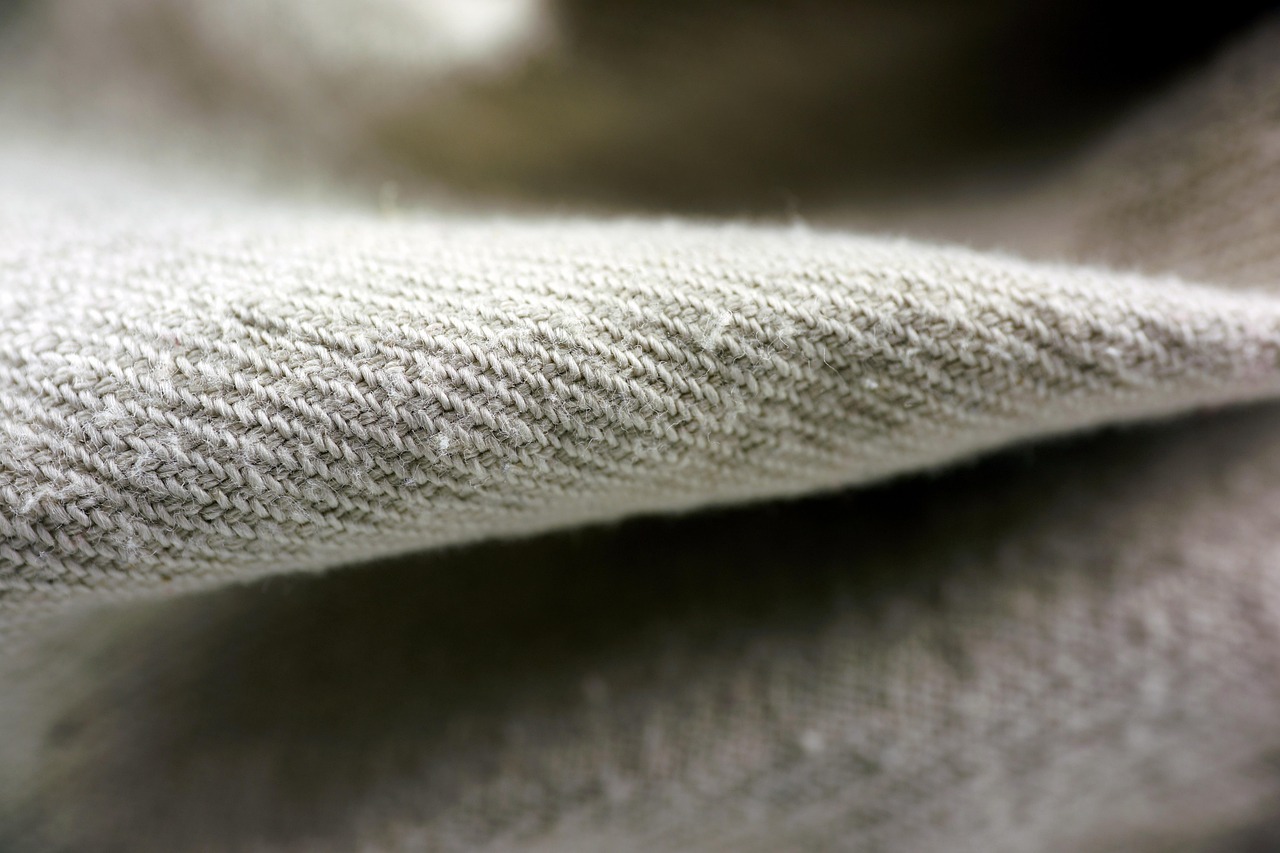
Woven polyester is common in jackets, bags, table covers, uniforms, and printed banners. Taffeta, pongee, twill, satin, and oxford each have a different surface and feel. If the product needs shape, clear print edges, and limited stretch, woven fabric is often a safer starting point. It also gives buyers many coating and finishing options.
Knitted Polyester for Stretch and Comfort
Knitted polyester works well for T-shirts, sportswear, mesh panels, leggings blends, and bedding. Single jersey feels lighter, interlock feels more stable, and mesh gives better airflow. For fitted garments, spandex is often added to improve stretch. That said, spandex can make recycling and heat control more difficult, so it should be used only when the product really needs it.
Microfiber and Brushed Fabrics for Soft Touch
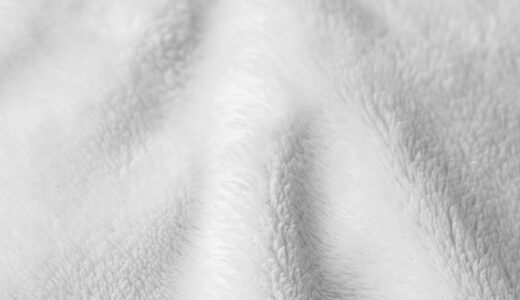
Microfiber polyester uses very fine yarns to make a dense and soft surface. Brushed polyester fleece, peach skin, and suede-like fabrics can add warmth or a gentler hand feel. These fabrics are suitable for blankets, cleaning cloths, lining, robes, and casual wear where touch can affect the buyer’s decision.
How Does Polyester Compare with Cotton and Nylon?
Material comparison should start from the product use, not from a fixed idea about which fiber is better. A cotton shirt may feel cooler in dry weather, nylon may perform better in some high-abrasion products, and polyester may be easier to control on price, color, and wash care. The European Environment Agency noted in 2026 that 60% to 70% of textiles are made of plastic, mostly polyester, which shows why this comparison comes up so often in sourcing work. (eea.europa.eu)
Polyester Versus Cotton
Cotton feels natural and absorbs moisture, so it is often chosen for casual shirts, baby items, and soft home textiles. Polyester dries faster, wrinkles less, and usually has a lower cost in large production. For many buyers, a polyester-cotton blend is a practical middle option.
Polyester Versus Nylon
Nylon can be very strong and smooth, so it is often used in premium outdoor gear, hosiery, and some luggage fabrics. Polyester usually gives better UV resistance, easier dyeing cost control, and a wider range of everyday fabric options. The final choice depends on the product, price point, and testing requirement.
Polyester Blends for Balanced Performance
Blends are useful when one fiber cannot meet all needs. Polyester with cotton can improve wrinkle recovery and drying speed. Polyester with spandex adds stretch. Polyester with viscose can give fashion fabric a softer drape. Even so, every added fiber makes sorting, testing, and claim management more complex. See also: Applications.
What Should You Check Before Buying Polyester Fabric?
A good polyester fabric order starts with a clear specification sheet. Requests such as good quality polyester fabric are too open and often lead to price gaps, sample changes, and extra emails. If you want fewer problems later, write the basic details at the beginning. It may feel slow, but it saves time during bulk production.
Specifications That Remove Guesswork
Ask for fiber content, yarn count or denier, GSM, width, weave or knit type, finish, color, shrinkage range, and packing method. For bags or outdoor products, also write down the coating type and thickness. For apparel, include hand feel, stretch, opacity, and washing requirements. These points help both sides quote the same fabric instead of guessing.
Testing That Matches Real Use
Test the fabric according to what the product will face in use. Sportswear needs colorfastness to washing and perspiration. Upholstery needs abrasion and pilling checks. Printed polyester needs rubbing checks and sublimation quality review, and if the buyer names AATCC, ISO, or another method, put that method on the purchase order.
Color Control across Production Lots
Polyester can show shade differences when yarn, dye bath, heat setting, or finish changes. Use lab dips, strike-offs, bulk swatches, and approved tolerance under a standard light source. Dark navy, black, red, and fluorescent colors need closer control because small shade changes are easy to see.
How Can You Source Polyester More Responsibly?
Responsible sourcing is no longer just a line for a catalog. Buyers now ask where recycled content comes from, how the claim is checked, and whether the fabric design supports longer product life. Public data also shows that recycling progress is still limited, so wording needs to be accurate.
Recycled Polyester Claims
The OECD 2026 paper on recycling processes reported that the market share of recycled fibers stagnated around 7.6% in 2024. It also noted that polyester had the highest recycled fiber proportion at 12%, while 98% of recycled polyester originated from plastic bottles. This means rPET can reduce virgin input, but it is usually not textile-to-textile recycling. Do not call it closed-loop textile recycling unless the supply chain can prove that claim. (oecd.org)
Circular Design Starts with Simple Choices
Design choices affect future recycling. Mono-material polyester is easier to sort than fabric with fiber blends, thick coatings, glued foam, metallic prints, or hard-to-remove trims. If recycling matters to your customer, keep the fabric structure as simple as the product allows. It also helps to record the material content clearly from the start.
Regulation and Buyer Expectations
The European Commission’s textile strategy points toward durable, repairable, recyclable products, more recycled fibers, action on microplastic release, digital product information, and extended producer responsibility. Even if you sell outside the EU, these ideas can still appear in global brand checklists and supplier questionnaires. (environment.ec.europa.eu)
FAQ
Q1: Is Polyester Fabric Material Good for Summer Clothing? A: Yes, if the fabric is light, has a breathable structure, and uses a suitable wicking finish. Mesh, bird-eye knit, and thin woven fabrics usually work better than dense and heavy polyester.
Q2: Does Polyester Fabric Shrink After Washing? A: Polyester usually shrinks less than cotton, but heat setting, fabric structure, and washing temperature still matter. Ask for shrinkage test results before bulk production.
Q3: Is Recycled Polyester Always Better Than Virgin Polyester? A: It can reduce demand for virgin fossil-based input, but the source matters. Most recycled polyester still comes from PET bottles, so avoid calling it closed-loop textile recycling unless the supply chain proves that claim.
Q4: Can Polyester Fabric Be Used for Digital Printing? A: Yes. Polyester is widely used for sublimation printing, sportswear graphics, flags, banners, and home decor prints. For better results, check fabric whiteness, coating, GSM, and heat stability.
Q5: What Is the Best Polyester Fabric for Bags? A: Oxford, twill, canvas-style polyester, and coated woven polyester are common choices. Choose the denier, coating, abrasion level, and water resistance based on the bag’s price point and daily load.