How Can You Choose the Right Cotton Manufacturer for Global Sourcing?
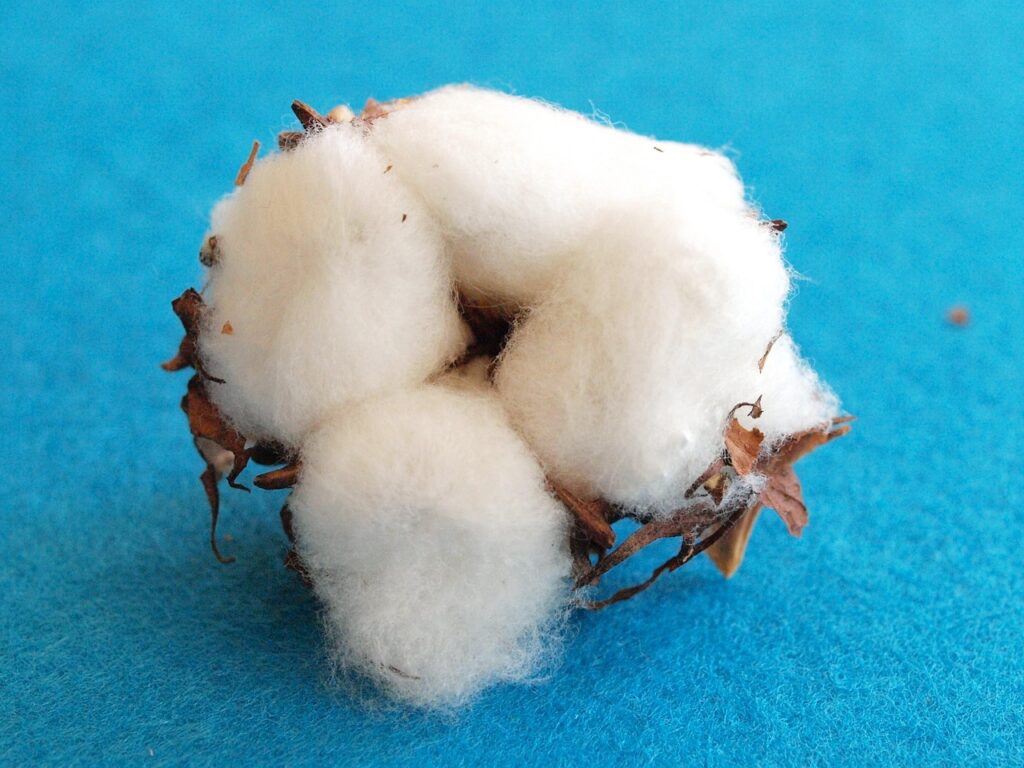
Choosing a cotton manufacturer is not only about finding the lowest price. You are paying for fiber choice, yarn, dyeing work, sewing control, documents, and whether the factory can keep the shipment date. For a wider view of textile purchasing, you can also review the Sourcing section before you build your supplier list.
The cotton market is big, but it changes. USDA Economic Research Service data updated on June 16, 2026 forecast world cotton production at 116.0 million bales for 2026/27 and mill use at about 121.8 million bales. That gap is a reminder that supply, price, and factory capacity are not fixed promises. A suitable factory helps you turn those moving parts into orders you can place again without starting from zero each time.
How Do You Define the Right Cotton Manufacturer?
Before you compare factories, be clear about what the word right means for your product. A towel mill, a circular knit garment factory, and a woven shirting supplier may all use cotton, but their machines, skills, lead times, and quality risks are not the same.
Product Category and Fabric Route
Start with the product route. If you need cotton T-shirts, the normal route may be yarn, knitting, dyeing, cutting, sewing, and packing. If you need cotton bedsheets, the route may include weaving, singeing, mercerizing, printing, finishing, and sewing. A reliable cotton manufacturer should be able to explain this flow in plain words. Ask which steps are done in-house and which steps are sent to partner workshops. Subcontracting is common in textiles, but hidden subcontracting can create quality and delivery problems.
Capacity, MOQ, and Lead Time Fit
Capacity sounds simple, but buyers often ask it in the wrong way. How many pieces per month is less useful than how many pieces of this style, in this fabric, with this number of colors, during this season. A small brand may need 500 to 2,000 pieces per color, while a retailer may need container-level output. Minimum order quantity should match your cash flow and launch plan. If the MOQ is too high, stock may sit in your warehouse. If it is too low, the unit price may make the order hard to sell.
Export Experience and Communication Rhythm
Export experience shows in daily work, not only in a company profile. A factory that handles export orders knows carton marks, fabric test reports, packing ratios, HS code discussions, and document timing. Communication rhythm also matters. You do not need a message every hour, but you do need clear answers on sampling, approvals, bulk start date, inspection date, and shipping window. If a factory replies fast before payment and then goes quiet during production, the low price is not much comfort.
Which Market Signals Should Shape Your Supplier Shortlist?
Cotton sourcing sits inside a world market. You do not have to trade cotton futures, but public data helps you ask better questions and spot weak supplier claims.
Cotton Supply and Price Movement
The USDA Economic Research Service reported in June 2026 that 2026/27 world ending stocks were projected at 71.1 million bales, the lowest level since 2018/19. The same update expected global cotton prices to rebound to around 90 cents per pound after about 80 cents in the previous two seasons. For buyers, the working point is simple. When raw material supply gets tight, suppliers may shorten quote validity, adjust fabric prices, or ask for quicker deposit decisions. Lock your fabric details early and ask how long the yarn or greige fabric quote will stay valid.
Fiber Competition and Buyer Positioning
Textile Exchange’s Materials Market Report 2025 stated that global fiber production reached about 132 million tonnes in 2024, while cotton held 19% of the global fiber market and remained the second most produced fiber after polyester. It also reported cotton volume at 24.5 million tonnes in 2023/24. This does not mean cotton is the best answer for every product. The real question is fit. Cotton works well for softness, breathability, print feel, and a natural hand. Polyester often makes more sense for quick dry products, stretch blends, and low-cost sportswear. Your manufacturer should explain why 100% cotton, cotton-spandex, cotton-poly, or combed cotton suits the end use.
Regional Mill Strength in Asia
The OECD-FAO Agricultural Outlook 2026-2035 projects global raw cotton use and production to grow by about 1.6% per year over the next decade. It also projects cotton trade to grow by 2.4% per year, driven by Asian import demand, especially in Bangladesh and Viet Nam. This background is useful when you make a supplier shortlist. A factory close to strong spinning, dyeing, and finishing clusters can often get yarn faster, fix color issues faster, and handle reorders with fewer delays.
What Quality Details Should You Check Before a Bulk Order?
Quality in cotton products is built before sewing starts. Many disputes come from loose specifications, not bad intent. A clear technical file saves time, cost, and the late-night arguments that usually happen right before shipment.
Fiber, Yarn, and Fabric Specifications
Ask for exact fabric and yarn details, then put them in the tech pack. For garments, useful specs include fiber content, yarn count, knitting gauge, GSM, fabric width, shrinkage target, colorfastness target, and finishing method. For woven goods, include yarn count, density, weave, weight, finishing, and hand feel. If the supplier says normal cotton, ask for more detail. Normal for one mill may feel rough, thin, or unstable to your customer.
Lab Dips, Strike Offs, and Shrinkage Control
Color approval should be written down and controlled by sample stages. For solid colors, request lab dips under agreed light sources. For prints, request strike offs on the correct base fabric. Shrinkage is another common risk with cotton. Cotton can shrink after washing if fabric finishing is not controlled. Set a target, such as within 3% to 5% after home laundering, only when your product and buyer standard support it. The test method should be agreed before bulk fabric starts.
Inline Inspection and Final Testing
Do not wait until final inspection to find a sewing or dyeing issue. Ask for inline checks after cutting, during sewing, and before packing. For cotton apparel, common checks include measurement, seam strength, twisting, pilling, colorfastness to washing, rubbing, and perspiration. For home textiles, add absorbency, dimensional stability, and appearance after washing where relevant. The cotton manufacturer should share real inspection photos from the line, not only clean showroom pictures.
Which Certifications Matter for Cotton Sourcing?
Certifications are not just badges for a sales page. They help support claims, reduce compliance risk, and give buyers and factories the same reference point. A certificate only helps when its scope, validity, and product coverage match your order.
GOTS for Organic Claims
For organic cotton products, Global Organic Textile Standard information states that GOTS requires certification of processing stages from certified organic fiber processing to finished product, and certified products must contain at least 70% certified organic fibers. If you plan to sell a finished garment as GOTS certified, ask for the certificate number, certified entity name, product scope, expiry date, and transaction certificate process. A fabric certificate alone may not cover the finished item. This is a detail that catches many new brands after they have already started production.
OEKO TEX for Product Safety
OEKO-TEX STANDARD 100 is a common product safety label for textiles tested for harmful substances. OEKO-TEX official material says the standard checks against more than 1,000 substances and uses stricter requirements for products with more skin contact, such as baby and direct-skin items. If your cotton product is underwear, babywear, bedding, or towels, this type of testing can support retail compliance and consumer trust. Always verify the certificate number and product class before you put the claim in your files or on your label. See also: Applications.
Certified Cotton and Chain of Custody
Textile Exchange reported in 2025 that 34% of global cotton production came from certified sources. That is a strong market signal, but certified cotton can refer to different programs and different chain-of-custody models. Ask whether the claim is physical segregation, mass balance, organic, recycled, or another preferred cotton route. Then match the answer to your label wording. Claims should be plain and exact, because unclear wording can create problems with buyers and customs checks.
How Can You Compare Price Without Choosing the Cheapest Factory?
A low quote can help, but only when it covers the same fabric, same finishing, same testing, same packing, and same delivery term. If those points are different, you are not comparing price. You are comparing guesses.
Transparent Cost Breakdown
Ask the supplier to separate fabric cost, trims, printing or embroidery, washing, sewing, packing, testing, and inland freight where possible. This does not mean every factory has to show every margin. It means you can see what is driving the quote. If one supplier is 18% cheaper, check fabric weight, yarn quality, dyeing process, and packing first. The lower quote may be based on lower GSM, fewer stitches, lighter cartons, or no third-party test.
Sampling Costs and Real Production Time
Sampling is part of controlling the order. A normal sample route may include proto sample, fit sample, size set, pre-production sample, and shipment sample. For simple cotton tote bags, the route is shorter. For washed cotton garments, the route is longer because washing changes measurement and shade. Ask for a calendar with approval points. If a supplier promises a complex custom cotton order in ten days during peak season, it may be possible, but it needs a careful check.
Incoterms, Packing, and Payment Terms
Price changes with trade terms. EXW, FOB, CIF, and DDP create different responsibilities and cost lines. Packing also changes cost. Retail polybags, barcode stickers, carton strength, moisture control, and pallet rules all matter. Payment terms should fit the relationship stage. For a first order, many factories request a deposit and balance before shipment. As trust builds, better terms may be possible. Keep the agreed terms in writing, because memory is not a contract.
What Questions Should You Ask Before Signing a Purchase Order?
The purchase order should turn talks and emails into clear duties. It should cover product specs, quality rules, timing, documents, payment, and what happens if something goes wrong.
Raw Material Traceability
Ask where the cotton yarn or fabric comes from and whether lot numbers can be recorded. Also ask how the supplier separates different fibers or certified materials in storage and production. If you need organic or certified cotton, confirm the document trail before you pay the deposit. Traceability is much easier to arrange before production than after cartons are sealed.
Production Plan and Risk Buffer
Request a simple production plan with dates for material booking, lab dip approval, fabric finish, cutting, sewing, inspection, packing, and shipment. Add buffer time for public holidays, dyeing queues, or testing delays. OECD-FAO notes that weather, water availability, pest pressure, transport bottlenecks, and trade restrictions can affect cotton supply. You cannot remove every risk, but you can stop small delays from turning into missed launch dates.
After Sales Handling and Reorder Support
Good manufacturers pay attention to reorders, not only the first order. Ask how long they keep patterns, cutting records, color standards, and fabric references. For defects, agree on evidence, claim timing, and possible remedies. If the first order sells well, you may need repeat production fast. A supplier with organized records can keep shade, fit, and hand feel closer to the original order.
FAQ
Q1: What Is the Best Way to Verify a Cotton Manufacturer? A: Check business licenses, export records if available, factory photos, live video calls, sample quality, certification scope, test reports, and references. For larger orders, arrange an on-site audit or third-party inspection.
Q2: Should You Choose 100% Cotton or a Cotton Blend? A: Choose 100% cotton when softness, breathability, and a natural hand are the main selling points. Choose a blend when you need stretch, faster drying, better wrinkle recovery, or a lower price point.
Q3: How Many Samples Should You Request Before Bulk Production? A: For custom products, request at least a development sample and a pre-production sample. For fit-sensitive apparel, add size sets. For printed or dyed products, approve lab dips or strike offs before bulk work starts.
Q4: Are Cotton Certifications Always Required? A: No. Certifications depend on your market, product claim, and retailer rules. Organic, baby, bedding, and skin-contact products often need stronger documents than basic promotional cotton items.
Q5: What Is a Common Red Flag When Comparing Cotton Suppliers? A: A quote that is far cheaper than others without a clear reason is a red flag. Check GSM, yarn count, dyeing method, certification coverage, packing, testing, and delivery term before you accept it.