
How Do You Choose Nylon Filter Mesh for Industrial Filtration?
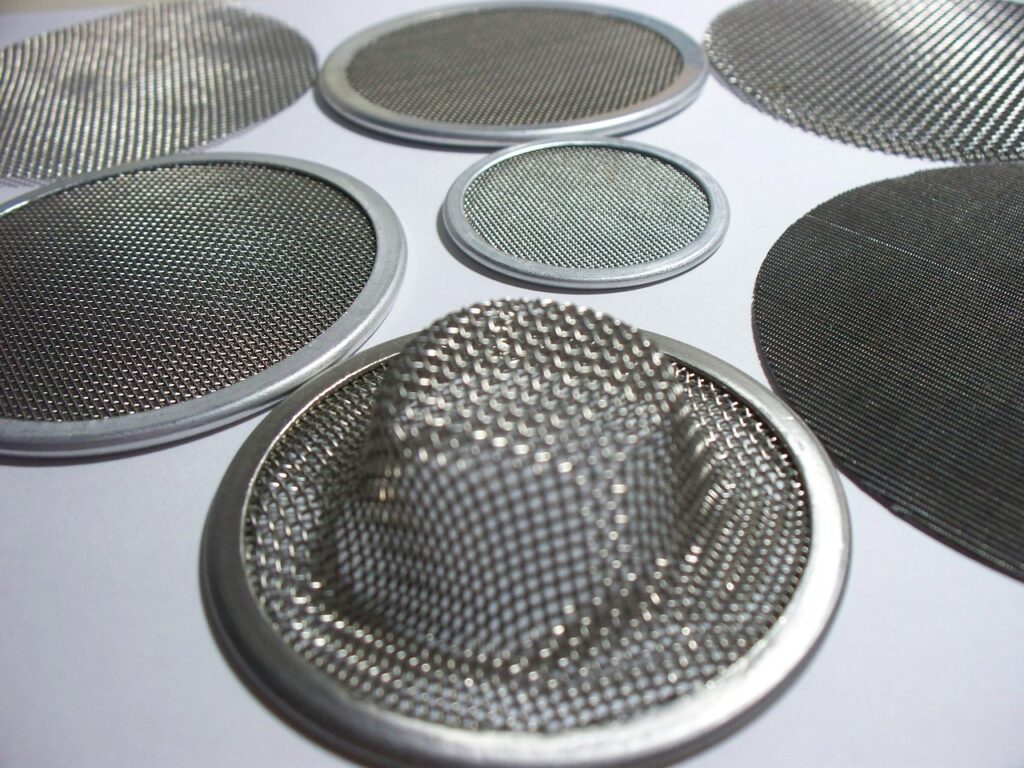
Why Does Nylon Filter Mesh Fit So Many Filtration Jobs?
When buyers compare filter media for liquid, air, paint, resin, or process water, nylon filter mesh is often on the first shortlist. It is light, easy to cut, simple to sew or heat form, and supplied in many opening sizes. For plant use, it also helps to check related filter mesh applications and choose the fabric from the actual process, not only from a catalog number.
Nylon mesh is not a special trick material. It is a woven polyamide fabric, usually made from monofilament yarn. Its value comes from steady pore shape, good abrasion resistance, and a smooth surface that lets many trapped solids wash off more easily than fuzzy cloth. In a workshop, that can mean fewer blocked nozzles, cleaner batches, and less late-night rinsing of a filter bag in a sink, which is not pleasant but does happen.
Woven Monofilament Structure
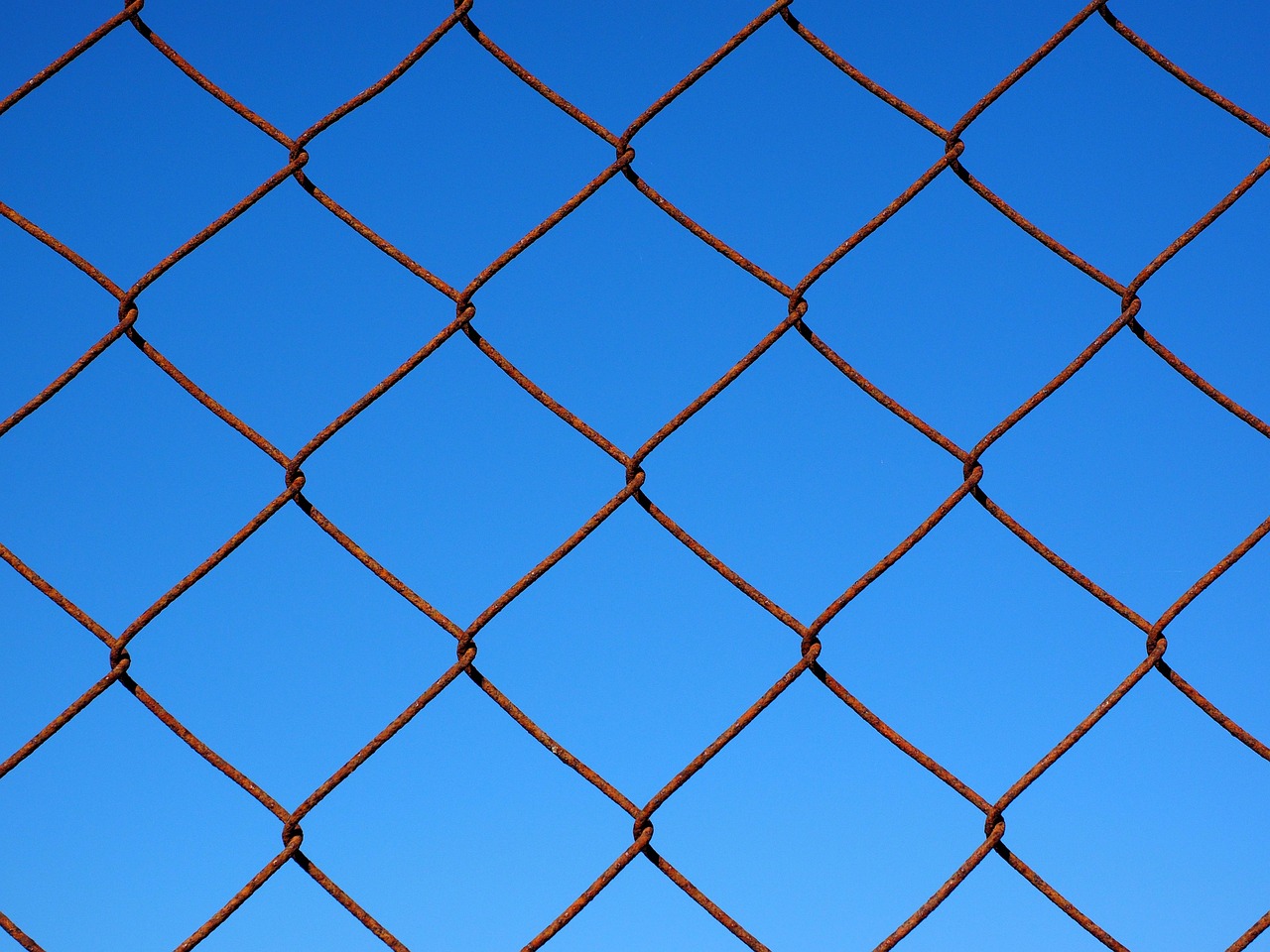
Most industrial nylon filter mesh uses single, smooth filaments woven into square or close-to-square openings. This gives the fabric clear pores and a steady path for liquid or air. Compared with staple fiber felt, monofilament mesh does not hold many particles deep inside the fabric. That is useful when the job is screening, classifying, or prefiltering rather than fine depth filtration.
Useful Balance of Strength and Flexibility
Nylon can bend without cracking easily, so it works well in filter bags, molded inserts, centrifuge liners, and curved frames. It is softer than stainless steel mesh and stronger than many delicate fine screens. When an operator pulls a bag out of a paint tank or a food slurry, that added toughness is easy to notice. It also helps during sewing, clamping, and repeated handling.
Clean Particle Screening in Real Lines
Mesh filtration is mainly size separation. If the solids you want to remove are larger than the mesh opening, they usually stay on the upstream side. The U.S. EPA WaterSense at Work guidance from March 2024 describes sediment and microporous filtration as a physical process that removes suspended solids greater than the rated pore size. The same basic idea applies to nylon woven mesh, although real capture still depends on particle shape, flow speed, pressure, and cake buildup.
Which Nylon Grade Should You Pick?
The word nylon covers several polyamide grades. In filter mesh buying, nylon 6 and nylon 66 are common names. They can look almost the same by eye, but their heat behavior, moisture uptake, and stiffness are not identical. You do not need a polymer science lesson, but you should confirm the grade before approving the purchase order.
Nylon 6 for General Filtration
Nylon 6 is widely used for general liquid straining, food screening, water pretreatment, powder sieving, and lab filtration. Toray Plastics AMILAN physical property data, accessed in July 2026, lists nylon 6 melting point at 225°C and equilibrium water absorption at 3.5% under 23°C and 60% relative humidity. This does not mean the mesh should be run near 225°C. The practical point is that nylon 6 has workable heat resistance for many jobs, while moisture absorption may cause small changes in size and hand feel.
Nylon 66 for Higher Heat
Nylon 66 is often selected when the process needs a bit more heat margin or stiffness. The same Toray source lists nylon 66 melting point at 255°C and equilibrium water absorption at 2.5% under 23°C and 60% relative humidity. In real production, the safe working temperature depends on load, contact time, chemical mix, frame design, and cleaning method. Hot caustic wash, steam, and long soak time should be checked with sample mesh before bulk use.
Food Contact Projects Need Documents
For food and beverage use, the words food grade are not enough by themselves. In the United States, FDA 21 CFR 177.1500 lists nylon resins for specified food contact uses and conditions. In the European Union, Commission Regulation EU No. 10/2011 controls plastic materials and articles intended for food contact. Before the mesh touches edible product, ask for the resin basis, migration or compliance statement, batch traceability, and intended use limits.
How Should You Read Mesh Count and Micron Rating?
Mesh count and micron rating are often mixed up in quotations. A buyer may ask for 200 mesh, while the engineer is thinking about a 75 micron opening. Both details can be useful, but they are not the same measurement. For woven mesh, opening size is usually the clearer way to describe filtration performance.
Aperture Comes Before Mesh Count
Mesh count means the number of openings per linear inch. Micron rating describes opening size in micrometers. Two fabrics with the same mesh count can still have different openings if the yarn diameter is different. ASTM E11-24, a standard for woven wire test sieve cloth and test sieves, covers nominal apertures from 125 mm down to 20 micrometers and includes average, maximum, and standard deviation tolerances. Nylon mesh is not the same as wire test sieve cloth, but the standard shows why aperture tolerance should not be treated as a small detail.
Open Area Affects Flow
Open area is the part of the fabric face that is open for flow. If two meshes both claim 100 microns, the one with thinner yarn usually has more open area and a lower pressure rise. That can help output, especially when the line runs by gravity or low pressure. The tradeoff is lower yarn strength, so a gravity bag may prefer higher open area while a pressurized nozzle screen may need stronger yarn.
Nominal Rating Is Not Absolute Retention
A nylon woven opening is a real physical gap, but filtration is still not perfect. Flat flakes may pass one way and stop another way. Soft gels can deform and squeeze through openings that look smaller on paper. A cake layer can also make the filter act finer after a few minutes. Public sources do not give one reliable universal conversion from nylon mesh count to absolute retention across all liquids, so a trial with the actual slurry or powder is still the safer choice.
Where Does Nylon Filter Mesh Work Best?
Nylon filter mesh performs well in jobs where particles are visible or moderately fine, flow needs to stay open, and the filter will be washed or replaced often. It is not suitable for every chemical or every temperature, but it handles many daily production lines without making the setup complicated.
Food and Beverage Straining
You may see nylon mesh in juice pulp removal, tea extraction, edible oil polishing, starch slurry screening, and ingredient bags. The usual target is seed fragments, fibers, peel pieces, or agglomerates before filling or blending. In these jobs, surface release is a real benefit because operators can rinse the mesh and get back to production faster. The mesh should still be washed, checked for broken filaments, and replaced before the fabric becomes glazed or distorted.
Water and Wastewater Pretreatment
In water systems, nylon mesh often works as a prefilter before cartridges, membranes, pumps, or spray nozzles. The U.S. EPA Membrane Filtration Guidance Manual from November 2005 states that microfiltration is often considered around 0.1 to 0.2 micrometers, with some membrane pores up to 10 micrometers. Woven nylon mesh is usually used at coarser screening stages. The practical use is to catch larger solids early and protect finer, higher-cost filters downstream.
Paint Ink and Coating Filtration
Paint, ink, resin, and coating lines use mesh to catch skins, dried lumps, pigment clusters, and packaging debris. Even one small lump can block a spray gun or leave a mark on a coated part. Nylon is used often because it can be sewn into bags and formed into cone filters. Solvent compatibility must be checked, especially with strong acids, strong oxidizers, phenols, and aggressive solvent blends. See also: Coatings.
When Is Nylon Filter Mesh Better Than Polyester or Stainless Steel?
Material choice is usually a compromise. Polyester, polypropylene, stainless steel, and nylon all have their place. The comparison should start with the fluid, temperature, cleaning cycle, particle target, and the cost of stopping the line.
Better Flex Than Metal in Soft Assemblies
Stainless steel mesh is strong, heat resistant, and suitable for tough service. It can also leave sharp edges after cutting and needs more care during forming. Nylon mesh bends, folds, and sews more easily. If the part is a drawstring bag, a curved insert, or a disposable strainer sock, nylon is often easier to handle on the shop floor.
Good Wear Resistance in Moving Slurries
Nylon is known for abrasion resistance, which helps when particles slide over the mesh surface. Sand, pigments, ground food solids, and plastic pellets can wear weak fabrics quickly. This does not mean nylon will survive every abrasive slurry. It means nylon is worth testing when polyester frays too soon or when metal mesh is too stiff for the holder.
Clear Limits in Strong Acids and Heat
Nylon generally handles many oils, hydrocarbons, and alkaline cleaning conditions better than strong acid service, but resistance changes with concentration and temperature. Polyester often works better in acidic environments. Stainless steel is usually the safer pick when heat and pressure are high. A plain selection rule still matters: soak a mesh swatch in the real liquid, at real temperature, for the real cleaning time.
How Can You Specify Nylon Filter Mesh Without Costly Mistakes?
A good specification can be short, but it has to be complete. If a supplier only receives mesh count and roll width, too much is left for guessing. A better inquiry explains the job the way an operator would describe it, then adds the numbers the engineer needs.
Share the Particle Target and Fluid
Tell the supplier what you need to remove, not only the mesh size. Is the target a hard crystal, soft gel, fiber, pulp, metal chip, or pigment cluster? Give the normal particle range if lab data is available. If there is no data, send a sample, because a small jar of real slurry is often more useful than several pages of unclear descriptions.
Match Temperature and Cleaning Method
List normal temperature, peak temperature, pressure, pH, solvent, and cleaning chemicals. Include soak time as well, because nylon may look fine after a quick dip but change after eight hours in a hot cleaning tank. If the mesh will be sterilized, boiled, ultrasonically cleaned, or dried in an oven, mention it at the inquiry stage. That saves time before samples are cut.
Ask for Tolerance Packaging and Samples
For repeat orders, define aperture, mesh count, yarn diameter, width, roll length, color, cutting method, and packaging. Ask whether the mesh is heat set and whether certificates can show material grade and inspection results. For critical parts, approve samples before bulk cutting. It is a small step, but it can prevent a full roll from being made in the wrong opening or width.
- Use micron opening as the main filtration size, with mesh count as a supporting detail.
- Confirm nylon 6 or nylon 66 before food, heat, or chemical service.
- Check open area when flow rate matters more than dirt holding capacity.
- Request compliance documents for food contact or regulated markets.
- Run a small line trial before changing mesh in a high-value process.
FAQ
Q1: What Is Nylon Filter Mesh Used For? A: It is used for liquid straining, air screening, food and beverage filtration, paint and ink filtration, water pretreatment, powder sieving, and filter bags where woven, washable media is useful.
Q2: Is Nylon 6 or Nylon 66 Better for Filter Mesh? A: Nylon 6 is common for general filtration. Nylon 66 has a higher melting point and lower moisture absorption based on Toray Plastics AMILAN data, so it may fit higher heat service better. Always test with your fluid and cleaning method.
Q3: Does a Higher Mesh Count Mean Finer Filtration? A: Usually yes, but not in every case. Yarn diameter changes the real opening. A specification should state micron aperture, yarn diameter, and tolerance, not only mesh count.
Q4: Can Nylon Filter Mesh Be Used for Food Contact? A: It can be used in food-related projects only when the material, additives, and use conditions match the required rules, such as FDA 21 CFR 177.1500 in the United States or EU No. 10/2011 in Europe. Ask for written compliance documents before production use.
Q5: When Should You Avoid Nylon Mesh? A: Avoid it in strong acid, strong oxidizer, extreme heat, or high-pressure jobs unless testing proves it works. Polyester, polypropylene, or stainless steel may be safer in those cases.