Is Mirafi 600X the Best Woven Geotextile for Road Stabilization?
Why Does Mirafi 600X Keep Showing Up in Road Specs?
If you work with woven geotextiles for road separation, mirafi 600x is a name you will keep seeing on drawings, bid schedules, and substitution requests. This note looks at where it is used, what the listed figures mean, and how buyers can compare it with other technical textile applications without turning one fabric choice into a long back-and-forth between purchasing and engineering.
Source notes are written in plain text because project teams often paste this kind of content into WordPress, bid files, or internal checklists. Product figures below come from the Solmax TenCate technical data sheet for MIRAFI 600X, publicly available in 2024 copies. Roadway comments also refer to FHWA NHI-05-037, the VTRC/FHWA report 20-R8 from 2019, the ADOT/FHWA-AZ-17-722 report from 2017, and the NYSDOT geotextile approved list viewed in July 2026.
A Familiar Woven Geotextile Name
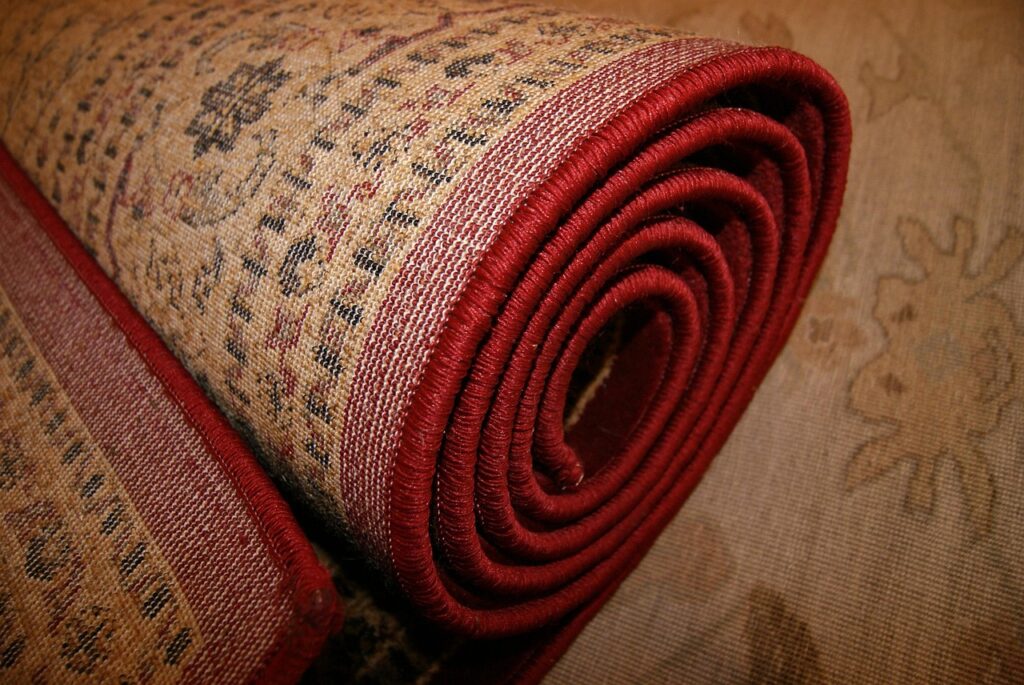
Mirafi 600X is a woven polypropylene geotextile. On site, that means a strong, flat textile placed between soil and aggregate so the two layers do not mix too fast under traffic, pumping, and rain. It does not fix poor grading or standing water by itself. If the subgrade is muddy or unstable, it still needs repair before the fabric is placed, and FHWA guidance says the same in direct terms.
Public Specs Make Comparison Easier
The useful point is not only the brand name. The public data sheet gives test methods and minimum average roll values, so a buyer or engineer can compare it with an approved equal. This is important in export sourcing because a substitute is often accepted only when the ASTM method, value, and roll documents match the project requirement.
A Simple Way to Start Comparisons
Start with the job function, not the square-yard price. If the work needs separation under a crushed stone base, tensile strength and puncture resistance should be checked first. If the work needs high in-plane drainage, another product family may be a better fit. Many change orders start from a fabric that was strong enough on paper but wrong for the water path.
What Is Mirafi 600X Used for in Road and Site Work?
Mirafi 600X is used where the fabric must handle installation stress and stop base aggregate from pushing into fine subgrade. FHWA NHI-05-037 lists common geosynthetic uses in paved and unpaved pavement systems, embankments, foundation soils, water-flow barriers, and drainage improvement. That gives the wider engineering background, but the final product choice still needs to match the site design.
Separation Between Subgrade and Aggregate
In a road base, separation helps keep aggregate from settling into soft fines and helps keep fines from moving up into the stone. Once fines enter the base layer, drainage becomes poorer and the road structure loses strength. A woven separator can slow that problem when traffic, rain, and construction loads all act at the same time.
Stabilization for Wet or Weak Soil
On wet yards, quarry entrances, forestry roads, or temporary crane pads, the first few weeks can be harder on the section than the planned service period. Trucks turn before the base is fully seated, and that movement can damage a weak fabric. A heavier woven fabric helps spread stress during placement and early traffic, as long as the aggregate cover is thick enough for the specified load.
Textile Performance in Civil Applications
For a textile supplier or buyer, Mirafi 600X is also a clear example of how fabric construction affects civil work. Yarn type, weave stability, opening size, and finishing all turn into field performance. The roll may look simple, but the job depends on the same quality being repeated over thousands of square feet, not only on one good lab sample.
Which Mirafi 600X Specs Matter Most?
The data sheet is easiest to read as a jobsite checklist. Strength relates to installation survival. Hydraulic values relate to water movement and soil retention. Roll data affects labor, overlaps, and freight. None of these figures should be judged by itself.
Strength Values You Can Check
The Solmax TenCate data sheet lists grab tensile strength of 315 lb in both machine and cross directions by ASTM D4632, with 15 percent grab elongation. It also lists trapezoid tear strength of 120 lb in both directions by ASTM D4533 and CBR puncture strength of 900 lb by ASTM D6241. These are minimum average roll values, so they are used for specification comparison. They should not be treated as a promise from one small cut sample.
Opening Size and Water Flow
The same sheet gives an apparent opening size of U.S. Sieve 40, or 0.425 mm, by ASTM D4751. Permittivity is listed as 0.05 sec-1, and flow rate is 4 gal/min/ft², equal to 163 l/min/m², by ASTM D4491. These values show that Mirafi 600X can pass water through the fabric. They do not make it a drainage core or a replacement for a correct outlet.
Roll Size and Jobsite Handling
Common published roll data shows 500 yd² per roll and an estimated roll weight near 208 lb, with widths such as 12.5 ft, 15 ft, and wider options. This matters when planning crew size, unloading, overlaps, and daily placement. Wider rolls can reduce seams, but they need enough hands, lifting space, and decent wind conditions. Anyone who has tried to hold a geotextile edge in a gust knows this is not a small detail.
When Is Mirafi 600X Better Than a Lighter Fabric?
A heavier woven fabric costs more than a light separator, so the real question is when the higher rating pays back. Public research does not say one brand is always the cheapest answer. It does show that geotextile value changes with subgrade fines, contamination rate, aggregate cost, traffic, and repair timing.
Heavy Aggregate and Abrasive Fill
A Mirafi 600X type specification makes sense when angular stone, rough placement, and equipment turning may damage a weaker fabric. The 900 lb CBR puncture value is worth checking when coarse aggregate is used. Even so, design approval still comes first. If the drawing calls for a different geogrid or high-performance woven, it should not be changed based on strength alone. See also: Coatings.
Moderate Loads and Access Roads
Distributor examples often mention access roads, industrial pads, parking areas, and landfill support layers. These are practical uses, but the project spec is still the document to follow. For a lightly loaded garden path, this fabric may be more than needed. For a wet truck entrance that ruts on the first day, a low-end landscape fabric is a bad saving.
Public Data on Cost Conditions
The 2019 VTRC/FHWA study used actual VDOT cost data and life-cycle cost analysis for secondary roads. It found separator geotextile showed long-run cost-effectiveness when subbase contamination by fines reached 0.1 in per year or more. At 0.05 in per year or lower, the added separator was not cost-effective in that model. ADOT/FHWA research in 2017 came to a similar working view: savings depend on design conditions, geosynthetic type, and material costs.
How Should You Specify and Install Mirafi 600X?
Specification and installation need to be handled together. A good data sheet cannot make up for wrinkles, poor overlap, or a subgrade full of sharp debris. At the same time, a good crew cannot make an unnamed fabric meet a Class 1 requirement if the roll arrives without the right paperwork.
Use MARV, Not Loose Descriptions
Write the requirement by test method and value: ASTM D4632 grab tensile, ASTM D4533 tear, ASTM D6241 CBR puncture, ASTM D4751 AOS, ASTM D4491 permittivity and flow, plus ASTM D4355 UV resistance. Published UV resistance for Mirafi 600X is 70 percent strength retained at 500 hours. That supports normal short jobsite exposure. It does not support leaving rolls outside for a whole season without proper cover.
Match AASHTO Class and Approval Status
The manufacturer states that Mirafi 600X meets AASHTO M288 Strength Classes 1, 2, and 3 for elongation below 50 percent. Agency lists are useful because they help buyers avoid guessing during procurement. For example, the NYSDOT geotextile approved list viewed in July 2026 included Mirafi 600X entries under AASHTO Strength Class 1 and SF-W structure. Treat that as a purchasing check, not as automatic approval for every state or private project.
Protect the Roll During Installation
Clear ruts, sharp debris, and soft pockets before unrolling the fabric. Follow the project overlap table because overlap often changes with subgrade strength. Place aggregate by dumping on covered fabric and pushing forward, not by spinning equipment directly on exposed textile. If the fabric tears, patch it to the engineer’s detail before it is buried.
FAQ
Q1: Is Mirafi 600X a Waterproof Fabric? A: No. It is a woven geotextile with published permittivity and flow rate. Use a geomembrane, not this separator fabric, when the job needs a water barrier.
Q2: Can Mirafi 600X Be Placed Directly Under Asphalt? A: It is mainly specified for separation or stabilization between subgrade and aggregate base. For asphalt interlayers, use the paving fabric or grid named by the pavement engineer.
Q3: What Counts as an Equivalent to Mirafi 600X? A: An equivalent should match the required ASTM test methods, MARV strength values, AOS, permittivity, UV resistance, roll size, and any agency approval required by the project.
Q4: Does Higher Tensile Strength Mean Better Drainage? A: No. Strength and drainage are separate properties. Check AOS, permittivity, flow rate, soil gradation, and the outlet path before choosing a drainage solution.
Q5: How Many Rolls Do You Need for a Project? A: A common published roll area is 500 yd² before overlaps and waste. Calculate the covered area, add overlap and trimming loss, then confirm the roll width and length with the supplier before purchase.