What Is Poly Fabric and Is It Right for Your Textile Products?

What Is Poly Fabric?
Poly fabric is a common trade name for polyester fabric. You will see it in apparel, home textiles, bags, linings, uniforms, and promotional products. If you are checking fabric options for a new order, this materials guide is a useful place to start. The right textile is not decided by fiber only. Hand feel, strength, price, finish, test results, and the final use all need to be checked together.
Polyester Fiber in Plain Language
Most poly fabric is made from polyester, usually PET. Mills and buyers use it because it has good strength, takes up little moisture, and keeps shape quite well. For market context, Textile Exchange reported in its Materials Market Report 2025 that polyester fiber production rose from around 71 million tonnes in 2023 to around 78 million tonnes in 2024. That is one reason polyester appears in so many sourcing catalogs. It is easy to find, mills know how to run it, and large orders are easier to plan. (textileexchange.org)
Woven, Knitted, and Nonwoven Builds
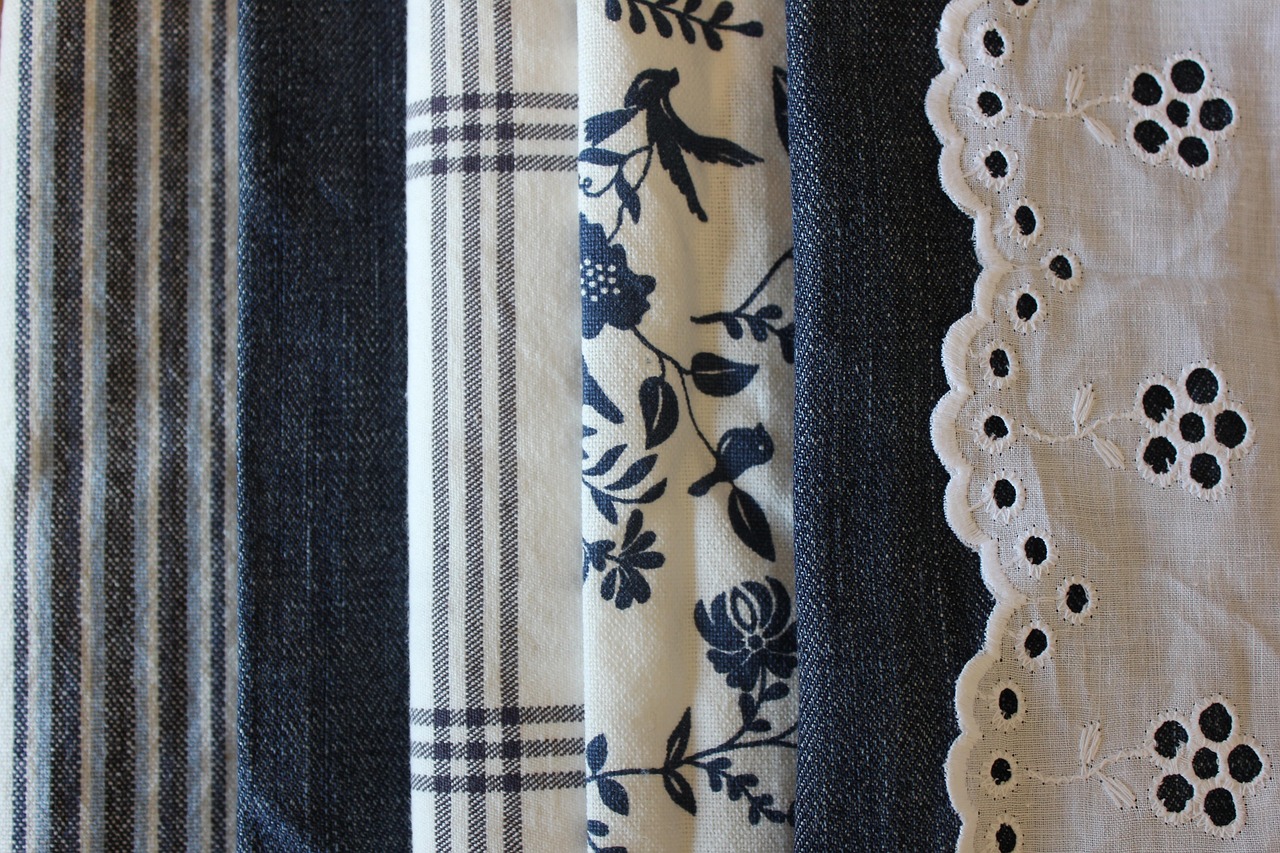
The same fiber can feel very different after it is made into fabric. A woven polyester taffeta can feel firm and smooth, while a brushed knit can feel soft enough for loungewear. Nonwoven polyester is used in interlinings, filters, packaging, and some disposable or semi-durable textile goods. So when a supplier says “poly,” ask about the structure first. That answer usually tells you more than the fiber name by itself.
Common Finishes That Change the Hand Feel
Finishing can make poly fabric water resistant, peachy, shiny, matte, anti-static, flame retardant, or easy-care. A 190T lining fabric and a 300D oxford fabric may both be polyester, but they are not used in the same way. One may fit jackets, while the other is more suitable for bags. These small points affect the final product. A coating can feel fine on a sample, but it may crack after repeated folding if it is not right for the end use.
Why Do Buyers Choose Poly Fabric?
Buyers choose poly fabric because it deals with common product problems. It can hold color, dry fast, resist wrinkles, and keep shape during normal wear. This does not make it the best fabric for every item. It means it works well when the product needs stable performance at a price the buyer can accept.
Strong Wear Resistance for Daily Use
Polyester often handles rubbing, pulling, and repeated use better than many light natural fabrics. That is why it is used in backpacks, workwear blends, sports bags, seat covers, caps, and outdoor promotional goods. If the product will be dragged across a warehouse floor, packed into cartons, or washed many times, strength is not a small extra point. It becomes a way to reduce complaints and protect the order.
Faster Drying Than Many Natural Fibers
Polyester absorbs less water than cotton, so it dries faster. This helps activewear, travel garments, shower curtains, and some home items. In retail, the difference is easy for customers to notice. If someone washes a gym shirt at night and wants to wear it the next morning, slow drying will be a problem. Fast drying is not a fancy selling point, but it can reduce after-sale issues.
Stable Color for Repeat Orders
Poly fabric can take bright color well, especially when dyed with the right disperse dyes under controlled conditions. This is useful for branded products. A red tote bag reordered six months later should not turn into an orange-looking batch. Even so, repeat color is not automatic. Keep lab dips, approved bulk samples, and clear tolerance notes for every order.
Is Poly Fabric Better Than Cotton?
The better fabric depends on the product. Cotton and polyester solve different problems, and many good products use blends. A showroom sample can look and feel right, then fail in daily use because the buyer chose by touch only. It is safer to start from the use case, not from a fixed preference for one fiber.
Cotton Comfort Still Has a Place
Cotton can feel breathable, soft, and natural on the skin. For baby items, casual T-shirts, bedding, and premium lifestyle products, many buyers still prefer that familiar hand feel. Cotton also works for customers who do not like synthetics. The trade-off is clear enough: cotton can shrink, crease, dry slowly, and show wear, depending on yarn quality and fabric construction.
Polyester Wins Where Shape Matters
Polyester often has an advantage when shape retention, wrinkle resistance, and faster drying are high on the brief. Uniforms, event wear, linings, sportswear, flags, and travel items can all benefit from these points. If the product needs to look neat after shipping, polyester is worth checking. It is also a good option when the fabric must recover after packing.
Blends Can Give a Better Balance
Poly-cotton blends are common because they can make polyester feel softer and make cotton stronger in daily use. A 65/35 poly-cotton twill, for example, can fit uniforms that need both comfort and better durability. A 50/50 jersey may work for basic promotional T-shirts. Do not treat blend ratio as a small note. It changes shrinkage, dye behavior, hand feel, cost, and care labels.
Where Does Poly Fabric Work Best?
Poly fabric works best when the product needs steady performance, clean color, and a supply chain that is easy to plan. It is also useful when weight, thickness, or coating must be controlled. Before placing an order, write down the real end use. A fabric that works for a windbreaker may be wrong for a cushion cover.
Apparel Linings and Activewear
Polyester lining fabric slides well and can make jackets easier to put on and take off. In activewear, polyester knits are often chosen for stretch blends, quick drying, and printed designs. For leggings or fitted tops, check recovery after stretching. For jackets, check seam slippage and abrasion. A few basic lab tests before bulk production can prevent large returns later.
Home Textiles and Soft Furnishings
Poly fabric is used in curtains, cushions, tablecloths, microfiber towels, mattress protectors, and upholstery blends. Buyers like it because color is fairly stable and care is simple. For curtains, lightfastness matters. For cushions, pilling and seam strength matter. For microfiber towels, absorbency and linting need attention because customers judge them after the first wash, not after reading a spec sheet.
Bags, Covers, and Promotional Items
Polyester oxford, pongee, and taffeta are common in bags, umbrellas, dust covers, drawstring sacks, and event giveaways. Denier and coating are the main points to check in these items. A 210D fabric may suit a light pouch, while a 600D fabric is closer to everyday bag use. If the product carries weight, fabric strength and stitching both count.
What Should You Check Before Ordering Poly Fabric?
A good poly fabric order starts with a clear spec. Words like “nice quality” or “medium weight” are too loose and often cause problems. Your supplier needs details that can be measured. Your inspection team needs the same details as well. When everyone works from the same sheet, the order is easier to control. See also: Applications.
GSM, Denier, and Construction Details
Ask for GSM, yarn count or denier, width, construction, finish, color, and tolerance. A quote sheet does not need to be complicated, but it should include the main points:
- Fabric type, such as woven polyester pongee or knitted interlock
- Weight in GSM and usable width
- Finish, coating, print method, and target hand feel
- Testing requirements for shrinkage, colorfastness, pilling, and abrasion
These details help avoid many arguments before production starts. They also make price comparison more fair between suppliers.
Colorfastness, Shrinkage, and Pilling Tests
Polyester is usually stable, but testing is still needed. Dark shades can crock, brushed surfaces can pill, and coatings can peel if washing is too harsh. Ask which standards your buyer or market expects, such as ISO, AATCC, or retailer-specific methods. If no test is required, set a workable internal level anyway. Guessing may save time at the beginning, but it can become costly after delivery.
Certification and Recycled Content Claims
Certification should match the claim being made. OEKO-TEX states that STANDARD 100 tests textile articles and components against harmful substance criteria. That does not mean the fabric is natural, plastic-free, or biodegradable. If you need recycled polyester, ask for transaction documents, recycled content certificates, and clear fiber composition on the label. Without these papers, the claim is hard to support in front of a buyer. (oeko-tex.com)
How Can You Make Poly Fabric Choices More Responsible?
Polyester has useful performance, but buyers also have to think about waste and microfiber issues. A more responsible choice is not only about using recycled material. It also includes longer product life, honest claims, clear washing advice, and designs that customers keep using.
Longer Product Life Reduces Waste
The U.S. EPA reported that textile generation in municipal solid waste reached 17 million tons in 2018, and it estimated a 13 percent recycling rate for clothing and footwear that year. The business lesson is simple: a slightly tougher product that stays in use longer can make a difference. Strong seams, good zippers, proper colorfastness, and realistic care labels all help reduce early disposal. These points are not hard to understand, but they need to be included before the fabric is approved. (epa.gov)
Recycled Polyester Needs Clear Proof
Recycled polyester can reduce demand for virgin feedstock, but the claim needs documents. Ask whether the source is post-consumer bottles, pre-consumer waste, or textile-to-textile recycling. Also check whether the fabric can meet the same strength and shade requirements as virgin polyester. A recycled story only helps when the product still performs and the paperwork is real.
Washing and Care Can Cut Shedding Risks
Synthetic textiles can shed microfibers during production, wear, washing, and disposal. The European Environment Agency estimates that 1.6 to 61.1 kilotonnes of microplastics from synthetic textiles leak into the EU environment each year. For products that will be washed often, give simple care advice: wash full loads, use lower temperatures when suitable, avoid harsh cycles, and choose better fabric construction from the start. These steps are basic, but they are easier to apply than fixing complaints after goods reach the market. (eea.europa.eu)
FAQ
Q1: Is poly fabric the same as polyester fabric? A: In most sourcing conversations, yes. Poly fabric usually means polyester fabric. Still, ask for the exact fiber content because some products may include spandex, cotton, rayon, or coatings.
Q2: Is poly fabric good for summer clothing? A: It can be, especially in lightweight knits or moisture-management activewear. For casual summer shirts, cotton or rayon blends may feel cooler, so the best choice depends on fit, weight, and finish.
Q3: Does poly fabric shrink after washing? A: Polyester usually shrinks less than cotton, but heat, construction, and finishing still affect the result. Always test bulk fabric before confirming garment measurements.
Q4: Can poly fabric be made from recycled material? A: Yes. Recycled polyester is common, but you should request valid documents that show recycled content, source type, and chain of custody.
Q5: What is the best poly fabric for bags? A: Polyester oxford is a common choice. Light pouches may use 210D, while daily bags often need heavier options such as 300D or 600D with suitable coating and seam strength.