
What Is Twill Weave and Why Is It the Best Choice for Durable Fabrics?
What Is Twill Weave?
A twill weave is a woven fabric structure with clear diagonal ribs on the fabric surface. If you buy fabrics for garments, uniforms, bags, or home textiles, this term is not just a technical label. It can affect hand feel, strength, color effect, shrinkage, and the way the finished product looks after many washes. You can check related fabric structures in the weaves category, but twill needs its own look because it works well for both daily comfort and long use.
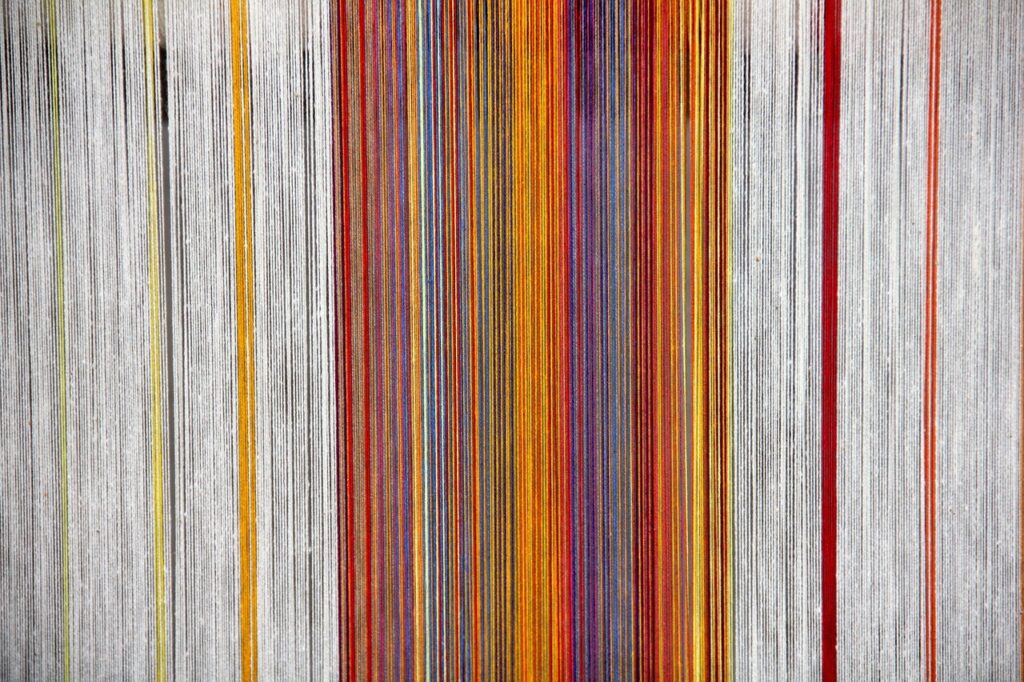
The basic construction is easy to understand, even though the fabric can look quite different from one mill to another. Warp yarns run lengthwise, weft yarns run crosswise, and the pattern shifts row by row so the surface forms a slanting line. ISO 3572:1976, Textiles Weaves Definitions of General Terms and Basic Weaves, published on January 31, 1976, lists twill as one of the basic weave structures together with plain weave and sateen. So twill is a base fabric structure, not just a trend name.
A Diagonal Line Made by Floats
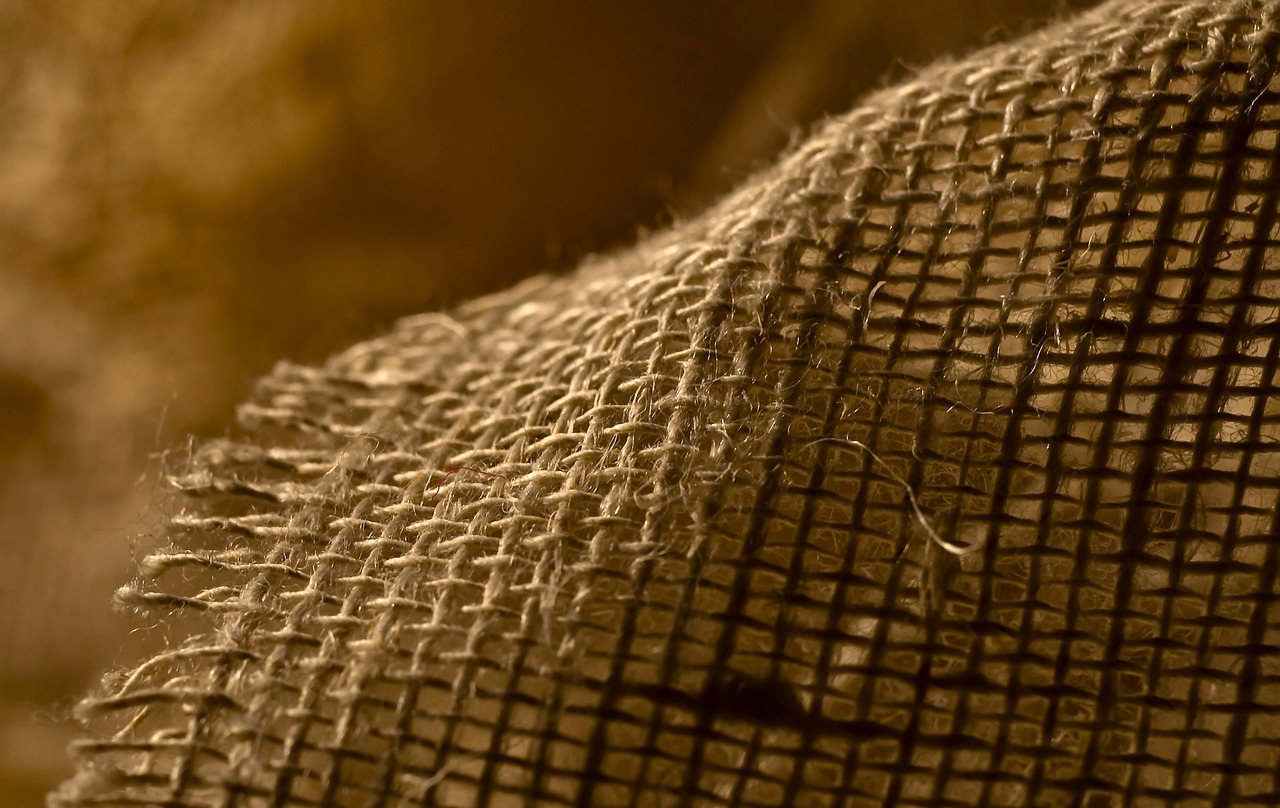
The diagonal line comes from floats. A float means one yarn goes over two or more yarns before it goes under again. In a 2/1 twill, one yarn may pass over two and under one. In a 3/1 twill, it passes over three and under one. The change is small on paper, but the look on fabric is quite clear. Under a fabric counter, these floats line up as ribs, also called twill lines.
A Repeat of Three or More Threads
A basic twill needs at least three warp and weft positions in its repeat. The U.S. National Park Service article Weaving Patterns, last updated August 15, 2025, also says twill is more complex than plain weave and needs at least three harnesses in a traditional loom setup. In mill terms, that repeat may be 2/1, 2/2, 3/1, broken twill, herringbone, or another version. The fabric name may sound simple, but the actual construction still needs checking.
A Clear Face and Back
Twill often has a clearer face side and back side than plain weave. Denim is the example most buyers know. The face can show more dyed warp yarns, while the back shows more light-colored weft yarns. Levi Strauss & Co. explained in its 2014 denim article that the blue outside and lighter inside of jeans come from twill construction, where warp yarns dominate the face. For production, this matters because cutting, washing, and shade approval all depend on which side is used as the face.
How Does Twill Weave Compare with Plain Weave and Satin Weave?
When comparing woven fabrics, price should not be the only starting point. Structure comes first. Plain weave, twill weave, and satin or sateen weave perform differently because the yarns interlace in different ways. More interlacing usually gives a firmer surface. Fewer interlacings can give more softness, density, and shine. The right fabric depends on the product and the buyer’s target, not on one fixed answer.
Plain Weave Has More Frequent Interlacings
Plain weave goes over one and under one. It is stable, simple, and widely used for shirts, linings, bedsheets, printed cotton, and many lightweight fabrics. Because the yarns lock often, plain weave can feel firm compared with its weight. It may also wrinkle with sharper creases. If you need a flat print base or a low-cost basic fabric, plain weave is often the safer choice.
Twill Balances Strength and Drape
Twill has fewer interlacing points than plain weave, so the yarns can sit closer together. Encyclopedia.com notes that twill yarns can often be packed more tightly than plain weave yarns made from similar materials, which can help the fabric become stronger, thicker, and better at hiding soil. This is why twill is common in jeans, jackets, work trousers, aprons, and upholstery. It does not have to feel stiff. A light Tencel twill can still drape well and feel smooth in the hand.
Satin Gives Shine but Needs Careful Use
Satin and sateen use longer floats than twill, so the face looks smoother and has more shine. This can work for dresses, higher-end bedding, or decorative panels. Longer floats can snag more easily, though. For a hotel pillowcase, that may be acceptable. For cargo pants worn on a warehouse floor, satin is usually not the first option. Twill gives a more practical balance when the fabric needs to look clean and handle abrasion.
Which Fabrics Usually Use Twill Weave?
Twill is not one fabric. It is a structure used with cotton, polyester, wool, viscose, lyocell, blends, and stretch fabrics. This is where some buyers make mistakes. Cotton twill, poly-cotton twill, wool gabardine, and denim can all be twill, but they will not have the same cost, hand feel, dye result, or care label. Ask for the fabric construction, not only the fabric name.
Denim for Jeans and Jackets
Denim is the twill fabric most people recognize. It is usually a warp-faced cotton twill, often in 3/1 construction for classic jeans. The indigo warp shows on the face, while the lighter weft shows on the back. When checking denim, a buyer should ask about yarn type, weight, stretch content, skew control, shade band, and washing loss. A 10 oz denim jacket fabric and a 13 oz rigid jean fabric may both be denim, but they will not behave the same in cutting and sewing.
Chino, Drill, and Workwear Fabrics
Chino and drill fabrics often use 2/1 or 3/1 cotton twill or poly-cotton twill. These fabrics are used for trousers, uniforms, chef wear, shop aprons, and casual jackets. In actual production, a 240 gsm poly-cotton twill may be selected for uniforms because it dries faster than all-cotton fabric and keeps color better in industrial laundry. Breathability and pilling still need to be checked. A small test report can prevent bigger problems after shipment.
Wool Twill for Suits and Outerwear
Wool twills include serge, gabardine, cavalry twill, and many suiting fabrics. They can feel smooth, drape well, and resist wrinkles better than many plain weaves. For coats and tailored trousers, twill lines add some depth without making the fabric look busy. Many end customers may not call out the weave name, but they can notice when the garment hangs well.
Why Does Twill Weave Matter for B2B Fabric Sourcing?
For B2B buyers, twill is not only about fabric appearance. It can affect quotation, MOQ, lead time, dyeing method, finishing route, packing, and claim risk. A supplier may offer two twills with the same gsm, but one may feel compact while the other feels loose. The difference may come from yarn count, density, fiber blend, loom setting, or finishing. A hand feel check is useful, but it should be backed up by clear numbers.
Fabric Weight and Yarn Count Must Match the Product
GSM tells you fabric weight, but it does not explain everything. A 200 gsm twill made with fine yarns and high density can feel smoother than a 200 gsm twill made with coarser yarns. For shirts, softness and breathability may be the main points. For work pants, tear strength and seam slippage may matter more. Ask for yarn count, ends per inch, picks per inch, and finishing method. If the supplier cannot provide these details, sampling and bulk approval carry more risk. See also: Applications.
Fiber Choice Changes Price, Feel, and Claims
Fiber supply changes with the market. Textile Exchange’s Materials Market Report 2025, published September 18, 2025, reported that global fiber production rose from about 125 million tonnes in 2023 to 132 million tonnes in 2024. Polyester made up 59% of global fiber output in 2024, while cotton held 19%. The same report said 34% of global cotton production came from certified sources. For buyers, this means fiber choice affects cost planning and sustainability claims. If a hangtag says certified cotton or recycled polyester, ask for certificates and transaction records before bulk production starts.
Testing Reports Reduce Buyer Risk
Twill fabrics often go into products that face daily stress, so the tests should match the end use. Common checks include colorfastness to washing and rubbing, dimensional stability, tear strength, tensile strength, seam slippage, pilling, and abrasion. For stretch twill, recovery after repeated extension also needs attention. A buyer making school uniforms may use different standards from a buyer making sofa covers. There is no single pass number for every product, and using one can lead to disputes.
How Should You Choose the Right Twill Fabric?
Good sourcing starts with a clear product brief. A request like need cotton twill is too loose for a reliable quote. Better details help the mill reply faster and cut down repeated emails. State the product type, target weight, fiber content, color, finishing, performance tests, order quantity, and delivery window. Add a reference swatch if color or hand feel is important. Buyers still send physical swatches because photos and words do not cover everything.
Start with End Use and Wear Conditions
Choose the structure and weight based on how the product will be used. For summer shirts, a light twill around 120 to 160 gsm may be enough, especially with cotton, lyocell, or viscose blends. For chinos, 220 to 300 gsm is common in many markets. For aprons and workwear, a heavier twill may be needed, but heavier is not always better. If the fabric is too stiff, workers may not want to wear it for ten hours, even if the lab data looks good.
Check Face Direction, Shrinkage, and Color
Twill direction can be right hand, left hand, or broken. Denim buyers watch this closely because direction can affect appearance, fading, and leg twist. For dyed twill, confirm lab dips under D65, TL84, and store lighting if the garment will sell in retail. For shrinkage, test both warp and weft directions after the planned wash method. A fabric that shrinks 3% one way and 1% the other may still be usable, but the pattern maker needs that information early.
Ask for Swatches Before Bulk Orders
A swatch shows details that a spec sheet cannot show well. It gives a real view of twill angle, surface hairiness, drape, sound, thickness, and recovery. Ask for a hanger sample first, then a lab dip, then a pre-production sample. For repeat programs, keep an approved cutting from each bulk lot. This is an old practice, but it helps when the next shipment feels different and both sides need a reference.
FAQ
Q1: Is twill weave always made from cotton? A: No. Twill is a weave structure, not a fiber. It can be made from cotton, polyester, wool, viscose, lyocell, nylon, blends, and stretch yarns.
Q2: Is twill weave stronger than plain weave? A: Often, yes, when similar fibers and yarn counts are used. Twill can be woven more densely because it has fewer interlacing points, but final strength still depends on yarn, density, finishing, and testing results.
Q3: Why does twill fabric have diagonal lines? A: The diagonal lines come from staggered floats. Each weft or warp row shifts the crossing point, so the ribs line up across the fabric face.
Q4: What is the difference between 2/1 and 3/1 twill? A: A 2/1 twill usually passes over two yarns and under one, while a 3/1 twill passes over three and under one. A 3/1 twill often looks more warp-faced and is common in denim.
Q5: What should you ask a supplier before ordering twill fabric? A: Ask for fiber content, gsm, yarn count, density, twill type, finish, shrinkage, colorfastness, strength tests, MOQ, lead time, and swatches from the intended bulk quality.