Why Is Fiberglass Fabric Cloth a Smart Choice for Heat, Insulation, and Industrial Protection?
What Is Fiberglass Fabric Cloth and Why Do Buyers Specify It?
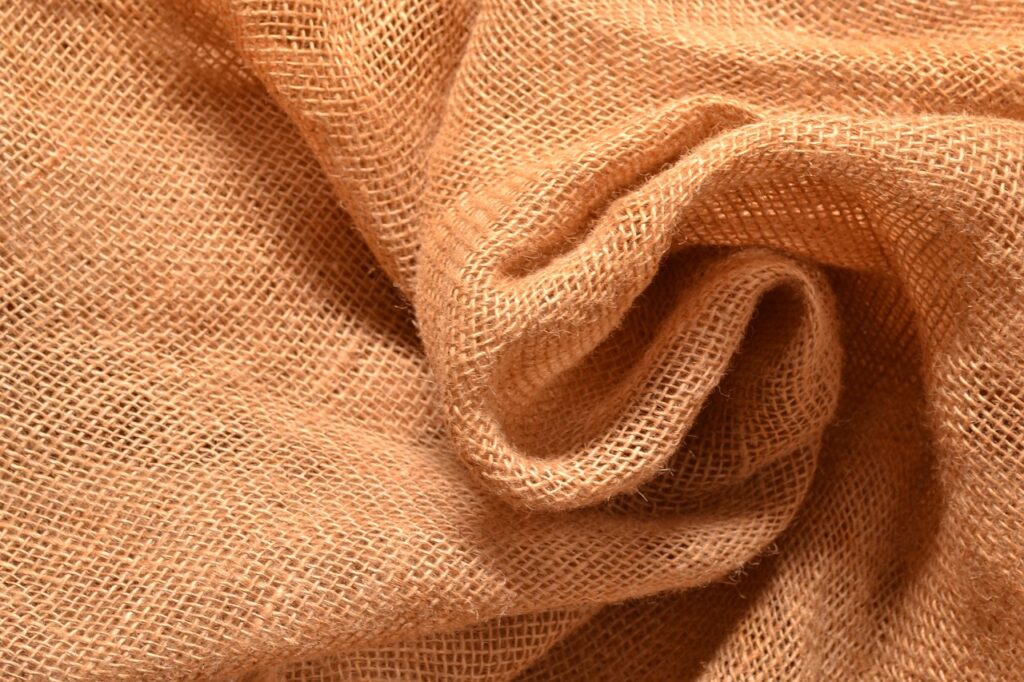
Fiberglass fabric cloth is a woven technical textile made from glass fiber yarns. In daily purchasing work, it sits between normal fabric and rigid insulation materials. If you are checking options for removable insulation jackets, welding curtains, composite reinforcement, or heat shielding, the wider Materials category is a good starting point because the right fabric depends on heat level, abrasion, coating, and how the product will be installed.
Buyers often choose this cloth because it offers heat resistance, steady size, and good strength at a workable cost. It is still not one cloth for every order. Plain cloth, silicone coated cloth, PTFE coated cloth, aluminum foil laminated cloth, and vermiculite treated cloth can perform quite differently in the same workshop. A useful purchase starts from the working condition, not from a clean catalog picture.
Woven Glass Yarn Construction
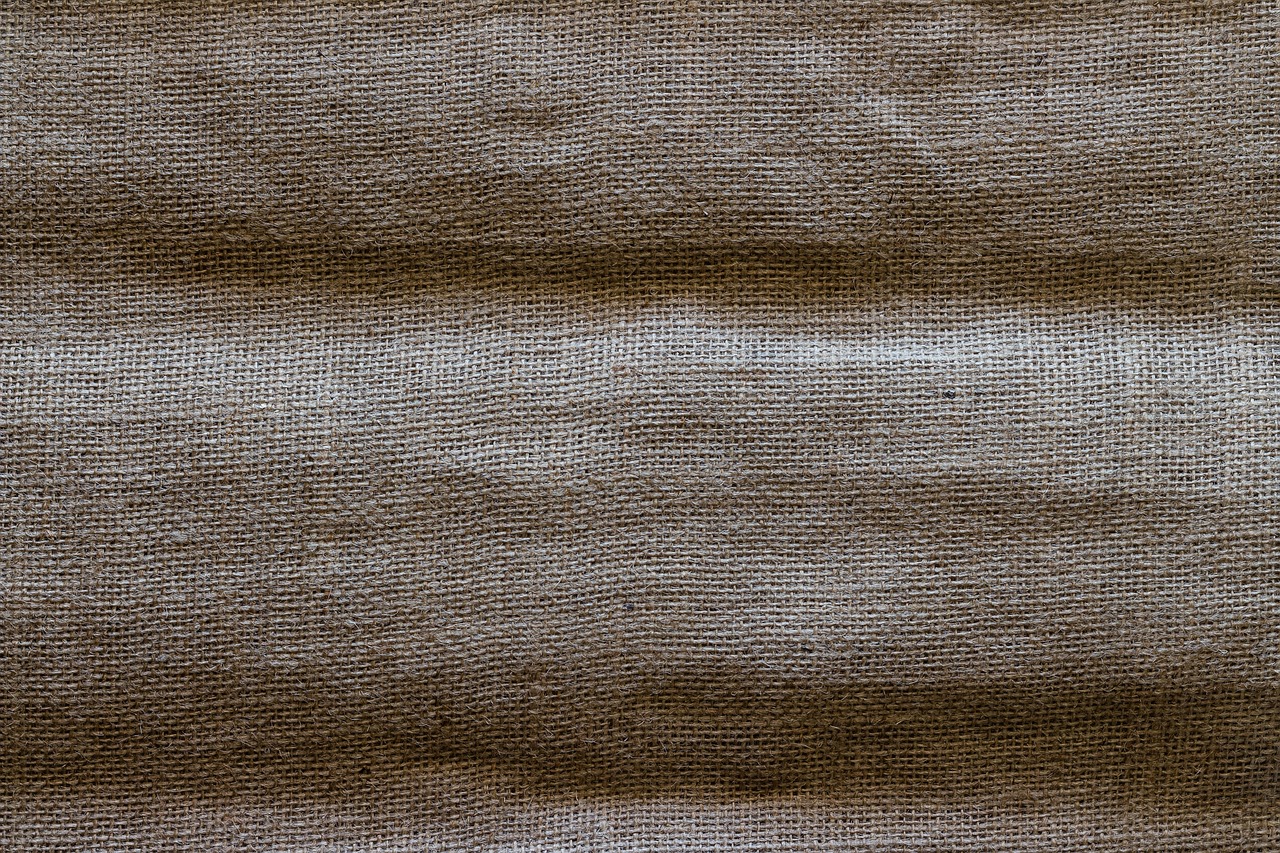
Most fiberglass fabrics are woven from continuous filament or textured glass yarn. Plain weave is used when stable shape matters, twill weave helps the cloth bend more easily, and satin weave is chosen when the buyer needs a smoother surface or softer handling. According to ASTM D578/D578M-23, glass fiber strands are specified by twist direction, twist level, filament diameter, breaking strength, and ignition loss. These details are not paperwork only. They affect the cloth before the weaving machine even starts.
Practical Heat and Fire Behavior
Glass fiber itself is inorganic, so it does not burn in the same way as cotton or polyester. In real use, the limit may come from coatings, binders, sewing thread, adhesives, or edge tapes instead of the glass yarn. A silicone coated fiberglass fabric, for example, is often offered for moderate continuous heat service, while the base glass fabric can take higher short contact heat than the coating. For this reason, every temperature figure should be read as product-specific unless a current test report supports it.
Strong Value in Technical Textiles
The U.S. Department of Energy Fuel Cell Technologies Office Record 13010 lists Owens Corning E-glass fiber at 3,450 MPa tensile strength, 70 GPa modulus, 4.8% elongation at break, and 2,580 kg/m³ density. These are fiber values, not finished cloth values. The point is simple enough for buying work: fiberglass starts with a strong raw fiber, but the final fabric still depends on weave density, yarn damage, coating weight, resin, and the way it is cut or sewn. That is why two fabrics with the same base fiber can still feel and perform differently.
Where Does Fiberglass Fabric Cloth Work Best?
Fiberglass cloth gives good value when heat, sparks, dust, or resin compatibility are part of the job. It is common in factories, shipyards, construction sites, insulation shops, composite workshops, and equipment maintenance. A roll may look plain on the pallet, but its use becomes serious once grinders, exhaust pipes, ovens, or welders are involved.
Heat Shields and Removable Insulation Jackets
For valves, flanges, turbines, exhaust ducts, and hot process lines, fiberglass cloth is often used as the outer layer or reinforcement layer in removable insulation jackets. It helps keep the insulation pack in place and gives the jacket a flexible cover that can be opened for inspection. NIST Standard Reference Material 1450e, issued in April 2020, shows why thermal claims need to be checked carefully: its certified fibrous glass board data applies to a board with controlled density and test conditions, not to every fiberglass cloth. Air space, compression, coating, and thickness all change heat flow, so the cloth data should match the actual use as closely as possible.
Welding Curtains and Spark Protection
Fiberglass cloth is widely used near welding because it handles sparks better than many organic textiles. For vertical flame behavior, ISO 15025:2016 describes surface ignition and bottom-edge ignition procedures for flexible materials used in protective clothing tests. NFPA 701-2023 also separates flame propagation test methods by fabric areal density, including a 700 g/m² dividing point for Test Method 1 in many fabric cases. In purchasing terms, a simple “fireproof” label is not enough. Ask which test was used, which fabric weight was tested, and whether the coating on the sample is the same as the coating on your order.
Composite Reinforcement and Coated Products
In composites, fiberglass cloth gives shape and tensile support after it is combined with resin. Boat repair, panels, molded covers, automotive parts, and industrial laminates often use woven glass fabric because it wets out well and costs less than carbon fiber. Coated versions serve different work sites. Silicone improves weathering and flex, PTFE helps release and chemical resistance, and aluminum foil laminated fabric reflects radiant heat. One roll can go into several markets, but each market still needs its own data sheet and use check.
Which Specifications Should You Check Before Ordering?
A serious fiberglass fabric order should not be decided by color and thickness only. For export projects, you may need stable performance across batches, clear labels, and documents that customs, engineers, and safety staff can read without guessing. Small details matter here, including whether the width includes selvage and whether the coating is one side or two sides.
Weight Thickness and Weave Pattern
Start with areal weight, thickness, width, roll length, yarn type, and weave. Weight is often shown in g/m² or oz/yd². A heavier cloth may handle abrasion better, but it may also feel stiff around small pipe bends. A lighter cloth can drape well, yet it may need a coating or backing to reduce fraying. Ask for tolerance ranges, not only nominal values, because a fabric listed as 430 g/m² is much easier to control when the supplier states the accepted variation.
Coating Chemistry and Service Temperature
Coating selection should match the site condition. Silicone is common for flexible heat shields and removable jackets, while PTFE is used where release, low friction, or chemical splash resistance matters. Acrylic can help reduce loose fibers and fraying for light duty handling. Aluminum foil facing reflects radiant heat, but the adhesive and foil bond then become important. There is no single public table that proves one service temperature for all fiberglass fabric cloth, because coating formula, thickness, and test method all change the result.
Test Reports Batch Control and Tolerances
For tensile strength, ASTM D5035-11R24 covers strip testing for breaking force and elongation of many textile fabrics, including raveled strip and cut strip procedures. ASTM notes that results from different tensile machine types should not be compared too casually, and the method includes a 20 s ± 3 s time-to-break approach in dispute cases unless parties agree otherwise. This is why a buyer should ask for the test method, specimen direction, sample width, and batch number. A large number in a brochure is not very useful if those details are missing.
- Confirm fabric weight, thickness, width, and roll length with tolerances.
- Ask whether the coating is one side, two sides, or impregnated through the fabric.
- Request tensile, flame, and coating adhesion data when the project is safety related.
- Check whether the quoted temperature is continuous, short-term, radiant, or contact heat.
- Keep a retained sample from the approved batch for later comparison.
How Does Fiberglass Fabric Cloth Compare With Other Materials?
Material comparison is not always clean because every fiber has a tradeoff. Fiberglass is not the softest, lightest, or strongest material in every category. Its advantage is the balance: good heat behavior, strong raw fiber, steady supply, and reasonable cost. For many industrial buyers, that balance is more useful than a material that wins one property but loses badly on price or handling.
Fiberglass vs Cotton or Polyester
Cotton and polyester are easier to sew and softer to touch, but they are not in the same heat protection class. Polyester can melt or shrink in heat, while cotton can burn unless it is treated. Fiberglass cloth feels rougher and may shed small filaments at cut edges, but it is much more suitable for spark zones, insulation covers, and high temperature barriers. If skin comfort is the main need, fiberglass is usually not the first choice. If hot metal spatter is nearby, cotton upholstery fabric is simply not the right material.
Fiberglass vs Ceramic Fiber
Ceramic fiber products are chosen for higher temperature ranges than many fiberglass fabrics, especially around furnaces and kilns. At the same time, they can be more fragile, dustier, and more limited by safety rules. Fiberglass cloth is often the better option when the part must be bent, sewn, rolled, and installed in the field more than once. For a removable insulation jacket opened every month, flexibility and edge durability can matter as much as peak temperature.
Fiberglass vs Aramid and Carbon Fiber
Aramid fabrics offer cut resistance and good toughness. Carbon fiber offers high stiffness and low weight in advanced composites. Fiberglass costs less in many supply chains and is easier to justify for large covers, curtains, and common composite reinforcement. The DOE E-glass data mentioned earlier shows strong base fiber performance, but carbon fiber still wins in many lightweight structural designs. For heat curtains and pipe insulation jackets, carbon fiber is often more than the job needs and the price is harder to accept. See also: Applications.
How Should You Handle Cut Store and Install It?
Fiberglass cloth is practical, but it should be handled cleanly. Loose filaments can irritate skin when they rub into wrists, necks, or forearms. Dust can also appear during cutting, grinding, sewing, or removal from old insulation. Good housekeeping is not complicated, and it is cheaper than complaints, returned goods, or a crew that refuses the next installation.
Dust Control and Skin Comfort
OSHA’s synthetic mineral fiber exposure limits page lists nuisance dust limits of 5 mg/m³ for the respirable fraction and 15 mg/m³ for total dust in general industry inert or nuisance dust categories. ATSDR’s 2004 ToxFAQs for synthetic vitreous fibers states that airborne fibers can irritate eyes, nose, throat, parts of the lung, and skin, and that these effects are usually reversible after exposure stops. In plain workshop terms, use gloves, long sleeves, eye protection, and suitable respiratory protection when cutting or working in dusty conditions. This is especially important when the cloth is dry, old, or frayed.
Clean Storage and Roll Handling
Store rolls dry, upright or properly supported, and away from oil, sharp metal edges, and heavy loads. Moisture will not make glass yarn melt away, but it can affect coatings, labels, packaging, and adhesive backed products. A crushed roll can create wrinkles that later show up as poor coating contact or uneven cutting. On an export pallet, edge protection and moisture barrier wrapping are not cosmetic extras. They are part of the material quality the customer receives.
Cutting Sewing and Edge Finishing
Use sharp blades or suitable shears to reduce fraying. If the part will be handled often, specify sewn hems, coated edges, grommets, webbing, or binding tape. For high heat work, the sewing thread must match the real temperature zone. A strong fiberglass fabric with weak polyester thread can fail at the seam first. It looks like a small point during quoting, but in a maintenance shop it can become the next repair ticket.
How Can You Choose a Supplier for Export Projects?
A good supplier does more than ship a roll. You need someone who can match the application with the fabric construction, test paperwork, packaging, and lead time. Price still matters, but the lowest quote becomes expensive if the roll width is wrong, the coating flakes, or the safety team rejects the certificate.
Application Based Sampling
Ask for samples based on the real use case, not only on the closest stock item. A sample for a welding curtain should be checked for spark resistance, hanging behavior, eyelet strength, and coating durability. A sample for insulation jackets should be checked for sewing, bending, wiping, and field handling. If resin infusion is the plan, test wet-out and compatibility before buying production volume.
Clear Test Methods
Good paperwork should name the test method and the test conditions. For flame spread, you may see ISO 15025, ASTM D6413, NFPA 701, or project-specific methods. For tensile force, ASTM D5035 or related textile methods may appear. For thermal work, ASTM C177 or ASTM C518 may be relevant to insulation systems, but not always to bare cloth. If a supplier gives a number without the method, treat it as a discussion point, not proof.
Packaging Labels and After Sales Support
For international orders, labels should show material name, specification, batch number, roll size, net weight, gross weight, and handling notes. Ask for consistent carton or pallet marking, especially when several fabric weights ship together. After sales support should include replacement records, retained samples, and quick answers about batch differences. Nobody wants to search through twenty white rolls on a busy loading dock because the label was unclear.
FAQ
Q1: Is Fiberglass Fabric Cloth Fireproof? A: It is safer to call it heat resistant or flame resistant in a tested system. Glass fiber itself does not burn like organic textile, but coatings, binders, seams, and dirt on the surface can change performance.
Q2: What Weight Should You Choose for Industrial Use? A: Choose by the job. Light cloth works for flexible covers and lamination layers, while heavier cloth suits abrasion, welding screens, and removable insulation jackets. Always check g/m², thickness, and test data together.
Q3: Can Fiberglass Fabric Cloth Touch Skin Safely? A: Short contact is common, but loose fibers can irritate skin. Wear gloves, long sleeves, and eye protection during cutting or installation, especially when the fabric is dry, old, or frayed.
Q4: Does Coating Change the Temperature Rating? A: Yes. The base glass fabric and the coating may have different service limits. Silicone, PTFE, acrylic, foil, and vermiculite treatments all change flexibility, abrasion behavior, and heat performance.
Q5: What Documents Should Come With a Bulk Order? A: Ask for a technical data sheet, batch number, packing list, and relevant test reports. For safety related projects, the report should name the test method, sample condition, date, and tested fabric construction.