How Do You Choose the Best Pilling Tester for Fabric Quality Control?

Why Does a Pilling Tester Matter for Export Fabric Quality?
A pilling tester is used to check a simple but important point: how the fabric surface may look after rubbing, washing, packing, and normal wear. For mills, garment factories, buying offices, and test labs, it changes a vague complaint about fuzz into a test result that can be put in a report. If you are setting up a textile lab or checking test methods, the Testing section is a useful starting point for related equipment choices.
Pilling may look like a small defect, but buyers do not usually treat it that way. A sweater can have neat seams and stable color, yet still look low grade if pills appear at the cuff after a few wears. This is why a clear test method, steady machine movement, and repeatable grading should be checked before bulk fabric leaves the mill.

Buyer Complaints Start at the Surface
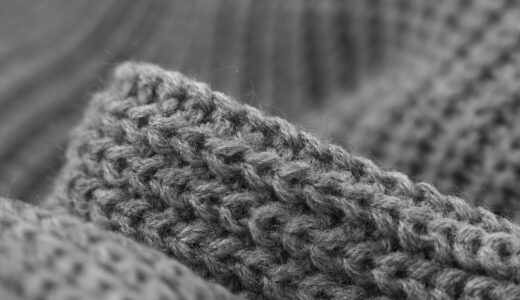
Pilling is often seen before many other fabric problems. Customers touch the sleeve, rub the thigh area, or look closely at the collar edge when they judge a garment. Once pills show up, the fabric may look old to them, even when tensile strength and colorfastness are still acceptable.
Trade Data Makes Consistent Reports More Valuable
Source note: WTO World Trade Statistics 2023 reported that world trade in goods and commercial services fell 2% to US$30.5 trillion, while goods trade dropped 5%. When the market is slow, buyers compare suppliers more closely on price, delivery, and test paperwork. A clear pilling report can help support trust during quality and price discussions.
A Small Lab Result Can Save a Large Shipment
A failed bulk order can mean fabric replacement, rework, late delivery, or discount claims. A pilling tester gives the team an early signal during yarn approval, dye lot checks, finishing trials, and pre-shipment testing. It is much cheaper to catch a weak surface in the lab than after cartons are packed.
How Does a Pilling Tester Work?
A pilling tester cannot copy every real wearing habit. What it does is create controlled rubbing, so one fabric can be compared with another under the same conditions. The value is in repeat work: same specimen size, same movement, same load, same abradant, and same grading light. It is not exciting work, but that is exactly what a lab needs.
Controlled Rubbing with Standard Motions
Common pilling machines include modified Martindale systems, random tumble pilling testers, and pilling boxes. Each one moves the fabric and fibers in a different way. A result from one method should not be treated as equal to another method unless the buyer has agreed to that comparison.
Specimens, Abradants, and Pressure
The specimen is mounted, rubbed against the required surface, and removed at the stated cycle point. Small setup errors can change the result more than people expect. Loose mounting may wrinkle the fabric, while dirty abradants can add extra friction. Wrong pressure can make a usable fabric look worse than it really is.
Visual Grading and Repeatable Notes
Many reports use a visual grade scale, where a higher grade means a cleaner surface and a lower grade means more pilling, fuzzing, or matting. The grade should not stand alone. Photos, grader names, light conditions, and cycle counts help another lab or buyer understand the result without guessing.
Which Standards Should You Match Before Testing?
The best pilling tester is not simply the most expensive one in the catalog. It is the machine that matches the method written in the buyer’s test requirement. Before purchase, check the exact standard name, year, fixture type, motion, test pressure, specimen number, and report format.
ISO 12945-2 for Modified Martindale Testing
Source note: ISO 12945-2:2020 is titled Textiles, Determination of Fabric Propensity to Surface Pilling, Fuzzing or Matting, Part 2, Modified Martindale Method. ISO lists it as Edition 2, published in October 2020. If your buyer names this method, the pilling tester has to support the modified Martindale setup, not only a general rubbing function.
ASTM D4970 for Martindale Pilling Reports
Source note: ASTM lists D4970/D4970M as the Standard Test Method for Pilling Resistance and Other Related Surface Changes of Textile Fabrics using a Martindale tester. The ASTM listing viewed in 2026 shows D4970/D4970M-22R26, which points to the 2022 version reapproved in 2026. Put the exact version in the report, because a buyer may check that line during approval.
AATCC Laundering Methods for Washed Appearance
AATCC publishes many textile test methods, including TM124 for smoothness appearance after home laundering and TM143 for appearance of apparel after home laundering. These methods are not a direct replacement for a pilling method. Even so, they matter when buyers ask for pilling checks before and after washing.
What Fabric Factors Change Pilling Results?
Pilling is not only about the machine. The tester shows what the fabric is already likely to do under rubbing. Fiber, yarn, knit or woven structure, finishing, and garment use all affect the result. For that reason, a test report should be read together with fabric construction details.
Fiber Type and Staple Length
Loose fiber ends usually show as fuzz first. After more rubbing, the fuzz can tangle into pills. Strong synthetic fibers may keep pills on the surface for longer because they do not break off easily. Shorter staple fibers often move to the surface faster, especially in soft brushed fabrics.
Yarn Twist and Fabric Construction
Low-twist yarn can feel soft in the showroom, but it may release fibers sooner under rubbing. Dense woven fabrics often control surface movement better than loose knits. Rib cuffs, fleece backs, and brushed jerseys need extra attention because those parts face friction in normal use.
Finishing, Washing, and Daily Wear
Anti-pilling finishes, singeing, shearing, enzyme treatment, and heat setting can all change the final grade. Washing also has a clear effect on the surface. Source note: U.S. eCFR 16 CFR 1615.4 uses 50 washing and drying cycles by reference to AATCC TM124 for certain children’s sleepwear flammability testing, showing how repeated laundering can become part of regulated textile evaluation. See also: Applications.
How Should You Choose a Pilling Tester for Your Lab?
Start with the orders your team actually tests. A small sample room may only need one compact machine, while a busy third-party lab may need several stations, faster specimen handling, and reliable service support. Buying too small creates waiting time. Buying more functions than you use can tie up budget for no real gain.
Standard Compliance First
Ask whether the tester can run the methods your customers name, such as ISO 12945-2 or ASTM D4970. Check motion accuracy, loading options, specimen holders, counters, and accessory kits. A touchscreen is useful, but it cannot fix a machine that does not match the required method. The method comes first.
Station Count and Daily Sample Flow
Count your normal sample volume before choosing the station number. If one fabric needs face and back tests, plus two colors and repeat specimens, the sample count grows fast. For export mills, a multi-station pilling tester can reduce waiting time before shipment booking. This is especially helpful when approval is close to the packing date.
Fixtures, Calibration, and Service
Good accessories help keep testing steady. Look for secure clamps, test tables that are easy to clean, stable weights, spare felt or abradant supply, and clear calibration guidance. Service response also matters in daily use. A machine stopped for one small part can hold up a production approval.
How Can You Read Test Results Without Overreacting?
A pilling grade is useful, but it is not a magic answer. One number cannot cover every wearing habit, wash routine, fiber blend, and garment area. Treat the result as a decision tool. Read it together with buyer limits, fabric cost, end use, and past records from similar styles.
Compare Results Within the Same Method
Do not compare a random tumble result with a Martindale result as if they came from the same test. Even within Martindale testing, compare the same cycle count, pressure, abradant, and grading scale. A small method change can move the grade and cause a wrong decision.
Link Grades to Buyer Risk
No reliable public data gives one universal pass grade for all apparel categories. A coat lining, school sweater, sofa fabric, and yoga legging face different friction in use. The buyer specification should set the limit, and the lab should flag borderline results before production moves too far.
Record Photos, Conditions, and Deviations
Photos make reports easier to discuss with buyers and production teams. Add specimen direction, test face, conditioning, cycle point, and any deviation. If a fabric fails only after washing, say it clearly. If the surface pills only in one colorway, that detail may point back to finishing or dyeing.
FAQ
Q1: What Is a Pilling Tester Used for? A: It is used to test how likely a fabric surface is to form fuzz, pills, or matting under controlled rubbing. The result helps you compare fabrics, check finishing, and support buyer approval.
Q2: Is a Martindale Tester the Same as a Pilling Tester? A: A Martindale tester can be used for pilling when it is fitted and set according to the right method, such as ISO 12945-2 or ASTM D4970. It can also be used for abrasion tests under other standards, so the setup must be checked.
Q3: What Grade Is Good for Pilling? A: Many grading systems treat higher numbers as better surface appearance, but there is no single public pass grade for every product. Follow the buyer’s specification, fabric end use, and named test method.
Q4: Can Anti-Pilling Finish Fix a Bad Fabric? A: It can improve surface behavior, but it cannot solve every problem. Fiber length, yarn twist, knit density, brushing, and wash conditions still affect the final result.
Q5: What Should You Check Before Buying a Pilling Tester? A: Check the required standards, motion type, station count, available fixtures, calibration support, spare parts, and report needs. The right tester should match your daily samples, not just the catalog photo.