Poly fleece fabric explained for apparel, blankets, and textile sourcing

What is poly fleece?
Poly fleece is a knitted polyester fabric with a raised, brushed, or sheared surface. That surface traps air, giving the fabric its soft hand and insulating feel. It is widely used in sweatshirts, mid-layer jackets, blankets, robes, baby items, pet products, and cold-weather accessories because it is warm for its weight, quick drying, relatively easy to sew, and available in many weights and finishes.
For textile sourcing, the important point is that poly fleece is not one single fabric. Performance depends on fiber type, yarn count, knit structure, grams per square meter, brushing level, anti-pilling treatment, dyeing quality, and any functional finish added after knitting. In practical buying terms, it should be specified by construction and test requirements, not by name alone. A 150 gsm microfleece for a lightweight lining behaves very differently from a 300 gsm sherpa fleece for blankets or outerwear.
How poly fleece is made
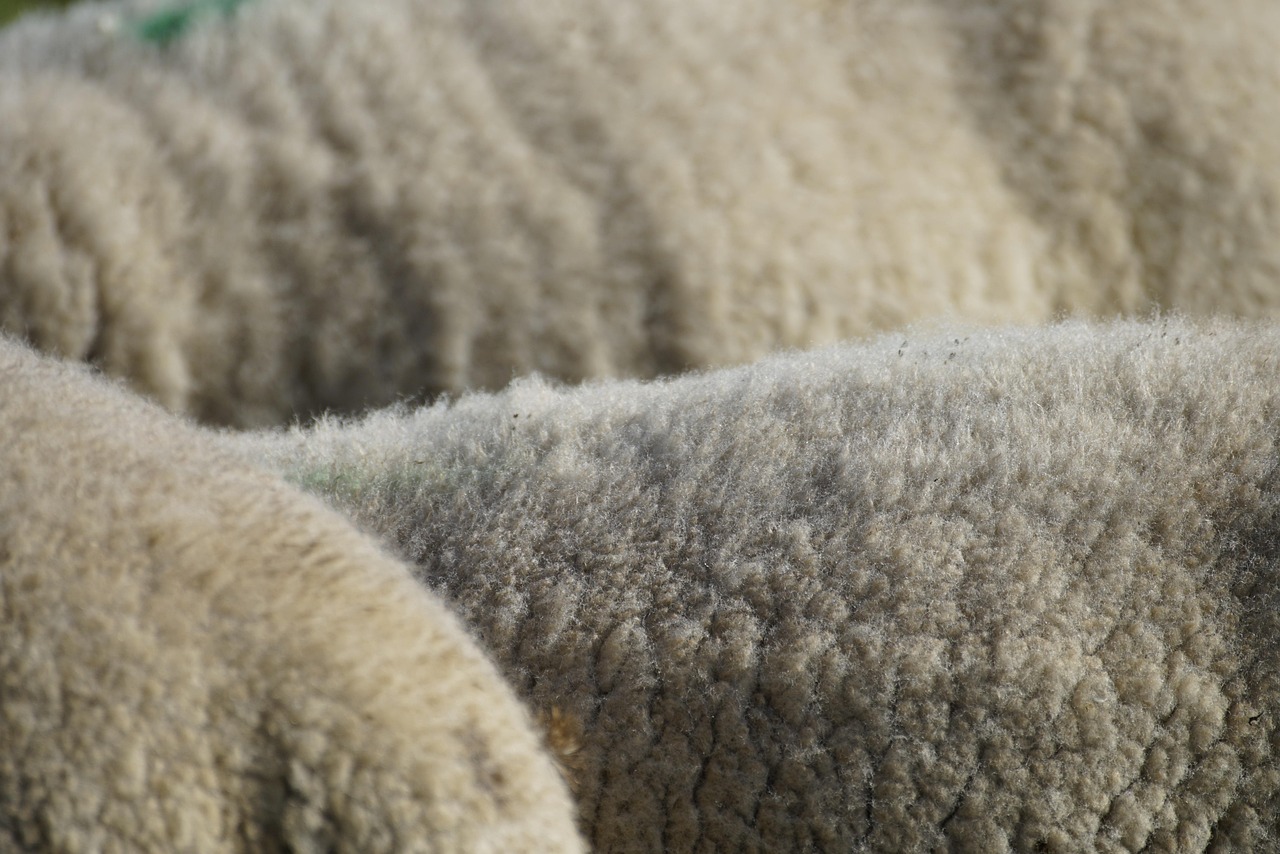
Most poly fleece starts with polyester yarn, usually made from polyethylene terephthalate, commonly known as PET. The yarn is knitted into a base fabric and then mechanically finished to create a soft, raised surface. This finishing stage is what gives fleece its recognizable touch and loft.
A typical production route includes knitting, dyeing, brushing or raising, shearing, heat setting, and quality inspection. Some fleece is brushed on one side, while other types are brushed on both sides. Shearing can make the pile more even, and heat setting helps stabilize width, shrinkage, and surface appearance. Depending on the end use, mills may also add anti-pilling, moisture-management, water-repellent, or flame-retardant finishes.
Textile terminology standards such as ASTM D123 are often used in the industry to keep fabric language consistent. Performance methods such as AATCC water-resistance or colorfastness tests may be used when a fleece carries functional claims. For buyers, the key point is simple: the soft surface is created by controlled mechanical finishing, and that finishing must be balanced with durability. Excessive brushing can create an attractive plush hand at first, but it may also increase shedding, flattening, or pilling if the yarn and fabric structure are not suitable.
Main types of poly fleece in the textile market
Suppliers may use different naming systems, but most commercial poly fleece falls into several recognizable categories. Understanding these categories helps buyers compare quotations more accurately and avoid confusing similar-looking materials.
Microfleece
Microfleece is lightweight, soft, and commonly used for linings, babywear, pajamas, light pullovers, travel blankets, and layering garments. It often sits in the lower gsm range and is valued for softness and packability. Because it is thin, it may not provide the same bulk warmth as heavier fleece, but it works well where comfort and low weight are the main priorities.
Polar fleece
Polar fleece is the classic midweight option for jackets, hoodies, outdoor mid-layers, blankets, and casualwear. It usually has more body than microfleece and can be brushed on one or both sides. The term is widely used, but specifications still matter. One mill’s polar fleece may differ significantly from another in weight, pile height, stretch, and pilling performance.
Sherpa fleece
Sherpa fleece has a curly or wool-like pile surface that gives it a bulky, cozy appearance. It is common in blanket backs, jacket linings, casual outerwear, slippers, and home textiles. Sherpa can look premium, but buyers should check pile security, shedding, seam bulk, and laundering appearance because its surface texture makes defects more visible.
Coral fleece and flannel fleece
Coral fleece and flannel fleece are frequently used in blankets, sleepwear, robes, and plush home products. These fabrics are selected mainly for hand feel, visual softness, and warmth perception. For export orders, colorfastness, dimensional stability, pile loss, and packaging compression recovery are important quality points.
Key specifications buyers should compare
Two fleece samples can look similar in a showroom but perform very differently after cutting, sewing, shipping, and laundering. A clear specification sheet reduces disputes and makes supplier comparison easier. The table below summarizes the most useful specification points for poly fleece sourcing.
| Specification point | Why it matters | Common sourcing note |
|---|---|---|
| Fabric weight | Influences warmth, drape, cost, and shipping weight | Confirm gsm after finishing, not only greige weight |
| Width | Affects marker efficiency and fabric consumption | Check usable width after heat setting |
| Brushing side | Changes hand feel, warmth, and seam behavior | Specify one-side or two-side brushing clearly |
| Anti-pilling level | Controls appearance after wear and washing | Request test results rather than relying on the claim |
| Stretch and recovery | Important for hoodies, leggings linings, and active layers | Clarify whether elastane is included or stretch comes from knit structure |
| Colorfastness | Reduces risk of staining, fading, and customer complaints | Check washing, rubbing, perspiration, and light requirements as needed |
| Shrinkage | Affects garment fit and blanket dimensions | Test after the intended washing and drying method |
| Pile loss | Relevant for plush fleece, sherpa, and blankets | Evaluate linting, shedding, and surface change after laundering |
For more textile material context, buyers can also review related fabric discussions in the Materials section.
Advantages and limitations of poly fleece
Poly fleece remains popular because it solves several practical product problems. It provides warmth without the heavy moisture absorption associated with many natural fibers, dries faster than cotton fleece, and can be engineered in many textures and weights. It is also compatible with digital color control, all-over printing in some constructions, embossing, bonding, lamination, and functional finishing.
Another advantage is consistency. Polyester yarns can be produced with relatively uniform characteristics, which helps mills maintain repeatable color, width, and handle across large orders. This is one reason fleece is common in mass-market apparel and home textiles.
Poly fleece also has limitations. It can pill if the fiber, yarn, knitting, and finishing are not properly controlled. It can generate static in dry conditions. It may melt or deform under high heat, so ironing and tumble-drying instructions must be appropriate. Like many synthetic textiles, it can release fiber fragments during washing. This issue has received more attention in sustainability discussions and has encouraged brands to evaluate yarn quality, fabric durability, laundering behavior, and filtration solutions.
Poly fleece is also not naturally windproof or waterproof. A dense fleece can reduce air movement, and a bonded or laminated fleece can improve weather protection, but standard brushed fleece should not be marketed as waterproof unless testing supports that claim. If water resistance is required, the product specification should define the test method, target level, and whether the finish must remain effective after laundering.
Recycled polyester fleece and sustainability questions
Recycled polyester fleece is widely offered in apparel and home textile supply chains. The most common feedstock is recycled PET, often from bottles, although textile-to-textile recycled polyester is still a developing area rather than the dominant commercial source. Textile Exchange’s 2025 Materials Market Report stated that recycled polyester production rose from about 8.9 million tonnes in 2023 to about 9.3 million tonnes in 2024, while recycled content still represented only a minority share of total polyester. This context matters because recycled fleece availability is improving, but buyers should not assume every recycled claim reflects the same feedstock, certification scope, or traceability level. See also: Applications.
For sourcing teams, the practical questions are straightforward. Is the recycled content pre-consumer or post-consumer? Is the claim certified by a recognized chain-of-custody program? Does the certificate cover the mill, the yarn, the finished fabric, or only an upstream supplier? Is the recycled percentage calculated by weight, and is it shown clearly on the transaction documents?
Sustainability evaluation should also include durability. A fleece that keeps its surface appearance after repeated use can reduce premature disposal. Anti-pilling performance, seam strength, colorfastness, and shrinkage are therefore not only quality concerns but also part of responsible material selection. Recycled content is valuable, but it does not replace the need for long service life and transparent claims.
Finishes, compliance, and testing considerations
Many fleece fabrics are sold with added performance features, but each claim should be connected to a measurable requirement. Anti-pilling fleece should be tested for surface change. Moisture-management fleece should be evaluated for drying or wicking performance. Water-repellent fleece should be assessed according to an agreed method and wash durability condition. Flame-retardant fleece needs careful review because requirements differ by product category, market, and end user.
Regulatory and chemical expectations are also changing. The OECD has documented the use of chemicals in fabric finishing and coating, including water- and oil-repellent functions, while many markets are paying closer attention to PFAS and other restricted substances. For fleece products, this does not mean every fabric contains the same chemistry. It means buyers should ask for a restricted substances list, safety data where appropriate, and test reports matched to the destination market.
Children’s products, sleepwear, workwear, and upholstery-related fleece may require more specific compliance checks than ordinary adult casualwear. Importers should confirm flammability, labeling, fiber content, care instructions, and chemical restrictions before bulk production. When the product is sold across multiple regions, the strictest target-market requirement often becomes the safest basis for the specification.
How to choose the right poly fleece for an application
The best fleece choice depends on the product’s function, price point, and expected care conditions. A hoodie needs balanced warmth, drape, pilling resistance, and sewing stability. A blanket may prioritize plush hand feel, width, color brightness, and pile retention. A jacket lining needs comfort, abrasion resistance, and compatibility with the shell fabric. A pet product may require stronger attention to shedding, odor retention, and repeated washing.
Before approving bulk fabric, buyers should request lab dips or strike-offs, a pre-production sample, and a small laundering review using the actual care label conditions. If the fleece will be bonded, quilted, printed, or laminated, the fabric should be tested after that process, not only before it. Finishing can change hand feel, width, stretch, and surface appearance.
A useful sourcing checklist includes these questions:
- What is the exact composition, including any elastane or recycled polyester percentage?
- What are the confirmed gsm, width, and tolerance after finishing?
- Is the fabric brushed on one side or both sides?
- What anti-pilling, colorfastness, shrinkage, and pile-loss results are available?
- Does the fabric need water repellency, moisture management, bonding, or lamination?
- Are claims such as recycled content, water resistance, or flame retardancy supported by documents?
- Will the fabric be used for adults, children, bedding, pets, uniforms, or outdoor products?
For buyers comparing suppliers, the most reliable approach is to approve poly fleece by measurable performance and end-use fit. Softness is important, but it should not be the only decision factor. The right fleece combines touch, durability, compliance, and cost in a way that matches the finished product.
Frequently asked questions
Is poly fleece the same as polyester fleece?
In most commercial textile contexts, poly fleece and polyester fleece refer to the same general material category. Both describe fleece made mainly from polyester fibers. The exact fabric still depends on knit structure, weight, brushing, finishing, and performance requirements.
Is poly fleece warm?
Yes, poly fleece is generally warm because its raised surface traps air. Warmth varies by gsm, pile height, density, garment design, and whether the fleece is used alone or as a lining. Heavy sherpa fleece usually feels warmer than thin microfleece, but construction and layering also matter.
Does poly fleece pill?
Poly fleece can pill, especially when lower-quality yarns, loose structures, or aggressive brushing are used. Anti-pilling finishing and suitable yarn selection can reduce the problem, but buyers should request test results and review washed samples before approving production.
Is recycled poly fleece always more sustainable?
Recycled content can reduce reliance on virgin fossil-based polyester, but it is not the only sustainability factor. Feedstock, certification, processing impact, durability, shedding behavior, and end-of-life options should also be considered. A recycled fleece that performs poorly may not be the responsible choice for every product.
Can poly fleece be waterproof?
Standard brushed poly fleece is not waterproof. It may dry quickly and provide warmth, but water can pass through the fabric. Waterproof or highly water-resistant performance usually requires coating, lamination, bonding, or a tested repellent finish, and the claim should be supported by an appropriate test method.