Polyester mesh material properties, types and textile applications
What polyester mesh material is
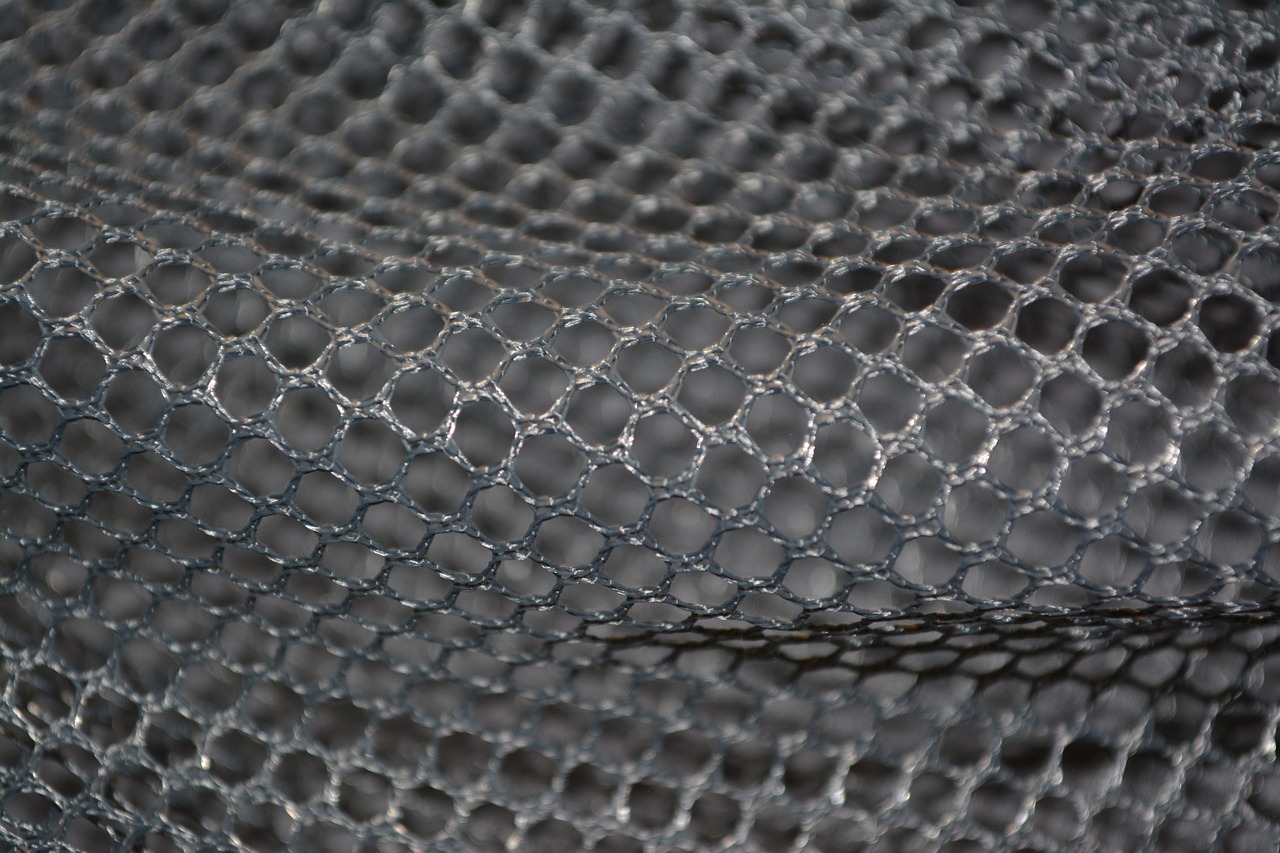
Polyester mesh material is an open-structure textile made primarily from polyester yarns, most commonly polyethylene terephthalate. The yarns may be woven, knitted or formed into spacer fabric so air, moisture vapor, light or liquid can pass through the surface. For textile buyers and product developers, the key question is not whether polyester mesh is generally suitable, but which construction, yarn type, aperture, weight and finish fit the end use. The same fiber base can be used for a soft sportswear lining, a rigid screen-printing mesh, a ventilated shoe upper or a technical filtration layer.
Polyester mesh is commonly selected for breathability, moderate-to-high durability, dimensional stability, quick drying and cost efficiency. It should not be treated as one universal fabric. Monofilament woven mesh, stretch warp-knit mesh and thick 3D spacer mesh can behave very differently in cutting, sewing, tensioning, washing and long-term use.
How construction shapes performance
The performance of mesh starts with geometry. Polyester provides the fiber base, but the size, shape and stability of the openings determine airflow, transparency, drainage, print deposit, filtration behavior and hand feel. A dense mesh with small apertures may still be polyester mesh, but it can feel much less airy than a lighter fabric with larger openings. A heavy spacer mesh may feel breathable at first touch, yet trap heat if foam, laminate or backing layers are added in the finished product.
| Construction | Main characteristics | Typical uses | Key limitation |
|---|---|---|---|
| Warp-knit mesh | Stable loops, flexible hand, good recovery when engineered correctly | Sportswear, linings, footwear, bags, seating | Can snag or distort if yarn and stitch density are unsuitable |
| Circular-knit mesh | Soft, elastic and garment-friendly | Apparel panels, casualwear, pocketing | Less dimensionally stable than many woven meshes |
| Woven monofilament mesh | Smooth single-filament yarns, regular apertures, controlled thickness | Screen printing, filtration, separation, industrial uses | Can feel stiff for skin-contact apparel |
| Multifilament mesh | Yarns made from multiple fine filaments, softer surface, more textile-like hand | Bags, trims, apparel and general textile components | May hold more particles or moisture than smooth monofilament |
| 3D spacer mesh | Two surface layers connected by pile yarns, creating cushioning and air channels | Footwear, backpacks, seating, protective pads | Bulk and compression behavior must be tested for the final product |
In general, knitted mesh is chosen when comfort, flex and softness matter. Woven monofilament mesh is more common where aperture precision, low elongation or liquid passage is important. Spacer mesh is used when the fabric must provide cushioning as well as ventilation.
Specifications to check before choosing a mesh
A useful technical data sheet for polyester mesh material should include more than color and width. Mesh count alone rarely gives enough information, because two fabrics with the same count can differ in yarn diameter, open area, thickness and finishing. When comparing suppliers or substitute materials, buyers should look for measurable values and the test method behind each value.
- Fiber composition: Confirm whether the fabric is virgin polyester, recycled polyester, a polyester-elastane blend or a coated composite. For covered consumer textile products sold in the United States, FTC textile labeling rules require fiber content, country of origin and an appropriate manufacturer or responsible company identifier.
- Yarn type: Monofilament yarn supports smoother, more regular openings. Multifilament yarn generally improves softness but may change abrasion, linting and cleaning behavior.
- Mesh count and aperture: Mesh count indicates the number of openings or yarns per unit, while aperture measures the opening size. Aperture is usually more useful for filtration, printing and drainage decisions.
- Fabric weight: Mass per unit area is often expressed as GSM. ASTM D3776/D3776M is a common reference for measuring fabric mass per unit area.
- Air permeability: ISO 9237 and ASTM D737 are common reference methods for assessing how much air passes through permeable textile fabrics under defined conditions.
- Tensile strength and elongation: ASTM D5034 is widely referenced for grab strength and elongation of many woven and nonwoven textile fabrics, although highly stretch knitted fabrics may need other methods.
- Dimensional stability: Heat setting, washing, coating and lamination can all affect shrinkage and skew. This is important for panels, screen frames and cut-and-sew components.
- Finish and after-treatment: Dyeing, calendaring, resin finishing, flame-retardant treatment, water repellency, antimicrobial finishing or UV stabilizers should be specified only when they are tested and needed.
Performance benefits and practical limits
Polyester mesh has several strengths that explain its broad use in textile applications. Polyester fibers have low moisture absorption compared with many natural fibers, so mesh made from polyester often dries quickly. The fiber also supports dimensional stability, abrasion resistance and color retention when the yarn, dyeing and finishing are properly selected. In apparel and footwear, polyester mesh is useful for ventilation zones, lining layers and lightweight panels. In industrial uses, the same base material can be engineered into a more precise woven mesh for screening, separation or controlled deposition.
The limits are just as important. Breathability is not guaranteed by the word mesh; it depends on open area, fabric thickness, layering and coatings. Polyester is not naturally absorbent, so skin-contact fabrics may need construction or finishing choices that improve comfort. Open structures can snag, fray or stretch if the yarn and stitch are not suited to the stress points of a product. High heat during finishing, ironing, bonding or end use can also affect shape and surface quality. If a mesh is expected to carry load, resist abrasion, pass a flame test or remain in contact with skin for long periods, the finished composite should be tested rather than judged by fiber name alone.
Sustainability and compliance considerations
Polyester mesh sits inside a wider discussion about synthetic fibers. Textile Exchange’s Materials Market Report 2025, released on September 18, 2025 and covering 2024 production, reported that global fiber production reached about 132 million tonnes in 2024. Polyester accounted for about 78 million tonnes, or 59% of global fiber output. The report also stated that recycled polyester reached about 9.3 million tonnes, but its share of polyester production declined to about 12% because virgin polyester grew faster.
For mesh selection, the useful conclusion is balanced. Recycled polyester can reduce dependence on virgin fossil-based feedstock when verified and appropriately specified, but it does not automatically solve every environmental issue. Textile Exchange notes that recycled polyester is still mainly bottle-based rather than textile-to-textile. OECD and European Environment Agency publications also identify microfiber release from synthetic textiles as an environmental concern influenced by fiber, yarn, fabric construction, washing conditions and wastewater systems. A responsible material decision should therefore consider durability, verified recycled content, chemical restrictions, shedding risk, repairability and end-of-life route together.
Claims should be precise. If a fabric is described as recycled, the percentage and certification basis should be documented. If it is described as antibacterial, flame retardant, UV resistant or biodegradable, the claim should be supported by suitable testing and should not be implied from polyester mesh alone.
How to choose polyester mesh for common textile applications
Apparel and sportswear
For apparel, comfort normally comes first. Look for soft warp-knit or circular-knit mesh, suitable stretch, low skin irritation risk and good colorfastness. Air permeability matters, but so do seam behavior, pilling, snagging and how the mesh feels when layered under straps, padding or outer shells.
Footwear, bags and accessories
Footwear and bag panels need a balance of ventilation, abrasion resistance and dimensional control. Spacer mesh can add cushioning, while laminated mesh can improve structure. However, adhesives, foams and backings may reduce breathability, so the full material package should be evaluated rather than the face mesh alone. See also: Applications.
Screen printing and technical filtration
Precision uses usually favor woven monofilament polyester because smooth yarns and regular openings support repeatable performance. Important specifications include mesh count, thread diameter, aperture, open area, thickness, tension behavior and chemical compatibility with inks, pastes or cleaning agents.
Home and industrial textiles
For seating, shading, protective covers and industrial dividers, the most important questions are load, sunlight exposure, abrasion, cleaning method and flame or chemical requirements. A mesh that works for indoor lining may not be suitable for outdoor tensioned panels or repeated industrial washing.
Practical inspection checklist
Before approving a polyester mesh material, review a physical sample, a technical sheet and the intended test plan together. Useful checks include visual uniformity, edge behavior after cutting, hole regularity, fabric bow and skew, hand feel, odor, shade consistency, roll length, usable width and packaging condition. For repeat orders, compare new lots against an approved reference sample rather than relying only on nominal specifications.
For more fabric explainers and textile material background, browse the Materials section.
Frequently asked questions
Is polyester mesh material breathable?
It can be highly breathable, but breathability depends on open area, aperture size, fabric thickness and any coating or backing. A coated or laminated mesh may pass much less air than an uncoated open mesh.
Is polyester mesh waterproof?
Polyester fiber absorbs little water, but mesh is an open fabric and is not waterproof by itself. Waterproof performance requires a film, coating, laminate or separate barrier layer, which may reduce airflow.
What is the difference between monofilament and multifilament polyester mesh?
Monofilament mesh uses single, smooth filaments that create more regular openings and are often preferred for screen printing or filtration. Multifilament mesh uses yarns made from many fine filaments and is usually softer and more textile-like.
Can polyester mesh be made from recycled polyester?
Yes, polyester mesh can be made with recycled polyester if the yarn supply and specification support it. The recycled percentage, certification, color limitations and performance effects should be confirmed for the exact fabric.
Does a higher mesh count always mean better quality?
No. Higher mesh count means more openings or yarns per unit, but quality depends on the intended use. Aperture, yarn diameter, open area, thickness, tension stability, finish and test results are often more important than mesh count alone.