Plain woven cotton fabric and why construction details matter
What plain woven cotton fabric means
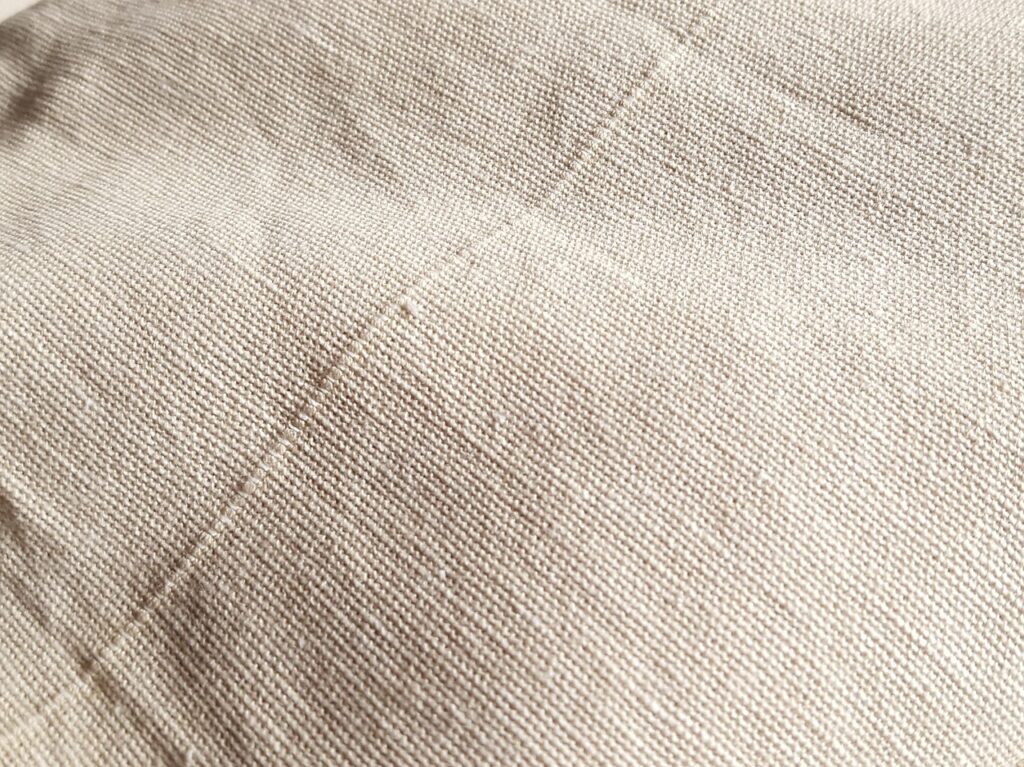
Plain woven cotton fabric is a cotton textile made with the most direct woven structure: each warp yarn passes alternately over and under each weft yarn. This simple interlacing creates a stable, versatile fabric family used in shirting, lining, quilting, home textiles, printing substrates and many light to medium apparel applications.
The key point is that “plain woven cotton fabric” is not one fixed product. It may be light or heavy, soft or crisp, open or compact. The final result depends on yarn count, thread density, fabric weight, finishing and quality control.
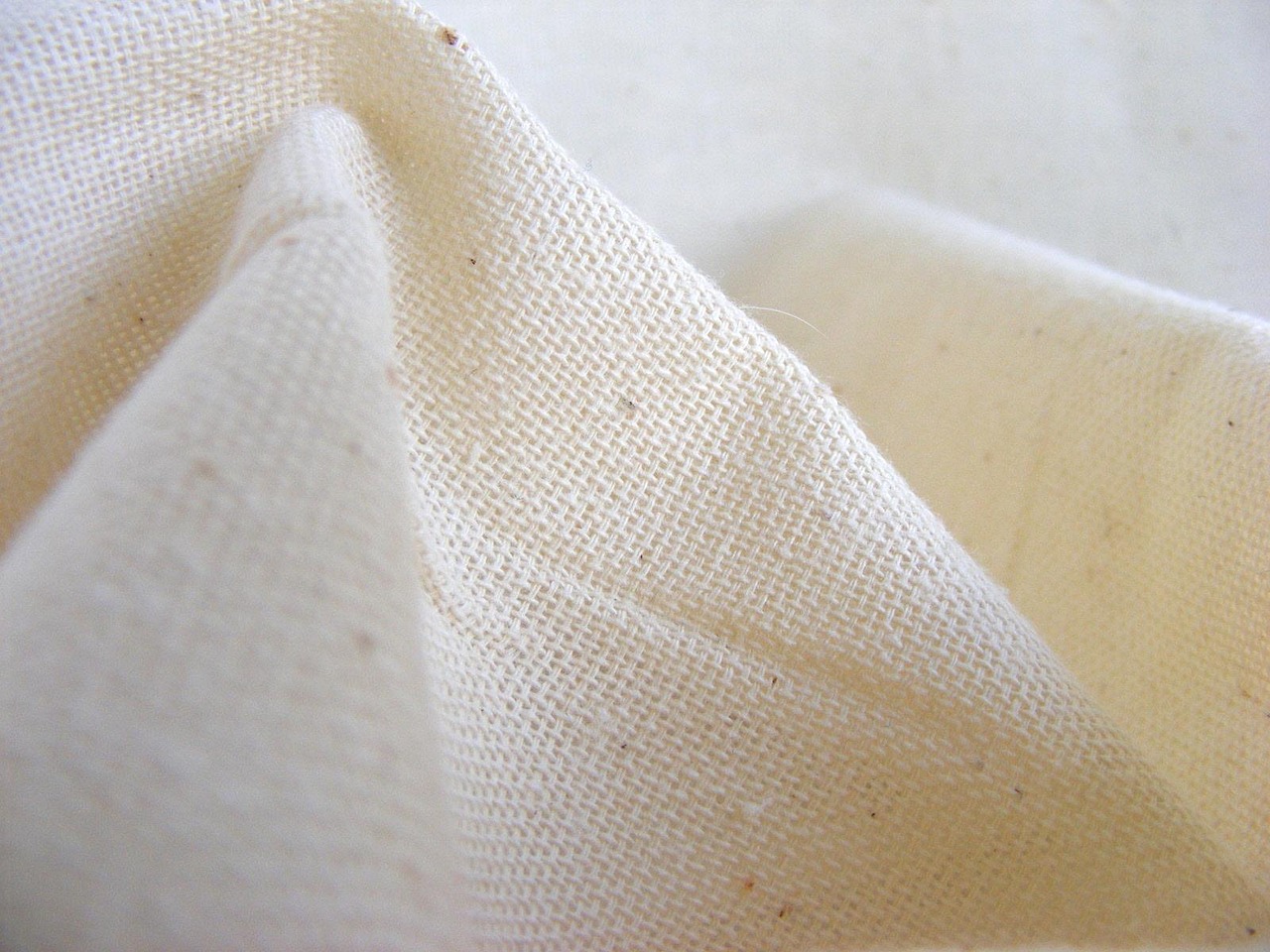
For readers comparing woven fabric structures, plain weave is usually the baseline. It is easier to recognize than twill or satin because the face and back are often similar, the repeat is small, and the cloth has fewer long yarn floats. That does not make sourcing simple. Two plain woven cotton fabrics can look similar in a photo but behave very differently in cutting, sewing, printing, washing and long-term use.
How the plain weave structure works
In woven textiles, warp yarns run lengthwise and are held under tension on the loom, while weft yarns are inserted crosswise. In a plain weave, the repeat is one over and one under. On the next pick, the order reverses. This creates many interlacing points, which generally supports dimensional stability and surface uniformity.
Compared with twill weaves, plain weaves do not form diagonal ribs unless yarn color, yarn size or finishing creates that visual effect. Compared with satin weaves, plain weaves have shorter floats, so they usually show less surface luster and a less slippery hand. These are structure-based tendencies, not fixed rules. Fiber quality, yarn twist, density, mercerization, calendaring, brushing and resin finishing can all change the final appearance and hand feel.
This structure is also why many familiar cotton fabrics fall within the plain weave family. Poplin, voile, lawn, muslin, cambric, broadcloth and many quilting cottons can all be plain woven, although each name usually points to a different combination of yarn, density, weight and finish. The weave tells only part of the story.
Key specifications that define fabric behavior
When evaluating plain woven cotton fabric, measurable specifications are more useful than broad descriptions such as “soft cotton” or “regular cotton.” The details below help explain how the fabric is likely to perform in production and end use.
| Specification | What it tells you | Why it matters |
|---|---|---|
| Fiber content | Whether the fabric is 100% cotton or blended | Blends can affect shrinkage, strength, dyeing and hand feel |
| Yarn count | Relative yarn fineness | Finer yarns often support smoother and lighter fabrics; coarser yarns can add body |
| Thread density | Ends per inch and picks per inch, or metric equivalents | Higher density can improve cover and stability, but may reduce air permeability |
| Fabric weight | Mass per unit area, often expressed as gsm | Helps compare suitability for shirts, linings, curtains, bags or craft uses |
| Width | Usable fabric width after finishing | Affects marker planning, cutting efficiency and waste |
| Finish | Bleached, dyed, printed, mercerized, brushed, sanforized or otherwise finished | Finishing can change shrinkage, color, luster, softness and handle |
| Test method | The standard used to measure a property | Improves comparability between samples, suppliers and inspection reports |
Public textile standards commonly used in the industry include methods for measuring thread count, mass per unit area, breaking strength, tear strength, colorfastness and dimensional change. ASTM, ISO and AATCC methods are often referenced in fabric specifications, although the exact method should match the market, product category and buyer requirement.
A specification without a test method can be difficult to verify. Different laboratories or suppliers may measure the same property in different ways, so the method, sample condition and reported unit should be clear before results are compared.
Performance strengths and practical limits
The main strength of plain woven cotton fabric is balance. The structure can provide a clean surface, good stability and straightforward handling. This makes it suitable for printing, embroidery, quilting, lightweight apparel, home sewing, pocketing, lining and many general textile applications.
Because the interlacing points are frequent, plain weave fabrics can resist yarn slippage better than fabrics with long floats. The surface is usually less prone to snagging than some satin constructions. The cloth can also be economical to produce because the weave repeat is simple and widely supported across weaving mills.
There are limits. A plain woven structure can feel firm or papery if the yarns are dense, coarse or highly twisted. Very light plain cotton can be transparent or less durable if yarn strength and density are low. Heavy plain cotton can be strong but may lack drape. Cotton fiber itself can absorb moisture well, but it can also shrink if fabric preparation, finishing and laundering conditions are not controlled. For garment or home textile use, shrinkage testing and wash trials are important before bulk decisions.
A higher thread count is not automatically better. Density has to work with yarn count, fiber quality and finish. A very dense fabric may have good cover but reduced breathability. A moderately dense fabric made with better yarn and finishing may perform better than a dense fabric made with weaker yarns. For a useful comparison, buyers should review samples, test data and intended use together.
Common types and applications
Plain woven cotton fabric is sold under many commercial names. These names help with communication, but they should not replace technical details.
Muslin and calico
Muslin and calico are often used for sample garments, craft, printing trials, linings and utility textiles. They may be supplied unbleached, bleached, dyed or printed. Weight and density vary widely, so the name alone is not enough for sourcing.
Poplin and broadcloth
Cotton poplin and broadcloth are commonly associated with shirts, dresses, uniforms and lightweight home textile uses. Many versions are compact and smooth, with a clean appearance that supports dyeing and printing. Some poplins use different yarn sizes in warp and weft, giving a subtle rib or firm hand even when the weave remains plain.
Voile, lawn and cambric
These fabrics are typically lighter and finer than utility cottons. They may be used in blouses, summer garments, curtains and delicate textile products. Their appeal depends on softness, transparency, smoothness and drape, but they may require careful handling during sewing.
Canvas and duck variations
Some cotton canvas and duck fabrics are plain woven but much heavier than shirting fabrics. They are used for bags, workwear, slipcovers, craft, upholstery-related projects and industrial textile applications. Strength, abrasion resistance and finishing are usually more important than softness in these applications.
How to evaluate plain woven cotton fabric before production
A practical evaluation should start with the end use. A shirt fabric, a printed tote bag fabric and a quilting fabric may all be plain woven cotton, but they require different priorities. Apparel may need drape, skin comfort, colorfastness and controlled shrinkage. Printing substrates need surface smoothness, absorbency control and dimensional stability. Bags and utility items need strength, tear resistance and abrasion performance.
Use the following checklist before approving a sample:
- Confirm composition. Check whether the fabric is 100% cotton or a cotton-rich blend, because care, shrinkage and dye behavior can change.
- Measure weight and density. Compare gsm, width, ends and picks rather than relying only on hand feel.
- Review finishing. Ask whether the fabric is pre-shrunk, mercerized, brushed, calendared, resin-finished, enzyme-washed or otherwise treated.
- Test after washing. Dimensional change, twisting, wrinkling and hand feel after laundering may be more important than first-touch appearance.
- Inspect shade and surface. Look for barre, slubs, stains, neps, uneven dyeing, skew, bow and printing defects where relevant.
- Check sewing behavior. Needle cutting, seam puckering and fraying can appear only after trial sewing.
- Compare under real conditions. Evaluate fabric under intended washing, printing, cutting and packaging conditions rather than showroom conditions only.
For commercial orders, it is useful to request a technical data sheet or inspection report. The most useful reports identify the test method, sample condition and measured result. A statement such as “good strength” is less helpful than a measured value tested under a named method.
Plain weave vs twill and satin cotton fabrics
Plain weave, twill and satin are not quality grades. They are structures, and each can be made well or poorly. The best choice depends on the product.
| Structure | Typical appearance | General strengths | Possible limitations |
|---|---|---|---|
| Plain weave | Simple, even surface with small repeat | Stable, versatile, suitable for printing and general use | Can feel firm; fewer visual effects from structure alone |
| Twill weave | Diagonal line or wale | Often good drape and durability; common in denim, chino and workwear | May show directionality and can be less balanced in appearance |
| Satin weave | Smoother, often more lustrous surface | Soft touch and elegant appearance when well made | Longer floats may snag more easily and require careful use |
For printing and craft fabrics, plain woven cotton is often selected because the surface can be even and predictable. For trousers or workwear, twill may be preferred for body and diagonal texture. For bedding or fashion items requiring a smoother sheen, satin structures may be considered. These comparisons are general guidelines; final performance still depends on yarn, density, finishing and testing.
What to watch in sustainability and compliance claims
Cotton fabric discussions often include sustainability, organic certification, recycled content, chemical management and traceability. These claims need careful wording. A plain woven construction does not automatically make a fabric sustainable or unsustainable. The claim depends on fiber origin, farming system, processing chemistry, water and energy management, dyeing, finishing, packaging, transport and product life.
For responsible communication, claims such as organic cotton, recycled cotton, low-impact dyeing or restricted-substance compliance should be supported by relevant documentation. Depending on the market, this may include transaction certificates, scope certificates, restricted substance test reports, chemical management declarations or buyer-specific compliance documents. Editorial content should not treat a label as proof unless the scope and issuing body are clear.
Care labels and product safety rules also vary by market and product type. Children’s products, bedding, apparel and industrial textiles may face different requirements. When a fabric is intended for regulated categories, fabric selection should involve technical review rather than only style approval.
Frequently asked questions
Is plain woven cotton fabric the same as muslin?
No. Muslin can be a plain woven cotton fabric, but plain weave is a structure while muslin is a fabric category or trade name. Many other cotton fabrics, including poplin, lawn, voile, cambric and some canvas, can also be plain woven.
Is plain woven cotton fabric breathable?
It can be, but breathability depends on yarn, density, weight and finish. A light, open plain cotton usually allows more air movement than a dense, heavy plain cotton. Finishing can also change air permeability and moisture behavior.
Does plain weave shrink more than other weaves?
Shrinkage is not determined by weave alone. Cotton fiber, yarn tension, fabric construction, wet processing, finishing and laundering conditions all matter. Pre-shrunk or sanforized cotton may show better dimensional control than untreated fabric, but test results are needed for confirmation.
Is a higher thread count always better?
No. Higher density may improve cover and smoothness, but it can also reduce air flow or make the fabric feel stiff. The right specification depends on the intended product, yarn quality, finishing and performance requirements.
What is the best way to specify plain woven cotton fabric?
A clear specification should include fiber content, yarn count, thread density, gsm, width, finish, color or print requirement, shrinkage tolerance, colorfastness requirement and relevant test methods. A physical sample should also be approved because hand feel and drape are difficult to capture fully in numbers.
Conclusion
Plain woven cotton fabric is one of the most important foundations in textile sourcing and product design. Its one-over-one structure gives it stability, versatility and a clean surface, but final fabric quality depends on much more than the weave name. Yarn selection, density, weight, finishing, testing and end-use requirements should be considered together.
For anyone comparing cotton fabrics, the most reliable approach is to move from general names to measurable specifications. A well-described plain woven cotton fabric is easier to test, reproduce and communicate across design, sourcing, production and quality teams. That is why construction details matter: they turn a familiar fabric name into a practical textile decision.