
How to evaluate a cotton manufacturing company for reliable sourcing

What buyers need to know first
Selecting a cotton manufacturing company starts with the product and the production stage you need, not with the largest mill or the lowest quote. A reliable supplier is the one whose technical controls, fiber documentation, compliance systems, and delivery discipline match the goods you plan to source.
For sourcing teams, the sequence should be practical: define the product, confirm the company’s role in the cotton supply chain, review quality evidence, check traceability and certification scope, and then compare commercial terms. This guide is for buyers, brand teams, and textile professionals who need a structured evaluation framework rather than a generic supplier list. For related textile sourcing topics, visit the Sourcing section.
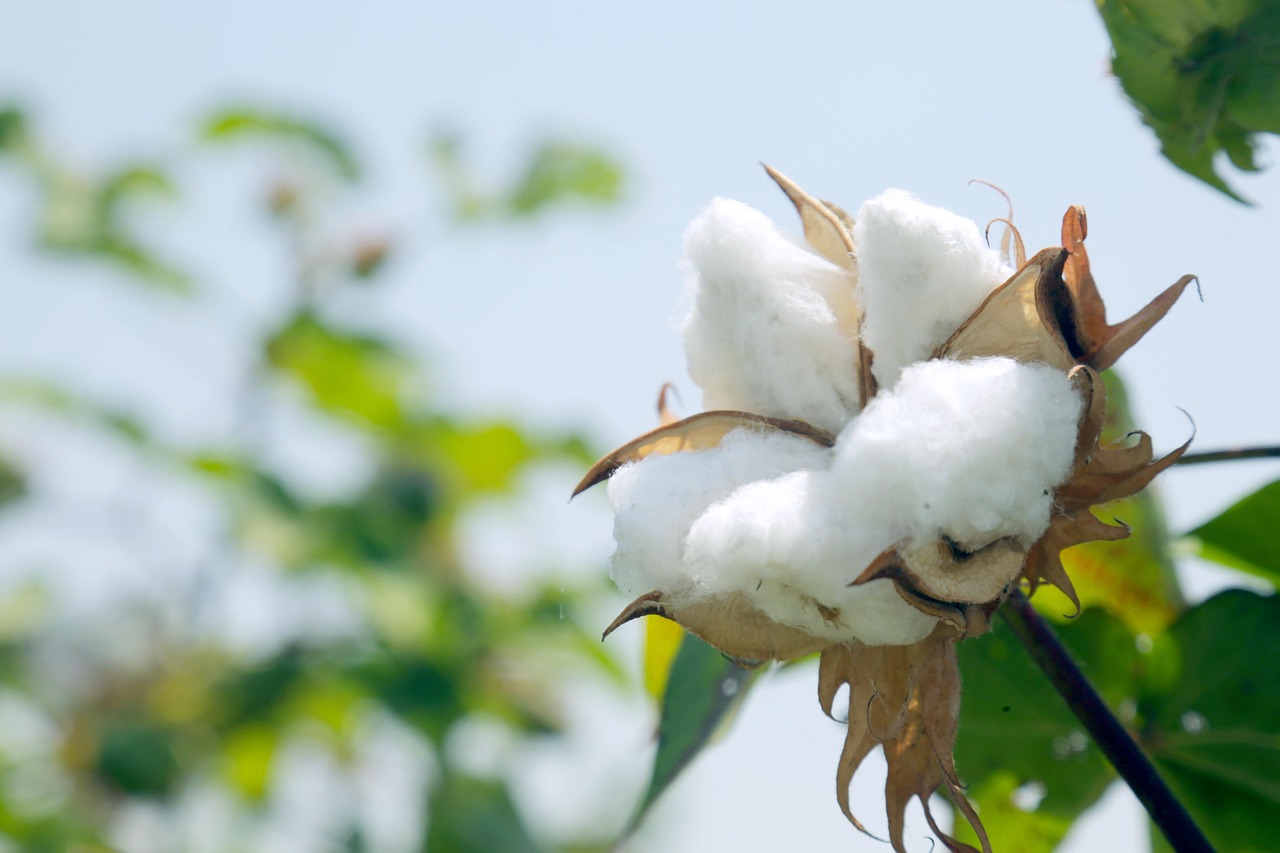
What a cotton manufacturing company can mean
The phrase “cotton manufacturing company” can describe several business models. Treating them as interchangeable often leads to sourcing problems, because each type controls a different part of cost, quality, and lead time.
| Company type | Main role | Best suited for | Key risk to check |
|---|---|---|---|
| Spinning mill | Turns cotton fiber into yarn | Yarn sourcing, knit or woven fabric programs | Fiber consistency, count accuracy, contamination control |
| Weaving or knitting mill | Turns yarn into greige or finished fabric | Fabric buyers and garment factories | Fabric weight, shrinkage, defects, lead time |
| Dyeing, printing, or finishing mill | Adds color, handfeel, performance, or finishing effects | Color-critical or performance-sensitive cotton goods | Colorfastness, chemical compliance, wastewater controls |
| Garment or home textile factory | Cuts and sews finished products | Apparel, bedding, towels, bags, and accessories | Pattern accuracy, sewing quality, trims, packaging |
| Integrated manufacturer | Controls multiple stages from yarn to finished product | Programs needing coordination across stages | Whether each stage is truly in-house or subcontracted |
A useful first question is not simply “Are you a cotton manufacturer?” It is: “Which stages do you own, which stages do you outsource, and what documentation proves control over each stage?”
Market signals shaping supplier selection
Cotton sourcing is shaped by broader fiber and trade trends. The OECD-FAO Agricultural Outlook 2026-2035 projects global raw cotton use to grow by 1.6% annually over the next decade, supported by spinning and textile capacity expansion in Asia, especially Bangladesh, India, and Viet Nam. It also projects China to remain the largest cotton processor by 2035, followed by India. (oecd.org)
The same outlook describes a more cautious near-term environment: global cotton consumption in 2025/2026 is projected to remain relatively subdued, while China, India, Pakistan, Bangladesh, and Türkiye together account for about 77% of global cotton mill use. For buyers, the implication is not just that capacity exists. Supplier performance can differ sharply by country, mill specialization, customer base, and exposure to specific end markets. (oecd.org)
Sustainability claims are also becoming a routine part of cotton sourcing. Textile Exchange’s 2025 Materials Market Report says 34% of global cotton production now comes from certified sources, and Better Cotton with its equivalents accounted for around 23% of all cotton grown globally in 2023/24. Buyers should still verify the exact program, chain-of-custody model, and product-level claim before using sustainability language in sales materials. (textileexchange.org)
Match product requirements before negotiating price
For yarn sourcing
If you are buying cotton yarn, define the yarn count, spinning system, twist, contamination tolerance, cone weight, package type, evenness, strength, hairiness, and intended use, such as knitting, weaving, dyeing, or sewing thread. A spinning mill that performs well with coarse open-end yarn may not be suitable for fine combed ring-spun yarn. Ask for recent test reports from regular production, not only a lab sample made for approval.
For fabric sourcing
For cotton fabric, the brief should include construction, GSM or ounces, width, shrinkage tolerance, color standard, finishing route, handfeel, skewing and bowing limits, pilling grade, and wash performance. Woven poplin, twill, canvas, jersey, rib, fleece, terry, and percale all require different equipment and finishing experience. If a company claims broad capability, request examples by fabric type and ask which processes are handled internally.
For finished products
For garments or home textiles, evaluate both fabric knowledge and cut-and-sew execution. Cotton products often fail because fabric behavior was not properly considered during pattern making, washing, cutting, sewing, or packing. Ask how the factory controls shrinkage before cutting, how it manages shade lots, and whether inspection is carried out by production line, finishing section, or final AQL only.
Quality evidence to request before sampling
Cotton quality is influenced before the mill starts production. USDA Agricultural Marketing Service classing data includes measurements such as color, leaf grade, fiber length, strength, micronaire, length uniformity, trash, and extraneous matter; these characteristics influence how cotton is marketed and processed. Even when sourcing outside the United States, the same categories are useful for asking disciplined questions about raw material quality. (ams.usda.gov)
For a serious supplier review, request a technical file that connects raw material, production process, and finished output. Useful evidence includes fiber or yarn test reports, fabric inspection records, shade band controls, shrinkage and colorfastness results, needle or metal-control procedures, defect classification rules, and corrective-action records for previous quality failures.
- For yarn: confirm count variation, strength, elongation, evenness, neps, hairiness, contamination, and moisture control.
- For greige fabric: check width, GSM, construction, barre, holes, slubs, oil stains, skewing, and roll-to-roll consistency.
- For dyed or printed fabric: verify shade continuity, rubbing fastness, washing fastness, pH, residual chemicals, and handfeel stability.
- For finished goods: inspect measurements, seam strength, appearance after washing, labeling, packaging, and carton consistency.
The most useful evidence comes from normal bulk lots. A clean approval swatch has limited value if the factory cannot show stable test results across multiple production runs.
Traceability and compliance checks
Certification should be checked by scope, version, facility, and transaction documentation. As of September 2026, Global Standards lists GOTS v8.1 in its official downloads, following a July 22, 2026 update announcement; its 2025 annual report also notes that mandatory adherence to the updated GOTS standard is scheduled to begin on March 1, 2027. For organic cotton claims, buyers should confirm that the product, facility, and supply-chain documents are all within the certified scope. (global-standards.org)
Not all certificates prove the same thing. OEKO-TEX STANDARD 100 is a label for textiles tested for harmful substances, covering materials from yarn to finished product. ISO 9001, by contrast, is a quality management system standard and does not by itself prove cotton origin, organic status, or chemical safety of a specific product. (oeko-tex.com) See also: Applications.
For U.S.-bound cotton goods, forced-labor due diligence is a sourcing requirement, not a paperwork afterthought. U.S. Customs and Border Protection explains that the Uyghur Forced Labor Prevention Act took effect on June 21, 2022, creating a rebuttable presumption against goods mined, produced, or manufactured wholly or partly in Xinjiang or by listed entities. The U.S. Department of Labor’s 2024 list also identifies China-origin cotton thread, yarn, textiles, and garments as risk areas when they may contain cotton harvested in China. (help.cbp.gov)
In practice, buyers should request fiber origin declarations, supplier lists, purchase records, spinning and fabric traceability, certification transaction certificates where applicable, and a clear explanation of any subcontracted process. A certificate logo on a brochure is not enough.
Commercial terms that separate useful suppliers from risky ones
After technical and compliance screening, commercial terms determine whether a supplier can support repeat business. Compare quotes only after all suppliers are working from the same specification, testing requirement, packing method, inspection standard, and delivery term.
- Minimum order quantity: check whether the MOQ is driven by yarn lot size, dye lot, machine setup, fabric width, or cutting efficiency.
- Capacity: ask for available capacity for your product type, not total factory capacity across unrelated lines.
- Lead time: separate yarn procurement, greige production, dyeing or printing, finishing, cutting, sewing, inspection, and export preparation.
- Price structure: clarify whether the quote includes testing, packaging, hangtags, documentation, wastage, inland freight, and bank charges.
- Payment and delivery: align deposits, balance payment, Incoterms, inspection timing, and shipment booking before issuing a purchase order.
- Problem handling: ask how the company handles shade claims, short shipment, quality rework, late delivery, and rejected lots.
A lower unit price can become expensive if it depends on vague specs, unverified subcontracting, weak shade control, or incomplete compliance records.
A practical supplier comparison scorecard
A simple scorecard helps sourcing teams compare manufacturers without being distracted by polished catalogs or isolated low quotes.
| Evaluation area | Strong evidence | Warning sign |
|---|---|---|
| Product fit | Relevant bulk production records and samples | Only generic catalog photos |
| Technical control | Recent test reports, inspection records, corrective actions | No lot-level data or unclear test method |
| Traceability | Fiber origin documents and chain-of-custody evidence | Claims without transaction documents |
| Certification | Valid certificate, correct facility, correct product scope | Logo used without license number or scope |
| Capacity and lead time | Stage-by-stage production schedule | One promised delivery date with no process breakdown |
| Commercial clarity | Detailed quotation and agreed inspection standard | Price changes after sampling or unclear exclusions |
For important programs, use the scorecard before sampling, after sample approval, and again before bulk production. The aim is not to eliminate every risk, but to make risk visible early enough to manage it.
Frequently asked questions
Is an integrated cotton manufacturer always better?
No. An integrated company can simplify coordination, but only if it truly controls the relevant stages and maintains strong technical records. A specialized spinning mill, fabric mill, or sewing factory may be better when the product needs deeper expertise in one stage.
What certificates should I request from a cotton manufacturing company?
Request certificates that match your claim and market. For organic cotton, check GOTS or other applicable organic-content documentation and transaction evidence. For harmful-substance testing, OEKO-TEX STANDARD 100 may be relevant. For management systems, ISO 9001 can be useful, but it does not replace product-level testing or traceability.
How should buyers compare prices between cotton suppliers?
Compare only like-for-like quotes. The specification should include fiber type, yarn count, fabric construction, finishing process, testing requirements, packaging, inspection level, delivery term, and documentation. If one supplier excludes testing or uses a different dyeing standard, the quoted price is not directly comparable.
Can a trader or sourcing agent be acceptable?
Yes, if the trader provides transparent factory details, clear responsibility for quality, and complete documentation. The risk is higher when the trader refuses to identify production sites, cannot explain subcontracted stages, or treats compliance records as optional.
What is the biggest mistake when choosing a cotton manufacturer?
The biggest mistake is approving a supplier based on price and a good sample before verifying bulk-process controls. Cotton quality depends on consistency across fiber, yarn, fabric, finishing, sewing, and documentation. A reliable supplier should be able to prove that consistency before the first large purchase order.