Satin Weave Fabric Selection
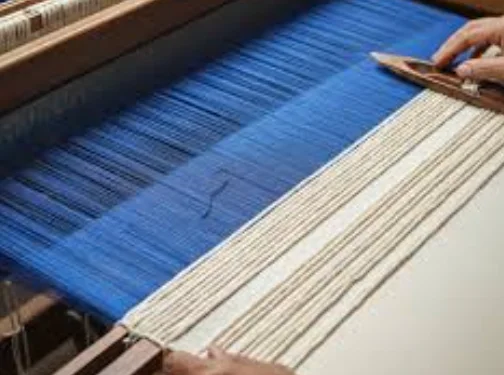
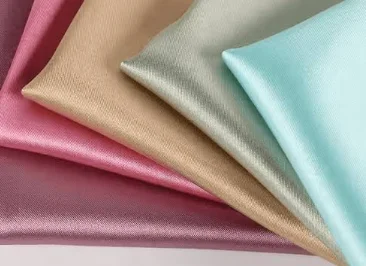
Satin weave fabrics are smooth, have a subtle sheen and a magnificent soft hand. Choosing a satin weave in production of textiles and in design of products has an influence not only on the look of a fabric, but also on its application area, durability and price. In apparel, upholstery and industrial textiles, choice of fabric is a technical matter, which depends on choice of fibers, density of weave and on finishing processes.
What Defines the Structure of a Satin Weave?
The satin weave provides a specific and recognizable mix of luster and flexibility, essentially different from the plain weave and twill weaves, since in the satin weave the warp- or weft-yarns are cast as long floats crossing over other yarns, before they are interlaced with them. This produces a minimum of crossings, thereby generating a surface with great luster.
Warp-Faced and Weft-Faced Variations
Warp-faced satin has warp yarns on the surface of the fabric giving it a high-gloss finish, ideal for formalwear fabrics like charmeuse. Weft-faced satins, on the other hand, have more of the filling yarns visible giving them a softer sheen and a heavier texture. These types of satin are commonly used in upholstery and drapery.
Float Length and Thread Density
Length of the float affects the reflectivity of the printed design. Generally, longer floats will produce a brighter and more shiny print, but at the cost of abrasion resistance. The higher the thread density, the better the floats will be stabilized and the more wear resistant the fabric will be. This density ratio can be changed by the textile printer to reach the optimal combination of aesthetic and wear.
Fiber Type Influence on Surface Quality
Natural satin is of course made from silk and because of the smoothness of the individual filaments this remains the benchmark. A number of synthetic fibers are also made to mimic this property, although at lower cost than silk, synthetic fibers also have the advantage of being wrinkle resistant. Cotton satin more commonly known as sateen is a non shiny, matte surface material, with good breathability but with less lustre than synthetic satin.
How Does Fiber Composition Affect Satin Performance?
The fiber composition of a fabric influences the feel and wear properties, the strength, care properties and the price of the fabric. With the help of the right fiber mix the desired quality can be reached.
Natural Fiber Satins
Silk satin is the softest and most fluid of all our satins but it must be treated with great care and only dry cleaned. Cotton sateen is a great choice for bedding or for casual garments where comfort and breathability are more important than luster.
Synthetic Fiber Satins
Mass production of garments is mainly done with polyester satin which is cost effective and hard wearing. The fabric has good resistance to shrinkage and color fading. Unfortunately polyester satin can trap a lot of heat. Some nylon variants have greater tensile strength than polyester. Some of these are suitable for dance wear and other garments that require flexibility as lining material.
Blended Fiber Options
Blends have all the advantages of the mix – a polyester/silk blend will be strong and durable and still have luster, a cotton/polyester blend will be washable for the commercial market and still have great drape quality. As a result many manufacturers use blends in their hospitality textiles to meet the washing requirements of the commercial environment.
Why Is Weave Density Critical in Satin Fabric Selection?
Weave density is the measure of how tightly yarns are interlaced within a fabric. The density of a weave affects the fabric’s mechanical strength and openness, as well as its texture and overall quality. It can also affect the price of a fabric.
High-Density Satin Fabrics
The fabric surface of high-density satin weaves are extremely compact and have subtle reflections. They are ideal for use as evening wear or high-end interior fabric. However, they require finer yarns and more precise weaving on the loom. This can mean more time is spent weaving the fabric.
Medium-Density Constructions
Medium-density satin fabrics are average in terms of flexibility and are relatively stable, medium sheen. They are commonly used in fashion wear in order to maintain comfort, and good air flow.
Low-Density Lightweight Satins
Low-density fabrics are lightweight, airy fabrics with loose fabric structures and are often used in making of lingerie, etc. or as lining materials. They can wear and fray easily unless reinforced during finishing or seaming of such garments.
What Role Do Finishing Treatments Play in Satin Quality?
Finishing Treatments are used to transform the raw woven satin into a finished fabric of choice with the desired hand and performance characteristics. The various surface treatments impart the depth of color, texture softness and the ability to clean the fabric.
Mercerization and Calendering Processes
Mercerization is used to strengthen cotton based satins by swelling the fibers to increase dye affinity. Calendering is used to increase surface gloss of fabrics by compressing the surface with heated rollers. This process is used for many of the specialized bridal wear fabrics that require a high level of shine or gloss.
Chemical Coatings for Functionality
Finishes such as resin enhance properties such as stiffness and wrinkle resistance. Water-repellent coatings can extend the usability of worsted and wool/synthetic blends in outerwear garments. Antistatic finishes are very important in fabrics made from synthetic filaments as static can build up on the fabric while wearing it and cause puckering of the fabric.
Dyeing and Colorfastness Considerations
While Satin fabric has a smooth surface finish, it can highlight color and also reveal any unevenness in the dyeing process. For cotton sateens Reactive dyes are suitable, for polyester satins Disperse dyes, and for silk varieties Acid dyes are the best choice.
How Do Application Requirements Guide Satin Selection?
End-use will be the driving force behind what will be the key parameters to select appropriate materials, appearance will rarely be the sole determining factor and other aspects such as wear and maintenance will need to be taken into account.
Apparel Applications
Silk charmeuse is the best to use for couture garments or intimate apparel as drape takes precedence over tensile strength even though such fabrics are more expensive per yard. For items that will receive a lot of wear and be washed frequently, cotton or rayon-like synthetic fabrics such as polyester work well.
Interior Design Uses
High quality satins used for upholstery need to have an abraision resistance of more than 20,000 Martindale cycles and at the same time keep their sheen under artificial light similar to that found in hotels or theaters.
Industrial and Technical Uses
Parachutes or coated materials that require very low friction, such as nylon satin fabrics, offer good glide characteristics in combination with stability under tension.
How Should Cost Efficiency Be Balanced with Performance?
Financial decision making can affect material choice for those wishing to target at the premium market. However financial decision making for sustainable procurement is not just about initial cost but a complete lifecycle cost.
Raw Material Pricing Trends
Prices for natural silk products fluctuate with the seasons due to the silkworm cocoon yield, the prices for synthetic polyester fibers are constant due to the consistent supply of the basic petrochemical; and cotton prices follow the global cycles of the main cotton crop and can affect the availability of certain sateen quality levels.
Production Complexity Impact
The increased number of float up weaves results in lower weaving speed down to 30% off of normal as opposed to plain weave of similar weight class. This causes additional operational expense per yard of production.
Maintenance Costs Over Product Life
Silks which are dry-clean-only will cost the consumer each time they are cleaned, as opposed to machine-washable satin garments made from polyester which will maintain their appearance over numerous washing cycles. This is particularly relevant for institutional customers such as Hotels or Costume Hire outlets who need garments to last.
FAQ
Q1: How is satin weave different from twill weave? A: The satin weave is a type of textile production that creates long floats on top of multiple threads, creating a smooth surface with a glossy face, as opposed to the diagonal ribbing that is produced by twill weaves by their regular interlacings.
Q2: What fiber type makes the most durable satin? A: The polyester fiber offers the most durable satin because of its high tensile strength, still offering sufficient sheen than most natural silk fibers.
Q3. Snagging in lightweight satins – How to reduce it? Choose tighter weave density or apply anti snag finish during post treatment. This will help to prevent thread pull.
Q4: Are all satin fabrics shiny? A: No, all satin fabrics are not shiny. Cotton sateen is a non shiny fabric as staple fibers scatter light differently than a filament fiber such as silk or polyester.
Q5. Why are some satins cooler than others? A. The thermal sensation of fabrics depends on their conductivity. Silk feels cool because it dissipolves heat. Polyester feels warm because of its low moisture absorption, which makes it poor for keeping warm.