A practical guide to twill weave cotton fabric structure, weight and uses
What twill weave cotton fabric means in practical terms
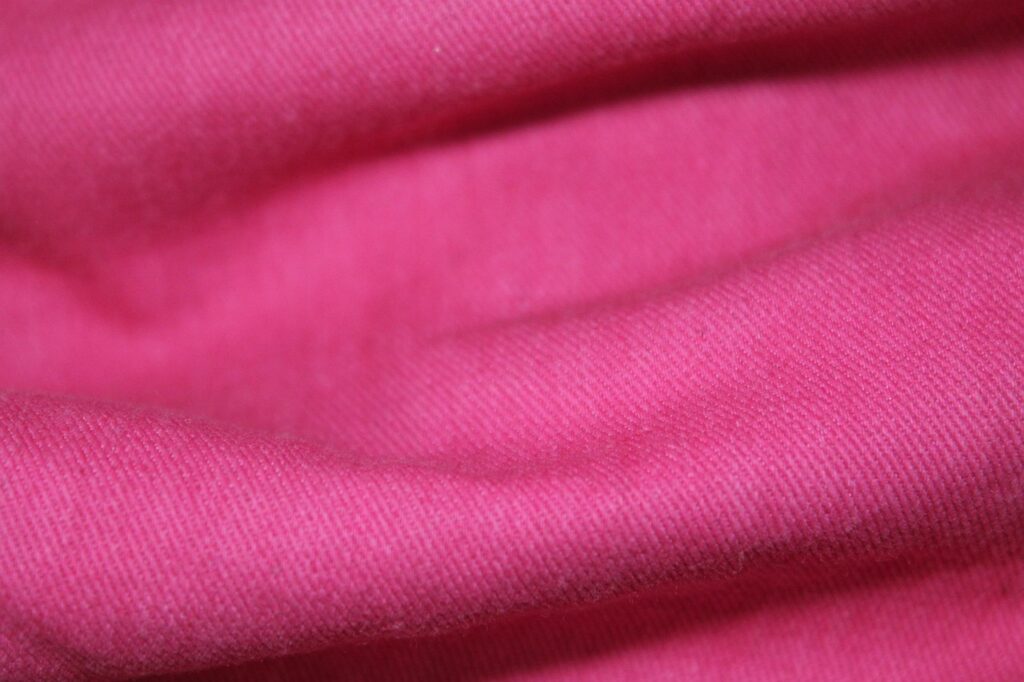
Twill weave cotton fabric is a woven cotton cloth made with a stepped over-under interlacing pattern that forms visible diagonal ribs, often called twill lines or wales. The yarns themselves do not run diagonally. Warp yarns and weft yarns still cross in the normal woven direction, but each new pick shifts the interlacing point sideways. This gives twill a different look and hand from plain weave cotton. In many constructions, twill can feel denser, drape more easily, hide surface marks better and suit durable applications such as denim, chinos, drill, uniforms and utility textiles.
Textile education sources such as CottonWorks and Cotton Incorporated describe twill as one of the fundamental woven structures, alongside plain and satin weaves. For readers comparing fabric structures more broadly, related background is available in the weaves section.
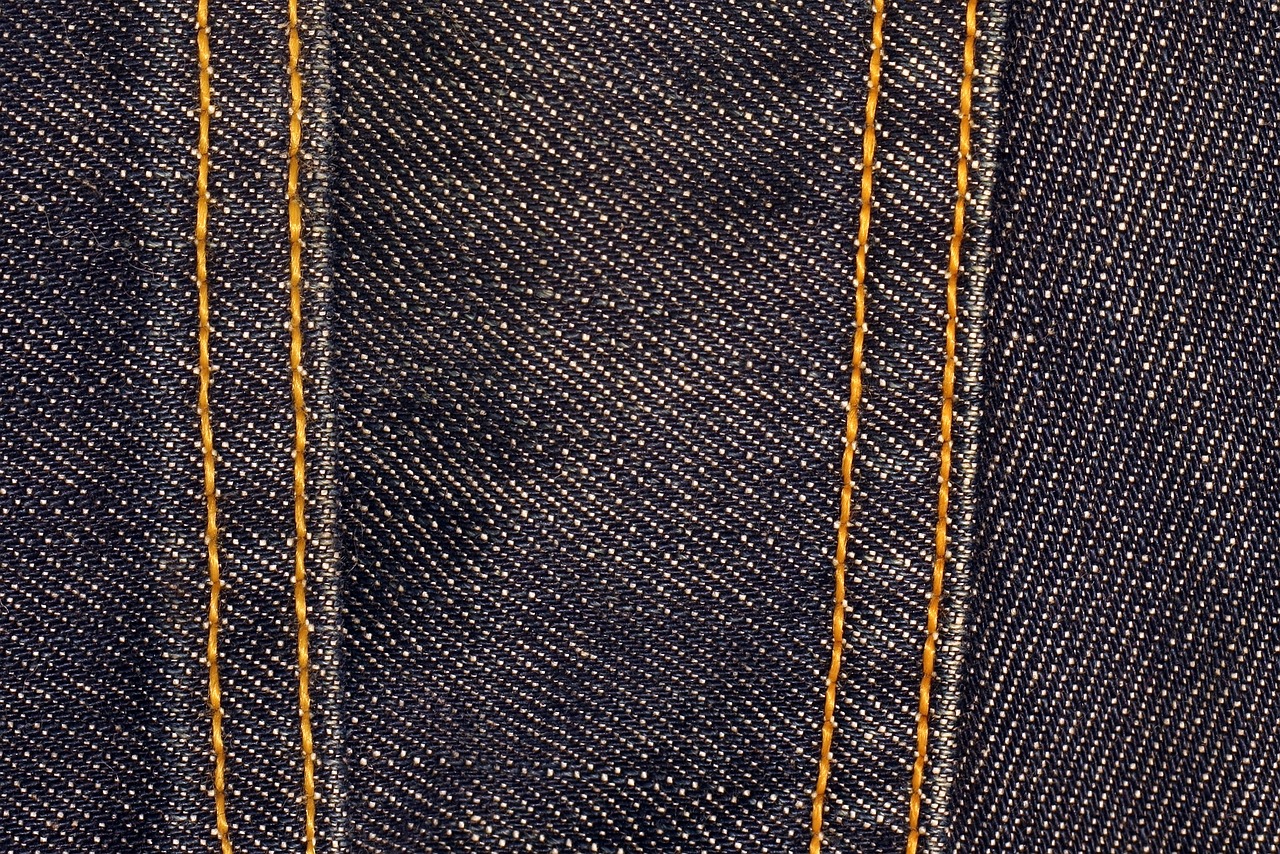
For buyers and product developers, the key point is that twill is a weave structure, not a single fabric quality. Cotton twill may be soft or firm, lightweight or heavy, garment-dyed or piece-dyed, brushed or smooth. Its final performance depends on yarn count, cotton quality, weave repeat, fabric density, weight, finishing and testing standards.
How the twill structure changes fabric behavior
A plain weave alternates over one and under one, creating many tight interlacings. Twill uses longer floats, such as over two and under one or over three and under one. Because these floats shift in each row, they create the familiar diagonal line. The longer floats give the surface more continuity, which is one reason twill fabrics often feel smoother or more pliable than an equally heavy plain weave.
The structure also changes how stress moves through the fabric. In practice, cotton twill is often selected when a cloth needs a balance of durability, drape and body. It is not, however, automatically stronger than every plain weave cotton. A tightly woven plain fabric made with stronger yarns may outperform a loosely woven twill. The weave matters, but yarn strength, twist, density and finishing remain decisive.
Common twill repeats
Twill repeats are often written as ratios. A 2/1 twill means one yarn floats over two yarns and then passes under one before the pattern repeats. A 3/1 twill has a longer float, while a 2/2 twill is more balanced. These notations help describe the surface character, face dominance and potential durability of the fabric.
| Twill repeat | General character | Common use direction |
|---|---|---|
| 2/1 twill | Moderate diagonal effect, usually lighter and less float-heavy than 3/1 | Shirts, light trousers, linings and medium apparel fabrics |
| 3/1 twill | More pronounced face and longer floats, often associated with stronger diagonal visibility | Denim, drill, workwear and structured bottoms |
| 2/2 twill | More balanced face and back, with a clear but less face-dominant rib | Suiting-style cotton blends, uniforms and some home textiles |
| Broken or herringbone twill | Diagonal direction reverses to reduce continuous skew and create a decorative effect | Shirting, jackets, upholstery accents and refined casualwear |
Right-hand, left-hand and broken twill
Twill direction is another specification detail. In right-hand twill, the diagonal line appears to rise toward the right. In left-hand twill, it rises toward the left. Broken twill reverses direction at intervals, producing a zigzag or herringbone-like pattern. The difference can influence appearance, hand feel and garment behavior, especially in denim and heavier cotton constructions.
For most everyday fabric selection, twill direction should not be treated as a quality grade. It is better understood as a design and performance variable. If a garment or textile must match an existing development, the twill direction should be specified clearly to avoid visible inconsistency between production lots.
Twill cotton compared with plain weave and sateen
Many sourcing mistakes happen because cotton fiber content is discussed without enough attention to weave. Plain weave cotton, cotton twill and cotton sateen can all be made from similar fibers, but they will not feel or perform the same.
| Structure | Visual surface | Typical strengths | Typical limitations |
|---|---|---|---|
| Plain weave cotton | Simple grid-like interlacing with little diagonal texture | Crisp, stable, versatile and often efficient to produce | May wrinkle sharply and can feel less drapey at heavier weights |
| Twill weave cotton | Diagonal ribs or wales across the face | Durable hand, good body, flexible drape and strong casualwear identity | Can skew, show directional shading or abrade along raised ribs if poorly specified |
| Cotton sateen | Smoother and more lustrous surface with fewer visible interlacings | Soft hand, sheen and bedding-friendly comfort | Longer floats may be more vulnerable to snagging or surface wear |
This comparison helps explain why twill weave cotton fabric is common in trousers, jackets and utility garments. It can offer more body than many plain weaves while staying less glossy and more rugged than sateen. The best choice still depends on the product. A crisp shirt may need poplin or broadcloth. A soft bed sheet may need sateen or percale. A durable trouser or casual jacket may benefit from twill.
Common types of cotton twill fabric
Cotton twill appears under many fabric names. Some names describe the weave, while others combine weave, weight, finishing and end use. The following categories are useful in product discussions, but they should still be confirmed by actual specifications rather than by name alone.
Denim
Denim is one of the most recognizable cotton twills. Traditional denim uses colored warp yarns and lighter weft yarns, giving jeans their characteristic face and fading behavior. Many denim fabrics use a 3/1 twill, although lighter denims and specialty constructions may vary. Denim is usually evaluated by weight, yarn character, dye method, stretch content, shrinkage control and finishing.
Chino and khaki twill
Chino cloth is commonly associated with cotton twill trousers. It tends to be smoother and cleaner than denim, often piece-dyed into beige, navy, olive or other solid shades. The hand can range from soft casualwear to firm uniform fabric. For brands, chino twill selection often centers on weight, crease recovery, colorfastness, stretch recovery and pilling resistance.
Drill
Cotton drill is a sturdy twill fabric often used for workwear, uniforms, bags and protective casual garments. It usually has a firm hand and visible diagonal rib. Drill may be bleached, dyed, printed or finished for additional performance. Its value depends less on the name and more on construction density, tear strength, abrasion resistance and shrinkage after laundering.
Gabardine and fine twills
Gabardine is a tightly woven fabric with a steep twill line. It may be made from cotton, wool, polyester or blends. Cotton gabardine can be used for coats, trousers and structured apparel where a clean surface is required. Fine cotton twills also appear in shirting, lightweight jackets and dress-casual garments when the target is softness with a subtle diagonal texture. See also: Applications.
Herringbone cotton twill
Herringbone is a broken twill in which the diagonal direction alternates, creating a V-shaped pattern. It is often chosen for visual interest and can reduce the strong one-direction appearance of regular twill. Cotton herringbone is used in shirts, jackets, upholstery accents, towels and decorative textiles depending on yarn and weight.
How to evaluate twill weave cotton fabric before selection
A practical cotton twill evaluation should combine visual inspection, specification review and performance testing. A swatch can show hand feel and surface character, but it cannot fully predict laundering, abrasion or garment behavior unless it is supported by measurable data.
- Fiber content: Confirm whether the fabric is 100% cotton or a cotton blend with elastane, polyester, viscose or other fibers. Blends can change recovery, shrinkage, strength and dye behavior.
- Fabric weight: Check weight in GSM or ounces per square yard. Lightweight twills suit shirts and linings, midweight twills suit trousers and uniforms, and heavyweight twills suit denim, bags and workwear.
- Construction: Ask for yarn count, ends per inch, picks per inch and twill repeat where relevant. These values explain why two fabrics with similar weight may feel different.
- Twill direction: Specify right-hand, left-hand, broken or herringbone twill if matching across lots is important.
- Width and usable width: Confirm usable width after finishing, not just loom width, especially for cutting efficiency calculations.
- Shrinkage: Review dimensional change after washing. Cotton twill can shrink if it has not been properly sanforized, compacted or otherwise stabilized.
- Colorfastness: For dyed cotton twill, test washing, rubbing and perspiration performance. Dark shades and pigment-dyed finishes need particular attention.
- Skew and torque: Twill fabrics can twist or skew because the diagonal structure creates directional tension. This matters for trouser legs, side seams and long panels.
- Abrasion and pilling: Raised diagonal ribs may wear differently from flatter weaves. End-use testing should match the expected product category.
- Finish: Brushing, peach finishing, mercerization, resin finishing, water-repellent finishing and softeners can all change hand feel and performance.
For commercial development, the safest approach is to approve fabric by both name and measurable specification. Describing a cloth only as cotton twill leaves too much room for variation. A clearer description might include fiber content, weight, twill repeat, color, finish, width and required test results.
Limitations to understand before using cotton twill
Twill weave cotton fabric is versatile, but it is not ideal for every application. The diagonal surface can create directional shading, particularly in brushed, peach-finished or heavily washed fabrics. If panels are cut in different directions, a garment may show shade variation even when the fabric comes from the same roll.
Skew is another concern. Because the twill line introduces directional force in the structure, some fabrics may twist after washing or finishing. This is especially visible in pant legs and long seams. Good mills control skew through finishing and fabric relaxation, but buyers should still request test results when appearance stability matters.
Heavy cotton twill can also take longer to dry than lighter plain weave cotton because it may be denser and more absorbent. In humid climates or high-frequency laundering, this can affect comfort and care. Stretch cotton twill solves some mobility issues, but elastane introduces its own requirements for heat sensitivity, recovery and long-term durability.
Finally, sustainability claims should be checked carefully. Organic cotton, recycled cotton, low-impact dyeing and responsible finishing can improve the environmental profile of a cotton twill fabric, but the weave itself does not prove sustainability. Reliable claims require traceable fiber, certified processes or documented production data.
Frequently asked questions
Is twill weave cotton fabric always thick?
No. Twill is a structure, not a weight class. Cotton twill can be lightweight enough for shirts or heavy enough for jeans, workwear and bags. Weight depends on yarn size, density and finishing.
Is cotton twill the same as denim?
No. Denim is usually a type of cotton twill, but not every cotton twill is denim. Denim has specific yarn, dye and face characteristics, while cotton twill includes chinos, drill, gabardine, herringbone and many other fabrics.
Does twill shrink more than plain weave cotton?
Not necessarily. Shrinkage depends on fiber, yarn, fabric construction and finishing. A stabilized twill may shrink less than an untreated plain weave. Always check laundering test results instead of assuming by weave type alone.
Why does twill fabric show diagonal lines?
The diagonal lines come from the stepped interlacing pattern. Each row shifts the float position sideways, so the points of interlacing line up diagonally across the fabric surface.
What is the main advantage of cotton twill?
Its main advantage is balance. Cotton twill can combine durability, body, drape and a recognizable textured surface, which makes it useful for trousers, denim, uniforms, jackets, bags and many home textile applications.