Pilling resistance test for textiles and how to interpret results
What a pilling resistance test actually measures
A pilling resistance test estimates how likely a fabric surface is to form pills, fuzz or matting when it is exposed to controlled rubbing, tumbling or wear-like movement. It does not prove that a garment will never pill in use. It gives buyers, mills, laboratories and quality teams a repeatable way to compare materials under a named method and agreed test conditions. Results are usually visual ratings, often on a scale where 5 indicates no or very slight pilling and 1 indicates severe pilling. The most useful reports identify the exact standard, specimen preparation, exposure duration, any laundering or dry-cleaning before testing, the visual assessment scale and the acceptance requirement.
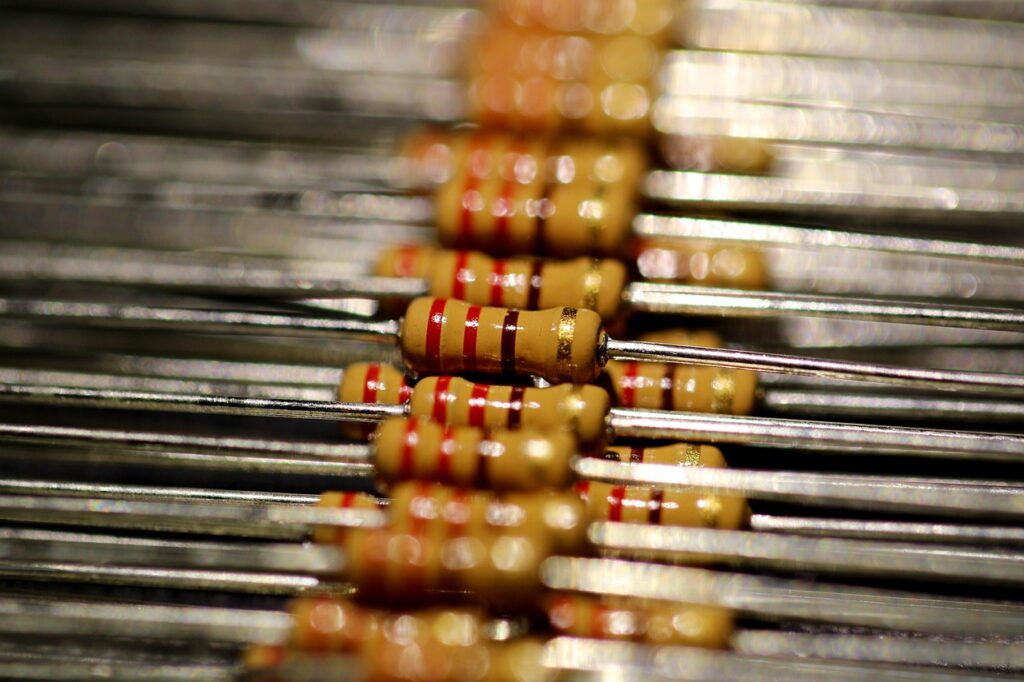
Pilling is an appearance-retention issue. Small fiber balls form when loose fiber ends are raised from the fabric surface, become entangled and remain attached. Fuzzing and matting can appear together with pilling, which is why several standards cover surface pilling, fuzzing and matting in the same title. A fabric may still have adequate tensile, tear or abrasion strength, but fail a buyer’s visual standard because its surface changes too quickly.
For sourcing teams, the question is not only whether a fabric passes or fails. The selected method also needs to reflect the end use. A brushed fleece, a fine jersey, a woven shirting, an upholstery fabric and a performance knit may not react in the same way in a pilling box, a random tumble tester or a Martindale tester.
Main pilling test methods used for textiles
Public summaries from ISO and ASTM show that pilling resistance is tested through several related but different methods. The table below is an editorial comparison for method selection; it is not a substitute for the purchased standard or a laboratory procedure. Standard status can change, so specifications should be checked against the current official document before testing.
| Standard or method | Common description | Typical role in pilling evaluation | Key reporting caution |
|---|---|---|---|
| ISO 12945-1:2020 | Pilling box method | Determines fabric propensity to pilling, fuzzing or matting using a rotating pilling box apparatus. | Report the cycle or exposure condition and the assessment method used. |
| ISO 12945-2:2020 | Modified Martindale method | Uses a Martindale-type rubbing action to evaluate surface change. | Do not confuse pilling assessment with Martindale abrasion-resistance cycles. |
| ISO 12945-3:2020 | Random tumble pilling tester | Evaluates pilling, fuzzing and matting after specimens tumble under defined conditions in a lined cylindrical chamber. | Results depend strongly on specified materials, time and chamber condition. |
| ISO 12945-4:2020 | Visual assessment | Provides a method for visually assessing pilling, fuzzing and matting on textile fabrics. | Assessment conditions and visual standards must be controlled. |
| ASTM D3512/D3512M | Random tumble pilling tester | Determines a fabric’s tendency to form pills and related surface changes, generally for woven and knitted apparel fabrics. | ASTM notes caution for acceptance testing because between-laboratory precision can be poor. |
| ASTM D4970/D4970M-22(2026) | Martindale tester | Determines resistance to pills and related surface changes using the Martindale tester. | The method is not the same as abrasion testing, even though the same instrument family may be involved. |
| ASTM D3514/D3514M-16(2024) | Elastomeric pad method | Uses an elastomeric pad approach for pilling and other surface distortions. | It should only be specified when it matches the customer requirement or historical data set. |
For spec writers, the key point is that “pilling test” is not a single universal procedure. Two reports may both state “pilling resistance” while using different instruments, exposure conditions and assessment scales. Direct comparison is risky unless the methods and conditions are the same.
How laboratories prepare and run a pilling test
Although details vary by standard, most pilling tests follow the same basic sequence: select representative specimens, condition them under specified laboratory conditions, expose the fabric surface to controlled mechanical action, then evaluate the changed surface against a visual standard. The standard normally defines specimen dimensions, number of specimens, mounting details, abrasive or liner materials, test duration and assessment environment.
Preparation can affect the result as much as the instrument. Cutting direction, face-side identification, seam or edge damage, uneven fabric tension and contaminated test chambers can all influence the surface condition. For garments or finished products, the specification may require testing after laundering or dry cleaning because home care can raise fibers, relax yarns, remove temporary finishes or change the way pills detach.
Laboratories should record the pre-treatment clearly. “Tested as received” is not equivalent to “tested after three home-laundering cycles” or “tested after dry cleaning.” If a buyer expects pilling performance after consumer care, pre-care should be stated in the purchase specification before sampling begins.
How to read pilling ratings
Many pilling reports use an appearance rating where 5 represents no pilling or the least visible surface change, and 1 represents very severe pilling. Intermediate ratings may be whole numbers or half grades, depending on the procedure and laboratory practice. The rating is visual, so it reflects the overall appearance of pills, fuzz and surface disruption rather than a simple pill count.
| Rating | General interpretation | Typical sourcing response |
|---|---|---|
| 5 | No visible pilling or very slight surface change. | Usually strong appearance performance for the tested condition. |
| 4 | Slight pilling or fuzzing. | Often acceptable for many apparel uses if the buyer specification allows it. |
| 3 | Moderate pilling or noticeable surface change. | May require end-use judgment, fabric improvement or customer approval. |
| 2 | Severe pilling. | Usually a warning sign for visible-use products unless the application is low risk. |
| 1 | Very severe pilling. | Generally unsuitable where appearance retention is important. |
A “good” rating depends on the product category. A luxury knit, children’s legging fabric, outdoor mid-layer, hotel textile or upholstery panel may have different acceptance limits. Buyers often set minimum ratings after a specified number of cycles or test time. Without that condition, the rating is incomplete.
It is also important to separate pilling from abrasion resistance. Martindale abrasion results are often expressed as cycles to breakdown or appearance change, while Martindale pilling results are visual pilling grades after a defined exposure. The same machine name can cause confusion, but the performance property and report language are different.
Why results differ between methods and laboratories
Pilling is affected by fiber type, fiber length, fiber strength, yarn twist, hairiness, fabric construction, surface finish and aftercare. A fabric with many loose surface fibers may fuzz early. A fabric made with stronger fibers may keep pills attached longer. A finish can temporarily suppress pilling, while laundering may reduce or reveal that effect.
Instrument action also matters. A pilling box rotates specimens in a contained apparatus. A random tumble tester throws specimens around a chamber. A Martindale pilling test uses rubbing movement under specified conditions. These mechanisms do not create identical wear patterns, so the same fabric may look better in one method than in another.
Laboratory-to-laboratory variation is another reason to avoid vague specifications. ASTM’s public summary for random tumble pilling highlights caution for acceptance testing because between-laboratory precision is poor. That does not make the method useless; it means buyers and suppliers should control sampling, use the same method and, when disputes occur, compare results through agreed reference materials or a mutually accepted laboratory.
Choosing a suitable pilling resistance test for development and sourcing
The practical approach is to choose the pilling resistance test that matches the market, product and buyer specification. ISO 12945 methods are common in international specifications, while ASTM D3512 and ASTM D4970 are often seen in North American apparel and textile testing contexts. If a customer has named a method, follow it exactly instead of substituting a similar-sounding test. See also: Applications.
During development, one method should be used consistently so that yarn, knit density, finishing and washing variables can be compared fairly. If the target market includes multiple buyers, testing one fabric by both ISO and ASTM methods may be useful, but the results should be reported separately rather than converted.
- Define the end use before selecting a method: apparel, upholstery, fleece, activewear, knitwear or home textile.
- State whether specimens are tested as received or after laundering, dry cleaning, brushing, steaming or other treatment.
- Use the same laboratory method for development comparisons.
- Keep photographs or retained specimens when appearance disputes are likely.
- Record the rating scale, observer method and visual standard used for assessment.
- Check official standard status before placing the method in a purchase order or technical file.
For more textile quality topics, see the Testing section.
Common reporting mistakes to avoid
The first mistake is reporting only a number. “Pilling grade 4” is incomplete without the method, exposure condition, specimen state and assessment scale. A more useful line would state the method, standard year or version, test duration or cycle condition, pre-care and final rating.
The second mistake is treating all 4-grade results as equal. A grade 4 after a short exposure is not the same as a grade 4 after a longer or harsher exposure. The third mistake is using a standard code incorrectly. For example, AATCC’s public standards listing identifies TM196 as a colorfastness-to-sodium-hypochlorite method for textile floor covering, not as a general pilling resistance test. If a document mentions “AATCC TM196 pilling,” the code should be verified before testing or reporting.
The fourth mistake is assuming that a laboratory rating guarantees consumer experience. Real wear includes body movement, washing habits, detergents, drying, friction points, bags, seats and repeated use. Laboratory testing reduces that complexity into a controlled comparison. It is valuable for quality control, but it should be interpreted with product knowledge.
Frequently asked questions
Is Martindale abrasion the same as pilling resistance?
No. Martindale abrasion and Martindale pilling can involve related equipment, but they evaluate different properties. Abrasion testing focuses on wear or breakdown under rubbing. Pilling testing focuses on visible pills, fuzzing and matting after a defined exposure.
What is a good pilling resistance rating?
A rating of 4 or 5 is often considered strong for many apparel applications, but there is no universal pass level. The acceptable rating depends on the product, customer specification, test method and exposure condition.
Can finishing improve pilling resistance?
Yes, finishing can influence surface hairiness, fiber movement and pill attachment. However, the improvement may change after washing or dry cleaning. Development testing should compare the fabric before and after the expected care process.
Should fabric be washed before a pilling test?
Only if the standard, buyer specification or development plan requires it. For washable garments, pre-laundering can provide a more realistic view of appearance after consumer care, but the number of cycles and washing procedure must be defined.
Why can two laboratories give different pilling grades?
Differences can come from specimen selection, equipment condition, exposure materials, observer judgment, lighting, visual standards and method interpretation. Dispute testing should use the same standard, equivalent samples and an agreed laboratory plan.
Source note
This article is based on public standard summaries and listings from ISO 12945 parts 1 to 4, ASTM D3512/D3512M, ASTM D4970/D4970M, ASTM D3514/D3514M and AATCC’s standards listing, reviewed in September 2026. Official standards should be purchased and followed for laboratory work.