
Functional Coating Suppliers

Functional coatings have become key materials in modern materials engineering, increasing the functional features of base materials. As well as color, they can offer chemical resistance, thermal stability, electrical conductivity and anti-corrosion protection. The global market for functional coatings continues to increase in size as applications for these coatings extend to areas such as the aerospace sector and to the production of medical devices. In this situation, choosing a supplier is not just a matter of purchasing, it is a strategic decision that can have a significant bearing on the reliability of finished products as well as their life cycle costs.
What Defines a Reliable Functional Coating Supplier?
A supplier to this market needs to have appropriate technical expertise, consistent production and comply with relevant regulation. This is a highly specialist market and suppliers need to have understanding of substrate and applications to various environments.
Technical Expertise and Innovation
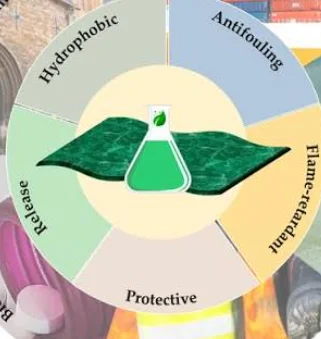
Suppliers with in-house R&D are able to provide formulations that have been specifically designed to achieve particular performance characteristics, e.g. hydrophobicity and wear resistance. Many of the leading companies are currently investing in the development of nanotechnology-based coatings, which have self-cleaning and anti-fouling characteristics. An example of how these coatings can be deposited is using plasma-enhanced deposition techniques to form uniform thin films on complex geometries.
Quality Control and Certification
Quality assurance is critical when dealing with functional coatings used in aerospace or medical applications. Suppliers typically adhere to ISO 9001 standards and may hold additional certifications like AS9100 for aerospace or ISO 13485 for medical devices. Rigorous testing ensures adhesion strength, chemical stability, and environmental durability meet industry benchmarks.
Supply Chain Reliability
In addition to the quality of the formulation, timely delivery of specialty chemicals is crucial. This requires the supplier’s logistics to be organized in such a way that the coatings are distributed in a timely fashion and stored properly. Failures in the supply of these coatings can bring production to a standstill on lines that are dependent on them.
How Do Functional Coatings Enhance Industrial Performance?
Functional coatings are a type of performance-enhancing finish that can be used in a wide range of industries to alter a surface’s interaction with the environment. From protecting against corrosion to increasing energy efficiency, functional coatings can perform many functions.
Corrosion Resistance and Durability
Epoxy- or polyurethane-based systems are commonly used as anti-corrosive coatings for marine applications, protecting metal structures in saltwater environments. By forming an impermeable film on the surface, they prevent oxidation and significantly extend the service life of the coated substrate compared to an uncoated one.
Thermal Management Solutions
Thermal barrier coatings in electronics manufacturing are used to dissipate heat and help cool components such as semiconductors and circuit boards. High emittance ceramic layers are often used as thermal barrier coatings, while maintaining electrical insulation.
Optical and Electrical Properties
Transparent conductive oxides (TCOs) are yet another class of functional coatings. As touch screens as well as solar panels require certain electrical characteristics while being covered with transparent layers, TCOs are transparent and conductive in order to allow for energy conversion or signal transmittance.
Why Is Material Compatibility Crucial in Coating Selection?
The compatibility of the material of the coating with the substrate influences the adherence of the coating and its performance under operational stresses. If the properties of the coating are too different from the properties of the substrate, the coating can delaminate or fail prematurely.
Substrate Surface Preparation
Surface preparation is critical to achieve strong adhesion, whether through cleaning, etching or priming. Contaminants of a microscopic nature can cause huge problems at the interface, massively reducing the life of the coating.
Chemical Interaction Between Layers
When processing multi-layer coatings inter-coat compatibility tests may be necessary. For example, processing an outer layer of a fluoropolymer coating over an epoxy coating primer requires precise curing of the primer coat to prevent processing of inter-coat coating chemicals.
Environmental Exposure Considerations
Coatings exposed to UV or humidity need to be stabilized in order to prevent negative effects of photodegradation or moisture penetration. Test methods that simulate the real life behavior of coatings allow suppliers to provide end-users with more realistic information on the performance of their coatings.
What Role Does Sustainability Play in Modern Coating Development?
Sustainability is the key driver for functional coatings innovation. A trend of increasing sustainability in the coatings industry is reflected in regulations restricting the use of volatile organic compounds (VOCs) and of hazardous additives.
Low-VOC Formulations
As applied to various market applications, the range of waterborne alternatives to solvent-containing systems has expanded to meet specification requirements for attributes such as hardness and gloss. All are produced using cleaner processes to support the goals of environmental responsibility.
Recyclability and Circular Design
There are also manufacturers researching into bio-based resins using renewable resources such as plant derived oils or lignin derived materials. Coatings have also been developed which are easily removable in recycling processes in order to recover materials.
Energy-Efficient Application Processes
New UV-curable technologies have recently developed and greatly reduced the curing time from hours to seconds, furthermore they are operated with less energy than traditional oven, therefore greatly reduced the operational cost and carbon emission.
How Do Suppliers Support Customization Needs Across Industries?
Functional coating suppliers nowadays are more than just sellers of coating. They are co-operators and provide tailored solution to meet their customers’ specific mechanical or aesthetic needs in production. Such solution can be implemented effectively despite of very narrow production window.
Industry-Specific Formulation Services
We are able to provide scratch resistant clear coatings for the automotive industry that have been optimized for use on polymer substrates. At the other end of the scale we are able to provide ultra-thin dielectric coatings for the electronics industry that are suitable for use on flexible circuits and are provided as a service using our custom formulation facility.
Prototyping and Pilot Production Support
Leading suppliers have pilot lines for new coatings which customers can test under semi-industrial conditions on a small scale before a large scale production start is launched. This development stage has the lowest risk as already in the development phase the properties of the coating can be validated.
Technical Consultation and After-Sales Service
In addition to securing supply contracts, an expert’s knowledge of the application parameters such as spray viscosity, curing temperature and application thickness, will allow for the optimal production of batches.
What Are Emerging Trends Shaping the Future of Functional Coatings?
The next decade will revolutionize Coating Technologies through Digitalization and the integration of Smart Materials.
Smart Responsive Coatings
Self-healing polymers that are able to automatically repair smallest micro cracks are entering the commercial market. By incorporating so-called microcapsules into a part, a repair of cracks that are caused by mechanical stress is automatically performed by release of the healing agent from the broken microcapsules, extending the lifetime of the component by a large factor.
Nanostructured Surfaces for Enhanced Functionality
Nano-engineered surface textures can be designed to exhibit superhydrophobic properties which mimic and indeed surpass that of natural surfaces such as lotus leaves, repelling water in the form of droplets while also being optically transparent. Such surfaces can form the basis for novel automotive windshields and solar panels.
Integration With Digital Manufacturing Systems
As Industry 4.0 unfolds, data-driven quality monitoring will become the standard in coating plants. In line with this development, real-time recording of spray system relevant parameters by sensors will also be used for predictive maintenance.
FAQ
Q1. What is special about functional coatings compared with paints? A. Functional coatings are made with specific engineered functions, such as conductivity or corrosion resistance. They are far more than mere decorative paint.
Q2: Which industries are covered by functional coating applications? A: The aerospace industry, the automotive industry, the electronics industry, the construction industry, the energy generation industry as well as the healthcare industry. All of these sectors rely on functional coatings.
Q3: How do suppliers test for coating durability? A: Suppliers conduct so-called accelerated aging tests, e.g. by means of salt spray tests or UV radiation cycles, or by measuring the abrasion resistance of coatings, all in accordance with the relevant ASTM standards.
Q4. Are environmentally friendly options available for functional coatings? A. Yes. Functional coatings are now available from many suppliers in waterborne versions with low VOC as well as from bio-based renewable resources.
Q5: Is it possible for small manufacturers to get customized coating solutions? A: Yes, many suppliers offer customized coating solutions on a scalable basis. They treat small prototypes with the same technical care as large industrial orders.