
Are Medical Textiles the Safest Choice for Modern Healthcare Products?
Why Do Medical Textiles Matter in Healthcare Purchasing?
Medical textiles are not ordinary fabric with a healthcare label. They are used around patients, staff, fluids, clean areas, comfort needs, and clear use instructions. If you are checking different textile applications for hospitals, clinics, care homes, or public health programs, start with the risk level before you look at price.
They Sit Close to Patients and Staff
A gown sleeve near an IV line, a drape around an incision, or a mask worn during patient care has to perform the same way in the morning and near the end of a long shift. This sounds basic, but many buying problems start here. Soft hand feel helps, but it cannot replace barrier data, traceable lots, and clear labeling.
They Help Control Fluids, Particles, and Contact Risks
Public health data shows why these points matter. WHO reported in 2022 that out of every 100 patients in acute-care hospitals, 7 in high-income countries and 15 in low- and middle-income countries acquire at least one health care-associated infection during their stay. WHO also stated that good infection prevention and control practices can prevent up to 70% of such infections. (who.int)
They Turn Specifications into Daily Trust
CDC data gives U.S. buyers another useful point. In 2023, about 1 in 38 hospital patients had at least one healthcare-associated infection on any given day, with an estimated 518,000 HAIs in U.S. acute care hospitals. A textile product will not fix infection control by itself, but the wrong material can make a sound protocol harder for staff to follow. (cdc.gov)
Which Products Count as Medical Textiles?
The category is broader than many new buyers expect. Some products are disposable, some are reusable, and some fall between textile, packaging, and medical device rules. Do not group them under one fabric name, because each product needs different proof.
Protective Apparel for Risk-Based Care
Isolation gowns, surgical gowns, aprons, caps, sleeve covers, and shoe covers are common protective apparel. In daily use, the question is not only whether the garment is waterproof. You need to know which zones need protection, whether seams must match the fabric barrier, and whether the product is made for minimal, low, moderate, or high exposure.
Surgical Drapes and Sterile Field Materials
Surgical drapes, fenestrated drapes, table covers, tray wraps, and procedure packs help create controlled work areas. Drape fabric may need absorbent zones, fluid control layers, low lint, and stable folding. A small issue, such as a slippery surface on a busy tray, can bother staff very quickly. It looks minor in a specification, but it matters during use.
Masks, Dressings, Linens, and Care Textiles
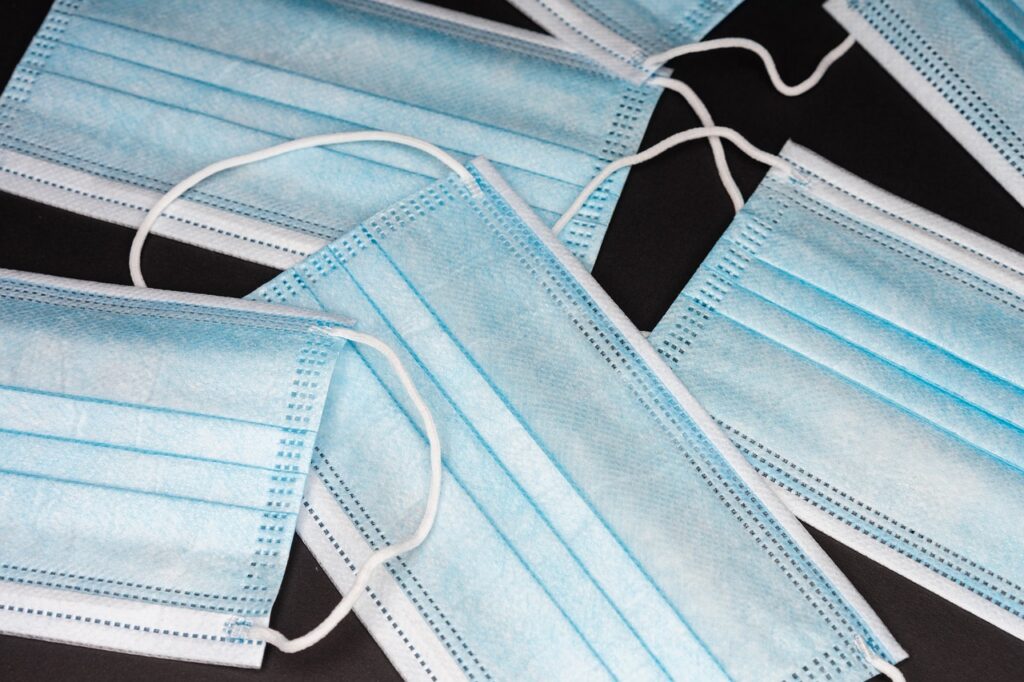
Medical textiles also include face mask materials, wound care layers, compression fabrics, patient transfer sheets, hospital bedding, mattress covers, and hygiene textiles. Some need filtration, some need skin comfort, and some need repeated washing. A safer way is to write the intended use first, then choose the fiber, structure, coating, finish, and test plan.
What Standards Should You Check Before Ordering Medical Textiles?
Standards make supplier comparison more practical. They do not replace samples or audits, but they stop the discussion from becoming too general. For regulated markets, ask for current reports from qualified labs and check that the test method matches the exact claim on the label.
ANSI/AAMI PB70 Barrier Level Claims
For gowns and drapes in the U.S. market, FDA recognizes ANSI/AAMI PB70 for liquid barrier performance classification. FDA explains four gown risk levels, from Level 1 for minimal risk to Level 4 for high-risk or fluid-intense situations. FDA also states that surgical gowns are Class II medical devices requiring 510(k) premarket notification, while critical zones have specific protection expectations. (fda.gov)
ASTM F2100 Mask Material Tests
For medical face mask materials, ASTM F2100 covers classification, performance requirements, and test methods. Its performance topics include bacterial filtration efficiency, differential pressure, sub-micron particulate filtration efficiency, resistance to penetration by synthetic blood, and flammability. This is why a mask can feel breathable but fail a fluid resistance claim, or filter well but feel too warm for long wear. (store.astm.org)
ISO 10993 and Quality System Documents
If a textile touches the body directly or indirectly, biocompatibility may need review. FDA’s 2023 ISO 10993-1 guidance addresses medical devices that contact the human body and uses a risk-based approach to judge potential adverse biological responses. Ask for material composition, additives, colorants, processing aids, and change control. A clean certificate photo is not enough on its own. (fda.gov)
How Do You Match Fabric Construction to Real Use?
Fabric construction is where cost, comfort, and protection meet. A thicker product is not always safer, and a lighter one is not always weaker. Look at the structure, finish, seams, and the actual job the product has to do.
Nonwoven SMS and SMMS for Barrier Jobs
SMS and SMMS nonwovens are common in disposable medical apparel because spunbond layers give strength while meltblown layers support barrier performance. For buyers, GSM is only a rough signal, not a full answer. Two 45 GSM materials can perform differently if fiber quality, layer bonding, or coating is different. Always ask for the test report linked to the exact item you plan to buy.
Spunlace, Films, and Laminates for Comfort and Cover
Spunlace can feel softer and more cloth-like, which helps in patient contact products and wipes. Film-laminated materials may give stronger liquid holdout, but they can also hold heat. In a real ward, staff may avoid a garment that feels like a plastic bag. Breathability, drape, noise, and cuff comfort are not fancy extras when shifts are long.
Reusable Textiles Need Validated Life Cycles
Reusable gowns, drapes, and linens need proof after washing, drying, sterilization, and handling. The main question is not whether the first sample passes. It is whether the item still meets the required level after the claimed number of cycles. Ask for laundering conditions, inspection rules, repair limits, and end-of-life criteria. See also: Coatings.
What Buying Details Reduce Supply Risk?
Medical textile sourcing can look simple when the sample is clean and the quote is low. The real supply risk often appears later, when a hospital asks for lot history, customs checks labeling, or a repeat order feels different from the first one.
Clear Intended Use and Market Route
Write the product purpose in plain words before asking for a price. Is it a non-surgical isolation gown, a surgical gown, a patient cover, a mask material, or a textile part used inside another device? That one sentence changes the documents, tests, packaging, and sometimes the legal route. Do not let a supplier guess this part.
Lot Traceability and Test Reports
Good sourcing files include fiber or resin details where relevant, fabric batch numbers, coating or finishing records, inspection results, and finished product lot codes. Test reports should show the product name, model, material, test method, date, and lab. If the report is for a similar product, treat it as a warning sign. It is not proof for your order.
Packing, Sterility, and Shelf Life
Packaging protects performance. Bulk cartons, inner bags, sterile barrier systems, labels, and transport humidity all need attention. For sterile goods, ask who validates sterilization and how shelf life was set. For non-sterile goods, ask how cleanliness is controlled. This paperwork is not exciting, but it prevents disputes later.
What Should You Discuss With a Textile Supplier Before Production?
A good supplier discussion should be practical. You do not need polished language. You need clear answers, matching documents, and samples that represent bulk goods. If a detail affects safety or user trust, put it in the specification sheet.
Material Grade Before Print or Conversion
Printing, cutting, ultrasonic sealing, coating, and sewing can change how a textile behaves. Choose the base fabric first, then confirm whether any added process affects breathability, barrier level, lint, skin contact, or hand feel. For printed medical textiles, inks and finishes should be selected with the same care as the fabric.
Color Coding and User Instructions
Hospitals often use color, size marks, directional symbols, or simple labels so staff can choose quickly. Keep these marks readable after handling, storage, and washing if the product is reusable. A color stripe that looks fine on a sample but bleeds after processing is not just a design issue. It becomes a user problem.
Samples Before Bulk Orders
Request pre-production samples made with the final material, final process, and final packing method. Check fit, cuff tension, seam strength, odor, lint, folding, carton labeling, and barcode readability. A short pilot run takes more time than a rushed purchase, but it costs much less than rejecting cartons after arrival.
FAQ
Q1: What Are Medical Textiles?
A: Medical textiles are textile materials or textile-based products used in healthcare, patient care, surgery, hygiene, protection, wound care, filtration, or related medical settings. They can be woven, knitted, nonwoven, coated, laminated, disposable, or reusable.
Q2: Are All Medical Textiles Regulated as Medical Devices?
A: No. Regulation depends on intended use, claims, market, and product type. A surgical gown, a hospital bedsheet, and a wound contact layer can face very different requirements. Always define the product claim before choosing documents.
Q3: Which Fabric Is Best for Medical Gowns?
A: There is no single best fabric for every gown. SMS or SMMS nonwovens are common for disposable barrier garments, while reusable gowns may use engineered woven or knitted fabrics with validated processing life. The right choice depends on risk level and test results.
Q4: What Documents Should You Ask a Supplier For?
A: Ask for the specification sheet, material composition, test reports, certificates where relevant, lot traceability plan, packaging details, labeling draft, shelf-life support, and change control process. For regulated goods, confirm market-specific needs with a qualified regulatory professional.
Q5: Can Medical Textiles Be Customized With Printing or Color Coding?
A: Yes, many textile products can be customized with colors, marks, logos, instructions, or size codes. The added process should not damage barrier performance, comfort, biocompatibility, wash durability, or readability, so sample testing is important before bulk production.