Is Fabric Geotextile the Best Choice for Roads, Drainage, and Erosion Control?
Why Does Fabric Geotextile Matter in Modern Site Work?
Fabric geotextile is not just “fabric in the ground.” In a road base, drain trench, slope, or shoreline job, it is often the layer that keeps soil, aggregate, and water in the right place. If you are buying materials for civil works, landscaping, or erosion control, look at the job function first, not only the roll price. For more field-use ideas, you can also browse the Huashi Digital applications guide.
The International Geosynthetics Society lists common geosynthetic functions such as separation, filtration, drainage, reinforcement, stabilization, protection, erosion control, barrier action, and stress relief. That is a good way to judge the product before ordering. A fabric may look simple on the pallet, but its work changes with site condition, soil type, aggregate size, water flow, and installation practice. (geosyntheticssociety.org)
Soil Separation Keeps Layers Clean
Separation is often the first reason contractors ask for geotextile fabric. In a gravel road, parking area, or temporary work platform, soft subgrade fines can move up into the stone layer. At the same time, aggregate can push down into weak soil. Then the site starts to rut, stone gets wasted, and maintenance comes back after rain or repeated truck traffic.
A suitable fabric geotextile works as a divider between different materials. It does not turn poor soil into strong soil, but it helps the aggregate layer hold its shape. That is why separation fabric is used below access roads, farm lanes, container yards, and construction entrances where loads pass over the same area every day.
Filtration Lets Water Move While Holding Fines
Filtration sounds easy: let water pass and hold soil back. On site, it needs more care. If the openings are too large, soil can move through the fabric. If the fabric is too tight, water pressure can rise, and the system may clog sooner.
That is where soil gradation and the fabric’s apparent opening size become important. For a French drain behind a retaining wall, filtration protects clean stone and pipe from fine soil. For riprap along a bank, it helps reduce soil loss below the stone. The fabric is not a replacement for proper grading, but it can keep the drainage layer from becoming a muddy mix after several storms.
Drainage Reduces Pressure Around Structures
Drainage is close to filtration, but it is not the same task. A geotextile may let water pass through its thickness, while drainage geocomposites move water along a plane. Even so, nonwoven geotextiles are often placed around drainage aggregates because they help water enter the drainage layer and keep fines out.
Behind walls, under slabs, around landscaping beds, and beside road shoulders, water pressure causes trouble. It can push, lift, soften, and carry soil away. A correctly selected fabric helps the planned drainage path stay open for longer. It is a small detail on paper, but anyone who has cleaned a blocked drain line knows it matters.
How Do Woven and Nonwoven Geotextiles Compare?
Most buyers first meet two main product families: woven and nonwoven geotextiles. Both are useful in the right place, and neither one is always better. The better choice depends on whether the job needs strength, water flow, filtration, cushioning, or a mix of these functions.
Woven Fabric Brings High Tensile Strength
Woven geotextiles are made by interlacing yarns or tapes into a steady sheet. They usually give high tensile strength and low elongation. For that reason, they are often used for separation and stabilization in road bases, haul roads, yards, and embankment work.
If the project needs a firm platform over weak soil, woven fabric is often worth checking. It helps spread load and reduces aggregate loss into the subgrade. The practical point is simple: do not choose woven fabric only because it feels stronger in the hand. Check the soil, the aggregate, and the design function before confirming the roll.
Nonwoven Fabric Brings Better Flow
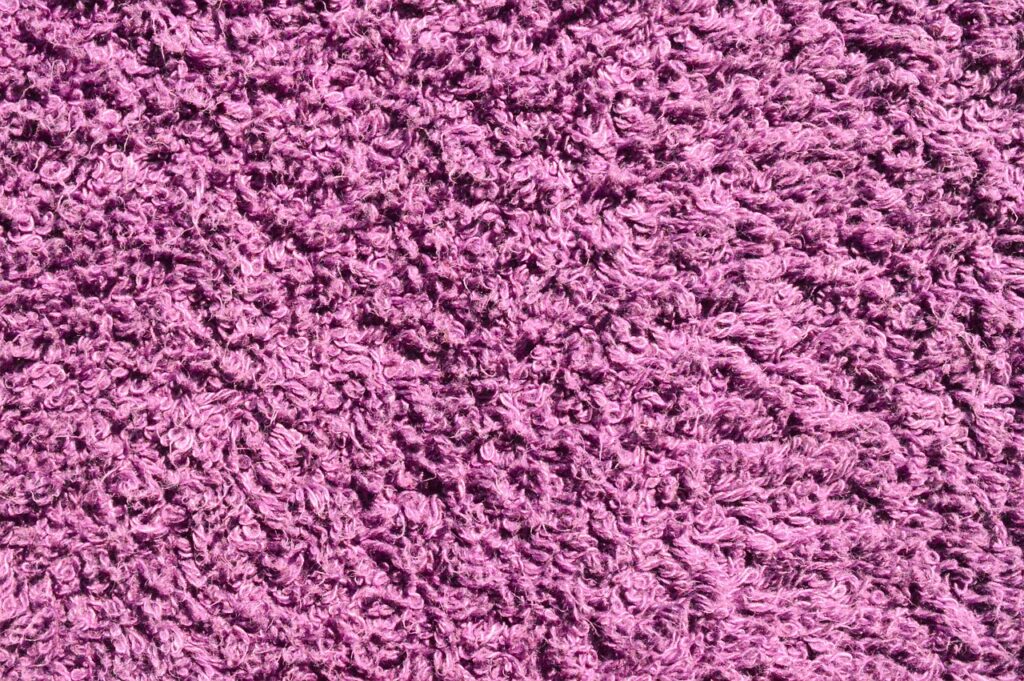
Nonwoven geotextiles are usually made by bonding fibers into a felt-like structure. They are common in drainage, filtration, protection, and erosion-control work. Many nonwoven fabrics allow steady water flow and also provide a cushion between rough aggregate and more sensitive layers.
For retaining walls, subsurface drains, landscape drainage, and shoreline protection, nonwoven fabric is often easier to match with filtration needs. It also wraps around uneven shapes better than many woven grades. That helps in narrow trenches, corners, and normal job sites where the ground is never perfectly square.
Project Function Comes Before Fabric Habit
Some contractors buy the same fabric for every project because it worked on the last one. That habit can cost money. A road separation job and a drain filtration job may need different properties. A steep slope also asks for something different from a flat storage yard.
Soil type matters as well, because soil with many fines does not behave like clean sand or gravel. A sound selection process starts with the main function. After that, check survivability, strength, permittivity, opening size, puncture resistance, and installation conditions. If drawings or local specification call for a defined class, follow it. If they do not, ask for the function in plain words before choosing the roll.
Where Does Fabric Geotextile Perform Best?
Fabric geotextile is used in many civil and environmental jobs because a thin layer can solve very practical site problems. AASHTO M 288, a widely used highway materials specification, covers geosynthetics for applications including subsurface drainage, separation, stabilization, erosion control, temporary silt fence, and soil work for walls and slopes. That list is close to what many field teams already handle on road and infrastructure projects. (store.transportation.org)
Road Bases and Haul Roads
Road construction is one of the most common uses. Under aggregate, geotextile fabric helps reduce mixing between stone and subgrade. On temporary haul roads, it helps keep stone in place through truck passes, rain, and general site traffic.
Good results usually come from a clear work sequence. Grade the subgrade, remove sharp debris, roll the fabric flat, overlap as specified, place aggregate with care, and avoid driving directly on exposed fabric. If the first loader tears it before the stone goes down, the fabric cannot do its job. It sounds basic, but rushed sites miss this step more often than they should.
French Drains and Retaining Walls
Drainage jobs need a fabric that filters without blocking flow. In a French drain, the fabric wraps clean stone and a perforated pipe. Behind a retaining wall, it separates backfill from native soil while water moves toward the drainage outlet.
Nonwoven fabric is often preferred here, but the soil still decides a lot. Fine silts can clog systems if the fabric is not matched well. Clay soils need extra care because water moves slowly and pressure can build behind walls. The fabric supports the drainage design, but it cannot fix a poor outlet or a missing slope.
Slopes, Shorelines, and Silt Fences
In erosion control, geotextile fabric may be placed below riprap, used to line channels, support turf reinforcement, or form part of a temporary silt fence. The U.S. Environmental Protection Agency includes geotextiles, matting, and netting in its National Menu of Best Management Practices for construction stormwater. The reason is straightforward: disturbed soil can move with stormwater, so site controls are used to reduce sediment leaving the work area. (epa.gov)
For buyers, that public guidance leads to a plain purchasing point. Fabric choice is tied to compliance, site safety, and water quality, not only material cost. On a muddy construction entrance or a slope after a summer storm, the cheapest roll can become expensive very quickly. See also: Coatings.
Which Specifications Should You Check Before Buying?
Specifications turn a fabric roll into a material that can be checked and approved for a project. ASTM D4439 is a standard terminology source for geosynthetics, and it helps keep words like geotextile, apparent opening size, and related terms consistent across buyers, engineers, and suppliers. The topic may look dry, but clear terms prevent wrong orders and site disputes. (store.astm.org)
Grab Strength and Survivability
Grab strength, tensile strength, puncture resistance, and tear strength show how the fabric may handle delivery, placement, aggregate cover, and construction traffic. A fabric that meets hydraulic needs but tears during installation can fail before the project is even in service.
Survivability is very important under angular stone, heavy equipment, or rough subgrades. If the job uses large riprap or sharp recycled aggregate, ask about protection and puncture performance. A lab value is useful, but site damage is real and should be allowed for.
Apparent Opening Size and Permittivity
Apparent opening size, often shortened to AOS, is tied to soil retention. Permittivity is tied to water flow through the fabric. For filtration and drainage, these two properties have to work together. Water should pass, but the soil structure should not be carried away with it.
A common mistake is choosing only by weight, such as “ounces per square yard.” Weight can help compare products in a general way, but it does not replace AOS, permittivity, puncture, and strength data. Two fabrics with similar weight can behave quite differently in drainage service.
Roll Size, Packaging, and Traceability
Roll width and length affect labor, overlap waste, and container loading. Wider rolls can reduce seams on large road or landfill jobs. Smaller rolls may be easier to handle in tight landscaping or residential drainage work.
Packaging also matters because UV exposure, wet storage, and rough forklift handling can damage rolls before installation. Traceability is worth asking about as well. Product labels, batch records, and test reports help match delivered rolls to approved submittals. When an inspector asks for documentation, “the fabric looked right” is not a strong answer.
How Can You Avoid Common Installation Mistakes?
Even the right fabric can perform poorly when installation is careless. The Federal Highway Administration’s geotextile design and construction guidance covers uses in drainage, erosion control systems, roadways, and reinforcement, which shows how closely material selection and construction practice are connected. Design is only half the work; installation carries the rest. (rosap.ntl.bts.gov)
Prepare the Subgrade Before Rolling
Remove roots, sharp rocks, scrap metal, and deep ruts before placing fabric. A smoother subgrade helps the fabric sit flat and lowers puncture risk. If water is ponding before installation, fix the grade or drainage path first. Fabric over a bad surface is still fabric over a bad surface.
For soft soil, avoid dragging rolls with too much force. Place them with controlled tension, not so tight that bridging forms over low spots. Wrinkles and folds can become weak points when aggregate is dumped and spread.
Use Proper Overlap and Anchorage
Overlap requirements depend on soil strength, slope, hydraulic conditions, and project specifications. On weak ground, overlaps need more care because fabric can shift during aggregate placement. On slopes, anchorage matters because gravity and runoff pull at the sheet.
Do not treat overlap as a guess. Follow the drawing, local standard, or engineer’s note. If there is no instruction, ask for one before work starts. That short question can prevent a long argument later.
Protect the Fabric During Backfill
Place cover material gently. Avoid dropping large stone from too high onto exposed fabric. Do not let trucks turn directly on uncovered geotextile unless the specification allows it. Sharp steering can twist and tear the sheet.
After placement, check visible seams, edges, and damaged spots. Patch cuts with suitable overlap before covering. It may feel slow at the time, but it is faster than digging out a failed drain or repairing ruts after the first wet week.
FAQ
Q1: What Is Fabric Geotextile Used For? A: Fabric geotextile is used for separation, filtration, drainage support, stabilization, protection, and erosion control. Common projects include roads, drains, retaining walls, slopes, construction entrances, and shoreline protection.
Q2: Is Woven or Nonwoven Geotextile Better? A: Neither is always better. Woven fabric is often chosen for separation and stabilization where strength matters. Nonwoven fabric is often chosen for drainage, filtration, and protection where water flow and soil retention matter.
Q3: Can Fabric Geotextile Stop Weeds? A: Some geotextile fabrics can reduce weed growth in landscaping, but civil geotextile is mainly selected for soil and water functions. For weed control, UV exposure, permeability, fabric weight, and cover material should be checked carefully.
Q4: How Long Does Geotextile Fabric Last Underground? A: Service life depends on polymer type, exposure, soil chemistry, installation damage, and cover depth. Because reliable service-life data varies by product and condition, ask the supplier for tested data instead of using a general number.
Q5: What Data Should You Ask From a Supplier? A: Ask for product data sheets, test methods, tensile or grab strength, puncture resistance, apparent opening size, permittivity, roll size, packaging details, and batch traceability. For regulated projects, match the local specification first.