Is Geo Cloth the Best Choice for Roads, Drainage, and Erosion Control?
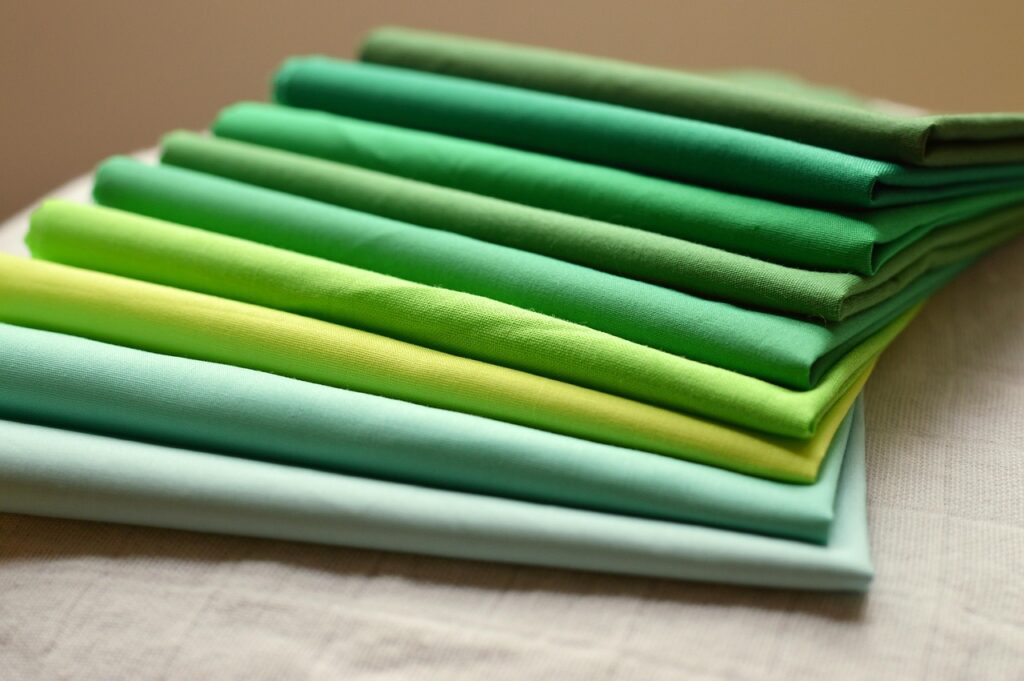
Geo cloth is the name many site buyers use for geotextile fabric. It is a water-permeable textile placed with soil, stone, and water on construction sites. If you are checking fabric for road bases, drains, slopes, or shoreline work, the Applications section is a good place to start, because the same textile family can be used in different site conditions.
In tender documents and engineering notes, geo cloth is usually called geotextile. ASTM D4439-25 gives standard terminology for geosynthetics, so buyers, engineers, and suppliers are talking about the same material. This may look like wording only, but it helps avoid mistakes when one roll is for aggregate separation over clay and another roll is for water filtration behind riprap.
What Is Geo Cloth in Civil and Textile Applications?
Geo cloth sits between textile production and civil engineering. It is not normal fabric for decoration or packaging. It has to handle installation, soil load, water movement, short sunlight exposure during storage, and rough handling on real sites.
A Permeable Textile for Soil Contact
Geo cloth is made to let water pass while helping control soil movement. That is the basic job, but the roll still has to match the soil and the work area. In actual use, performance depends on pore size, tensile strength, puncture resistance, mass per unit area, and polymer type. Polypropylene and polyester are common because they resist rot and work well in buried conditions.
A Link Between Textile Production and Site Performance
The manufacturing method changes what the fabric can do on site. Woven geo cloth has interlaced yarns and is often selected where strength and separation are the main concerns. Nonwoven geo cloth, often needle-punched, has a felt-like structure and is widely used for filtration, drainage, and cushioning. The roll may look plain, but small changes in fiber, weight, and bonding can change its field behavior.
Common Names Buyers Use
You may see the same product group listed as geo fabric, geotextile cloth, engineering fabric, drainage fabric, filter fabric, or road fabric. The name alone is not enough for a purchase decision. For export purchasing, ask about the application first, then check the data sheet. A buyer asking for “black fabric for road base” may need a separation geotextile, not landscape weed mat.
Why Does Geo Cloth Matter in Road and Aggregate Work?
Road work is one of the clearest reasons to use geo cloth. Aggregate costs money, takes truck capacity, and is not cheap to replace after failure. The U.S. Geological Survey Mineral Commodity Summaries 2026 reported about 1.5 billion tons of crushed stone produced for consumption in the United States in 2025, valued at about 27 billion dollars. That scale shows why keeping aggregate layers clean and working is not a small detail.
Separation Keeps Layers from Mixing
When base stone sits directly on soft clay or silt, fines can move upward into the aggregate under traffic. At the same time, aggregate can press down into the subgrade. Geo cloth works as a separator between these two materials. This helps the base layer keep its shape, drain better, and avoid some repair work after wet weather.
Stabilization Helps Weak Subgrades Carry Traffic
Stabilization is not just a sales word. It is a design function. FHWA geosynthetic guidance discusses selecting geosynthetics by function, including separation, filtration, drainage, and stabilization. On a muddy access road, for example, fabric beneath the aggregate can reduce rutting during construction traffic. The project engineer still needs to check soil strength, traffic load, and aggregate thickness.
Aggregate Savings Need Project Testing
Some suppliers say geo cloth cuts aggregate use by a fixed percentage. I would be careful with that kind of claim. Public, reliable numbers are hard to apply across all soils and traffic levels, so a single saving figure is not a safe way to buy. Treat any saving as project-specific. If the subgrade is very weak, the project may need geogrid, thicker aggregate, or both, not just a heavier fabric.
How Does Geo Cloth Handle Drainage and Filtration?
Drainage is where terms often get mixed in quotations and site discussions. Filtration means water crosses through the fabric while soil particles mostly stay in place. Drainage means water moves along a drainage layer or within a system. Geo cloth often supports both jobs, but it should not be selected only by touch or roll weight.
Water Passage Without Soil Loss
A good filter fabric lets water move while holding back the soil that would clog the system. FHWA pavement drainage guidance notes that geotextile filters must meet filtration criteria. This means soil gradation and fabric opening size need to match. If the opening is too large, soil passes through. If it is too tight, water slows and pressure can build.
Nonwoven Fabric Around Drainage Stone
Nonwoven geo cloth is often wrapped around drainage stone in French drains, trench drains, retaining wall drains, and landscaping drains. The fabric helps stop surrounding fines from entering the stone voids. On a common site, a drain behind a wall may look fine at handover, then fail two rainy seasons later because silty soil entered the aggregate. Filter fabric costs little compared with digging the drain back up.
Clogging Risk Requires Soil Data
Clogging is a quiet failure. It may not show on day one. Fine soils, iron-rich water, biological growth, or poor installation can reduce flow. Before ordering large volumes, ask for soil information, required apparent opening size, permittivity, and flow rate. A data sheet without these values is not enough for drainage work.
When Should You Use Geo Cloth for Erosion Control?
Erosion control is another major use, but the term covers different jobs. A slope cover, a riprap filter, and a silt fence are not the same product. The U.S. Environmental Protection Agency lists sediment as a common pollutant from construction stormwater and includes geotextiles, matting, netting, and silt fences in its construction stormwater BMP materials.
Slope Covers That Hold the Surface
On exposed slopes, fabric systems can help hold soil until vegetation grows or until permanent cover is installed. They do not replace the full slope design, but they can protect the surface during the weak stage. Natural fiber mats may suit short-term, vegetated slopes, while synthetic geotextiles may suit longer service needs. The right choice depends on slope angle, rainfall, soil type, and whether the fabric must stay buried or exposed.
Riprap Filters Along Channels
Under riprap, geo cloth can work as a filter between soil and rock. Without a filter, flowing water can pull fine particles out from under the stone, leaving voids and causing settlement. Permanent erosion control usually needs more than a generic roll. It needs puncture resistance, filtration performance, and enough strength to survive rock placement. See also: Coatings.
Sediment Controls on Active Sites
Silt fence fabric is a temporary sediment control. It is not a permanent retaining system. EPA stormwater guidance focuses on proper erosion and sediment controls because stormwater can carry loose soil into storm drains, rivers, lakes, and coastal waters. For buyers, this means the fabric must match local project rules, and installation details such as trenching the bottom edge matter a lot.
Which Type of Geo Cloth Should You Choose?
The right geo cloth starts with the job, not the roll color or the lowest price. AASHTO M288 covers geosynthetics for highway uses such as subsurface drainage, separation, stabilization, erosion control, temporary silt fence, and soil applications for walls and slopes. This is a practical reminder during sourcing: one fabric cannot be the best answer for every application.
Woven Geo Cloth for Strength
Woven fabric is commonly selected for separation and stabilization where tensile strength matters. It can fit haul roads, paved roads, parking areas, and aggregate base separation. If water must pass vertically through the fabric, check hydraulic properties carefully. Some woven products have lower permeability than nonwoven options.
Nonwoven Geo Cloth for Filtration
Nonwoven fabric is a common choice for drainage, filtration, cushioning, and many erosion control layers. Its fiber network can give good water flow and soil retention when the grade is selected correctly. Public market data also shows how common synthetic materials are. A Grand View Research public summary reported that synthetic geotextiles accounted for 91.8 percent of U.S. geotextile market revenue in 2024.
Composite Systems for Special Jobs
Some projects need more than geo cloth alone. A drainage composite may combine a geotextile filter with a drainage core. A reinforced soil wall may use geogrid with fabric for filtration in selected areas. Do not force one product into every role. It may pass a simple price check and still fail the project check.
How Should You Specify and Install Geo Cloth?
Specification and handling are where good materials often lose value. A strong fabric can be damaged by dragging it over sharp aggregate. A well-chosen filter can fail if seams open or if muddy equipment pushes soil into the drainage stone. These site habits matter, especially when work is being finished in rain or near the end of the shift.
Key Properties on the Data Sheet
Before you buy, compare the data sheet with the project requirement. If the project calls for a standard or a minimum value, ask the supplier to confirm it in writing. For most geo cloth orders, the key checks include:
- Fabric type, such as woven or nonwoven
- Polymer type, such as polypropylene or polyester
- Mass per unit area and thickness
- Tensile strength, grab strength, and elongation
- Puncture resistance and tear strength
- Apparent opening size for filtration
- Permittivity, flow rate, or water permeability
- Roll width, roll length, packing method, and loading quantity
Packaging and Shipping Checks
For export orders, packaging is not a side issue. Rolls should be wrapped to reduce UV exposure, dirt, moisture, and handling damage. Labels should match the packing list, product code, roll size, and batch information. If containers wait outdoors at port, good wrapping can save a lot of arguing later.
Field Handling That Prevents Damage
Install geo cloth on a prepared surface, remove sharp debris, overlap seams as specified, and cover the fabric soon after placement. Do not let trucks turn directly on exposed fabric unless the design allows it. For drainage trenches, keep soil out of clean aggregate during backfill. The fabric is only one part of the system, but a damaged part can still hurt the whole job.
FAQ
Q1: Is Geo Cloth the Same as Geotextile Fabric? A: Yes, in most buying conversations, geo cloth means geotextile fabric. Formal project documents usually use “geotextile” because standards and test methods use that term.
Q2: Can Geo Cloth Be Used Under Gravel Roads? A: Yes, it is widely used under gravel roads for separation and sometimes stabilization. The correct fabric depends on subgrade strength, traffic, aggregate size, and drainage needs.
Q3: Is Woven or Nonwoven Geo Cloth Better? A: Neither type is always better. Woven geo cloth often suits strength and separation. Nonwoven geo cloth often suits filtration, drainage, and cushioning. The project function decides the choice.
Q4: Does Geo Cloth Stop All Erosion? A: No. Geo cloth can support erosion control, but slope grade, water speed, soil type, anchoring, cover material, and maintenance also affect the result.
Q5: What Should You Check Before Ordering Geo Cloth in Bulk? A: Check the application, required standard, fabric type, strength values, hydraulic values, roll size, packaging, labeling, and whether the supplier can match test data with the shipped batch.