Is Geo Fabric Material the Best Choice for Roads, Drainage, and Erosion Control?

What Makes Geo Fabric Material Different from Ordinary Fabric?
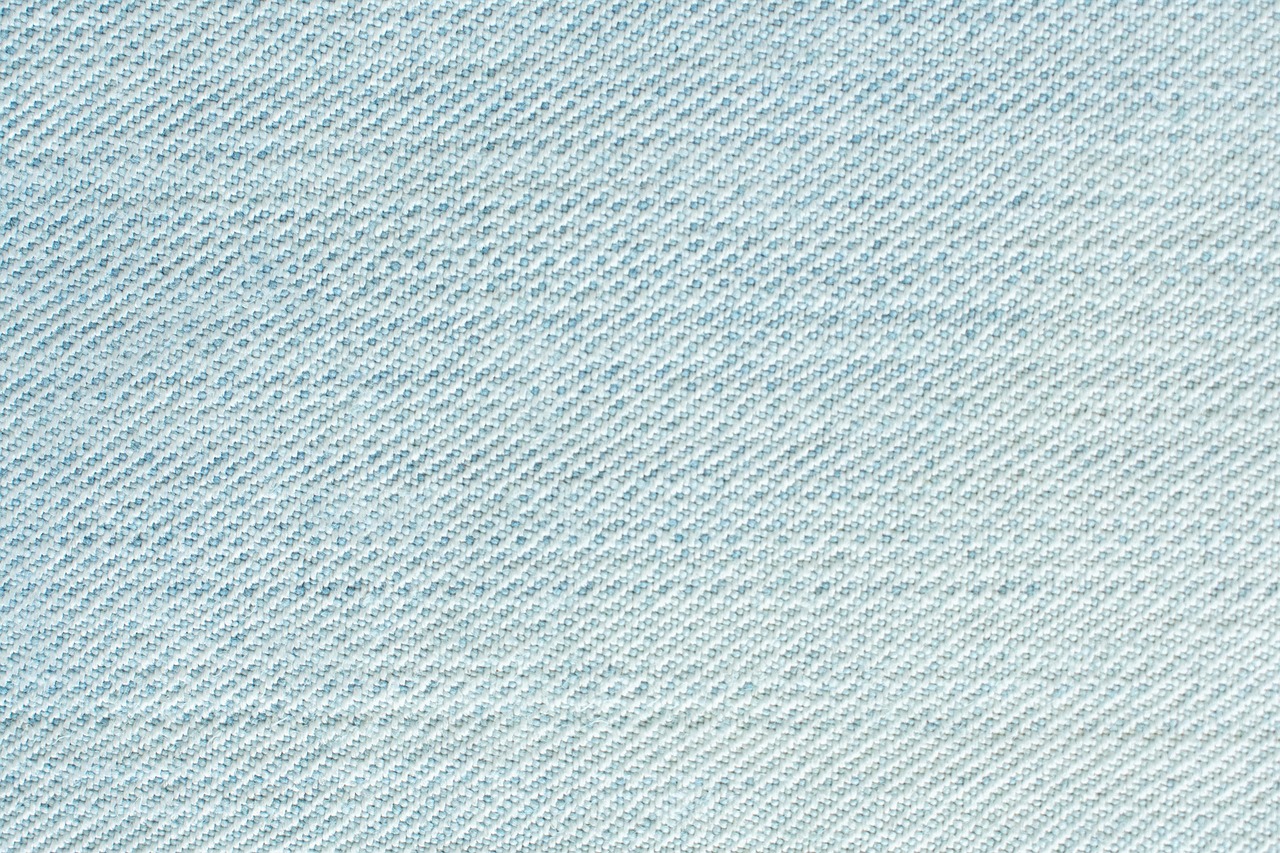
Geo fabric material is not ordinary cloth thrown under stone. It is a jobsite textile made to work with soil, rock, sand, aggregate, and moving water. If you are comparing materials for roadbeds, drains, erosion control, or ground stabilization, it is worth checking practical textile applications before choosing by price alone.
Permeable Textile for Soil and Rock
The USDA Natural Resources Conservation Service, in its 2007 stream restoration technical supplement, cites ASTM D4439 and describes a geotextile as a permeable geosynthetic made solely of textiles. The word permeable is important on site, not just in the standard. The fabric has to let water pass while it stays in place against soil and rock, instead of acting like a plastic sheet.
Five Main Jobs in One Layer
A geotextile can separate, filter, drain, protect, and reinforce. In a gravel road, separation keeps soft subgrade from mixing with clean stone. In a drainage trench, filtration keeps fine soil outside the stone layer, so the drain can still move water. On a slope, protection helps stop rock from cutting into the soil below.
Polymer Structure Built for Site Stress
Most commercial products use polypropylene or polyester because these polymers handle moisture, rot, and many soil chemicals better than common fabric materials. A good roll also needs enough puncture strength for sharp aggregate and steady quality from one section to the next. Field crews notice this when the subgrade is soft or the stone is angular. One weak section can turn into a muddy spot after rain, and that spot can spread quickly.
Which Type Should You Choose for Roads and Pads?
The right fabric depends on the job in front of you. A driveway, haul road, French drain, landfill cell, and silt fence may all use geotextiles, but they do not need the same structure. AASHTO M288 is widely used in highway work and covers application groups such as drainage, separation, stabilization, erosion control, temporary silt fence, and reinforced soil.
Woven Fabric for Separation and Stabilization
Woven fabric is usually the first choice when the job needs tensile strength and separation under aggregate. It is common under a temporary access road over clay, a parking pad for equipment, or a base layer under crushed stone. The fabric helps keep aggregate from sinking, and it also limits soil pumping up into the base.
Nonwoven Fabric for Filtration and Cushioning
Nonwoven fabric, often needle punched, has a thicker fiber structure with more random pore paths. It is commonly used around perforated pipe, behind retaining walls, under riprap, and over geomembranes. This structure usually gives better water passage and cushioning. That is why nonwoven fabric often fits drainage work better than a tight woven fabric.
Composite Choices for Special Loads
Some projects need more than one function in the same area. A geocomposite may combine a drainage core and geotextile filter. A geogrid may be used with geotextile when load support is the main concern. These choices should come from the design requirement, not from what happens to be in stock. Do not replace them with garden weed cloth for structural work, because it may look close on the pallet but it is not the same product.
How Does Geo Fabric Material Help Water Move Without Losing Soil?
Water is useful when it moves where the design wants it to go. It becomes expensive when it carries soil into stone, pipe, or road base. FHWA pavement guidance notes that separator layers prevent fine soil from moving into permeable base materials, which helps maintain both permeability and effective layer thickness.
Soil Retention with Open Flow
A filter fabric has to do two jobs that seem to pull in different directions. It must hold back soil particles, but it also needs enough open area for water to pass. FHWA geotextile filter design guidance explains the basic idea: larger soil particles form a bridge at the fabric, smaller particles may pass, and many openings help keep flow moving if some openings clog. This is why both soil data and fabric data matter before the order is placed.
Drains That Stay Cleaner Longer
For French drains and edge drains, fabric can wrap the stone zone or line part of the trench. The target is simple: keep soil out of the clean drainage path. Once fines enter the stone, water slows down and pressure starts to build. After enough rain, the trench can start working like a muddy sponge instead of a drain.
Fine Soil and Clogging Checks
Fine silt and clay need extra care because they can move easily with water. A fabric with pores that are too small can blind over on the soil side. A fabric with pores that are too large can let soil pass into the drain. Public guidance does not give one single value for every site, so soil gradation, apparent opening size, and permittivity should be checked together.
Where Does It Fit in Erosion Control and Slopes?
Erosion control is not just a landscaping issue. It affects water quality, roads, nearby drains, and site permits. The U.S. EPA states on its stormwater construction page, updated in 2026, that Clean Water Act permit coverage is required for construction activity disturbing 1 acre or more, and also for smaller sites that are part of a common plan reaching 1 acre.
Silt Fence for Temporary Sediment Control
The EPA’s December 2021 silt fence BMP says the purpose of a silt fence is to retain soil on disturbed land until permanent stabilization can begin. It also gives a practical field example: a single 100-foot run may hold 50 tons of sediment. That number depends on correct placement, post spacing, and maintenance. If the fence is installed too low, torn, or left full of sediment, it will not do the job for long.
Riprap Underlayment for Bank Protection
Under riprap, nonwoven geotextile works as a filter and separator. It helps stop water from piping soil through the voids in the rock. Without that filter layer, a bank can look protected on the surface while soil slowly washes out below. This kind of failure is easy to miss during a quick inspection. Usually people notice it only after stones start to settle or slide.
Slope and Shoreline Protection
On slopes, fabric is one part of the system, not the full system. You still need grading, water diversion, proper cover material, and anchoring. For shorelines or channels, the fabric must also survive installation under heavy rock. If the excavator bucket drags sharp stone across a thin fabric, damage can happen before the first storm. That is why survivability should be checked before the roll reaches the jobsite. See also: Coatings.
What Specifications Should You Check Before Buying?
Buying by gram weight alone is risky. Weight can help compare products in the same family, but it does not say enough about strength, pore size, flow, seam behavior, or roll quality. A serious purchase should match the fabric to the application and the soil.
Strength and Survivability Class
Check grab tensile strength, tear strength, puncture strength, burst strength, and seam strength when the fabric will face rough placement. Heavy angular stone, tracked equipment, and uneven subgrade all increase survivability needs. This is where a cheap roll can cost more than expected. If crews have to stop and repair tears every few meters, the saving on the roll price disappears fast.
Permittivity and Apparent Opening Size
Permittivity shows how readily water passes through the fabric. Apparent opening size relates to soil retention. In plain words, one value is about flow, and the other is about what gets held back. Drainage jobs need both numbers, especially in soils with a high percentage of fines.
Roll Size Packaging and Test Reports
Ask for documentation before the truck arrives. It avoids awkward calls from the jobsite gate and helps the receiving team check the material quickly.
- Product data sheet with test methods and typical values.
- Minimum average roll values where the specification requires them.
- Roll labels that match the purchase order and batch records.
- Protective wrapping, because mud and sunlight can damage stored rolls.
How Can You Install It Without Costly Mistakes?
Even the right fabric can fail if placement is poor. Installation is not a glamorous part of the job, and nobody talks much about smooth subgrade prep at lunch, but many geotextile problems start there. The fabric needs full contact, clean overlaps, and quick cover.
Subgrade Preparation and Smooth Placement
Remove large stones, roots, deep ruts, and standing water when possible. Place the fabric without wrinkles that could fold under aggregate. On windy days, use pins, sandbags, or small stone piles to hold the roll in place. This makes the work slower for a few minutes, but it saves repair time later. It also helps the aggregate sit evenly on the prepared base.
Overlap Seams and Anchoring
Overlap width depends on soil strength, slope, water flow, and project detail. As a practical public reference, FHWA rockery guidance calls for geotextile seams to overlap at least 300 mm, or 12 inches, to avoid gaps that could let fines pipe through. Poor overlaps are a common hidden leak path. Once they are covered with stone, they are not easy to find again.
Cover Material and Site Inspection
Cover the fabric soon after placement to reduce UV exposure and traffic damage. Place aggregate from the edge and spread it forward, instead of spinning equipment directly on exposed fabric. After heavy rain, inspect outlets, overlaps, torn areas, and sediment build-up. Small fixes are much easier before the base locks in.
FAQ
Q1: Is Geo Fabric Material Waterproof? A: No. Most geotextile fabric is made to be permeable, so water can pass while soil stays in place. If you need a waterproof barrier, you are usually looking for a geomembrane, not geotextile.
Q2: Is Woven or Nonwoven Geo Fabric Better? A: Woven fabric is often better for separation and stabilization under aggregate. Nonwoven fabric is often better for filtration, drainage, and cushioning. The better choice depends on soil, load, water flow, and cover material.
Q3: Can Geo Fabric Material Stop Weeds? A: It can block some weed growth when used in landscape layers, but professional geotextile is mainly selected for civil work such as separation, filtration, drainage, erosion control, and stabilization. Weed control is not the main design goal.
Q4: How Long Does Geotextile Fabric Last Underground? A: Service life depends on polymer type, exposure, installation damage, soil chemistry, and load. Buried polypropylene and polyester geotextiles can last for many years when they are selected correctly and protected from sunlight and tearing.
Q5: What Information Should You Send When Requesting a Quote? A: Share the application, soil type, roll width and length, required strength, water flow needs, standard reference if any, and project photos if available. These details help match the fabric to the real site, not just to a catalog name.