
Medical textiles and biomaterials for healthcare applications, safety and compliance
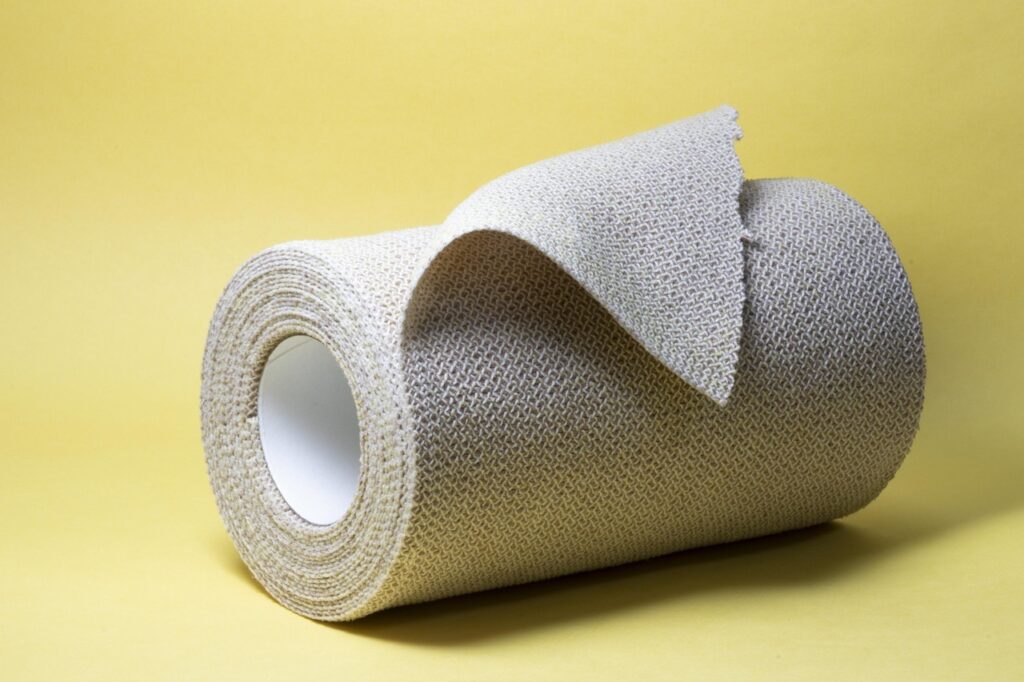
Why healthcare textiles are shifting from passive fabrics to engineered biomaterials
Medical textiles and biomaterials for healthcare now extend well beyond gauze, gowns and hospital linen. They include wound dressings designed to manage fluid, surgical apparel with defined barrier claims, implantable meshes and scaffolds that contact tissue, and emerging smart textiles that may monitor patient or wound conditions. The key question is no longer only whether a textile is strong, soft or absorbent. It is whether the textile structure, fiber chemistry, finishing process and intended body contact can support a safe, reproducible healthcare function.
That distinction matters because healthcare textile design sits between textile engineering, biomaterials science, infection control and medical device regulation. A fabric suitable for bedding may be inappropriate for a dressing used on compromised skin. A polymer that performs well in a disposable gown may not be suitable for long-term implantation. Intended use, contact duration and biological risk determine the evidence required.

For related textile application coverage, see the Applications section.
Main application categories and what they must prove
A practical way to assess healthcare textiles is to group them by clinical function. Reviews of medical textiles commonly describe non-implantable products, implantable products, healthcare and hygiene materials, extracorporeal devices, and smart or sensing textiles. These categories can overlap, but the evidence expectations are very different.
| Application area | Common textile forms | Healthcare purpose | Evidence focus |
|---|---|---|---|
| Wound care and non-implantable products | Gauze, nonwoven dressings, hydrogel or fiber composites, compression bandages | Protect tissue, absorb exudate, support moist healing, deliver pressure or local functionality | Biocompatibility for compromised skin, absorbency, fluid handling, wear time, antimicrobial or hemostatic claim support |
| Protective apparel and drapes | SMS nonwovens, laminated fabrics, reusable barrier textiles | Reduce transfer of fluids, particles and microorganisms in healthcare settings | Barrier level, critical-zone performance, seam integrity, linting, comfort, labeling claims |
| Implantable textiles | Sutures, meshes, vascular grafts, braided or knitted scaffolds, ligament supports | Provide structural support, tissue integration or controlled degradation | Biocompatibility, mechanical fatigue, degradation behavior, local tissue response, sterilization effects |
| Extracorporeal and filtration textiles | Membranes, hollow fibers, filter media, absorbent pads | Contact blood or fluids outside the body during treatment or handling | Hemocompatibility, extractables and leachables, pore control, cleanliness, process consistency |
| Smart healthcare textiles | Sensor yarns, conductive coatings, flexible circuits, textile-integrated patches | Monitor temperature, movement, moisture, pressure or wound-related indicators | Signal accuracy, washing or wear durability, skin safety, data reliability, electrical safety where applicable |
This classification is useful because a healthcare textile cannot be judged by fiber name alone. Polyester, polypropylene, cotton, chitosan, collagen, silk fibroin and polylactic acid can each appear in different risk contexts. The same base material may be low risk in a pillow cover, higher risk in a wound dressing, and tightly controlled in an implantable scaffold.
Material choices are linked to textile structure and clinical function
Material selection in medical textiles starts with biology, but performance often depends on structure. A nonwoven dressing may be chosen for absorbency and conformability, while a woven or braided implant may be selected for dimensional stability and load-bearing behavior. Knitted structures can provide elasticity and porosity. Electrospun structures can create high surface area and small fiber diameters. Laminated constructions can combine barrier performance with comfort layers.
Common synthetic fibers such as polypropylene, polyethylene terephthalate, polyamide and polyurethane remain important because they can be processed at scale and engineered for strength, softness, elasticity or barrier performance. Biobased and bioresorbable materials such as collagen, chitosan, alginate, silk fibroin, polylactic acid and polyglycolic acid attract interest where tissue interaction, biodegradation or bioactivity is desired. Natural origin, however, does not automatically mean lower risk. Batch variation, impurities, crosslinking chemistry and degradation products all need control when a material contacts the body.
For wound care, textile design often balances four properties: fluid handling, protection from outside contamination, conformability to moving skin, and a wound environment that does not dry out or macerate tissue. Protective clothing requires a different balance: liquid barrier performance, breathability, seam performance, donning strength and user comfort. For implants, priorities shift again toward long-term mechanical behavior, tissue integration or controlled resorption, and local biological response.
This is why medical textile development is rarely a simple substitution exercise. Changing a fiber, finish or coating may alter stiffness, pore size, extractables, absorbency, sterilization tolerance and regulatory evidence. In healthcare applications, even a small material change can become a significant design change if it affects patient contact or performance claims.
Safety and compliance depend on intended use, not marketing language
Regulators and standards organizations generally evaluate medical textiles by intended use and risk. In the United States, the FDA describes biological evaluation through the ISO 10993-1 risk-based framework, including the nature and duration of body contact. The FDA issued updated guidance on the use of ISO 10993-1 in September 2023, and its public biocompatibility resources emphasize that testing endpoints depend on device category, contact type and available material information.
For gowns and drapes, the FDA recognizes ANSI/AAMI PB70 as a key standard for liquid barrier performance and classification of protective apparel and drapes used in healthcare facilities. Surgical gowns are regulated as Class II medical devices requiring premarket notification, while non-surgical gowns are generally lower risk when they make limited claims. For textile developers, the practical point is that barrier level, critical zones and labeling claims must align. A fabric roll test alone does not prove a finished garment if seams, cuffs, closures or reinforced areas change performance.
For implantable and tissue-contacting textiles, biocompatibility is more complex. The ISO 10993 series addresses biological evaluation, including local effects after implantation, hemocompatibility, chemical characterization and toxicological risk assessment. ISO 10993-6:2026 specifically concerns tests for local effects after implantation when skin or mucosal tissue is breached and an implant response must be assessed. ISO 14971:2019 also matters because medical device risk management is not a single test. It is a process for identifying hazards, estimating risk, controlling risk and monitoring information throughout the product life cycle.
Quality systems are another current consideration. FDA published a final rule in February 2024 to amend 21 CFR part 820 and align the medical device Quality Management System Regulation more closely with ISO 13485:2016. The rule became effective on February 2, 2026. For healthcare textiles that are medical devices, this reinforces the need for documented design controls, supplier controls, production controls, complaint handling and traceability. Textile producers that support device manufacturers may be asked for evidence that goes beyond normal apparel or industrial textile documentation.
In the European Union, Regulation (EU) 2017/745 on medical devices has applied to new medical devices since May 26, 2021. The MDR places strong emphasis on clinical evidence, technical documentation, risk management and post-market surveillance. Textile-based devices are not exempt simply because they look like fabrics. Their classification depends on intended purpose, invasiveness, duration of use and whether they contact tissue, blood or other body fluids.
Manufacturing controls are as important as fiber selection
Medical textile performance can be affected at many production stages. Spinning, bonding, coating, dyeing, finishing, converting, cutting, sewing, ultrasonic welding, sterilization and packaging can all influence biological safety or functional performance. A dressing may meet absorbency targets before sterilization but become stiffer afterward. A gown fabric may meet barrier requirements before garment assembly but fail at the seams. A coated textile may perform well at first but release residues or lose function after aging.
Healthcare textile projects therefore need a manufacturing control plan early in development. Important questions include: See also: Coatings.
- What materials contact the patient directly, and for how long?
- Are dyes, binders, lubricants, surfactants, antimicrobials or coatings present in patient-contacting areas?
- Will the product be supplied sterile, clean, reusable or single-use?
- Can the textile tolerate the selected sterilization method without losing strength, absorbency, elasticity or barrier performance?
- Are lot-to-lot variation, fiber shedding, linting and particulate release controlled?
- Does the packaging maintain sterility or cleanliness through transport and storage?
- Can the supplier provide change-control notice for resin, fiber, finish, adhesive or process changes?
These questions are especially important for converters and brand owners sourcing textile components globally. A supplier certificate may confirm a fiber type, but it may not address extractables, residual processing chemicals, cleanliness, bioburden, sterilization compatibility or medical device documentation. In healthcare, the component history matters.
Emerging development areas and realistic limitations
Several areas are drawing active research and product development interest. Advanced wound dressings are moving toward multifunctional structures that can absorb exudate, maintain moisture, reduce microbial burden or indicate changes in wound status. Electrospun nanofiber membranes, hydrogel-textile hybrids and bioactive fibers are frequently discussed in biomedical textile literature because they can combine surface area, porosity and functional chemistry.
Regenerative medicine is another important direction. Textile scaffolds can be designed with controlled porosity, anisotropic strength and degradation profiles to guide tissue repair. Braiding, knitting, weaving and electrospinning all offer different routes to scaffold architecture. The limitation is that promising laboratory performance does not automatically translate into clinical readiness. Implantable biomaterials require robust evidence on local tissue response, degradation products, mechanical stability, sterilization effects and manufacturing repeatability.
Smart medical textiles are also expanding, particularly in rehabilitation, remote monitoring, pressure injury prevention and wound assessment. Textile-integrated sensors may track movement, pressure, moisture or temperature, but healthcare adoption depends on more than sensing ability. Developers must validate accuracy in realistic use, manage skin compatibility, protect electronics from wear and cleaning, and address data reliability if the textile supports clinical decision-making.
Sustainability is a further pressure point. Healthcare uses many disposable nonwovens because infection control, cost and logistics favor single-use products in some settings. Reusable barrier textiles can reduce waste in certain applications, but they require validated laundering, durability and barrier performance over their intended use cycles. The more useful sustainability question is not single-use versus reusable in the abstract. It is which system provides safe performance, acceptable lifecycle impact and practical workflow for a specific clinical setting.
How buyers and developers should evaluate healthcare textile opportunities
For textile companies, the healthcare market is attractive but demanding. Successful projects usually start with a precise intended use statement rather than a material idea. A useful evaluation sequence is:
- Define the clinical function and user. A surgeon, nurse, patient, wound-care specialist or implanting physician may value different performance attributes.
- Map body contact. Distinguish intact skin, compromised skin, mucosal contact, blood contact, tissue contact and implantation.
- Identify the claim. Barrier, absorbent, antimicrobial, hemostatic, bioresorbable, monitoring and drug-delivery claims each carry different evidence burdens.
- Select the textile architecture. Match woven, knitted, braided, nonwoven, electrospun or laminated construction to the function.
- Plan biocompatibility and chemical characterization early. Do not wait until the final prototype if chemistry is still changing.
- Control manufacturing changes. Patient-contacting materials, finishes, adhesives and sterilization conditions should be locked down before validation.
- Prepare documentation for regulated markets. Technical files, risk management, quality records, labeling and supplier controls are part of the product, not an afterthought.
The main takeaway is that medical textiles and biomaterials for healthcare create value when textile structure, material biology and compliance evidence are developed together. The field is moving toward more active, functional and data-enabled materials, but adoption still depends on safety, reproducibility and a clear clinical purpose.
Frequently asked questions
Are medical textiles always medical devices?
No. A textile used in a hospital is not automatically a medical device. Classification depends on intended medical purpose, claims, body contact and jurisdiction. Bedding, uniforms and general hygiene textiles may be treated differently from wound dressings, surgical gowns, implants or monitoring textiles.
What is the difference between a medical textile and a biomaterial?
A medical textile is a fiber, yarn, fabric or textile structure used in a healthcare context. A biomaterial is selected or engineered to interact with biological systems for a medical purpose. Some healthcare textiles are simple protective materials, while others become biomaterial platforms because they contact tissue, support healing, degrade in the body or deliver biological functionality.
Why is ISO 10993 important for healthcare textiles?
ISO 10993 is important because many healthcare textiles contact skin, wounds, blood or internal tissue. The standard series supports biological evaluation based on contact type and duration. It does not mean every product needs every test; it means biological safety should be assessed through a documented, risk-based approach.
Can antimicrobial finishing be added to any healthcare fabric?
Technically, many antimicrobial finishes can be applied to textiles, but healthcare claims must be handled carefully. A finish used to protect the product is different from a claim to protect a patient or treat a wound. The chemistry, release behavior, skin contact, durability and labeling all need evaluation.
Which textile structure is best for wound dressings?
There is no universal best structure. Gauze, nonwovens, foams, hydrogel composites, alginate fibers and electrospun membranes can all be useful depending on exudate level, wound type, wear time, conformability and clinical objective. The best structure is the one that matches the wound-care function and safety evidence.