Is PVC Mesh Cloth the Best Choice for Outdoor Coatings?
What Makes PVC Mesh Cloth Useful in Coated Textiles?
pvc mesh cloth is a coated textile used when solid fabric is too heavy, too hot, or too closed for the job. In many coatings projects, buyers need a base fabric that can take load, hold a steady coating, and still let some wind or light pass through. This is why PVC coated polyester mesh is often chosen for shade screens, outdoor advertising, truck side curtains, scaffold covers, and privacy fencing.
Polyester Mesh Carries the Load
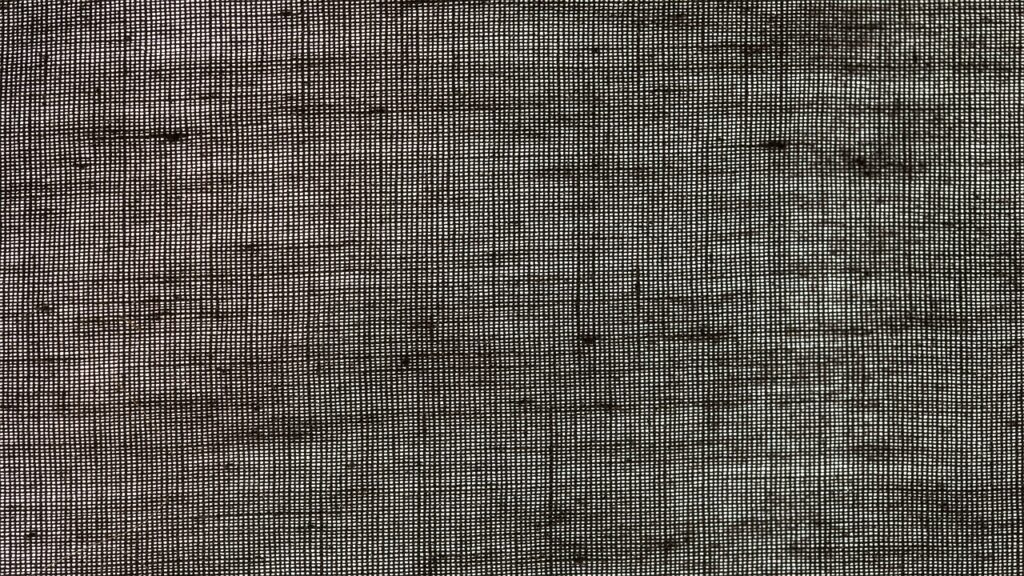
The main base of most PVC mesh cloth is woven polyester. The yarn decides the tensile behavior, tear resistance, and dimensional stability of the cloth. You can think of it as a net covered with a protective layer. If the yarn is weak, the coating will not make the product last long, and if the yarn is strong but the coating is weak, the surface can crack, peel, or fade too soon.
PVC Coating Adds Weather Protection
PVC helps the mesh handle rain, rubbing, and daily use. It also gives the fabric a cleaner surface for color, printing, and welding. The European Chemicals Agency notes that phthalates are used as softeners in plastics such as PVC, which is one reason flexible PVC can be made with different hand feel and bending performance. For cloth used near people, this also means the formulation should be checked before an order is placed. (echa.europa.eu)
Open Mesh Helps Airflow and Weight Control
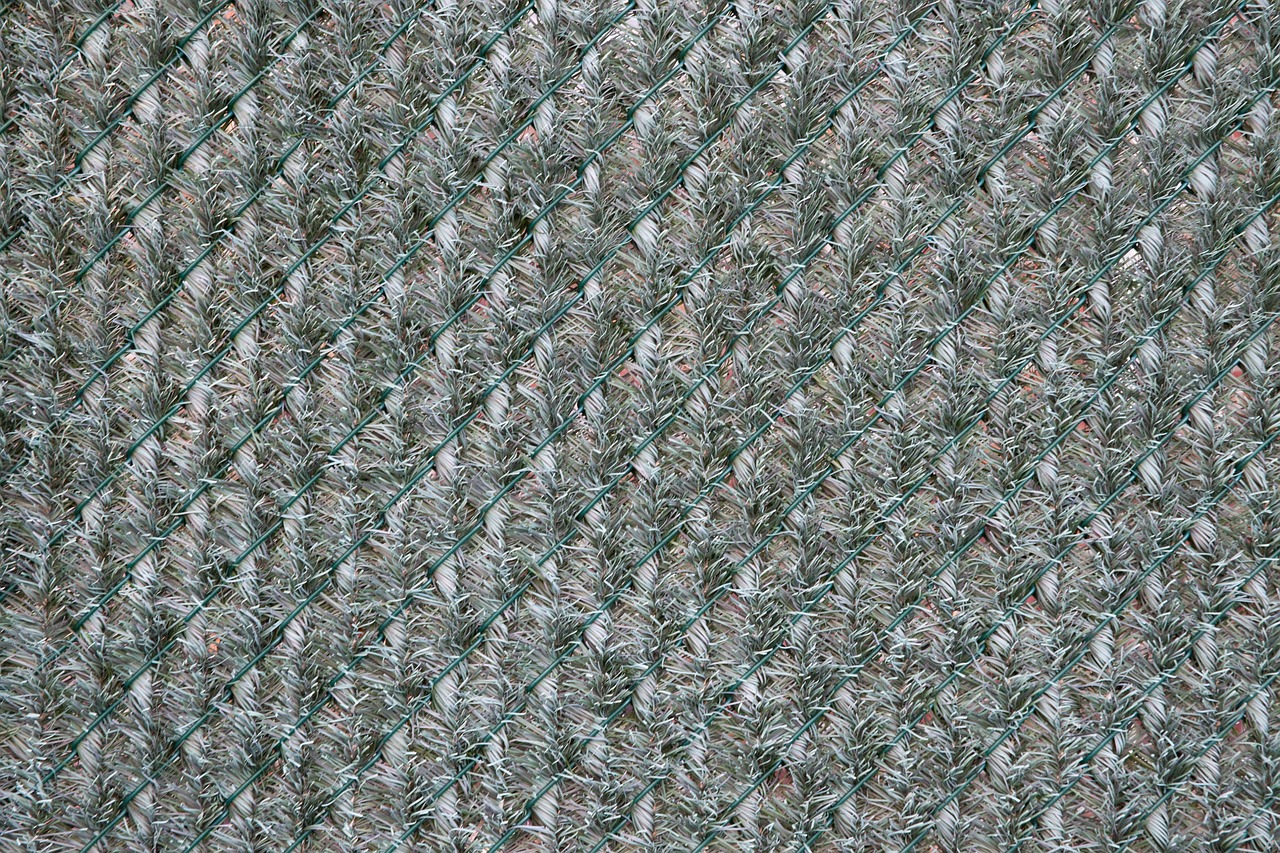
The open structure is the basic reason buyers choose mesh instead of a solid tarpaulin. A fence banner in a windy port, for example, needs printed graphics, but it also needs openings so wind pressure can drop. The same thinking applies to shade structures and ventilation covers. Less sail effect usually means fewer damaged eyelets, less load on frames, and fewer complaints from installers after the first strong wind.
Where Does PVC Mesh Cloth Beat Solid Coated Fabric?
PVC mesh cloth is not better than solid coated fabric in every case. It is a better fit when openness, lower weight, and some visibility control matter more than full water blocking. In export sourcing, this should be clear before samples are requested, because a fine mesh and an open mesh can act like two different materials in use.
Shade and Outdoor Screens
For patio screens, balcony shades, facade shading, and agricultural side curtains, mesh lets air pass while reducing glare. In daily use, it feels more comfortable than a sealed plastic sheet because heat and wind do not build up in the same way. The buyer still needs to check shade rate, openness, UV resistance, and color fastness. A black 30 percent open mesh will not work like a beige 10 percent open mesh, even when both are listed as PVC mesh in a catalog.
Truck Side Curtains and Cargo Covers
Transport projects can use coated mesh when cargo needs ventilation or when the cover works as a side barrier instead of a fully waterproof roof. In this type of use, corner abrasion, strap tension, road dirt, and repeated movement all affect service life. It is worth asking how the mesh performs in edge welding, grommet setting, and repeated folding. These small points often decide whether a cover still looks acceptable after three months of hard work.
Banners, Fencing, and Site Barriers
Printed mesh is often used around construction sites, events, stadiums, and retail renovation areas. The holes reduce wind load and make large panels easier to hang. A slightly heavier mesh can keep the print flatter, while a lighter mesh can be enough for short campaigns. For a six-week event, an architectural grade cloth is usually more than needed, but for a coastal fence, cheap mesh can turn expensive fast.
Which Specifications Should You Check Before Ordering?
A product name is not a specification. When buying PVC mesh cloth, ask for numbers and test methods, not only a short product description. Public standards do not choose the grade for you, but they give labs, mills, and customers the same language. That helps reduce confusion during sampling, inspection, and claim handling.
Yarn, Mesh Count, and GSM
Start with the base yarn, weave, mesh count, openness, and coated weight in grams per square meter. A 260 gsm advertising mesh and a 500 gsm industrial mesh may both use polyester and PVC, but their strength level and price are not close. If the supplier only gives width and color, the offer is missing too much detail. Ask for roll length, tolerance, selvage style, and whether the coating is on both sides or mainly one side.
Tensile, Tear, and Adhesion Results
ISO 1421:2016 specifies methods for tensile strength and elongation at break for rubber or plastics coated fabrics. ASTM D751-26, updated in July 2026, covers coated fabric tests including breaking strength, elongation, tearing strength, hydrostatic resistance, coating adhesion, seam strength, heat aging, and low temperature behavior. These two standards show why a usable data sheet should list both values and test methods. Words like strong or heavy duty are not enough when a buyer needs to compare samples or handle a claim. (iso.org) (store.astm.org)
Flame, UV, and Cold Crack Needs
If the mesh is used indoors, at exhibitions, in public venues, or on temporary structures, flame testing may be a required buying point. NFPA 701-2023 covers flame propagation tests for textiles and films, and its Test Method 2 includes materials used in awnings, tents, tarps, membrane structures, and banners. This does not mean every PVC mesh can pass it. It means the right certificate should be checked before production, not after the shipment reaches customs.
How Should You Compare PVC Mesh Cloth vs Other Coated Materials?
Material comparison should stay close to the real job. A table can look neat, but it may hide the main question: what problem does the material need to solve? The right choice depends on wind, light, water, fire rules, cleaning, service life, and budget.
PVC Mesh vs Solid PVC Tarpaulin
Solid PVC tarpaulin blocks rain better and gives stronger privacy. It is usually the safer choice for roofs, storage covers, and waterproof liners. PVC mesh cloth is more suitable when wind relief, airflow, and easier handling matter more than full waterproofing. On a long fence line, solid fabric can catch wind like a sail, while mesh gives the wind a way through, and installers notice that difference quickly.
PVC Mesh vs HDPE Shade Net
HDPE shade net can be light and low cost, mainly for agriculture and simple shade jobs. PVC mesh cloth usually gives a steadier coated surface, better print effect, and stronger welded or sewn edges. If the project needs logos, colored privacy panels, or repeated installation, PVC mesh often suits commercial use better. If the job only needs basic shade over crops for one season, HDPE may be enough.
PVC Mesh vs PTFE or Silicone Coated Glass
PTFE or silicone coated glass fabrics are used in higher-end architecture and heat resistant applications. They can offer long service life, but they cost more and are not as easy for normal fabrication shops to process. PVC mesh cloth sits in a more practical middle range. It is easier to weld, easier to print, and easier to match with common outdoor jobs, which is often the main reason distributors keep it in their product line.
What Compliance Details Matter for Export Buyers?
Export buyers should treat compliance as part of the product setup, not as paperwork to collect at the end. The same roll of mesh may be fine for an outdoor fence but not suitable for a child-related product or a public interior. Rules change by market, so the final destination and use should be confirmed before the purchase order is signed.
REACH and Restricted Plasticizers
For the EU market, ECHA states that several phthalates have been restricted since November 2020 in consumer clothing, related accessories, and textiles that come into contact with skin. The listed substances include DEHP, DBP, DIBP, and BBP. If your PVC mesh cloth may be touched often, used in seating, or sold as a consumer textile accessory, ask about plasticizer type. Also request recent chemical test reports before bulk production, not only after the goods are ready. (echa.europa.eu)
Flame Testing for Public Spaces
Fire performance is not just a line in a brochure. A mesh used for a retail banner, event wall, tent side, or stadium graphic may need a named flame test. Check which rule the venue, city, or buyer asks for, because NFPA 701, B1, M2, BS 7837, and other names appear in real orders but are not the same. A safe working habit is simple: match the certificate to the destination rule.
Packaging, Rolls, and Traceable Documents
For importers, roll labels and batch records can prevent a long argument later. Ask for item code, color, width, length, net weight, gross weight, batch number, and production date on the packing list. If the shipment includes mixed colors or widths, carton and pallet marks should be clear and boring. In this case, boring is good because the warehouse can find the right roll at 8 a.m. without opening half the container.
How Can You Source Better PVC Mesh Cloth for Coatings?
The global textile market is large, and polyester is still a main fiber for technical textiles. Chatham House, citing Textile Exchange’s 2025 Materials Market Report, reported that global fiber production reached about 132 million tonnes in 2024, with polyester at about 78 million tonnes, or 59 percent of global fiber output. This scale helps explain why polyester based PVC mesh cloth is easy to find, but it does not mean every roll has the same quality. (chathamhouse.org)
Match Coating Weight to the Job
Do not buy the heaviest cloth just out of habit. A heavier coating may help surface life and welding, but it also raises freight cost and makes handling harder. A lighter mesh may be fine for temporary banners, while a stronger grade is better for truck curtains, shade structures, or windy coastal fencing. Tell the supplier the real job, expected service time, and installation method, and the reply will usually be more useful.
Ask for Lab Reports, Not Just Words
Words like premium, anti-aging, and export quality may sound good, but they do not solve a claim. Ask for tensile strength, tear strength, coating adhesion, cold crack temperature, flame result if needed, and UV or weathering data when the job requires it. If there is no reliable public data for a narrow claim, write that down in your buying notes. Guessing is not sourcing, especially when the goods will be shipped across borders.
Plan Samples Around Real Use
A small swatch can show color and hand feel, but it cannot show how a 50 meter roll behaves during welding, printing, folding, and hanging. For a new program, test one roll in the real workflow. Print it, weld it, punch grommets, hang it outside, clean it once, and then make the decision. It takes a little more time, but it is cheaper than replacing a full container of the wrong mesh.
FAQ
Q1: Is PVC Mesh Cloth Waterproof? A: It is water resistant because of the PVC coating, but the open mesh structure is not fully waterproof. Choose solid PVC coated fabric if you need full rain blocking.
Q2: What GSM Is Best for PVC Mesh Cloth? A: Light banner mesh may sit in a lower gsm range, while industrial covers need heavier grades. The best gsm depends on wind, service life, welding, and strength needs.
Q3: Can PVC Mesh Cloth Be Printed? A: Yes, many grades are made for digital printing, fence banners, and outdoor advertising. Ask for ink compatibility, surface finish, and print test results before bulk orders.
Q4: Is PVC Mesh Cloth Suitable for EU Buyers? A: It can be suitable, but the formulation and end use matter. For skin contact or consumer uses, request chemical reports for restricted plasticizers and other relevant substances.
Q5: How Do You Choose a Reliable Supplier? A: Look for clear specifications, steady color matching, test reports, sample support, honest tolerances, and packaging that keeps rolls clean and traceable during long shipping.