What Is Flame Retardant Cloth and How Can It Make Industrial Textiles Safer?
Choosing flame retardant cloth is not only a line item on a purchase sheet. It affects how a curtain, workwear shell, welding screen, tent panel, or coated textile reacts when heat appears in the wrong place. For buyers checking finishes, base fabrics, and end-use rules, the Coatings category is a useful starting point because coating chemistry often decides whether a fabric only looks right or can actually do the job. NFPA Research reported in November 2025 that U.S. local fire departments responded to an estimated 1,388,000 fires in 2024, causing 3,920 civilian deaths, 11,780 civilian injuries, and about $19 billion in direct property damage. One fabric cannot solve a fire risk by itself. Still, these numbers explain why buyers now ask more direct questions before they approve textiles for public, industrial, or electrical settings. (content.nfpa.org)
What Makes Flame Retardant Cloth Different from Standard Fabric?
Standard fabric is usually checked by weight, color, hand feel, tear strength, and price. Flame retardant fabric adds one more point: how the textile behaves when it meets flame, hot particles, or short heat contact. The basic fabric properties still matter, but fire behavior becomes part of the value of the material.
Treated Surface That Slows Ignition
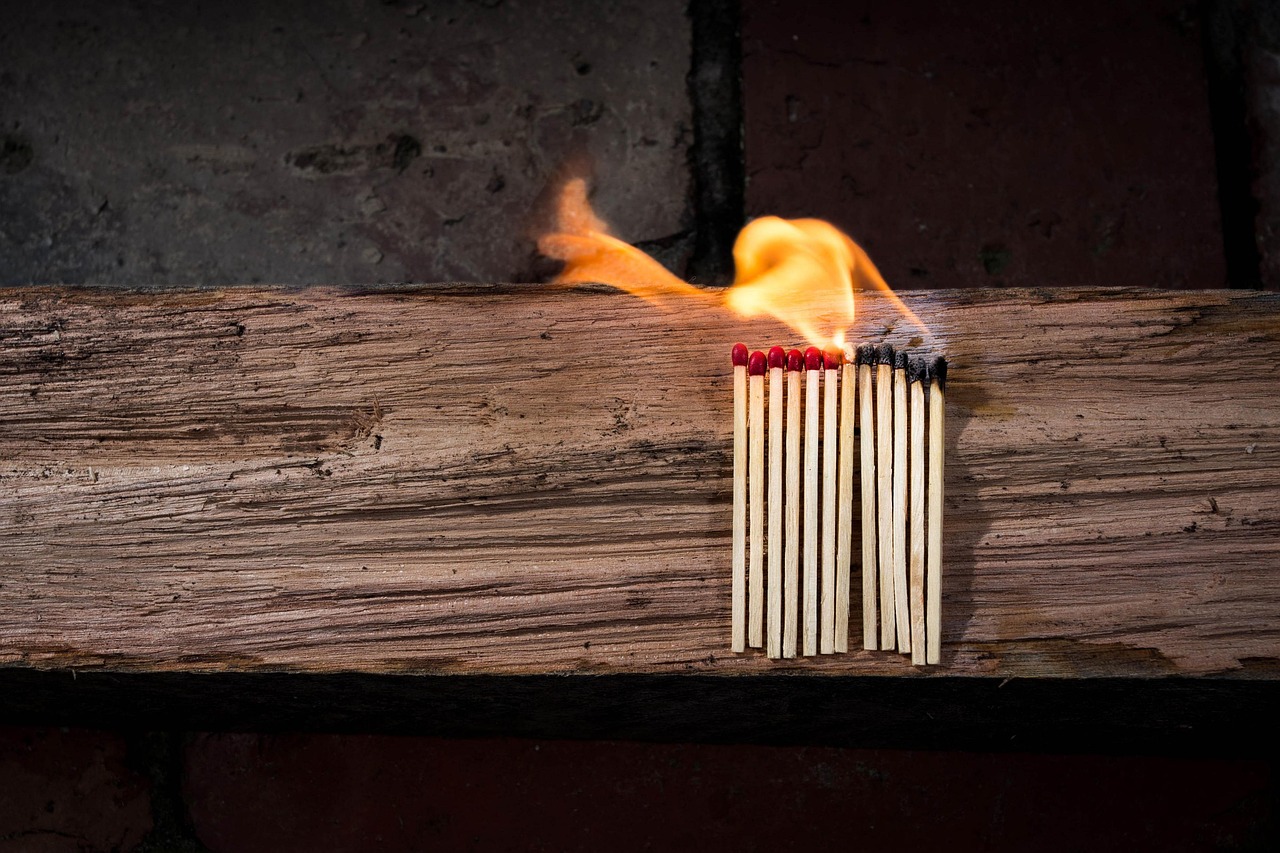
Many flame retardant textiles use a finish or coating that helps the surface resist ignition or form a protective char. In plain terms, the treatment changes the way the fabric responds to heat. Instead of feeding the flame fast, the surface can slow flame spread and help the fabric self-extinguish under the right test conditions. That short delay can be important in a workshop, stage area, warehouse, or temporary structure.
Base Fabric That Still Matters
The coating is important, but the base cloth is not just a carrier. Cotton, polyester, glass fiber, aramid blends, canvas, and coated synthetic fabrics all react in different ways. A heavy cotton canvas may accept a finish well, while a synthetic fabric needs closer checking because melt behavior can create a serious hazard. The right choice depends on the job: a welding curtain is not the same as a decorative drape in a hotel ballroom.
Clear Difference Between FR and Arc Rated Fabric
Flame retardant and arc rated are related, but they are not the same thing. OSHA notes that meltable fabrics such as acetate, nylon, polyester, and polypropylene can stick to skin when exposed to flame or arc heat, and its 1910.269 guidance says protective clothing is generally needed when estimated incident energy exceeds 2.0 cal/cm². If an electrical buyer asks for arc protection, a basic FR finish should not be accepted as enough without an arc rating and the right test record. This point is easy to overlook during sourcing, but it can change the whole fabric selection. (osha.gov)
Which Standards Should You Check Before Buying?
There is no single test that covers every flame retardant cloth. Apparel, curtains, tents, industrial workwear, and electrical protective clothing can fall under different rules. A capable supplier should ask where and how the fabric will be used before naming a standard.
CPSC 16 CFR Part 1610 for Apparel Fabric
For clothing textiles sold in the United States, the Consumer Product Safety Commission explains that 16 CFR Part 1610 classifies fabrics by flame spread time. Its March 2023 fact sheet states that Class 3 fabrics are considered dangerously flammable and unsuitable for clothing because of rapid and intense burning. It also describes the 45-degree test using five specimens, with testing before and after dry cleaning and washing. For apparel buyers, this is a basic compliance checkpoint, not a sales phrase. (cpsc.gov)
NFPA 701 for Curtains, Tents, and Decorative Textiles
For draperies, curtains, banners, temporary enclosures, tents, and similar indoor or event textiles, NFPA 701 is often requested. The ANSI listing for NFPA 701 describes two test methods and notes that Test Method 1 applies to materials with areal density less than or equal to 700 g/m², while heavier fabrics and certain coated or plastic materials move to Test Method 2. It also says durability claims need testing after the applicable cleaning or exposure process. That last point can be missed during quotation, but it matters after fabric has been handled, stored, cleaned, and used more than once. (webstore.ansi.org)
NFPA 2112 and ASTM D6413 for Industrial Risk
Industrial flash-fire clothing comes with tighter expectations. NFPA 2112 covers minimum design, performance, certification, and testing requirements for flame-resistant garments used where flash-fire exposure is possible. ASTM D6413, a vertical flame test, measures afterflame time, afterglow time, and char length under a specified ignition source. These tests do not promise safety in every real fire, but they give buyers measured data instead of guesswork. (webstore.ansi.org)
How Do Coatings Change Flame Performance?
Coatings can change both the fire response and the daily use of fabric. A sound coating package should control flame spread while keeping the cloth practical to cut, sew, hang, or fold. Too much finish may make the fabric stiff or powdery. Too little may fail the requested test. This balance is where a textile supplier proves whether it understands production, not only lab data.
Char Formation That Blocks Heat
Many FR systems work by forming char on the fabric surface. The char layer works like a thin barrier between heat and the base fabric. It can slow oxygen contact, reduce dripping in some systems, and limit heat transfer for a short time. In a workshop screen, sparks may leave marks instead of opening holes right away. In a public-space curtain, it may help reduce flame travel if ignition starts at the edge.
Add On Level and Hand Feel Balance
FR performance often changes with chemical add-on, coating thickness, and curing conditions. A 220 g/m² cotton fabric and a 600 g/m² coated canvas will not use the same recipe. Buyers sometimes focus on the lowest quote and forget hand feel, then the fabric arrives too rigid for sewing, folding, or hanging. A small lab dip, a pilot roll, and a real sewing trial can prevent a production delay that is both common and costly.
Durability After Washing, Weather, and Use
Some treatments are durable to washing, while others are made for dry indoor use. Outdoor tarps face rain, UV, abrasion, folding, and dirt. Event drapes may be cleaned, packed, and rehung many times, so the test condition matters. Ask whether the reported test result applies before washing, after washing, after weathering, or only to the original sample. If no reliable public data supports a claimed service life, it is better to write that clearly in the specification instead of treating the number as certain.
Where Is Flame Retardant Cloth Used in Real Projects?
The use case decides the fabric. A buyer sourcing for a shipyard, theater, utility contractor, hotel, or factory floor may use the same phrase, but the right cloth can be very different. Good sourcing starts with the real working scene, not only the keyword on the quotation.
Welding Curtains and Workshop Screens
Welding areas need fabric that can deal with sparks, spatter, and short heat contact. Coated glass fiber, silicone-coated fabric, and certain heavy FR canvas options are common choices, depending on the heat level and the flexibility needed. Color also matters more than many people expect. A translucent welding screen can help visibility, while an opaque curtain can control light and sparks in a fixed bay. See also: Applications.
Public Venue Drapes and Temporary Enclosures
Stage curtains, exhibition booth fabrics, hotel decorations, and temporary enclosures often require flame propagation testing. Fabric weight, hanging style, seams, eyelets, and cleaning method all affect the final choice. A fabric that passes as a flat sample may not behave the same when it is layered, lined, or backed with another material. When the local authority asks for proof, the test report should match the finished construction, not just a loose fabric sample.
Workwear Shells and Utility Fabrics
For utility workwear, protective oversleeves, coveralls, or rainwear, comfort matters because workers wear the fabric for long shifts. Breathability, weight, shrinkage, color fastness, and abrasion resistance all sit beside FR performance. If the risk includes electric arc exposure, request arc rating data instead of only a vertical flame test. One clean label is not enough; the test method behind it tells the real story.
How Should You Compare Suppliers Before Ordering?
Price is only one part of sourcing flame retardant cloth. A cheaper roll can become expensive if it fails inspection, smells too strong, cracks after folding, or lacks paperwork for customs and safety review. A clear supplier checklist keeps the discussion practical and reduces surprises after shipment.
Test Reports That Match the End Use
Ask for recent test reports that show the standard name, sample description, fabric weight, coating type if listed, wash or weathering condition, test date, and result. The report should match the fabric being sold. If the quotation says 450 g/m² FR coated polyester but the report belongs to 300 g/m² cotton, treat it as a red flag. The document may be real, but it may not prove your order.
Sample Checks Before Bulk Production
Before bulk production, test a sample in the same way the goods will be used. Cut it, sew it, fold it, hang it, wipe it, and check odor after unpacking. For coated textiles, look for pinholes, uneven coating, chalking, edge cracking, and color shade changes. These checks sound ordinary, but they catch many problems before a container leaves the factory.
Packing, Labeling, and Batch Records
Batch records are useful when a project repeats after six months. Keep roll numbers, production dates, coating batch references, and inspection photos. Labels should state fabric type, width, length, color, and any agreed compliance wording. If a buyer needs certificates for a venue, contractor, or distributor, collect them before shipment. Last-minute paperwork is where many simple orders become difficult.
FAQ
Q1: Is Flame Retardant Cloth Completely Fireproof? A: No. Flame retardant cloth is made to resist ignition, slow flame spread, or self-extinguish under certain test conditions. It is not fireproof, and performance depends on the fabric, coating, exposure, and maintenance.
Q2: Can Polyester Be Used for Flame Retardant Cloth? A: Yes, but the application matters. Polyester can be treated or coated for flame retardant performance, yet melt behavior must be reviewed, especially for industrial or electrical risk. For arc exposure, ask for arc rated data.
Q3: Which Test Is Best for Curtains and Drapes? A: NFPA 701 is commonly requested for curtains, draperies, banners, and decorative textiles in public or commercial spaces. The correct method depends on fabric weight, construction, coating, and final use.
Q4: Does Washing Reduce Flame Retardant Performance? A: It can. Some finishes are durable to repeated laundering, while others are meant for limited cleaning or indoor dry use. Always check whether the test report was made before washing, after washing, or after another exposure process.
Q5: What Should You Ask Before Ordering Bulk Fabric? A: Ask for the intended standard, matching test report, fabric weight, coating details, sample yardage, washing or weathering condition, roll labeling plan, and batch records. A clear sample approval process is safer than buying from a photo alone.