Clear fiber glass material explained for textile and composite applications
What clear fiber glass usually means
Clear fiber glass is not a single standardized material name. In textile and composite sourcing, the phrase is usually used for glass fiber materials that allow light to pass through, ranging from translucent fiberglass sheets to engineered transparent glass-fiber reinforced composites. The key issue is that “clear” can mean several different things: see-through optical clarity, soft light diffusion, a pale woven glass fabric, or a resin-rich laminate with visible fibers. For buyers and specifiers, the useful questions are how much light the material transmits, how much haze it has, which resin system is used, and whether the reinforcement is fabric, mat, roving, or continuous filament yarn.
Within the broader materials category, clear fiber glass sits between conventional glass, clear plastics, and industrial textiles. It can offer strength, dimensional stability, electrical insulation, and corrosion resistance. However, it should not be treated as a drop-in replacement for window glass or optical-grade plastic unless testing confirms the required level of transparency.
Why fiberglass can look clear, translucent, or opaque
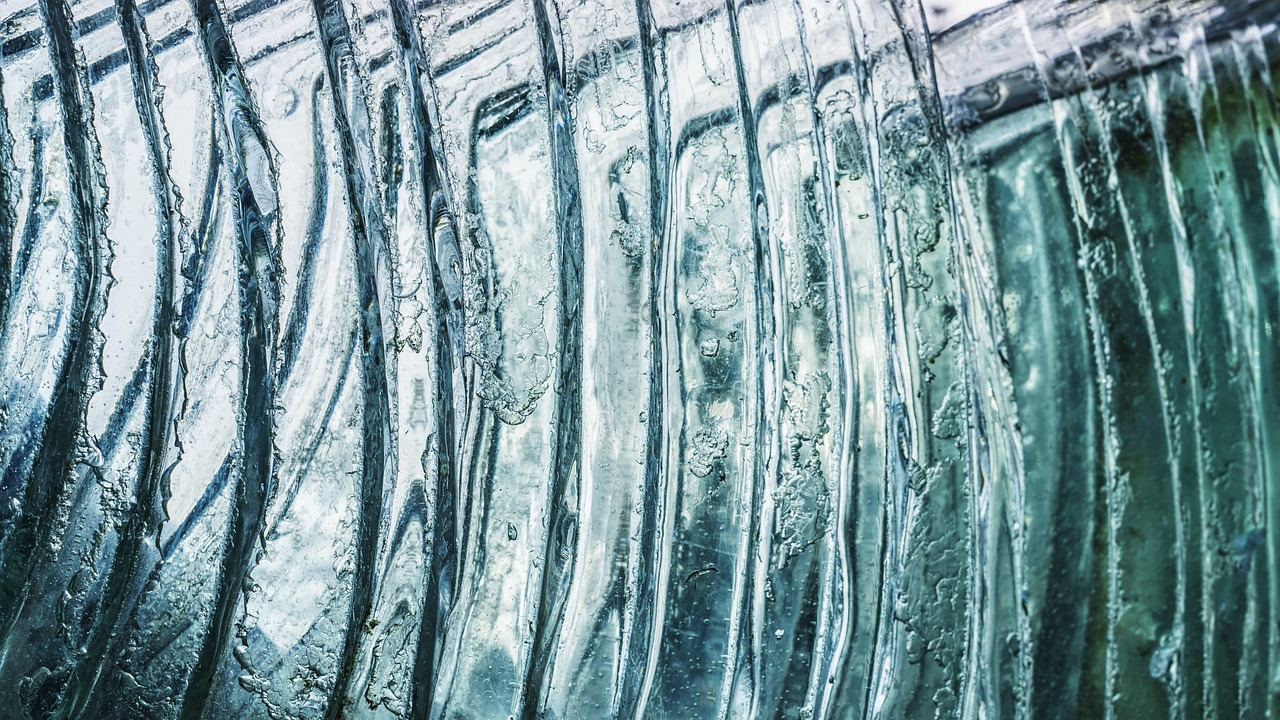
Glass itself can be transparent, and individual glass fibers can transmit light. A fiberglass composite, however, is not only glass fiber. It normally combines fiber reinforcement with a polymer resin, sizing, finishing agents, fillers, pigments, surface films, and sometimes UV stabilizers or flame-retardant additives. Each layer and interface affects how light passes through the material.
The clearest fiber-reinforced composites usually depend on close optical matching between the glass fiber and the resin. Peer-reviewed studies on transparent glass-fiber composites have shown that refractive index matching is a major factor in reducing light scattering. If the resin and fiber bend light differently, the fiber pattern becomes visible and the laminate looks cloudy or milky. If they are closely matched, the composite can become more transparent, although haze and distortion may still remain.
Several practical variables affect the final appearance:
- Fiber architecture: unidirectional fibers, woven fabric, chopped strand mat, and veil all scatter light differently.
- Fiber volume: higher reinforcement content can improve strength but may reduce optical clarity if interfaces are not well controlled.
- Laminate thickness: thicker sheets usually transmit less light and show more internal scattering.
- Resin selection: polyester, epoxy, acrylic-modified, and specialty clear resins differ in color, UV resistance, shrinkage, and long-term yellowing behavior.
- Surface finish: polished, coated, textured, and gel-coated surfaces can change glare, haze, and perceived clarity.
- Additives: pigments, fillers, fire-retardant packages, and UV stabilizers can improve performance while reducing transparency.
As a result, a small swatch that appears almost transparent may look only translucent when produced as a thicker panel or installed under real lighting conditions.
Main forms used in textiles and composites
Woven glass fiber fabric
Woven glass fiber fabric is a textile reinforcement made from glass fiber yarns. Before resin impregnation, it is often pale, white, or slightly translucent. ASTM D4029/D4029M covers finished woven glass fabrics made from E-glass yarns for use as reinforcing material in laminated plastics. The standard highlights specification factors such as fabric count, yarn designation, thickness, breaking strength, width, ignition loss, finish level, and appearance.
In practice, woven glass fabric is selected more for reinforcement, dimensional stability, heat resistance, and electrical insulation than for visual transparency. When impregnated with a clear resin, it may leave a visible woven texture. That texture can be useful in decorative laminates, but it is not the same as optical clarity.
Chopped strand mat and glass veil
Chopped strand mat is made from randomly oriented glass fibers bonded into sheet form. It wets out easily and helps build thickness, but the random fiber network usually creates a cloudy or diffused look. Glass veil is much thinner and can improve surface smoothness, corrosion resistance, and finish quality. In clear or translucent laminates, veil may help create a more uniform surface while still scattering light.
Translucent fiberglass panels
Many roofing, daylighting, greenhouse, partition, and industrial enclosure materials are translucent rather than fully clear. These panels are often used because they diffuse sunlight, reduce harsh glare, and provide better impact resistance than plain brittle glass in certain applications. The trade-off is that objects behind the panel are usually blurred or hidden.
Transparent glass-fiber reinforced composites
Transparent glass-fiber reinforced composites are more specialized. Research and specialty manufacturing have explored transparent composites that combine continuous glass fibers with carefully selected resins. These materials aim to combine visibility with reinforcement, but their cost, processing sensitivity, and qualification requirements are typically higher than those of standard FRP panels.
How clear fiber glass compares with glass and clear plastics
Clear fiber glass is often considered when a design needs both light transmission and reinforcement. The comparison below summarizes the practical differences that matter during early material screening.
| Material option | Typical visual result | Key strengths | Common limitations |
|---|---|---|---|
| Ordinary glass | High transparency and low haze | Hard surface, optical clarity, weather resistance | Brittleness, weight, limited impact tolerance unless treated or laminated |
| Acrylic sheet | Clear with good optical appearance | Lightweight, formable, widely used in display and glazing applications | Scratch sensitivity, thermal limits, chemical compatibility concerns |
| Polycarbonate sheet | Clear to slightly tinted depending on grade | High impact resistance, lighter than glass | Needs suitable UV protection outdoors, can scratch without hard coating |
| Standard translucent fiberglass panel | Light diffusion with visible haze | Reinforced structure, daylighting, corrosion resistance depending on resin | Not see-through, possible yellowing or fiber print-through over time |
| Special transparent glass-fiber composite | Clearer than standard FRP when engineered correctly | Potential balance of reinforcement and light transmission | Requires resin-fiber matching, process control, and application-specific testing |
The table also shows why “clear” should be defined numerically whenever possible. For optical parts, buyers may need data for total light transmittance, haze, color shift, refractive index, and surface quality. For daylighting or protective panels, diffused light, UV aging, impact behavior, flame performance, and weathering may be more important than see-through clarity.
Specification points before sourcing clear fiber glass
A clear fiber glass inquiry should include more than size and thickness. The details below help suppliers determine whether the requirement is for a textile reinforcement, a semi-finished composite sheet, or a finished panel system.
- Clarify the product form: fabric roll, chopped mat, veil, prepreg, laminate sheet, molded component, roofing panel, or decorative panel.
- Define the visual target: transparent, translucent, frosted, milky, lightly tinted, fiber-visible, or fiber-hidden.
- Request measurable optical values: total light transmittance and haze are more useful than terms such as “clear” or “bright.”
- Identify the glass type: E-glass is widely used for electrical and general reinforcement applications, while other glass compositions may be chosen for chemical resistance, dielectric behavior, or higher mechanical requirements.
- Specify the resin matrix: polyester, vinyl ester, epoxy, acrylic-based, and specialty systems differ in processing, color stability, chemical resistance, and service temperature.
- Confirm reinforcement style: woven, stitched, unidirectional, chopped, mat, veil, or hybrid structures create different optical and mechanical results.
- Check exposure conditions: indoor, outdoor, UV exposure, humidity, chemical contact, cleaning method, temperature cycling, and abrasion all influence long-term appearance.
- Ask about standards and test methods: textile fabric properties, laminate strength, flammability, smoke behavior, electrical insulation, and optical performance should be tested with methods relevant to the application.
For industrial textiles, fabric construction matters. Yarn size, weave pattern, areal weight, finish chemistry, width tolerance, and roll handling can affect resin wet-out and final appearance. For panels, process control becomes critical: voids, uneven resin distribution, trapped air, local fiber distortion, or poor surface finishing can turn a clear concept into a cloudy product.
Performance benefits and practical limits
Clear fiber glass materials are attractive because they can combine functions that single materials may not deliver on their own. Glass fibers are inorganic, dimensionally stable, and widely used as reinforcement in polymer composites. In fabric form, they support laminated plastics, electrical insulation materials, marine structures, construction panels, and many industrial components. When paired with a suitable clear resin, they can also provide light transmission or diffusion. See also: Applications.
The benefits depend heavily on the exact design:
- Light management: translucent fiberglass can spread daylight and reduce glare in industrial or agricultural settings.
- Mechanical reinforcement: continuous filament fabrics can add tensile strength and dimensional stability to resin systems.
- Electrical insulation: E-glass fabrics are widely associated with electrical laminate applications.
- Corrosion resistance: resin choice, not glass fiber alone, largely determines resistance to water, acids, alkalis, solvents, and cleaning agents.
- Weight saving: reinforced composite panels can be lighter than equivalent glass structures in some designs.
There are limits. Clear fiber glass is not automatically scratch-proof, non-yellowing, fire-rated, food-safe, or suitable for structural glazing. Many of those properties depend on resin chemistry, coating design, laminate thickness, and certification. A textile-grade glass fabric that performs well inside a composite may not be suitable as an exposed decorative surface without coating or encapsulation.
Handling, safety, and compliance cautions
Glass fiber materials should be handled as industrial materials, especially when cutting, sanding, grinding, or removing cured composites. OSHA describes fiberglass as part of the broader synthetic mineral fiber family, including glass wool and glass filament. OSHA and NIOSH materials note that fibrous glass exposure can cause mechanical irritation of the skin, eyes, and upper respiratory tract. This risk is especially relevant when dust or loose fibers are generated.
Safety decisions should be based on the product safety data sheet, the task being performed, and local workplace rules. Common precautions include gloves, long sleeves, eye protection, dust control, ventilation, and suitable respiratory protection when airborne fibers or cured-composite dust may be present. Cutting or sanding a cured clear laminate can also create resin dust, so the hazard assessment should cover both the fiber and the matrix.
It is also important not to treat all fiberglass categories as identical. IARC’s 2002 review of man-made vitreous fibers differentiated between continuous glass filament, insulation glass wool, special-purpose glass fibers, rock wool, slag wool, and refractory ceramic fibers. This does not replace current local regulations or product-specific safety data, but it shows why a precise material description matters in technical and compliance discussions.
A practical selection checklist
Before approving clear fiber glass for a textile or composite application, use samples and relevant test data instead of relying on the product name alone.
- Define whether the application needs transparency, translucency, or light diffusion.
- Set measurable optical requirements such as transmittance, haze, tint, and acceptable fiber visibility.
- Confirm whether the material is a raw glass fabric, a resin-impregnated reinforcement, or a finished composite panel.
- Match the resin system to UV exposure, chemicals, cleaning, flame requirements, and service temperature.
- Review fabric construction, thickness, areal weight, finish, and compatibility with the resin matrix.
- Ask for test reports that match the final use rather than relying only on generic material data.
- Evaluate full-size samples under real lighting and installation conditions.
- Check edge finishing, drilling, cutting, and fastening methods because processing can affect clarity and durability.
- Review the safety data sheet and plan dust control for fabrication or installation.
The most reliable specification describes both appearance and performance. “Clear fiber glass, 2 mm thick” leaves too much room for interpretation. A stronger specification states the product form, resin, reinforcement, thickness tolerance, optical target, exposure conditions, mechanical requirements, and relevant test methods.
Frequently asked questions
Is clear fiber glass the same as fiberglass?
It is a narrower and less standardized phrase. Fiberglass can mean glass fiber, glass wool insulation, woven glass fabric, or a glass-fiber reinforced plastic composite. Clear fiber glass usually refers to a fiberglass-related material intended to transmit or diffuse light.
Can fiberglass be completely transparent?
It can be made more transparent when the glass fibers and resin are carefully matched and processed, but standard fiberglass panels are usually translucent rather than optically clear. For see-through applications, test data and real samples are essential.
Why does clear fiberglass sometimes look milky?
The milky look usually comes from light scattering at fiber-resin interfaces, trapped air, fiber texture, fillers, surface roughness, or thickness. Chopped strand mats and heavier woven fabrics tend to show more haze than carefully engineered transparent laminates.
Is clear fiber glass suitable for outdoor panels?
It may be suitable if the resin, coating, UV package, thickness, and mechanical design are intended for outdoor exposure. Buyers should verify weathering, yellowing, impact, and flame performance instead of assuming that all fiberglass panels perform the same way.
What should buyers ask for first?
Ask for the exact product form, resin system, reinforcement type, optical values, thickness, available standards, safety data sheet, and a representative sample. Those details quickly show whether the material is a decorative textile, a translucent FRP panel, or a specialty transparent composite.