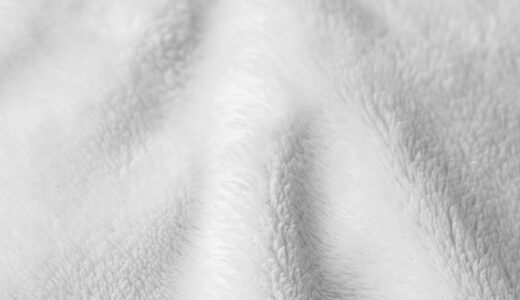
Dacron batting for upholstery explained for cushions and padding
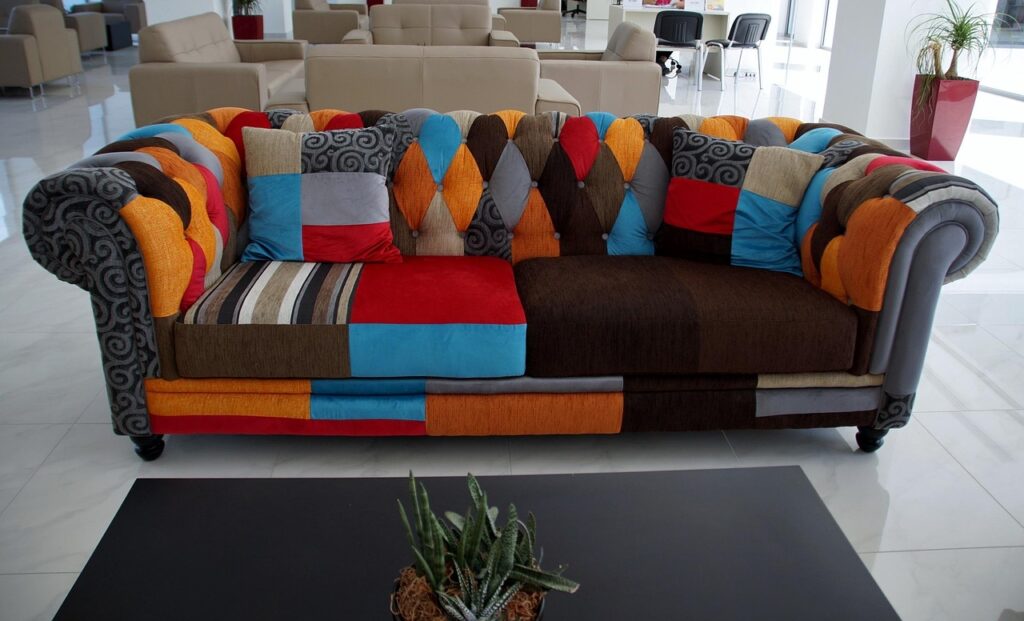
What Dacron batting means in upholstery
Dacron batting for upholstery is usually a polyester cushioning layer supplied as a soft nonwoven sheet or roll. It sits between the foam core and the outer upholstery fabric. It is not a substitute for foam, springs, or a proper cushion build. Its role is to add crown, round off sharp foam edges, reduce visible cover wrinkles, and give cushions a fuller hand.
In trade use, Dacron is often used as shorthand for polyester batting or polyester wadding, although the capitalized name is also associated with a trademarked polyester fiber. For purchasing documents, the clearer term is bonded polyester upholstery batting unless the buyer is intentionally specifying a branded fiber. The important question is not simply whether the material is called Dacron. Buyers need to confirm loft, basis weight, bonding method, recovery, compliance documentation, and suitability for the furniture design.
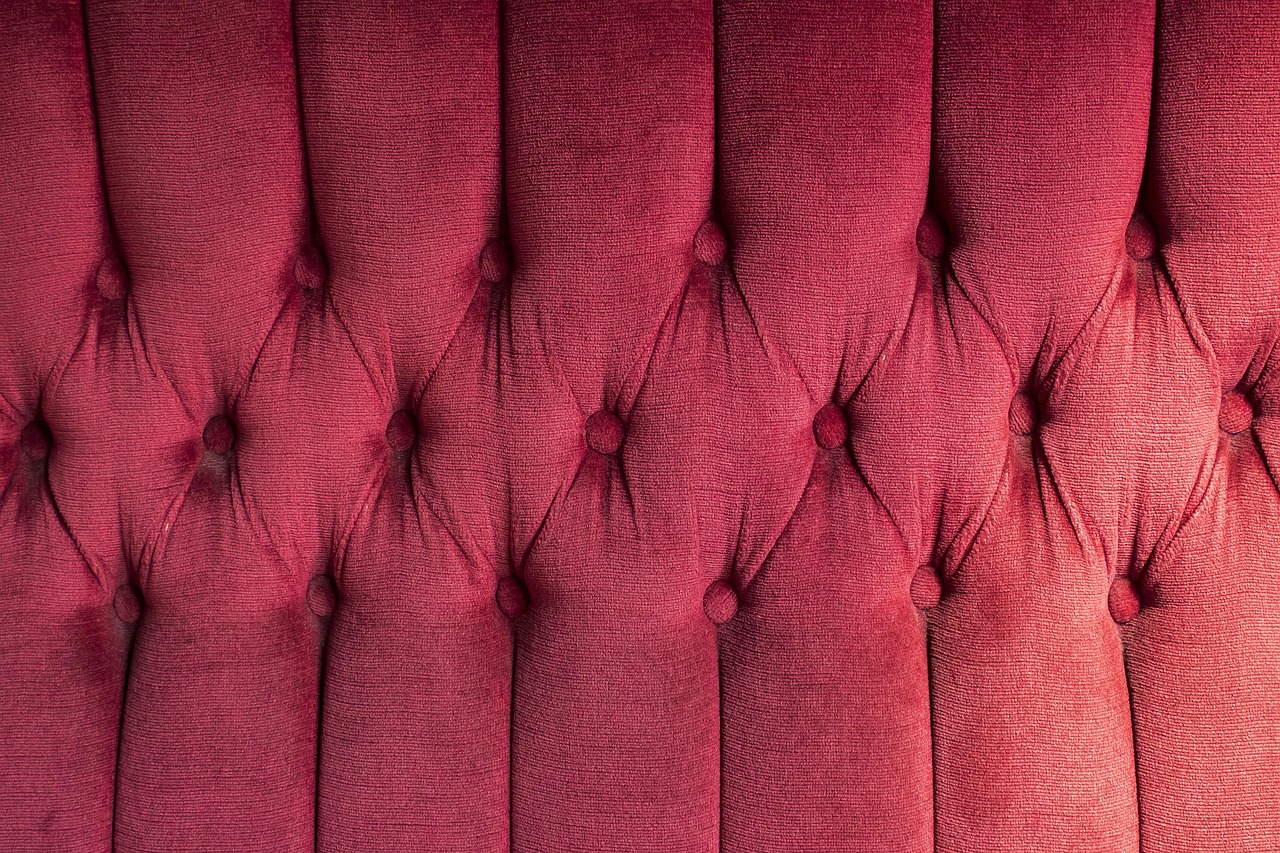
This distinction matters because cushion performance comes from the full system. Foam density and firmness provide most of the support. Fabric construction affects stretch, seam tension, and cover fit. Batting changes the surface feel and appearance. A well-chosen wrap can make a new cushion look smoother and more tailored, but it cannot fix a foam core that has lost resilience or a cover pattern that is too loose.
What the batting does inside a cushion
In a typical seat cushion, polyester batting is wrapped around the top, front edge, and sometimes the sides of the foam. Fabricators may use a light adhesive to hold it in place while the cover is installed. The result is practical and visible: boxed cushions gain a soft crown instead of a flat slab look, seams appear less hollow, and corners look less angular.
- Surface smoothing: Batting helps mask small foam cuts, pores, and edge irregularities that might show through tight upholstery fabric.
- Added loft: It creates the rounded, filled appearance often expected in sofa seats, dining pads, headboards, and upholstered panels.
- Reduced friction: A wrap layer helps the fabric slide over the foam during cover installation and can reduce direct abrasion between the cover and foam during use.
- Comfort adjustment: It adds a mild soft-touch layer at the surface, although the main feel still comes from foam grade and cushion construction.
The limits are just as important. Too much batting can make a cushion look puffy, interfere with tight tailoring, or compress unevenly in high-pressure areas. Too little may leave the cover looking flat or slightly loose. The right amount depends on the furniture style. A crisp modern seat generally needs a thinner, more controlled wrap, while a relaxed sofa or overstuffed back cushion can tolerate more loft.
How Dacron-style batting is made and specified
Most upholstery batting described as Dacron-style material is a nonwoven polyester product. INDA, the nonwovens industry association, describes nonwovens broadly as sheet or web structures bonded by mechanical, thermal, or chemical means rather than by weaving or knitting. In upholstery production, this means separate fibers are opened, formed into a web, and bonded so the roll can be handled, cut, wrapped, stapled, or sewn without falling apart.
Common bonding routes include thermal bonding, resin bonding, needle punching, or combinations of these methods. Thermal bonding can use heat-sensitive fibers or bicomponent fibers to hold the web together. Resin bonding uses a binder to stabilize the fiber web. Needle-punched products are often denser and more felt-like, while high-loft thermal products can feel airier. No single method is best for every cushion. The right choice depends on the required appearance, compression behavior, roll handling, production process, and budget.
| Specification point | Why it matters | Buying note |
|---|---|---|
| Fiber content | Confirms whether the roll is polyester, recycled polyester, a blend, or a specialty fiber product. | Ask for the exact fiber composition rather than relying only on the word Dacron. |
| Basis weight | Indicates material mass per area and helps compare rolls beyond visual loft. | Request oz/yd² or g/m² where possible. |
| Thickness or loft | Affects cushion crown, softness, and cover fit. | Check whether thickness is measured under load or only as free loft. |
| Bonding method | Influences strength, hand feel, fiber migration, and recovery. | Thermal, resin-bonded, and needle-punched batts behave differently. |
| Roll width and length | Controls cutting yield and production waste. | Match roll width to cushion sizes and cutting layout. |
| Compliance documents | Supports regulated furniture programs and buyer audits. | Ask for relevant flammability, chemical, or restricted-substance documentation when required. |
Where it performs well and where it can disappoint
Dacron-style polyester batting is widely used in indoor residential upholstery because it is light, clean-looking, easy to cut, and compatible with many foam cushion constructions. It works well for sofa seats, chair pads, bench cushions, upholstered walls, headboards, arm padding, and cornice boards where the goal is a smooth padded surface rather than structural support.
It can also be useful in repair work. If a cushion cover has become slightly loose but the foam still has reasonable support, a measured wrap can restore some visual fullness. This is a cosmetic and comfort adjustment, not a structural rebuild. If the foam has softened, crumbled, or permanently collapsed, new batting will only hide the problem for a short time.
Outdoor and marine cushions need more caution. Polyester itself is hydrophobic compared with many natural fibers, but a batting layer can still hold moisture within the cushion assembly if rainwater is trapped between fabric, wrap, and foam. For exposed outdoor seating, the full system should be reviewed: cover fabric, seam design, drainage foam, ventilation, and drying conditions all matter. In some designs, a thin wrap is acceptable. In others, fabricators may prefer quick-drain materials, mesh spacers, or no wrap at all.
Overwrapping is another common cause of poor results. More loft does not automatically mean better quality. Excess batting can bunch near seams, make covers difficult to install, or create an inflated look that does not suit the frame. For tight cushions, test one sample with the actual foam and cover fabric before cutting a full production batch.
Dacron batting compared with other upholstery padding options
Batting choices are easier to evaluate by function rather than by name. Polyester batting is usually selected for smoothness and loft. Other padding materials solve different problems.
| Material option | Typical role | Strengths | Limits |
|---|---|---|---|
| Bonded polyester batting | Foam wrap and surface padding | Lightweight, smooth, easy to cut, consistent appearance | Limited support; can compress or trap moisture in poor outdoor designs |
| Cotton batting | Traditional padding and restoration work | Natural hand, useful in some heritage upholstery methods | Heavier, can absorb moisture, may compact more noticeably |
| Needle-punched felt or pad | Firm panel padding, barriers, and shape control | Dimensional stability and controlled thickness | Less plush than high-loft batting |
| Loose polyester fiberfill | Back cushions and pillows | Good for blown or stuffed forms | Can shift unless contained; not a smooth foam wrap |
| Foam without batting | Crisp modern cushion constructions | Sharp profile and direct support feel | Can show hard edges or minor foam defects through fabric |
For manufacturers, the decision is usually a balance between styling and repeatability. A thin bonded polyester wrap can help standardize cushion appearance across production runs. A thicker wrap may make a relaxed sofa look fuller, but it also adds variables in compression, sewing tolerance, and packing.
Compliance and documentation buyers should check
Upholstery batting is not selected only for feel. Finished upholstered furniture may be subject to flammability, labeling, and chemical-management requirements depending on the market. In the United States, upholstered furniture is covered by 16 CFR Part 1640, which incorporates California Technical Bulletin 117-2013 for smolder resistance. CPSC business guidance states that items manufactured, imported, or reupholstered on or after June 25, 2021, must comply with the specified TB 117-2013 test method. The federal rule also includes a permanent label statement for covered furniture. See also: Applications.
For material buyers, the practical point is that a roll of batting should not be treated as a finished-furniture compliance certificate. A batting supplier may provide test reports for the material, but the furniture manufacturer, importer, or reupholsterer still needs to understand how the complete article is regulated. Cover fabric, barriers, foam, filling, and construction details can all affect compliance responsibilities.
Flame-retardant chemistry should also be handled carefully. CPSC guidance says the upholstered furniture requirements do not specify or prohibit flame-retardant chemicals. California TB 117-2013 is commonly discussed as a smolder-resistance standard that can be met without added flame retardants in many constructions, but buyers should not assume chemical status from appearance or from the word polyester. Ask for written declarations, restricted-substance information, or third-party textile certifications where the customer program requires them.
For harmful-substance screening, programs such as OEKO-TEX STANDARD 100 are often used in textile supply chains because they test textile products against substance limits based on intended use. This type of certification is not the same as furniture flammability compliance, but it can support retailer, brand, or consumer-safety documentation when relevant.
Sourcing checklist for upholstery buyers
For a reliable specification, describe the application before asking for a price. A supplier needs to know whether the batting will be used for tight seat cushions, soft backs, arms, headboards, decorative wall panels, or outdoor pads. Small changes in loft and density can affect both appearance and sewing tolerance.
- State the end use, furniture type, and whether the cushion is indoor, outdoor, residential, commercial, or transport-related.
- Request fiber content, basis weight, thickness, roll width, bonding method, and color consistency.
- Ask whether the material is intended as foam wrap, loose filling, quilting batting, panel padding, or barrier-adjacent padding.
- Confirm whether the roll can be slit, laminated, quilted, glued, or sewn without excessive fiber shedding.
- Test the batting with the actual foam, fabric, zipper, seam allowance, and packaging method before approving bulk production.
- Keep lot numbers and documentation where regulated furniture or retailer audits are involved.
For more textile material explainers and sourcing context, visit the Materials section.
A useful sample test is straightforward: build one cushion exactly as it will be produced, then evaluate the profile immediately, after compression, and after the cover has been removed and reinstalled. This shows whether the batting improves the product or simply hides a mismatch among foam, pattern, and fabric.
Frequently asked questions
Is Dacron batting the same as polyester batting?
In many upholstery conversations, yes. Dacron is often used informally to mean polyester batting or polyester wadding. Technically, Dacron is also a trademarked name associated with polyester fiber. For purchasing clarity, specify bonded polyester upholstery batting and list the required construction details.
Can Dacron batting replace cushion foam?
No. Batting adds surface loft and smoothness, while foam provides most of the support and shape in a seat cushion. If the foam is worn out, replacing or rebuilding the foam core is usually more effective than adding extra batting.
How thick should upholstery batting be?
There is no universal thickness. Thin wraps suit crisp cushions and tight covers. Higher-loft batting suits softer, fuller looks. The best choice should be confirmed with a sample using the actual foam, cover fabric, and sewing pattern.
Should batting be glued to the foam?
Many upholsterers use a light adhesive to keep the batting aligned during assembly. The goal is placement control, not soaking the material. Too much adhesive can stiffen the surface, reduce loft, or create hard spots.
Is polyester batting suitable for outdoor upholstery?
It can be used in some outdoor cushions, but the full cushion system must be designed for drainage and drying. For exposed seating, consider fabric breathability, foam type, seam design, and whether a thinner wrap or alternative spacer material would perform better.