
Fiberglass Fabric Supplier Comparison
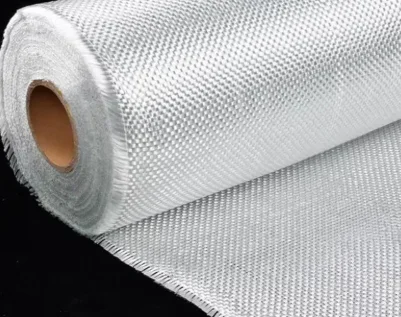
Fiberglass is the main material used for making fabrics used in various industries such as aerospace, construction, and others within the marine industry. One of the main points of Fiberglass fabrics is that they are very light and flexible yet have a strong structure. For making composite materials, fiberglass is the most common material, yet the quality of the fibers can vary greatly depending on the supplier. While there are many suppliers selling good quality fiberglass, there is a big difference in the support they are able to give their customers, in terms of quality of weave, compatibility with resin, and in quality of documents. In this article we explain what are the important aspects to evaluate suppliers of fiberglass fabrics and how to choose the best fiberglass fabric supplier that can meet international standards.
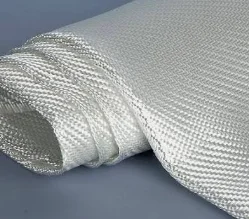
What Defines a Reliable Fiberglass Fabric Supplier?
Choosing a supplier of fiberglass fabrics is not merely a question of finding the cheapest offer. In the long run, a reliable supplier with the required know-how, and who supplies certified materials, is much more important. Such a supplier is able to show the origin of the material and guarantees compliance with the ISO or ASTM standards.
Quality Control Systems
To guarantee the quality of the fiber and weave of materials produced by a supplier with a good quality control process, fiber diameter, weaving tension and absorption of resins by the material should be constant. In laboratories tensile strength and flame resistance tests have to be carried out on every production batch. Especially in aerospace and defense industries, small changes in materials can cause fatal failures.
Material Certification and Compliance
Suppliers must provide certifications such as ISO 9001 or AS9100 to demonstrate adherence to global quality benchmarks. For composite manufacturers serving regulated markets, compliance with REACH or RoHS is equally critical. Certificates of Conformity (CoC) should accompany every shipment to verify batch integrity.
Technical Support and Customization
Experienced suppliers assist clients in choosing the right weave type—plain, twill, or satin—for specific applications. They also offer custom coatings like PTFE or silicone for enhanced chemical resistance. Technical teams that can simulate resin wet-out behavior help reduce waste during lamination.
How Does Weave Pattern Affect Performance?
Fabric weave patterns affect the mechanical properties of fiberglass material during application of stress. Some weave patterns deliver better material flexibility, surface finish quality, or directional strength for a part.
Plain Weave for Dimensional Stability
A plain weave fabric is a material where the two sets of threads are interlaced alternately over and under each other. Because of the straight and alternate interlacing of a plain weave fabric it has high dimensional stability and very little edge fraying when cut. It is often used to make very flat panels or to make a number of identical molds where great accuracy is required in maintaining a uniform thickness.
Twill Weave for Flexibility
Twill weave introduces a diagonal weave pattern into a strong and versatile weave that has good drape without loosing any strength. The twill weave has good ability to conform to complex shapes such as a boat hull or a car body panel. Twill weave also has a smooth surface which allows for good resin flow when using vacuum infusion.
Satin Weave for Surface Finish
Satin weave fabric has longer floats of yarn within the fabric, which create a high gloss after curing. These types of fabrics are typically used to create visible parts and are found in high end aircraft interior parts, sporting goods, etc. Visibility and look are as important as performance for these applications.
Which Factors Influence Cost Differences Among Suppliers?
Differences in price between fiberglass fabric manufacturers are mostly due to raw materials, production efficiency, logistics and after sales service.
Source of Glass Fiber Yarn
E-glass is the most commonly used type of glass fiber as it offers a reasonable balance between cost and mechanical performance. S-glass on the other hand has a tensile strength of 30-40% higher than E-glass but it also has a higher price, nearly double the price per kilogram. Some suppliers are able to offer better price stability as they source their yarns directly from major manufacturers.
Manufacturing Scale and Automation
Automated looms for weaving are designed to make as much as possible as consistently as possible, eliminating most human error. For large-scale manufacturers, therefore, there is a point at which continuing to run a loom in a small workshop is no longer economically viable compared to a factory. There are, however, areas in which boutique suppliers can add value by producing small runs of specialized pieces which would cost too much to make in large quantities.
Shipping Logistics and Lead Time
International buyers need to factor in the cost of freight as it can be a significant part of the price. Companies with warehouses in key regions can deliver much faster, minimizing the impact of delays due to Customs clearance, which can be a major problem for suppliers who service aerospace assembly lines that are using just-in-time production.
Why Is Resin Compatibility Critical When Choosing a Supplier?
Resin compatibility defines the compatibility of fiberglass with epoxy, polyester or vinyl ester resins during lamination.
Surface Treatment Options
Some suppliers apply silane coupling agents to improve bonding between glass fibers and resins. This treatment enhances interlaminar shear strength by up to 25%, particularly useful in high-performance composites exposed to vibration or impact loads.
Moisture Content Control
Excess moisture in the fabric can create voids when the material cures leading to a weak laminate. Suppliers store rolls of material in dry climate controlled stores with the material’s moisture content being below 0.1% to ensure it has the correct adhesive properties.
Testing for Chemical Resistance
By carrying out chemical immersion tests suppliers can give information on how a fabric will perform with acids and other solvents. Such information is very important in industries such as chemical processing and oil refining where high levels of corrosion are experienced and the fabric’s ability to resist this must be a major consideration.
How Do Regional Suppliers Compare Globally?
Registral differences create big differences in terms of prices for various types of paraffin wax as well as of their availability in different quality grades and technical service capabilities in the North and South America, Europe, and Asia-Pacific markets.
North American Suppliers Emphasizing Certification
Documentation from aerospace composite manufacturers based in the US, often highlights the use of FAA-approved materials. This documentation can be very thorough but can also be very expensive due to high labor costs.
European Focus on Sustainability
European suppliers are using an increasing amount of recycled glass fiber feedstock in order to reduce the carbon footprint by up to 20% or more. They are also ensuring that they are meeting various environmental directives as well as complying with substances regulated by REACH.
Asian Manufacturers Offering Cost Efficiency
In volume production most suppliers for glass fibers are Asian-based. They offer production at lower cost by using local labor and usually very extensive supply chains for basic materials like silica sand. When large quantities of fibers are procured, buyers have to check batch to batch consistency.
What Role Does After-Sales Service Play?
The after-sales service provided by a supplier has a greater influence on the long-term collaboration between a manufacturer and a supplier of fiberglass fabrics than one would think.
Technical Troubleshooting Assistance
Defects appearing during the molding process, such as delamination, are analyzed quickly by responsive suppliers in order to determine the cause of the problem using digital microscopy reports or on-site analysis. This means that any production facilities affected by the defect are kept running as much as possible and any downtime is minimized.
Inventory Management Support
A number of leading suppliers are now able to offer vendor-managed inventory (VMI) services, whereby stock is automatically re-supplied as necessary, using consumption data downloaded on a regular basis from an ERP system. This can provide significant benefits by reducing the amount of stock that is held in the warehouse and eliminating risk of stock out.
Training Programs for Composite Engineers
Some suppliers conduct training in lay-up techniques and/or in the curing cycles on site of their customers, thus contributing to a higher quality of the products produced by their customers. Such partnerships also make co-development projects with new resin systems or with hybrid reinforcement designs possible.
FAQ
Q1. What is typical shelf life for fiberglass fabric. A. Properly stored at room temperature with less than 60% humidity fiberglass fabric retains mechanical properties for greater than 5 years.
Q2: Can fiberglass be used with bio-based resins? A: Yes. Several suppliers test compatibility with bio-epoxy resins of renewable origin based on plant oils. The results show comparable adhesion values to conventional petroleum-based systems.
Q3: How do buyers verify authenticity of supplier certifications? A: It is recommended to buyers to cross-check supplier’s certificate numbers in issuing bodies’ online databases, i.e. http://www.iso.org or relevant national accreditation agencies’ online databases.
Q4. Are there fire-retardant grades available? A. Yes, there are. Fire-retardant fiberglass fabrics are available, which are surface treated with bromine-free coatings. These grades fulfill the requirements of UL94 V-0 rating typical for railway applications as well as for public transport.
Q5. What are the minimum order quantities of industrial suppliers? A. For standard E-glass rolls of 1m width (e.g. plain, satinized or sized) most global suppliers require a minimum order of about 100 – 200 square meters, depending on weave and finish.