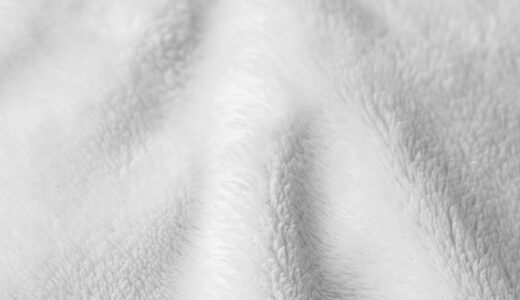
How to Choose Polyester Fabric
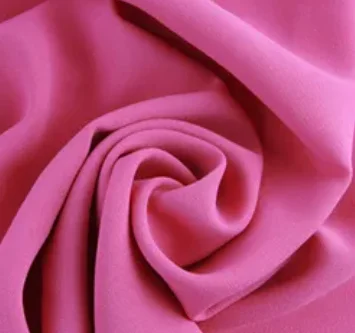
From the wardrobe to industrial applications, there is a vast selection of polyester fabrics available for use. Because of the material’s durability, versatility and affordability, it’s a popular choice among designers and manufacturers. To find the perfect polyester fabric for a specific purpose, there are a few key characteristics to look out for. These include the composition, weave, finish of the fabric and the specific performance characteristics. Experts will stress that not all polyester is created equal, and depends on the advanced fibers used and the finish that has been applied to the fabric. In this article, we explore how to choose the right polyester for different applications and how experts use the fabrics for issues relating to comfort, sustainability and technical performance.
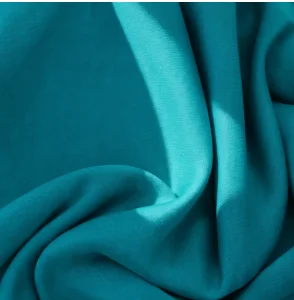
What Factors Determine the Quality of Polyester Fabric?
The quality of polyester fabrics is determined by several production criteria. Most important are the quality of the raw material and the production process from spinning to finish. Experienced textile engineers check these criteria and then recommend the right quality for clothing production or for industrial applications.
Fiber Composition and Purity
When producing Polyester it can be 100% synthetic or blended with natural fibers i.e. Cotton or Wool. High strength and wrinkle resistance is offered by 100% Polyester but it can also be blended with fibers to offer increased breathability and texture. A common blend used for producing uniforms is a 65% Polyester / 35% Cotton blend. This offers users a comfortable garment that also has durability. The purity of the polymer chains also affects the uptake of dye and how the color will fast over time.
Yarn Construction
The denier count of a yarn will give you an idea of the weight and ‘handle’ of the finished fabric. For example low denier yarns can be used to create very light weight garments that are perfect for performance wear, whereas higher denier weight yarns are typically used to make upholstery or very hard wearing outdoor clothing and gear. The way in which the yarns are twisted can also have an effect on the finished fabric, tightly twisted yarns produce smooth fabrics that have little tendency to pill or ‘fuzz’, whereas loosely twisted yarns can produce a more prone to pilling fabric.
Weaving or Knitting Technique
Fabric construction determines key fabric performance. The more stable and highly abrasion resistant woven construction provides against, for example, wear in work environments against other surfaces. The knitted construction provides stretch and also flexes. Within woven fabrics the Satin weave has a highly shiny surface and is typically used in fashionable garments whilst the plain weave provides the ultimate in strong construction for workwear.
How Does Fabric Finish Affect Performance?
Finishing treatments on knitted and woven polyester fabrics determine the behavior of the fabric in use. Surface treatments can change the texture of the fabric, increase moisture wicking, or impart flame retardance.
Mechanical Finishes
Calendarization of fibers, within processes such as calendaring, raises the smoothness of fibers creating a smooth fabric. Brushing on the other hand raises surface fibers to create a texture typical of fleeces. Heat setting of polyester locks the molecular orientation of the fibers which enables the fibers to hold their new form and thereby prevent shrinkage when washed.
Chemical Finishes
There are many chemical coatings that can be applied to enhance the performance of fabrics such as increasing stain resistance, water repellency and static control. Some chemical coatings, such as silicone-based finishes, can make fabrics feel softer without reducing their tensile strength. Flame-retardant coatings are used in many industrial textiles to meet safety standards.
Dyeing and Printing Techniques
Polyester fabrics are printed with disperse dyes at high temperature/ high pressure, and are mostly printed with Sublimation printing because of the high color strength and permanent print, and also because it does not obstruct the fibers’ breathability.
Why Is Polyester Popular in Apparel Manufacturing?
Polyester’s dominance in the clothing market is largely down to the fabric’s ability to be used to create a variety of garments from sports wear to formal wear, and everything in between such as suits.
Durability and Shape Retention
Polyester resists stretching and shrinking better than many natural fibers. This property makes it ideal for garments that must maintain structure after repeated laundering—such as uniforms or pleated skirts.
Moisture Management
New modern microfiber polyesters are able to wick the sweat from the skin very quickly and easily. It is no wonder that they have become a major player in many active wear designs, where the main objective is to create garments that are quickly dried by any moisture produced during physical activity in order to create the most comfortable garment possible.
Color Versatility
Polyester dyes uniformly and consistently under controlled application. This means that even large production runs will retain consistent shades of color from batch to batch – critical in the mass market of ready made clothing.
How Can Sustainability Be Addressed When Choosing Polyester?
Environmental impact has become a hot issue lately in the assessment of textile materials by textile experts, and especially those that are synthetic, such as polyester.
Recycled Polyester (rPET)
By recycling PET bottles into recycled versions, we reduce our dependence on virgin petroleum and decrease the energy required to produce rPET compared to traditional production methods while also keeping tons of plastic out of landfills.
Energy Efficiency in Production
Many manufacturers in the global fiber and clothing industry now work with closed-loop production systems in the polymerization stage of fibers to use the heat generated there for carbon-minimization. It thus conforms to global sustainability targets also in textile supply chains.
End-of-Life Considerations
Even though most conventional polyesters are non-biodegradable there are methods of chemical recycling with a great deal of promise including making back available the original monomers to be used in making new apparel or textiles – thereby helping support practices in keeping with the growing fashion industry’s adoption of practices that aid a ‘circular economy’.
What Are the Key Applications Beyond Clothing?
In addition to wearing polyester as clothing, it is used extensively for a variety of technical applications due to its mechanical properties and chemical resistance.
Home Textiles
Fabric used for making up curtains, for use as upholstery covers and for making up your bed is frequently made of polyester because it does not fade as quickly as cotton when exposed to sunlight and is easy to clean.
Industrial Uses
Coated polyester fabrics are used in construction or automotive applications as conveyor belts, seat covers and safety harnesses. This is because of the fabric’s high tensile strength-to-weight ratio.
Outdoor Equipment
Low moisture absorption by polyester allows it to be used in such applications as tents, awnings and backpacks. These are used under varying weather conditions and thus require certain dimensional stability.
How Should Professionals Evaluate Comfort When Selecting Polyester?
Comfort of fibers is not only determined by the fiber type, but also by the tactile feel and the thermal behavior of the fibers during wear or use.
Breathability Factors
Though not as breathable as cotton, synthetic fabrics can be made more breathable through various constructions including the popular micro-perforated weaves. These designs increase air flow through the stronger fabric while not losing any strength.
Thermal Regulation
Lightweight hollow-fiber polyesters are filled with air spaces that provide insulation similar to down. They are used in lightweight outer jackets for cold weather.
Hand Feel Adjustments
Softening agents during the finishing process can be developed to provide articles with a drape similar to silk and on the other hand brushed surfaces can provide warmer textures such as found on fleece pullovers.
FAQ
Q1: Is recycled polyester as durable as virgin polyester? A: Yes. Recycled polyester has nearly identical mechanical properties as virgin polyester because it is made from the same polymer base (PET). There can be slight variations based on processing and related quality control measures.
Q2. Can you iron polyester fabrics? A. Yes, they can be ironed at low temperature using a pressing cloth to prevent melting. Excessive heat can destroy the fiber alignment permanently and affect the shape of the fabric.
Q3: What is the main drawback of 100% polyester garments? A: The main disadvantage of 100% polyester garments is that they have limited breathability and this is a problem that natural fibers do not have. However, combining polyester with cotton can help to solve this problem without losing any of the durability benefits.
Q4: How can one identify good quality polyester material through touch? A: Smooth with firmness and not slippery. It should come back quickly to the set up shape when crumpled. It has been heat-set properly during manufacturing.
Q5: Does polyester contribute significantly to microplastic pollution? A: Yes. The washing of synthetic garments releases microfibers into the wastewater system. The use of filters in the form of bags or specialized washing machines can be very effective in preventing these micro plastics from entering the environment.