Is Clear Fiber Glass the Best Material for Transparent Technical Textiles?
What Is Clear Fiber Glass?
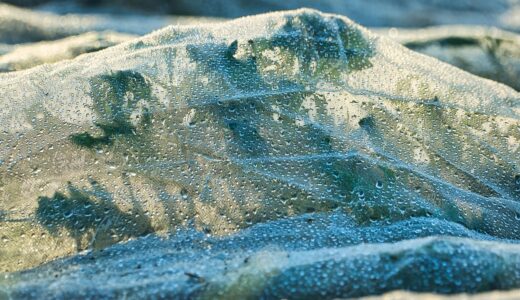
Clear fiber glass is a technical glass fiber textile or composite layer made for light passage and reinforcement. It sits under industrial materials, not soft clothing fabric. The name can sound a bit strange in sourcing emails, but the material is not vague. Dry fiberglass cloth often looks white or milky, and the right clear resin can make the weave turn translucent or much clearer after wet-out.
A Translucent Glass Fiber Textile
Most clear fiberglass cloth starts with E-glass filaments woven into plain, twill, satin, or leno fabric. The glass gives the fabric strength, while resin fills the air gaps and locks the yarns in place.
If small air pockets stay inside the weave, light scatters and the panel looks cloudy. This is a simple shop-floor issue, but it makes a real difference in finished clear laminates.
A Resin-Matched Composite Option
The word clear does not mean the cloth is invisible on its own. The clear result usually comes from matching the glass fiber with a resin system that suits it.
Peer-reviewed transparent glass fiber reinforced polymer research, checked in August 2026, points to refractive index matching, low void content, and smooth mold surfaces as main reasons a laminate looks clear instead of smoky. In daily production terms, the fabric, resin, and process have to work together.
Not a Drop-In Replacement for Window Glass
Clear fiber glass should be treated as a reinforced textile or laminate, not as normal flat glass. It can bend, wrap, reinforce, and bond to other substrates.
It can also show weave texture after curing. For many industrial parts, that texture is acceptable, but for optical windows it may be a problem.
Why Does Clear Fiber Glass Matter for Technical Textiles?
Buyers usually ask about this material when a part needs to let light through, handle heat, and stay stronger than a plain plastic sheet. This is useful in protective covers, translucent panels, composite skins, insulation facing, and light-duty architectural elements.
Strength You Can See Through
A public U.S. DOT and ORNL composite material table lists typical E-glass fiber data at about 2.54 g/cm³ density, 72.4 GPa tensile modulus, and 3.5 GPa tensile strength. These values describe the fiber, not every finished fabric or laminate.
Still, the numbers explain why glass fiber is widely used when a buyer needs a practical balance of cost and strength. In many projects, that is exactly why clear fiber glass gets considered before more expensive transparent reinforcement options.
Heat and Fire Behavior
Glass fiber is inorganic. CDC NIOSH lists fibrous glass dust as noncombustible, and Hexcel technical notes state that glass fiber will not burn or support combustion and can retain about 25% of initial strength at 1000°F, or 540°C.
The point to watch is the material around the fiber. The resin, coating, adhesive, or film may react very differently in fire, so the finished part still needs the right fire test for its end use.
Stable Shape in Damp or Hot Spaces
Glass fiber does not absorb water like many organic fibers. It also has good dimensional stability, so woven glass fabric is less likely to stretch badly when heat or humidity changes.
On a factory line, that can mean fewer wavy covers, fewer loose edges, and cleaner bonding lines. It is not a fancy benefit, but it saves time during assembly and inspection.
How Clear Can Fiber Glass Really Be?
Clarity is not one fixed value. A light fabric with careful wet-out may look almost transparent over wood grain, while a heavier fabric may be translucent but still show yarn crossings. When buying clear fiber glass, it is better to ask for measured terms instead of judging only from sample photos taken under good lighting.
Resin Index Matching
Transparent composite studies report that glass fiber and resin need close refractive index values to reduce light scattering. If the values do not match well, the fabric pattern and cloudy areas become easier to see.
One 2023 peer-reviewed study on transparent glass fiber reinforced polymer reported flexural strength around 466 MPa at roughly 42% fiber volume. That is a useful reference because it shows that clarity and structural performance can be built into the same part when the process is controlled.
Haze and Luminous Transmittance
ASTM D1003 covers haze and luminous transmittance for transparent plastics. ASTM notes that haze above 30% is considered diffusing and should be tested under a different practice.
For a buyer, the lesson is simple. If clear appearance matters, ask for haze and transmittance values, not only the word clear on a data sheet.
Surface Finish and Void Control
Even a suitable resin cannot cover poor processing. Dust, dry spots, fabric waviness, uneven resin flow, and rough mold surfaces can all reduce clarity.
In small workshops, trapped air is still one of the most common visual faults. It often shows up as white specks or pale streaks inside the laminate.
Where Do Buyers Use Clear Fiber Glass?
The better uses are places where light transmission helps, but perfect optical sharpness is not the main requirement. If the part is a camera lens, clear fiber glass is the wrong choice. If the part needs a tougher translucent skin, then the material starts to make sense.
Translucent Composite Panels
Clear fiberglass reinforced panels can be used in canopy parts, equipment guards, skylight-related components, and partition panels. The glass textile helps the sheet resist cracking better than resin alone.
For outdoor use, the buyer should also discuss UV stabilizers, yellowing resistance, and weathering tests. These points need to be agreed before bulk production, not after the first complaint from the job site.
Light Diffusers and Protective Covers
Many covers do not need crystal-clear visibility. They need to pass light, reduce glare, and protect the item behind them.
A slightly hazy fiberglass laminate can work well in this kind of use. In a production room, that softer diffusion is often easier on the eyes than strong glare from a hard clear plastic sheet. See also: Applications.
Decorative Reinforcement over Wood or Plastic
Clear fiberglass cloth is also used when the base surface should remain visible, such as a wood board, molded plastic part, or branded surface. Lightweight cloth can add a protective layer while still allowing the color below to show.
The weave may remain visible from some angles. That should not be treated as a defect unless the specification clearly says the surface must have no visible textile pattern.
How Should You Specify Clear Fiber Glass?
A good purchase order should describe the fabric, finish, resin match, testing needs, and packing method. Short wording such as clear fiberglass fabric is too loose. It may be enough to get a sample, but it will not control a production run.
Fabric Weight, Weave, and Thickness
Start with areal weight, thickness, yarn type, and weave. As a public reference point, Hexcel lists glass fiber reinforcement fabrics from 48 to 1300 gsm in its product range.
A 48 gsm cloth behaves very differently from a 420 gsm cloth. The light cloth wets out more easily, while the heavy cloth adds more structure but may leave more visible texture in the resin.
Resin System and Surface Finish
State whether the fabric will be used with epoxy, polyester, vinyl ester, silicone, acrylic, or another system. Also ask whether the sizing on the yarn is compatible with that resin.
If the surface has to look clean, set limits for visible spots, broken yarns, edge fray, and roll contamination. These small notes can prevent arguments later when the goods are already cut or laminated.
Documents and Tolerances
For export buying, ask the supplier to confirm the basic documents before bulk production. Keep the list short enough that the sales team, QC staff, and factory people will actually follow it.
The items below are practical for most clear fiber glass orders. Add project-specific tests only when the application really needs them.
- Technical data sheet with weight, thickness, width, weave, and finish
- Sample laminate photos made with the target resin when clarity matters
- Haze or light transmittance data when the part is sold as clear
- Safety data sheet and dust handling guidance for cutting or sanding
- Packing plan that prevents crushed edges, dirt marks, and moisture damage
What Safety and Handling Points Should You Check?
Clear does not mean harmless. Glass fiber textiles are widely used, but cutting, sanding, and trimming can create dust and loose fibers. The main concern is usually irritation, along with workplace exposure control during repeat production.
Dust Limits from OSHA and NIOSH
OSHA exposure tables checked in August 2026 list fibrous glass limits in shipyard settings at 15 mg/m³ total dust and 5 mg/m³ respirable fraction. The CDC NIOSH Pocket Guide lists a recommended exposure limit of 3 fibers/cm³ for certain fiber dimensions and 5 mg/m³ total dust.
These figures should not sit unused in a file. They should guide ventilation, cutting methods, housekeeping, and work instructions on the production floor.
Skin and Eye Contact Control
NIOSH identifies inhalation plus skin and eye contact as exposure routes for fibrous glass dust. It also lists irritation of eyes, skin, nose, and throat among symptoms.
Use gloves, sleeves, safety glasses, and local dust capture when cutting. A quick rinse after trimming is a basic step, but it helps workers avoid unnecessary irritation.
Cutting, Packing, and Storage
Sharp blades reduce fuzz, and clean tables reduce dark specks in clear laminates. Rolls should be wrapped to block dust and strapped in a way that does not crush the edges.
Store the fabric dry and keep it away from resin spills, oil, and metal grinding dust. Clear laminates show dirt more easily than opaque ones, so storage discipline matters.
Source note: Public data in this guide comes from OSHA and CDC NIOSH exposure pages, ASTM D1003 standard scope notes for haze and luminous transmittance, a U.S. DOT and ORNL composite material table, Hexcel glass fiber reinforcement notes, and peer-reviewed transparent GFRP studies available through PubMed Central and ScienceDirect. The sources were checked in August 2026. Public market-size figures are not quoted here because many current fiberglass demand reports place detailed numbers behind paywalls.
FAQ
Q1: Is Clear Fiber Glass Completely Transparent? A: Not always. It can be translucent or quite clear after resin wet-out, but weave texture, haze, and slight distortion may remain.
Q2: Is Clear Fiber Glass Fireproof? A: The glass fiber itself is noncombustible, but the finished laminate depends on the resin, coating, adhesive, and test standard used.
Q3: What Fabric Weight Is Best for a Clear Finish? A: Lighter fabrics usually wet out more cleanly and show less texture. Heavier fabrics add strength, but they often remain more visible inside the resin.
Q4: Can Clear Fiber Glass Be Used Outdoors? A: Yes, if the resin system, UV package, and coating are suitable. Ask for weathering data before using it in long-term sunlight.
Q5: What Should You Ask for Before Ordering Bulk Rolls? A: Ask for weight, thickness, weave, finish, resin compatibility, sample laminate photos, safety data, and clarity test values if appearance is critical.