Is Cotton and Polyester Blend Better Than 100% Cotton for Everyday Apparel?

What Is Cotton and Polyester Blend?
A cotton and polyester blend is a fabric made by mixing natural cotton fibers with polyester fibers in yarn, fabric, or a finished textile. Buyers see it in T-shirts, uniforms, bedding, shirting, pocketing, linings, workwear, promotional apparel, and many daily basics. The reason is not complicated: cotton gives a soft hand feel and moisture absorption, while polyester adds strength, shape stability, quicker drying, and better wrinkle resistance.
This material is not one fixed fabric. A 90/10 jersey, a 65/35 twill, a 50/50 fleece, and a 35/65 poplin can all be called by the same general name, but they will not perform the same way. In sourcing work, that difference often matters more than the name on the fabric card.
Cotton Gives Comfort and Moisture Absorption
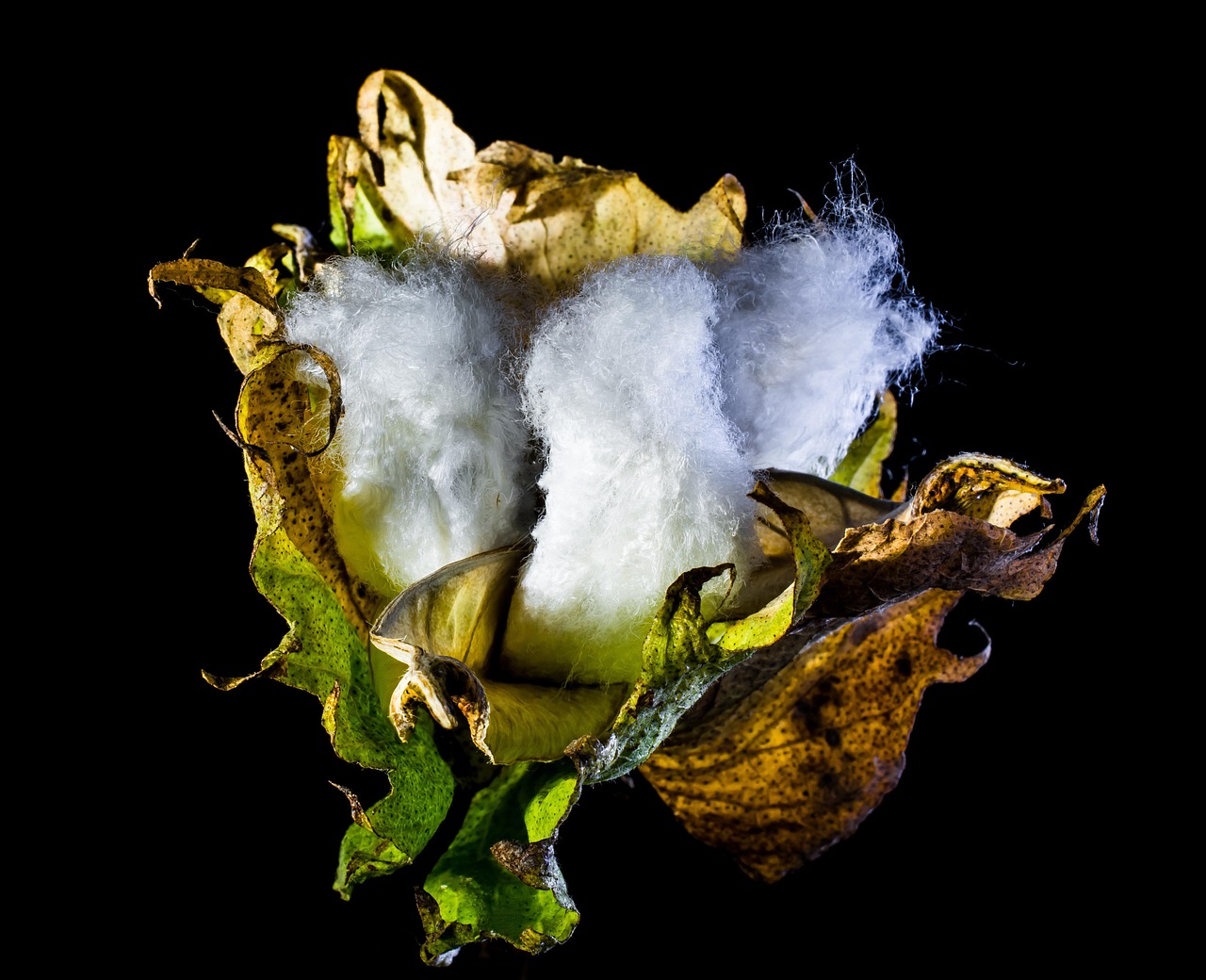
Cotton is used because it feels normal and comfortable against the skin. It absorbs moisture, takes dye well, and gives casual apparel the soft, breathable touch many buyers expect. Cotton-rich blends, such as 80/20 or 65/35, usually feel closer to pure cotton. They are often picked for T-shirts, polos, sleepwear, and baby-adjacent products where touch is more important than sharp crease recovery.
Polyester Gives Strength and Shape Retention
Polyester helps fabric hold its shape after washing and wearing. It wrinkles less than cotton and dries faster because it takes up less water. In a busy laundry situation, such as school uniforms or hotel staff shirts, this point is easy to see. No buyer wants to open 500 shirts and find that they already look worn before the first shift.
The Ratio Drives the Final Fabric Character
The fiber ratio decides the main direction of the fabric. More cotton usually means a softer hand and better moisture pick-up. More polyester usually means easier care, better dimensional stability, and less wrinkling. A 50/50 fabric sits in the middle, while a 65/35 cotton-polyester twill feels more natural and a 35/65 polyester-cotton fabric moves closer to workwear durability and faster drying.
Why Do Buyers Choose Cotton and Polyester Blend for Bulk Orders?
For trade buyers, fabric selection is not just about touching a sample. You also need steady supply, repeatable quality, good print results, correct labeling, and a price that fits the order. Cotton-polyester blends are used because they answer several of these needs at the same time without pushing the item into a high-price-only position.
Better Daily Wear Performance
In daily apparel, one weak point can turn into a lot of returns. Pure cotton can feel very good, but it may wrinkle, shrink, or lose shape if the fabric has not been prepared well. Polyester on its own may feel less natural for some end users. Blending the two gives a practical middle option, so the garment still feels wearable and also handles washing and movement better.
More Stable Pricing and Supply Planning
Fiber markets move up and down, and buyers have to plan around that. Textile Exchange reported in its Materials Market Report 2025 that global fiber production reached about 132 million tonnes in 2024, up from 125 million tonnes in 2023. The same report put polyester at roughly 59% of global fiber production and cotton at about 19% in 2024. For buyers, the message is direct: polyester has wide global availability, while cotton is still important but more affected by crop, weather, and seasonal supply risks. Using both fibers can help factories arrange production with fewer supply shocks.
Easier Care for End Users
Most consumers do not study care labels for long. They wash, dry, fold, and wear the item again. A good cotton-polyester blend can reduce ironing and help garments dry faster than many cotton-heavy fabrics. For uniforms, schoolwear, travel basics, and promotional clothing, this easy-care point often matters more than a very soft hand feel.
Which Cotton Polyester Ratio Should You Select?
The right ratio depends on the product, not on one fixed rule. If a supplier says one blend is always the best, it is worth checking the details. Fabric construction, yarn count, knitting density, finishing, dyeing, and garment washing can all change the final result. Even so, common ratios are useful when starting development.
80/20 for a Cotton-Rich Feel
An 80% cotton and 20% polyester fabric fits products where softness is the main selling point, but the buyer still wants a small gain in strength and wrinkle recovery. It works for casual tees, sweatshirts, light loungewear, and softer children’s apparel. It will not act like a polyester-rich uniform fabric, and it does not need to. In this case, the buyer is paying for comfort first.
65/35 for Balanced Apparel
A 65/35 cotton-polyester blend is often used for shirts, scrub-like garments, casual uniforms, and twill items. It gives enough cotton for a comfortable hand feel and uses polyester to reduce wrinkling and shrinkage concerns. If the product needs embroidery, patch pockets, and repeated washing, this ratio is a sensible first sample. Many buyers start here because the risk is easier to manage.
50/50 or 35/65 for Workwear and Promotion
A 50/50 blend is practical for price-sensitive T-shirts, fleece, and promotional goods where the buyer wants acceptable comfort and solid wash performance. A 35/65 cotton-polyester fabric is more polyester-led, so it is often used in workwear, aprons, and service uniforms. It may feel less like cotton, but it can keep shape well under harder use. That matters when garments are washed often and handled by many users.
How Should You Check Quality Before Production?
A fabric swatch can look fine under showroom lighting and still fail after five washes. For export orders, measurable checks should be requested before bulk cutting starts. This is more important when the order has strict size specs, printed logos, dark colors, or repeat programs across different seasons.
Fiber Content and Label Accuracy
Fiber content must match the claim on the order and label. The U.S. Federal Trade Commission states that most textile products need labels showing fiber content, country of origin, and the responsible manufacturer or business identity. For cotton-polyester blends, the percentage should be shown by weight, such as 60% cotton and 40% polyester. If the buyer sells in the United States, this is not a small label detail; it is a compliance point.
Shrinkage and Appearance After Washing
There is no single public shrinkage number that fits every cotton-polyester fabric. Shrinkage depends on yarn, fabric structure, finishing, washing temperature, drying heat, and garment design. The practical step is to request lab testing before bulk approval. AATCC publishes textile test methods such as TM135 for dimensional change of fabrics after home laundering and TM143 for apparel appearance after home laundering, and these methods give buyers, mills, and testing labs the same language.
Pilling, Abrasion, and Strength Testing
Pilling and abrasion can turn a good-looking polo into a complaint issue after only a short time. ASTM’s textile standards catalog includes fabric tests for air permeability, mass per unit area, abrasion, pilling, tearing strength, and breaking strength, including methods such as D737, D3776, D3512, D3884, D2261, and D5034. The method should match the fabric and the final use. A hotel uniform and a light fashion tee should not be judged by the same wear expectation. See also: Applications.
Where Does Cotton and Polyester Blend Work Best?
This blend works well when the product needs comfort plus a practical service life. It is not always the right choice when the buyer wants luxury drape, high heat resistance, or a pure natural fiber story. A clear product brief saves time at this stage. Start from the end user, then work back to the fiber ratio and fabric construction.
Everyday T-Shirts and Casual Tops
For T-shirts, cotton-polyester blends can reduce twisting, heavy wrinkling, and slow drying compared with many pure cotton fabrics. Ring-spun yarn can add softness, and combed cotton can improve the hand feel. A small amount of polyester can help the tee keep a cleaner shape after repeated wash cycles. This is useful for promotional orders where the shirt may be worn and washed hard.
Uniforms, Workwear, and Service Apparel
Uniform buyers usually focus on color consistency, seam strength, easy washing, and stable sizing. A cotton-polyester twill or poplin can work well for restaurants, schools, logistics teams, and cleaning staff. Dark navy, black, and khaki shades should be tested for wash fastness and crocking because collars, cuffs, and pockets take a lot of daily friction. It is not a fancy detail, but cuffs often show the real fabric quality.
Home Textiles and Bedding Basics
For sheets, pillowcases, duvet shells, and mattress protectors, blends can cut down wrinkling and help the items dry faster. Cotton-rich sheeting feels more natural, while polyester-rich sheeting is often easier to maintain. For bedding, fabric weight, weave, finishing, and hand feel should be approved together. A fiber label alone cannot tell the buyer whether the sheet feels crisp, smooth, or stiff.
How Can You Source Cotton Polyester Blend More Safely?
Good sourcing is about reducing surprises before they reach bulk production. Before confirming fabric, ask the supplier for the blend ratio, yarn count, fabric weight, width, construction, dyeing method, finishing process, test reports, and care suggestion. If the order repeats every quarter, keep a sealed approval sample. New lots should be checked against that sample, not only against a photo or a past email.
Ask for a Complete Fabric Specification
A clear spec sheet should include fiber content, yarn count, GSM or ounces per square yard, width, construction, shrinkage target, color standard, and finishing notes. For knitted goods, include stitch density and spirality if the style needs it. For woven goods, include warp and weft details. Missing small items on the spec sheet can become large problems in the cutting room later.
Match Testing to the End Market
If the product enters the U.S. market, label and care rules need attention from the start. If it goes to hospitality, wash durability will matter more. If it is for fashion retail, appearance and hand feel may lead the approval process. Use third-party lab tests when the order value supports the cost, and use sources such as AATCC, ASTM, FTC guidance, USDA cotton data, and Textile Exchange market reports as reference points. Final approval should still come from the actual fabric lot.
Check Sustainability Claims Carefully
Sustainability claims need documents, not only sales wording. Textile Exchange reported that recycled polyester production increased in 2024, but recycled polyester’s share of total polyester declined to about 12% because virgin polyester grew faster. This is useful background when reviewing supplier claims. If a supplier says the fabric uses recycled polyester or certified cotton, ask for transaction certificates, scope certificates, or other program documents instead of relying on a hangtag sentence.
FAQ
Q1: Is Cotton and Polyester Blend Good for Hot Weather? A: It can be good if the fabric is light, breathable, and cotton-rich. A dense polyester-rich fabric may feel warmer, so check weight, weave or knit structure, and air permeability before ordering.
Q2: Does Cotton and Polyester Blend Shrink? A: Yes, it can shrink, but usually less than untreated 100% cotton. The exact number depends on the fabric construction, finishing, wash temperature, and drying method, so request AATCC-style shrinkage testing for bulk orders.
Q3: Is 65/35 Cotton Polyester Better Than 50/50? A: 65/35 is usually better when you want a softer, more cotton-like feel. 50/50 is often better when you want stronger easy-care performance and a more cost-friendly fabric.
Q4: Can You Print on Cotton Polyester Blend Fabric? A: Yes. Screen printing, heat transfer, and sublimation-related methods can work, but the best choice depends on the fiber ratio, fabric color, finish, and required wash durability.
Q5: What Should You Ask Before Buying Bulk Fabric? A: Ask for fiber content, GSM, width, construction, color standard, shrinkage result, pilling result, care label suggestion, and a sealed approval sample from the same production route.