Is Poly Satin the Best Choice for Smooth Fashion and Home Textile Products?
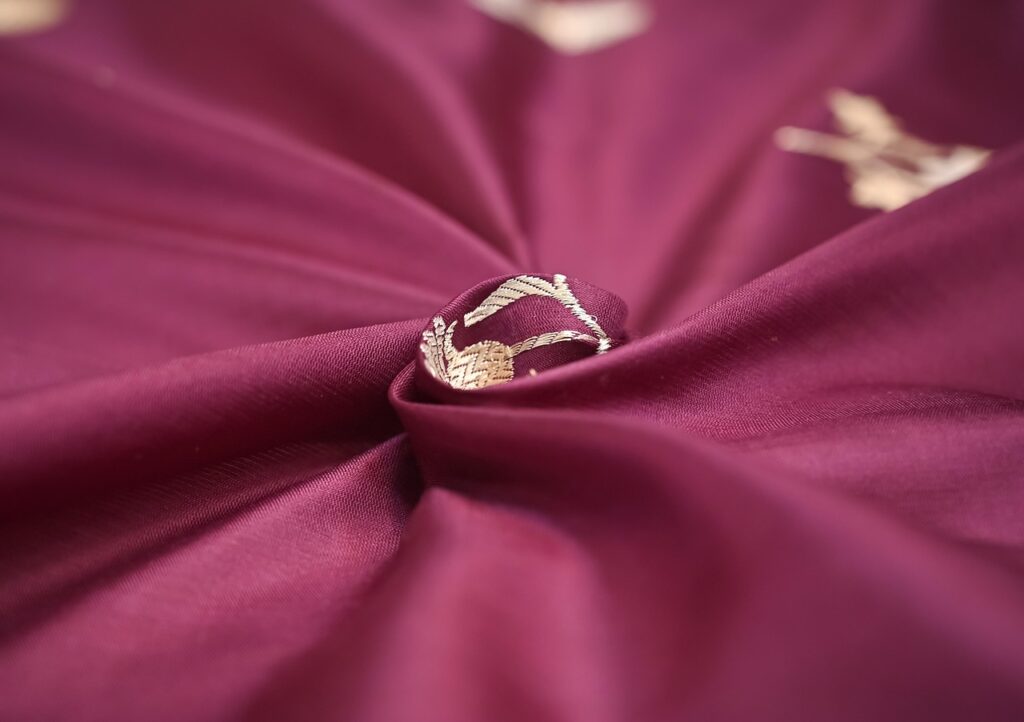
Poly satin is a shiny woven fabric used for smooth apparel, home textile, event, and packaging products when silk is outside the target cost. If you are checking textile options for export orders, the materials category is a practical starting point because this fabric sits between a dressy look and daily production use.
Polyester is also not a small fiber category. Textile Exchange reported in its Materials Market Report 2025 that global fiber production reached about 132 million tonnes in 2024, while polyester made up 59% of total global fiber output. This matters when you source poly satin because the fiber base is easy to find, the supply chain is well built, and color or finish development often moves faster than many natural fibers. (textileexchange.org)
What Is Poly Satin and Why Does It Look So Glossy?
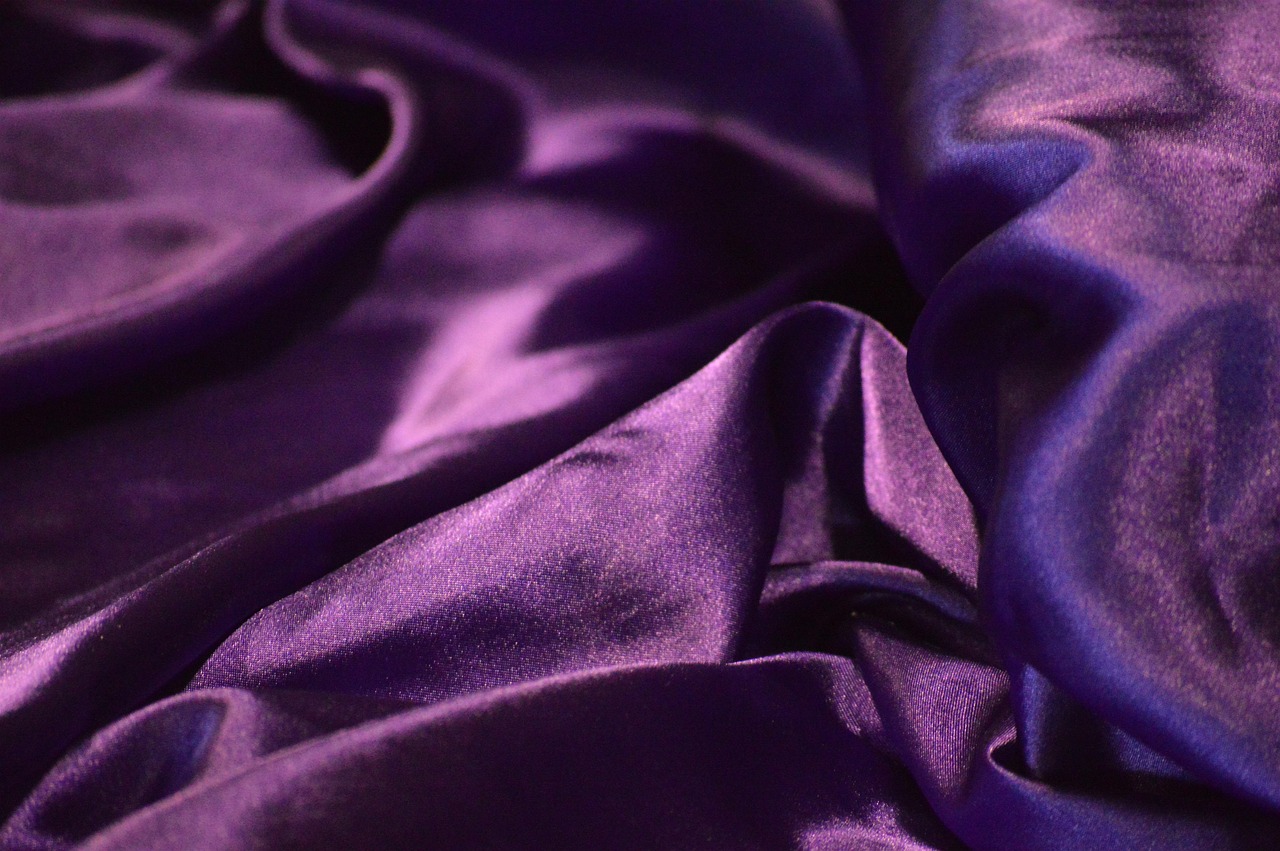
Poly satin is usually polyester yarn woven in a satin structure. The shine does not come only from the fiber. It comes from the yarn floats on the fabric face, the smooth surface of filament polyester, and the finishing done after weaving.
Polyester Filament Yarns
Most commercial poly satin uses polyester filament yarns, which are long, continuous fibers. These yarns give the cloth a cleaner face than many spun yarns. That is why a scarf, lining, pillowcase, or evening dress in this fabric can look bright under shop lighting. It also works well with disperse dyes, so colors such as ruby, navy, emerald, champagne, and black can look full instead of dull.
Satin Weave Floats
A satin weave has fewer visible crossing points than plain weave. Because of that, more yarn sits on the fabric face and reflects light. Technical textile references describe satin fabrics as smooth and lustrous because tightly packed floats sit on the face of the cloth. They also note that satin can be made from many fibers and is common in linings, sheets, dress fabrics, and upholstery. (sciencedirect.com)
Finishing and Hand Feel
Finishing changes the final hand more than some buyers expect. Calendering can add shine, while softening can improve drape. Anti-static finishing can reduce cling, which is useful for linings and sleepwear. A small sample may feel right, but a bulk roll can look different under warehouse light, so checking a strike-off or pre-production sample is normal buying work.
Where Does Poly Satin Work Best in Product Development?
Poly satin is chosen when the product needs a smooth face, a neat dressy look, and a price level that supports repeat orders. It is not right for every item, but it works well when the design needs shine, movement, and clean color.
Apparel Linings and Dresses
For apparel, poly satin is common in linings, slips, sleepwear, costumes, scarves, and occasion dresses. Lightweight qualities can reduce bulk inside jackets and skirts. Medium weights are often better for dresses because they hang with more body. If the fabric is too thin, seams may open visually and the garment may look low grade in photos.
Home Textiles and Decor
In home textiles, poly satin is used for cushion covers, decorative bedding, curtain accents, table runners, and event drapes. It gives the surface a clean shine without making the full product too heavy. For bedding, softness and static control need extra checking because the fabric stays on the skin for many hours. If the hand feel is dry or clingy, complaints can come even when the color looks good.
Accessories and Packaging
Hair accessories, ribbons, drawstring bags, gift wraps, and jewelry pouches often use poly satin because it photographs well and folds neatly. A glossy satin bag can make a small product look better at first touch. In actual retail, a small pouch may be judged more closely than a dress lining because the customer handles it before seeing the main product. For that reason, edge finish, stitching, and color matching still need proper control.
How Should You Choose the Right Poly Satin Weight?
Weight is one of the fastest ways to narrow the choice. A fabric can be called poly satin, but it will behave very differently at 60 gsm, 120 gsm, or 200 gsm. Match the weight to the end use first, and then look at the price.
Lightweight Satin for Soft Drape
Lightweight poly satin is often used for linings, scarves, promotional items, and simple decorative pieces. It folds easily and gives a soft, flowing drape. The tradeoff is lower body. If you need a firm bow, structured pouch, or table detail that can stand up, very light satin may not hold the shape.
Medium Weight for Balanced Use
Medium weight qualities suit many export products because they balance drape, opacity, and sewing stability. They are useful for sleepwear, fashion tops, costume pieces, and table decor. This is often the safer sampling range when the buyer has not given a fixed fabric preference. It also gives the sewing team fewer problems than very thin goods.
Heavy Satin for Structure
Heavier satin gives more body and a fuller fall. It can work for bridal looks, premium costumes, cushion covers, and structured event textiles. It may cost more, take more carton space, and feel warmer on the body. If a customer asks for “luxury” but also wants “cool and breathable,” the compromise should be discussed before sampling goes too far.
Is Poly Satin Better Than Silk Satin or Sateen?
The right comparison depends on the product and the selling position. Poly satin, silk satin, and sateen can all look smooth, but they differ in fiber content, price, hand feel, care, and buyer expectation. Calling everything “satin” without details can cause problems in quotation, labeling, and after-sales claims.
Poly Satin vs Silk Satin
Silk satin is made from silk fiber and is valued for its natural feel, soft shine, and comfort. Poly satin is usually lower in cost, easier to source in large volume, and simpler to care for. It can be less breathable than silk, so it may feel warmer in sleepwear or close-fit garments. For export basics, poly satin is often the practical choice, while silk satin still fits better when the product needs a high-end material story.
Poly Satin vs Sateen
Sateen is also based on a satin-type weave, but it is often made with spun yarns, especially cotton. It usually has a softer, less slippery touch and a lower shine. Choose sateen when the product needs comfort and a cotton selling point. Choose poly satin when the order needs shine, bright color, and a clean dressy surface. See also: Applications.
Label Clarity for Buyers
In the U.S. market, the Federal Trade Commission’s Textile Products Identification Act requires textile products to show fiber names and percentages, with generic fiber names listed when they are 5% or more of total fiber weight. So “satin” alone is not clear enough for selling. “100% polyester satin” or “polyester satin with elastane” is safer for order documents, labels, and buyer approval. Clear wording also reduces disputes when the buyer checks the goods after delivery. (ftc.gov)
What Quality Points Should You Check Before Bulk Orders?
A shiny fabric can hide issues in a photo. Before bulk production, check performance, sewing behavior, and shade consistency. This is where small missed points can turn into costly claims.
Colorfastness and Shade Control
Ask for lab dips before bulk dyeing, then check the approved shade under daylight and store lighting. Deep colors like black, wine, and navy may show streaks or shade variation across rolls. For products sold as sets, roll-to-roll matching is important because two pieces may sit side by side in the same package. If one panel looks slightly different, the customer will notice it faster than the factory expects.
Snagging and Seam Slippage
Satin floats create shine, but long floats can snag more easily than plain weave. For apparel and bedding, test seam strength and seam slippage on the real sewing line, not only in a lab report. Fine needles, sharp cutting, and correct tension reduce puckering. A nice satin with wavy seams will not pass a buyer’s visual check, even if the fabric itself is within spec.
Static and Wrinkle Behavior
Polyester can build static, especially in dry seasons or heated rooms. Anti-static finishing helps, but it should be tested after washing if the product is washable. Wrinkles are usually fewer than many natural fibers, but folded packing can still leave pressure marks on glossy satin. For higher-priced goods, roll packing or careful carton planning may be worth the extra space.
How Can You Source Poly Satin More Safely?
Good sourcing is not only about getting the lowest price. You need a clear specification, a sample process that matches the order risk, and honest comments from the supplier about limits. If a supplier cannot support a claim with records, treat it as sales wording, not a buying fact.
Clear Fabric Specification
Your tech pack should state fiber content, weight, width, color, finish, surface effect, stretch requirement, and end use. Add whether you need recycled polyester, anti-static finish, soft finish, or special packing. Textile Exchange also reported that recycled polyester reached about 9.3 million tonnes in 2024, but its share of polyester fell to 12% because virgin polyester grew faster. That public data is a useful reminder to ask for proper certification when recycled content matters. (textileexchange.org)
Practical Sampling Steps
Start with handloom or stock samples, then move to lab dips and a pre-production sample. Check color, hand feel, shine, opacity, and sewing performance. If the product will be photographed for e-commerce, take sample photos under normal light. High-gloss satin can look good in a showroom, then look too bright in a small bedroom or a phone camera shot.
Reliable Bulk Control
For bulk orders, request roll inspection, shade grouping, and packing notes. Keep one approved sample for comparison during production and final checking. If your order uses several colors, approve each color separately because satin reflects light differently by shade. Champagne, silver, and ivory can shift a lot under warm lamps, and this is often noticed first by bridal or event customers.
FAQ
Q1: Is Poly Satin the Same as Polyester Satin? A: Yes, in most trade use, poly satin means polyester satin. “Poly” is simply a short form of polyester, while satin describes the weave and surface style.
Q2: Is Poly Satin Good for Clothing? A: Yes, it works well for linings, sleepwear, scarves, dresses, costumes, and decorative garments. For tight or summer clothing, check breathability, static, and skin comfort before bulk production.
Q3: Does Poly Satin Wrinkle Easily? A: It usually wrinkles less than many natural fabrics, but glossy surfaces can show fold marks from tight packing. For premium goods, test the packing method before shipment.
Q4: Can Poly Satin Be Made With Recycled Polyester? A: Yes, recycled polyester satin is possible. You should ask for certification and transaction records if recycled content will appear on labels, hangtags, or buyer documents.
Q5: What Is the Best Weight for Poly Satin? A: There is no single best weight. Lightweight satin suits linings and scarves, medium weight suits sleepwear and dresses, and heavier satin suits structured decor, costumes, and premium event products.