
Polyester and elastane fabric explained for stretch apparel and sourcing

What polyester and elastane fabric is
Polyester and elastane fabric is a stretch textile made by blending polyester with a smaller percentage of elastane, which is commonly called spandex in the U.S. market. Polyester contributes strength, dimensional stability, wrinkle resistance, and low water absorbency. Elastane adds stretch and recovery, allowing the fabric to move with the body and return closer to its original shape.
The blend is widely used in activewear, leggings, swimwear, dancewear, fitted tops, underwear, compression-style garments, and stretch linings. It is not, however, one standardized fabric. A 95% polyester and 5% elastane jersey, a 92% polyester and 8% elastane interlock, and an 80% polyester and 20% elastane performance knit can feel, stretch, and wear very differently.
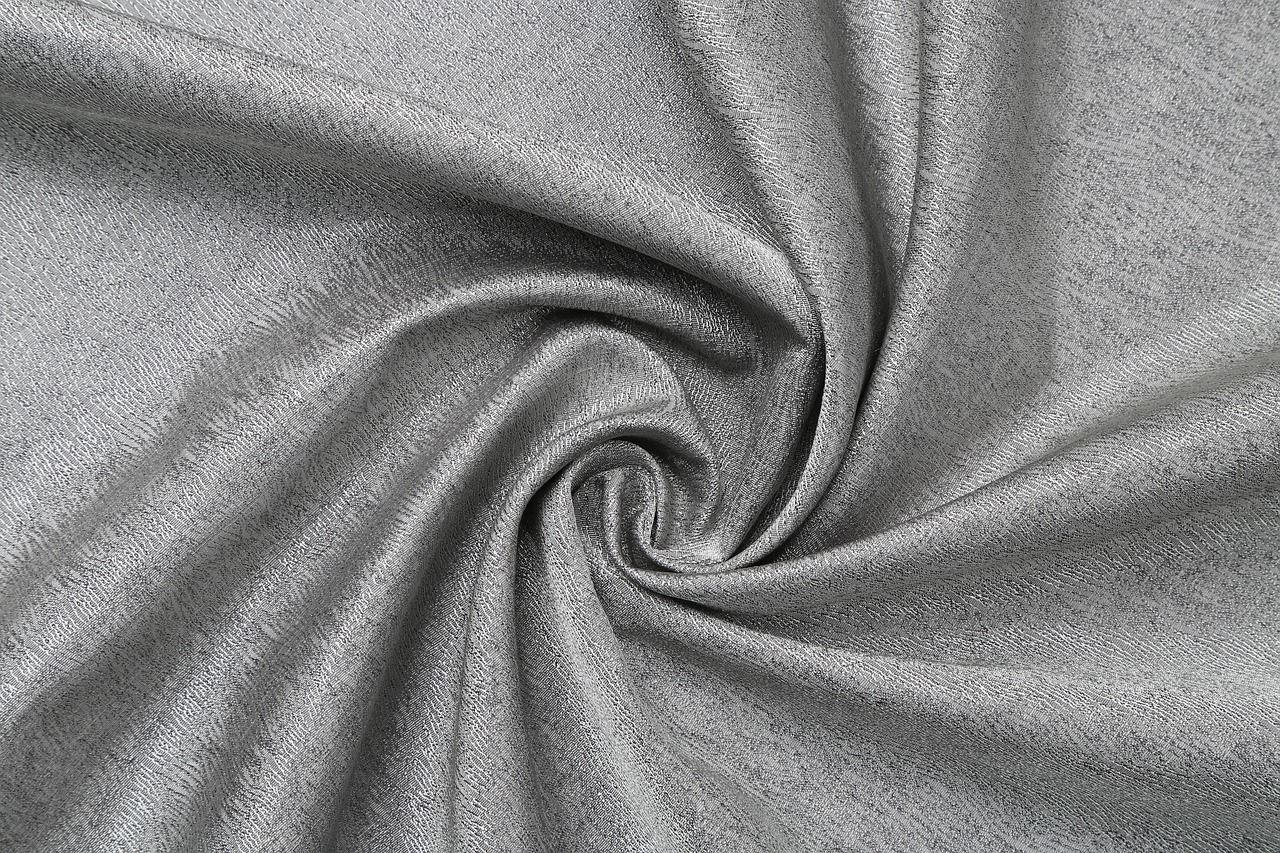
For sourcing teams, the fiber blend is only the starting point. Performance depends on elastane percentage, knit or woven construction, yarn count, fabric weight, finishing, dyeing quality, and test results. Buyers comparing polyester and elastane fabric should work from measurable specifications rather than relying on blend ratio alone.
This article is part of the Materials section, where we explain common textile materials from a practical sourcing and product-development perspective.
How polyester and elastane work together
Polyester is a synthetic fiber valued in apparel because it is strong, light, quick drying, and relatively resistant to shrinking and wrinkling. Elastane is a highly elastic manufactured fiber used in smaller amounts to improve stretch, fit, and shape retention. In many garments, elastane content is much lower than polyester content, but it has a major effect on hand feel, fit, and movement.
Polyester usually forms the base fabric structure. It supports abrasion resistance, can be dyed with disperse dyes, and helps maintain stability during repeated washing when the fabric is properly heat-set and finished. Polyester also absorbs little moisture into the fiber itself, which is one reason polyester-rich sports fabrics can dry faster than many cellulosic fabrics.
Moisture management is not automatic. Wicking depends on yarn shape, fabric construction, capillary channels, and finishing chemistry, not just the word polyester on a label.
Elastane provides extensibility and recovery. A small amount can make a fitted garment more comfortable and help reduce bagging at knees, elbows, or waistbands. Higher elastane levels may be used for compression, swimwear, shapewear, and performance garments where stretch force and recovery are central to the product. Too much elastane, or poor control of heat and chemicals during processing, can lead to excessive tightness, growth after wear, reduced breathability, dyeing unevenness, or premature loss of stretch.
Main properties buyers should evaluate
When comparing polyester and elastane fabric, buyers should look past supplier descriptions such as “premium,” “soft,” or “high stretch.” A useful evaluation combines hand feel, intended garment use, and testable fabric properties.
Stretch direction and recovery
Stretch may be two-way or four-way. Two-way stretch usually means the fabric stretches mainly across the width. Four-way stretch extends in both length and width. In knitted fabrics, the loop structure already provides some extensibility, and elastane improves both stretch and recovery. In woven stretch fabrics, elastane is often inserted in the weft, warp, or both directions, depending on the garment design.
Recovery is as important as stretch. A fabric that stretches easily but recovers poorly may feel comfortable at first, then become loose after wear. For elastic fabrics, technical buyers often refer to recognized test methods such as ASTM D4964 for tension and elongation testing. The exact test method should be agreed among the mill, laboratory, and buyer before production so results can be compared consistently.
Weight, opacity, and coverage
Fabric weight, usually stated in grams per square meter, affects coverage, durability, warmth, and drape. A lightweight polyester-elastane jersey may suit fashion tops or linings, while leggings and gym wear usually need stronger opacity and recovery. White and light colors can reveal transparency issues more clearly than dark shades, so opacity should be checked in the intended color, size range, and stretch condition.
Hand feel and surface finish
Polyester and elastane fabrics can feel smooth, brushed, cool, compact, spongy, slippery, or cotton-like, depending on yarn type and finishing. Brushed finishes improve softness and warmth but may increase pilling risk if they are not engineered carefully. Smooth interlock and tricot structures can support clean printed surfaces, while textured yarns can create a softer, more matte appearance.
Dimensional stability
Dimensional stability describes how much a fabric changes after washing, drying, heat exposure, and wear. Polyester is generally more dimensionally stable than many natural fibers, but stretch fabrics still need careful control. Heat setting, elastane quality, finishing tension, and garment construction all influence shrinkage, spirality, seam distortion, and growth. Buyers should request wash test results based on the final care label, not only on ideal laboratory conditions that consumers are unlikely to follow.
Common uses and suitable constructions
Polyester-elastane blends are used across many apparel categories because the blend can be engineered for different functions. The right construction depends on the garment’s movement, recovery, coverage, and comfort requirements.
| Application | Typical fabric direction | Key performance needs |
|---|---|---|
| Leggings and yoga wear | Four-way stretch knit | Opacity, recovery, pilling resistance, squat-proof coverage, soft hand |
| Sports tops | Light to medium knit | Moisture movement, breathability, quick drying, colorfastness |
| Swimwear | High-stretch knit | Chlorine resistance, recovery, UV exposure performance, shape retention |
| Underwear and base layers | Soft stretch knit | Skin comfort, seam performance, recovery, low irritation |
| Stretch woven pants | Weft or bi-stretch woven | Shape retention, abrasion resistance, crease recovery, controlled growth |
| Dancewear and costumes | High-stretch knit | Movement, shine or matte finish, colorfastness, durability under stress |
Knit polyester-elastane fabrics are common where comfort and movement are priorities. Single jersey is lighter and more flexible but may curl at the edges. Interlock is more stable and often gives better coverage. Ponte and double-knit structures create a firmer hand for structured stretch garments. Warp knits such as tricot can be used for swimwear, linings, and performance apparel where smoothness and recovery matter.
Stretch wovens offer a different balance. They can look sharper and more tailored than knits while still improving comfort. For trousers, uniforms, and fitted workwear, controlled stretch is often more useful than maximum stretch. A fabric that grows too much during wear can cause poor fit even if it passes an initial hand-feel inspection.
Specification details that matter in sourcing
A practical fabric specification should define the blend, construction, weight, width, stretch, recovery, colorfastness, shrinkage, pilling resistance, and finishing requirements. If a buyer specifies only “polyester elastane, 220 gsm,” suppliers may interpret the request in several different ways.
Blend ratio is not enough
Two fabrics with the same fiber content can perform differently because elastane placement, yarn count, knitting gauge, and finishing route differ. For example, a compact interlock and a brushed jersey may both contain polyester and elastane, but one may be better for compression leggings while the other is better for casual loungewear. The specification should therefore state the intended end use and the required performance level.
Colorfastness and dyeing
Polyester is commonly dyed with disperse dyes. Elastane can be sensitive to high heat, aggressive chemicals, and some processing conditions, so mills need to control temperature, pH, and finishing carefully. Buyers should check colorfastness to washing, rubbing, perspiration, and, where relevant, chlorinated water or light. This is especially important for activewear, swimwear, and dark colors worn next to skin. See also: Applications.
Testing and approval samples
Before bulk production, teams should align on lab dips, strike-offs, pre-production samples, and approved shade bands. Stretch and recovery should be tested in the direction that matters for the garment. For leggings, widthwise and lengthwise stretch may both be relevant; for stretch woven trousers, weft stretch may be the priority. Approved bulk fabric should be compared with the original standard after washing and relaxation, not only fresh off the roll.
Care, durability, and consumer experience
Polyester and elastane blends can be durable, but care conditions strongly affect stretch life. High heat is one of the main risks for garments containing elastane. Repeated hot washing, high-temperature tumble drying, and direct ironing can weaken elastic performance, distort fit, or accelerate fabric fatigue. Many garments made from this blend are therefore labeled for cool or warm washing, low-temperature drying, or line drying, depending on the final product.
Fabric softeners may reduce moisture-management performance on some sports fabrics because they can leave residues on fiber surfaces. This does not mean every polyester-elastane garment requires special care, but performance apparel should be tested under realistic consumer laundering conditions. If the garment is marketed for training, swimming, or outdoor use, care testing should reflect sweat, sunscreen, chlorine, abrasion, and repeated washing where appropriate.
Pilling is another practical concern. Polyester fibers can form pills that remain attached to the fabric surface because the fibers are strong. Pilling risk depends on yarn type, twist, fabric construction, surface brushing, finishing, and abrasion exposure. A soft brushed fabric may feel excellent during showroom review but still require stronger pilling validation than a smoother compact knit.
Labeling and compliance considerations
Fiber naming and labeling rules vary by market. In the United States, Federal Trade Commission textile guidance recognizes required generic fiber naming practices and explains that labels must identify fiber content, country of origin, and the responsible company name or registered identification number for covered textile products. The FTC also notes that ISO terminology includes “elastane” for what is commonly called spandex in the U.S. market. For export programs, buyers should confirm the required terminology in the destination market before approving labels, packaging, and online product descriptions.
Fiber percentage should be stated by weight, not by marketing importance. If elastane is present for functional stretch, it should not be hidden behind vague wording. Accurate labeling matters for legal compliance and for consumer trust. A garment described online as “polyester stretch fabric” may still need exact fiber disclosure on the product label and in product data, depending on the market and sales channel.
Compliance is broader than fiber content. Depending on destination and product category, restricted substances, flammability, children’s apparel rules, chemical management, and brand-specific standards may apply. Buyers should treat polyester-elastane fabric as a technical material requiring documentation, not merely as a commodity fabric selected by color and price.
Sustainability and end-of-life limitations
Polyester dominates global synthetic fiber use, and Textile Exchange has reported polyester as the largest fiber category by market share in its materials market reporting. Recycled polyester can reduce reliance on virgin fossil resources, but sustainability claims should be specific and documented. A fabric described as recycled polyester and elastane should state the recycled content, the certification route if used, and whether the claim applies to the polyester portion only or to the total fabric.
Elastane improves fit and extends the useful function of many garments, but it can complicate recycling. Blended textiles are generally harder to recycle than mono-material textiles because fibers must be separated or processed together in ways that may reduce output quality. Small elastane percentages can still affect mechanical recycling, chemical recycling compatibility, and sorting decisions.
This does not mean elastane should never be used. Designers should use it where stretch has a clear functional purpose and avoid adding it only for a vague marketing benefit. Durability is also part of sustainability: a well-engineered polyester-elastane garment that keeps its shape after repeated wear may have a longer useful life than a poorly specified alternative. The stronger sourcing question is not simply “Is there elastane?” but “Is the elastane necessary, tested, and proportionate to the garment’s function?”
How to choose the right polyester and elastane fabric
A clear sourcing brief helps suppliers recommend the correct fabric more accurately. Before requesting quotations, buyers should define the product category, target hand feel, stretch direction, opacity, fabric weight range, color range, print or dye method, washing conditions, and compliance market. The following checklist can reduce sampling rounds and prevent mismatched expectations.
- Define the end use before selecting the blend ratio.
- Specify knit or woven construction, not only fiber content.
- Request stretch and recovery data in relevant directions.
- Check opacity while the fabric is stretched, especially for leggings and light colors.
- Confirm shrinkage after the intended washing and drying method.
- Test pilling, abrasion, and colorfastness according to the garment’s use.
- Confirm whether “elastane,” “spandex,” or another required term should appear on labels for the sales market.
- Ask whether recycled polyester claims are certified and how the percentage is calculated.
For brands and buyers building a material library, polyester-elastane fabrics should be grouped by function: active compression, casual stretch, swimwear, stretch woven, base layer, lining, and fashion jersey. This makes comparison more meaningful than grouping all polyester-elastane options together.
Frequently asked questions
Is polyester and elastane fabric breathable?
It can be, but breathability depends on construction, yarn, fabric density, and finishing. Polyester itself does not absorb much moisture into the fiber, but a fabric can be engineered to move moisture through capillary action. A dense compression fabric may feel less breathable than a lighter mesh or jersey even if both use the same fibers.
Is polyester and elastane the same as spandex fabric?
No. Elastane and spandex refer to the elastic fiber, while polyester is the main companion fiber in the blend. In U.S. usage, spandex is common; in many international contexts, elastane is common. A polyester-elastane fabric is a blend, not pure spandex.
What percentage of elastane is best?
There is no universal best percentage. Casual stretch tops may need only a small amount, while leggings, swimwear, and compression garments may require more. The correct percentage depends on fit, stretch force, recovery, opacity, garment pattern, and end use.
Does polyester and elastane shrink?
It is generally more dimensionally stable than many natural-fiber fabrics, but shrinkage or growth can still occur if heat setting, finishing, washing, or drying conditions are poorly controlled. Always check shrinkage test results based on the intended care label.
Can polyester and elastane fabric be recycled?
Recycling is possible in some systems, but blended fabrics are more difficult to recycle than single-fiber materials. Elastane can complicate sorting and processing, so recycled-content claims and end-of-life claims should be verified with documentation and market-specific guidance.