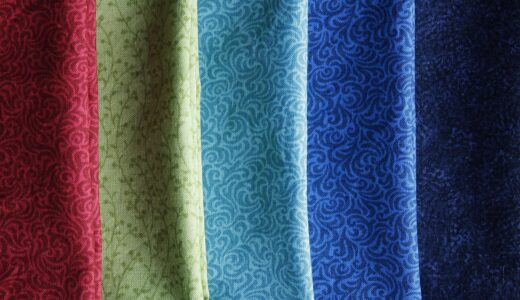
Polyester fabric explained for apparel and home textiles
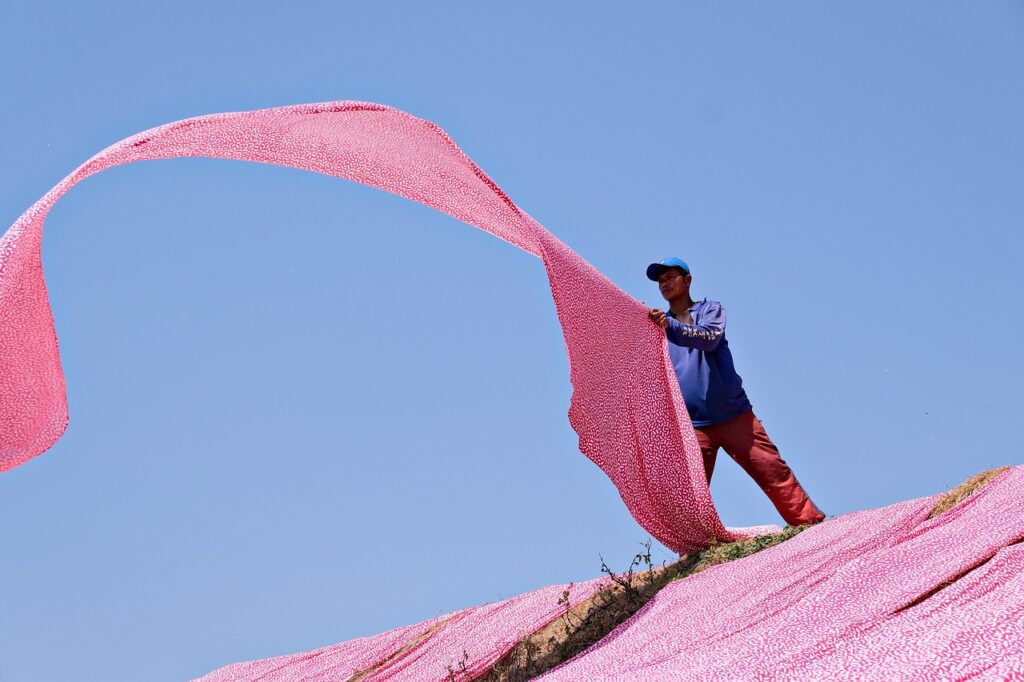
What polyester fabric is and why it matters
Polyester fabric is made from polyester fibers, most commonly polyethylene terephthalate, or PET. It is widely used because it offers strength, dimensional stability, wrinkle resistance, quick drying, and many construction options at industrial scale. In apparel, home textiles, upholstery, linings, outdoor fabrics, uniforms, and technical textiles, polyester is rarely selected for one reason alone. Performance depends on the filament or staple fiber, yarn size, weave or knit structure, dyeing method, finishing, and whether the fabric is blended with cotton, elastane, viscose, wool, or nylon. For readers comparing fibers across the wider textile market, the Materials section provides related context on material selection and fabric performance.
Under U.S. textile fiber labeling rules, polyester is a recognized generic fiber name, not a single fabric style. That distinction matters. Satin, fleece, mesh, taffeta, microfiber, canvas, tricot, and nonwoven interlining can all be polyester fabrics if polyester is the fiber base. The same fiber family can therefore produce very different results in hand feel, opacity, stretch, breathability, and durability.

How polyester behaves in fabric construction
The reputation of polyester fabric is shaped by both chemistry and construction. Polyester fibers are hydrophobic, so they absorb little water compared with cotton or viscose. This supports quick drying and helps garments retain shape after washing. It also means comfort has to be engineered through yarn design, knit openness, moisture-wicking finishes, or blending, rather than assumed from the fiber name.
Filament, staple, and microfiber yarns
Continuous filament polyester usually produces smoother, stronger, and often shinier fabrics. It is common in linings, performance knits, woven sports fabrics, lightweight taffetas, and technical textiles. Staple polyester is cut into short lengths and spun more like cotton. It can feel softer and more natural, especially in polyester-cotton blends, but yarn hairiness and staple quality can affect pilling. Microfiber polyester uses very fine filaments to create a soft, dense, smooth hand. It is often used in brushed fabrics, cleaning cloths, suede-like finishes, and lightweight apparel.
Weave and knit structure
Polyester does not automatically mean breathable or non-breathable. A dense woven polyester taffeta can block wind and feel warm, while an open polyester mesh allows much more airflow. Warp knits such as tricot can provide stability for sportswear and lining applications. Circular knits can add stretch and softness, especially when blended with elastane. Woven oxford, twill, canvas, and ripstop constructions add abrasion resistance and shape, which makes polyester useful in bags, uniforms, covers, and upholstery.
Heat setting and finishing
Polyester is thermoplastic, so heat setting can stabilize dimensions, create pleats, improve crease retention, or set fabric width. Finishes can add water repellency, moisture management, anti-static behavior, brushing, peach skin touch, coating, lamination, or flame-retardant performance where required. These finishes should be specified carefully because they influence durability, wash performance, hand feel, and compliance testing.
Where polyester fabric performs well
Polyester fabric performs best when the end use requires durability, easy care, shape retention, and controlled drying behavior. Its broad use does not mean it is the right choice for every product, but it explains why mills, brands, and converters continue to rely on it across commodity and performance segments.
| Application | Why polyester is used | Specification points to check |
|---|---|---|
| Sportswear and activewear | Quick drying, shape retention, compatibility with stretch yarns and moisture finishes | Moisture management, air permeability, stretch recovery, pilling, odor control claims |
| Uniforms and workwear | Durability, wrinkle resistance, color retention, wash-and-wear convenience | Abrasion, tear strength, colorfastness, seam strength, industrial laundering suitability |
| Home textiles | Easy care, dimensional stability, printed design clarity, cost efficiency | GSM, shrinkage, pilling, rubbing fastness, flame requirements where applicable |
| Outerwear and bags | Strength, low water absorption, coating and lamination compatibility | Water resistance, hydrostatic pressure, coating adhesion, tear strength, UV exposure |
| Linings and interlinings | Smooth surface, stability, low bulk, consistent processing | Slippage, seam performance, shrinkage, color migration, fusing behavior |
The key is to evaluate polyester as a platform, not as one fixed quality level. A low-density promotional fabric, a brushed fleece, a high-tenacity industrial yarn fabric, and a fine-denier recycled polyester satin may all carry the same fiber name, but they are designed for different performance expectations.
Limitations to weigh before specifying polyester
Polyester fabric also has limitations that should be addressed early in material selection. Its low moisture absorption can feel less comfortable in hot, humid conditions if the fabric structure does not support airflow or moisture movement. In some apparel categories, polyester can retain oily soils or body odor more readily than cellulosic fibers, so washing performance and odor-control claims need to be tested rather than assumed.
Pilling is another common concern, especially in staple-spun polyester, brushed fleece, and blends where fiber strength allows pills to remain attached to the fabric surface. Pilling resistance depends on fiber length, yarn twist, knit structure, finishing, and abrasion during use. For fabrics exposed to repeated friction, pilling tests should be part of the approval process.
Heat sensitivity also needs attention. Polyester can be heat set, but excessive ironing, high dryer temperatures, or unsuitable finishing conditions may cause glazing, shrinkage, deformation, or damage. In applications involving flame, welding, high heat, or safety exposure, ordinary polyester should not be treated as a protective fiber unless it has been specifically engineered and tested for that requirement.
Microfiber shedding is a real environmental concern for synthetic textiles. Research on laundering has shown that shedding varies by fiber, yarn, fabric construction, finishing, wash conditions, and the age of the textile. A simple claim such as polyester sheds more or recycled polyester sheds less is usually too broad. Better fabric design, quality control, washing guidance, and filtration can reduce risk, but the issue is still being studied.
Recycled polyester and the current market picture
Recycled polyester is often discussed as the most practical near-term alternative to virgin fossil-based polyester, but the market picture is mixed. Textile Exchange’s September 2025 Materials Market Report stated that global fiber production reached about 132 million tonnes in 2024. Polyester accounted for about 77.7 million tonnes, or roughly 59% of global fiber production, making it the dominant fiber by volume.
The same report showed that recycled polyester volume increased from about 8.9 million tonnes in 2023 to about 9.3 million tonnes in 2024. However, because virgin polyester grew faster, recycled polyester’s share of total polyester declined from about 12.5% in 2023 to about 12.0% in 2024. This is an important sourcing signal: recycled polyester is growing in absolute tonnes, but it is not yet reducing the industry’s dependence on virgin polyester at the category level. See also: Applications.
Feedstock is another limitation. Textile Exchange reported that most recycled polyester is still made from PET plastic bottles, while textile-to-textile recycled polyester remains a very small share of total fiber supply. Bottle-based recycled polyester can lower reliance on virgin inputs for a specific fabric, but it also competes with bottle-to-bottle recycling systems and does not, by itself, solve apparel waste. For circular textile strategies, mono-material design, easier disassembly, reduced trims, clear labeling, and future textile-to-textile recycling infrastructure matter as much as recycled content claims.
For verification, recycled polyester claims are commonly associated with standards such as the Global Recycled Standard and Recycled Claim Standard, both administered by Textile Exchange. These standards focus on recycled material verification and chain of custody. The Global Recycled Standard also includes additional processing, chemical, social, and environmental requirements. Buyers should request valid scope certificates and transaction certificates when certified material claims are part of the specification.
Certification, testing, and sourcing questions
Polyester fabric sourcing should not rely only on fiber content. A professional specification should define both the construction and the performance target. This is especially important for apparel programs, home textile ranges, hospitality textiles, bags, upholstery, and outdoor products, where repeated washing, abrasion, sunlight, and customer use can expose weak points.
- Fiber content and blend ratio: Confirm whether the fabric is 100% polyester or blended with cotton, viscose, elastane, nylon, wool, or other fibers.
- Fabric construction: Specify woven, knit, nonwoven, fleece, mesh, satin, twill, ripstop, brushed, coated, or laminated construction.
- Physical performance: Check GSM, width, tensile strength, tear strength, burst strength, abrasion resistance, pilling, stretch, and recovery.
- Color and appearance: Test colorfastness to washing, rubbing, perspiration, light, heat, and migration where relevant.
- Dimensional stability: Confirm shrinkage after washing, steaming, tumble drying, or industrial laundering.
- Chemical safety: If required, verify restricted substance testing or certifications such as OEKO-TEX Standard 100, which is designed to test textile products for harmful substances within its defined criteria.
- Recycled content: If recycled polyester is claimed, request certification documents rather than relying only on verbal statements or hangtag language.
These checks protect both sides of the supply chain. A fabric may look acceptable in a hanger sample but fail after laundering, abrasion, coating flexing, or shade-lot production. Clear testing reduces disputes and makes material comparison more objective.
Polyester compared with cotton, nylon, and viscose
Polyester is often compared with natural and regenerated fibers, but the better question is not which fiber is universally better. The more useful question is which material best matches the product’s use, care method, price point, durability target, and sustainability strategy.
| Fiber | Typical strengths | Typical trade-offs | Common use with polyester |
|---|---|---|---|
| Cotton | Soft hand, absorbency, comfort in many casual garments | Wrinkling, slower drying, shrinkage risk without control | Polyester-cotton blends for shirts, uniforms, bedding, and workwear |
| Nylon | High abrasion resistance, strength, smooth hand | Can be more expensive; heat and dyeing behavior differ by type | Performance fabrics, bags, outdoor apparel, reinforcements |
| Viscose | Drape, softness, absorbency, cellulosic feel | Lower wet strength in some qualities, shrinkage and creasing risks | Polyester-viscose suiting, dresses, linings, and fashion fabrics |
| Polyester | Durability, wrinkle resistance, quick drying, dimensional stability | Comfort, odor, pilling, heat, and shedding concerns must be managed | Standalone fabrics or blends across apparel, home, and technical textiles |
Blending is often used to balance trade-offs. Polyester-cotton can improve wrinkle resistance and drying speed compared with pure cotton while retaining some cotton comfort. Polyester-viscose can improve drape and hand feel compared with basic polyester. Polyester-elastane adds stretch and recovery. However, blends can also complicate recycling, dyeing, and claims, so the end-of-life strategy should be considered before the composition is finalized.
Frequently asked questions
Is polyester fabric breathable?
It can be, but breathability depends more on construction than on the fiber name alone. A lightweight mesh or open knit polyester can allow airflow, while a dense coated woven polyester may have very low breathability. Moisture-wicking finishes can improve comfort, but they should be tested after repeated washing.
Is polyester fabric waterproof?
Standard polyester fabric is not automatically waterproof. Polyester absorbs little water, but water can still pass through gaps between yarns. Waterproof or water-resistant performance usually requires tight construction, coating, lamination, durable water repellent finishing, or seam sealing.
Does recycled polyester perform the same as virgin polyester?
It can perform similarly in many applications, but performance depends on feedstock quality, recycling method, spinning, yarn specification, and fabric construction. Buyers should approve recycled polyester fabric through the same tests used for virgin polyester, including strength, shade, shrinkage, pilling, and colorfastness.
Is polyester fabric sustainable?
Polyester has durability and easy-care advantages, but it is usually fossil-based and linked to microfiber shedding and end-of-life challenges. Recycled polyester can reduce virgin input for a specific product, but current market data shows that virgin polyester still dominates. A stronger sustainability approach combines lower-impact inputs, longer product life, verified claims, responsible chemistry, and design for reuse or recycling.
How should polyester fabric be specified for sourcing?
Start with the end use, then define fiber content, yarn type, GSM, width, construction, finish, color standard, shrinkage limit, strength targets, pilling grade, colorfastness requirements, and any certification needs. For recycled polyester, include the required standard and documentation at the quotation stage.