What Is Nylon Fabric?
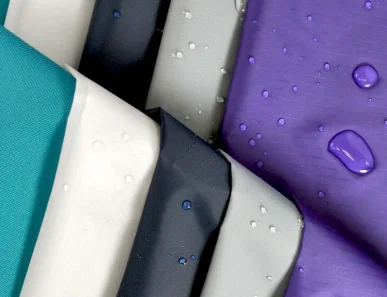
Nylon is a strong, elastic and very wear resistant synthetic fabric. This fabric was developed in the 1930s and since then it has become one of the main materials in modern materials science. As a result of its molecular structure nylon is very strong and flexible and can be used for a wide range of applications. It is often used in clothing, in industry and for special applications. Experts consider nylon to be one of the most versatile polymers, which is often used in the textile industry, as it has the perfect combination of performance and comfort.
How Did Nylon Fabric Originate?
When the innovative nylon fabric was introduced in the early 20th century, it marked a development in material creation that was of great magnitude. Also, the positive reception of the new fabric on the market was overwhelming; it contributed significantly to a revolution in the textile production.
The Invention by DuPont
In 1935 while at DuPont, DuPont chemist Wallace Carothers invented nylon after years of experimentation into polymer and fiber development. He created synthetic fibers to make silk in quantities to be mass produced. Years of discovery culminated when the synthetic polymer, called polyamide, could be spun into strong yet elastic fibers, including nylon. When introduced as nylon stockings at the 1939 New York World’s Fair, the garments were an instant hit. They quickly sold out. nylon had started a new chapter in man made fibers.
Early Industrial Applications
Nylon can be very tough too. In World War II, production of hosiery was changed to make more military supplies such as parachutes, ropes and tents. Because it withstands stress and withstands harsh weather better than most natural fibers such as cotton and silk, nylon is a better choice for these products.
Postwar Expansion into Consumer Goods
After the war nylon once again was aggressively introduced into the consumer’s market. The fabric was worn as clothing, used in carpets, suit cases and car upholstery. Because nylon was cheap and resistant to mold and abrasion many manufacturers used it in their production. The properties of nylon made it very versatile and it was used in production of sport articles as well as in the automotive industry.
What Are the Key Properties of Nylon Fabric?
The unique molecular set of characteristics of Nylon, distinguishing it from natural and synthetic fibers, all contribute to the versatile fiber’s popularity in many technical fields and use for centuries.
Strength and Durability
The crystalline polymer chains of nylon fibers form during fiber extrusion and align in the fiber. These aligned chains give nylon a high tensile strength. Nylon therefore has better shape retention under mechanical stress than fibers such as polyester or rayon. For this reason, nylon is a very popular fiber for use in outdoors gear and industrial applications.
Elasticity and Recovery
The elasticity of nylon fabrics is based on hydrogen bonds between amide groups. These hydrogen bonds allow a temporary deformation of the fiber and allow it to return to its original form after the stress is released. It is this property that makes garments from nylon very fitting but still comfortable to wear, especially for applications in activewear and swimwear.
Resistance to Moisture and Chemicals
Nylon is not waterproof, but it is more water-repellent than natural fibers for example because of its low absorbency, typically below 4%. Nylon is also able to resist many oils, greases and solvents. However, when exposed to UV light for longer periods of time, nylon can deteriorate. This can be prevented by applying stabilizers.
How Is Nylon Fabric Manufactured?
Producing nylon fibers made from synthetic materials requires a chemical synthesis followed by mechanical processing in order to achieve the characteristics of fibers used for making fabrics. The single stages of processing have an effect on the quality of a fabric that has been made from nylon fibers.
Polymerization Process
Condensation polymerization of a diamine (like hexamethylene diamine) with a dicarboxylic acid (like adipic acid) leads to long polyamide chains and water as byproduct. The resulting melt is cast into chips or pellets and is then ready for further processing.
Fiber Spinning Techniques
The pellets are re-melted and extruded through spinnerets, which resemble fine showerheads. These filaments of continuous length are then cooled and drawn in length to increase their strength by aligning their molecules.
Weaving or Knitting Into Textiles
Synthesised fibers are spun into yarns that can then be woven or knitted, depending on the specific product being developed. Tightly woven taffetas made from nylon or polyester are used to make high-performance windbreakers and tents, whereas knitted versions of these stretchy fibers are used to make all sorts of garments including leggings and even swimsuits.
Why Is Nylon Fabric Popular Across Industries?
Nylon’s versatility, however, extends far beyond that of clothing. Using nylon as a base, engineers can alter its characteristics to better meet specific performance needs.
Apparel and Fashion Uses
Nylon is a very light material, very comfortable and also very resistant to wear and tear. In sportswear nylon is mostly used for windproof jackets and for breathable linings. In fashion design nylon is preferred because of its smooth surface, which ensures that the color will be absorbed evenly and will not fade quickly.
Industrial and Technical Applications
Heavy-duty nylon fabrics are widely used in many industries for the manufacture of conveyor belts, tire cords, seat belts and other applications such as filters. The fabrics are highly abrasion resistant and allow long service life under friction or high temperatures until material starts to soften at approximately 180°C.
Home Furnishings and Consumer Products
From carpets to backpacks, nylon remains dominant thanks to easy maintenance—it dries fast after washing and resists mildew growth in humid conditions. Its thermoplastic nature also allows molding into rigid products like zippers or fasteners used throughout consumer goods manufacturing.
What Are the Environmental Concerns Related to Nylon?
The advantages to nylon of increased performance through production improvements are being tackled for sustainability challenges by researchers seeking improved production techniques.
Energy-Intensive Production
Energy is required for the production of nylon in the form of high-temperature polymerisation processes that use petrochemical feedstocks, mainly crude oil derivatives. This means these materials are based on fossil fuels and thereby produce carbon emissions throughout the supply chain.
Non-Biodegradability Issues
Synthetic nylon is chemically stable, meaning it won’t easily breakdown in a landfill or in the ocean. When nylon clothing is washed, it can shed tiny nylon fibers called microfibers into the water, and these can take decades to break down, worrying some scientists studying marine pollution.
Advances Toward Sustainable Alternatives
Innovations in materials for the sustainable production of bio-based nylons made from renewable sources such as castor beans, waste from the fishing sector (fishing nets, for example) such as ECONYL®, that allow for reduced use of virgin petroleum and have similar performance characteristics to traditional nylon materials.
How Does Nylon Compare With Other Synthetic Fabrics?
When choosing between synthetics the user has to make a compromise between the synthetic’s durability and its comfort characteristics and the product’s ecological footprint.
Nylon vs Polyester
Both materials have a similar tensile strength, however Polyester has a slightly different texture than nylon which is softer. Polyester has superior UV resistance, in addition it has lower moisture absorbency overall than nylon but it does not have same level of elasticity that individual fibers of nylon have.
Nylon vs Acrylic
While acrylic fibers have the warmth of wool, they lack the toughness. Fibers for applications such as climbing ropes or airbags are best made of nylon, due to their superior tensile strength of more than 70 MPa, whereas the tensile strength of acrylic fibers is typically in the range of 30 MPa.
Nylon vs Spandex Blends
A small amount of spandex (elastane) blended with nylon provides enhanced stretch recovery while maintaining strength and structure, making it suitable for a variety of applications such as compression wear, activewear, fashion garments and yoga wear.
FAQ
Q1: Is Nylon Fabric Breathable? A: No, Nylon Fabric is not particularly breathable. While certain thin weaves of nylon may allow airflow and therefore make it breathable to a degree, most nylon fabrics are of a denser construction that trap too much heat and are therefore not as breathable as cotton or linen fabrics.
Q2. Is nylon easy to dye? A. Yes; amide groups react with acid dyes producing bright color, which has good fastness on washing.
Q3. Nylon Shrinkage in Wash? A. It is rare for nylon to shrink at wash temperatures but it can be deformed with extreme heat such as above 200°C when drying or ironing.
Q4: Is Recycled Nylon as Strong as Virgin Nylon? A: Yes. Modern recycling processes have come a long way in preserving the molecular integrity of the materials that are being recycled. Therefore, the mechanical properties of recycled nylon are nearly equivalent to those of virgin nylon, within acceptable industrial variability.
Q5: What Makes Nylon Suitable for Outdoor Gear? A: Lightweight strength-to-weight ratio, moisture resistance, wind abrasion and rain resistance – nylon is the perfect material for producing a wide variety of outdoor gear such as tents, backpacks, jackets and more.