How Can Custom Knits and Manufacturing Help Your Brand Source Smarter?
Why Should Custom Knits and Manufacturing Matter to Your Sourcing Plan?
A clear custom knits and manufacturing plan gives your team more control over yarn, stitch, weight, fit, color, and repeat orders. If you sell knit tops, sweaters, rib sets, jersey basics, or soft loungewear, you are not only buying fabric from a shelf. You are deciding how the material is made before the garment is cut. That changes cost, quality, lead time, and how the product feels to a customer after a few washes.
Fabric Starts With Yarn, Gauge, and Stitch
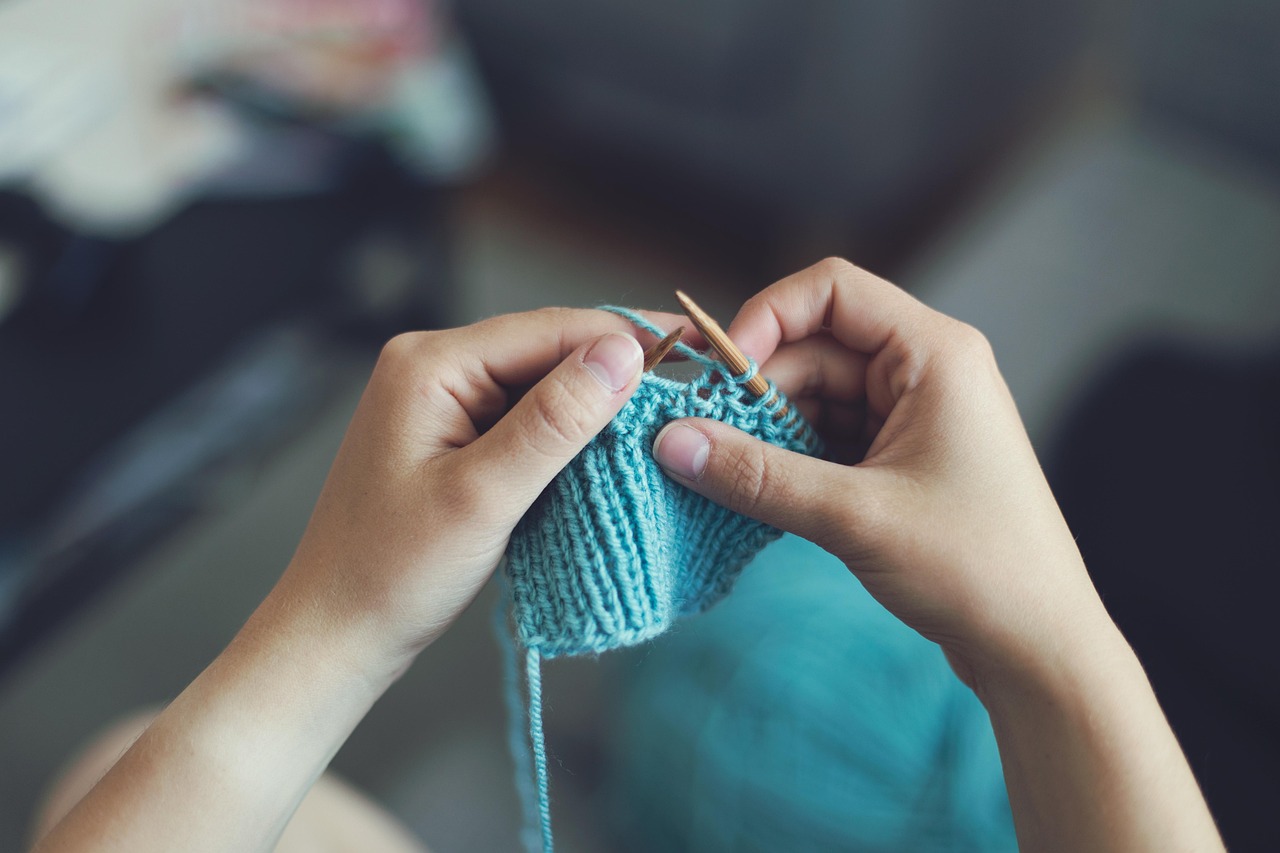
In woven apparel, buyers often begin with finished fabric. In custom knits, the work can begin at yarn level, so the choice of cotton, viscose, polyester, nylon, wool, acrylic, recycled blends, or spandex content matters from the start. After that, yarn count, machine gauge, stitch type, and fabric weight all need to match the style. A 12-gauge cotton sweater and a 7-gauge acrylic-wool blend may both be knitwear, but they fit different seasons, price points, and customers.
Fit and Handfeel Are Built Into the Material
Knit fabric moves during wear and after washing. It can stretch, recover, shrink, twist, and change handfeel, so fit cannot be checked by paper measurements alone. A ribbed tank with 8 percent spandex may sit close to the body, while a loose jersey tee may need more body length because the fabric drops after wash. Good knit manufacturing connects pattern work with fabric behavior, and this is where many low quotes start to fail.
Stock Fabric Limits Color, Weight, and Repeat Orders
Stock fabric may look simple because it is ready now. The problem often appears later, when the shade is hard to repeat, the GSM does not fit the next season, or the mill sells out before your reorder. Custom knitting takes more front-end work, but it helps you keep the product more stable. For a brand building core styles, that stability is usually worth more than a one-time cheaper fabric.
What Should You Prepare Before Asking a Factory for a Quote?
A factory can quote better when the request is clear. Messages like “need a good quality knitted top” usually bring wide price gaps, slow replies, and samples that miss the target. Before asking for pricing, prepare a simple but complete package. It does not need to look polished, but it should remove the guesswork.
A Tech Pack With Clear Measurements
Your tech pack should show flat sketches, measurement points, tolerance rules, size range, seam details, trims, labels, and packing needs. For knit garments, add stretch areas, rib placement, neckline shape, cuff depth, and hem finish. If you have a reference sample, tell the factory what to follow and what to change. A sample on the table still needs written notes, because the factory cannot guess every detail.
Yarn, GSM, Gauge, and Finish Targets
If the exact yarn count or gauge is not fixed yet, give the factory a target. For example, “midweight 220 to 240 GSM cotton jersey for spring tops” is more useful than “soft cotton fabric.” For sweaters, mention season, warmth level, target handfeel, and whether you prefer flat knitting, circular knitting, jacquard, intarsia, pointelle, or rib structures. With this information, the factory can suggest options that can actually be sourced and produced.
Order Plan, Size Mix, and Packing Rules
Price changes with quantity, size ratio, color count, and packing method. A 500-piece order in five colors is not priced like a 500-piece order in one color, because setup and handling are different. If each piece needs a barcode sticker, polybag, carton mark, and retail fold, that labor has to be included. Share your first order plan and likely reorder plan, so the supplier can price the full project rather than one sample only.
Which Knit Choices Affect Cost, Quality, and Lead Time?
Many knit cost issues come from decisions made too late. A buyer approves the look first, then finds out the yarn is hard to source. A brand confirms a color, then the dye lot fails on fastness. To keep the order under control, design choices and production limits should be checked early.
Yarn Composition and Count
Fiber choice affects both cost and wear performance. Cotton is known and breathable, but long-staple cotton costs more. Viscose gives a soft drape, though washing control needs attention. Polyester helps with durability and price, but some markets now question fossil-based synthetics more closely. Wool blends can raise the product level, while pilling control becomes part of the work. Textile Exchange’s Materials Market Report 2024 reported that global fiber production reached 124 million tonnes in 2023, up 7 percent from 2022, with polyester still the largest fiber at 57 percent of total production. In daily sourcing terms, material choice is not only a design point; it is also a buying decision.
Knitting Method and Machine Gauge
Machine choice changes texture, output, and minimum quantity. Fine-gauge machines make smoother and lighter products, while lower gauges make thicker sweaters with more visible texture. Jacquard, cable, and special ribs need more machine time than plain jersey. If the stitch is complex, leave more time for sampling and check the price carefully. A nice fabric is useful, but a slow stitch can push the delivery date.
Dyeing, Washing, and Finishing
Color and finish can change the whole garment. Garment dye gives a washed and casual look, but shrinkage and shade variation need control. Piece dye works for many fabrics, yet lab dips should be checked under the right light source. Brushing, enzyme wash, anti-pilling finish, softener, compacting, and steam setting all add cost. They are worth using when they solve a real issue, such as rough handfeel or weak recovery.
How Can You Reduce Sampling Risk Before Bulk Production?
Sampling is not just a step to tick off. It is where the idea meets yarn tension, machine setup, dye behavior, and sewing skill. If this stage is rushed, one week saved at the start can turn into four weeks lost near shipment. A safer way is to approve the small parts in order.
Lab Dips and Strike-Offs Before Full Samples
Approve color before judging the whole garment. Lab dips help compare shade options, and knit strike-offs show stitch, yarn, and weight. Do not approve bulk production from a phone photo only. Screens are not reliable, especially for beige, navy, heather grey, and dusty pastels. If the color is important to the range, ask for physical swatches before moving ahead.
Fit Samples, Size Sets, and Wear Tests
A fit sample checks the shape. A size set checks grading, and a wear test checks how the garment performs in normal use. For knit tops, check neck recovery, sleeve twist, seam strength, and after-wash measurements. For sweaters, check pilling, snagging, rib tension, and hanger marks. One plain wash test can stop a serious customer complaint later.
A Simple Approval Trail
Keep every approval easy to trace. Record the sample version, date, comments, approved fabric, approved trims, and final measurement table. If a change is made after approval, write down who asked for it and why. This habit is basic, but it keeps the buyer, merchandiser, pattern maker, and QC team on the same page when production gets busy.
How Do Public Data and New Rules Change Your Sourcing Plan?
Custom knit sourcing does not sit outside the market. Fiber supply, sourcing changes, waste rules, and consumer pressure all affect how a buyer should plan. Public data will not tell you which supplier is the right one. It can still show where risk is building. See also: Applications.
Global Fiber Supply Keeps Rising
Textile Exchange reported in its 2024 Materials Market Report, revised in January 2025, that virgin fossil-based synthetic fiber production increased from 67 million tonnes in 2022 to 75 million tonnes in 2023. It also reported that less than 1 percent of the global fiber market came from pre-consumer and post-consumer recycled textiles. The market signal is direct: total fiber demand keeps growing, while real textile-to-textile recycling is still small. For your sourcing plan, recycled claims should be checked with certificates and material records, not accepted from sales wording alone.
Flexible Sourcing Has Become a Buying Condition
McKinsey’s 2021 Apparel CPO Survey covered 38 international brands and retailers and found that more than 50 percent had started major changes to gain speed and flexibility. The same report said 71 percent of surveyed sourcing leaders planned to increase nearshoring share. Later McKinsey sourcing research in 2024 noted that more than 80 percent of organizations used 3D modeling and digital sampling. For knit projects, the buying point is simple: suppliers that reply fast, sample clearly, and share production data are now part of the sourcing choice.
Waste Pressure Makes Planning Less Optional
The Ellen MacArthur Foundation states that every second, the equivalent of a rubbish truckload of clothes is burnt or buried in landfill. In the United States, the EPA reported a 14.7 percent textile recycling rate for all textiles in 2018, with clothing and footwear at 13 percent. In Europe, the European Commission said in February 2026 that an estimated 4 to 9 percent of unsold textiles are destroyed before ever being worn. These numbers point to the same working direction: better forecasting, smaller test orders, stronger core products, and cleaner material records are safer than blind overproduction.
How Should You Choose a Custom Knit Manufacturing Partner?
The right partner is not always the cheapest or the largest one. It is the factory that fits your product, order size, market, and way of working. For a new brand, that may mean flexible sampling and clear minimums. For a larger buyer, it may mean steady capacity, audit records, and repeat color control.
Technical Communication That Saves Time
A good knit supplier asks specific questions. They will ask about yarn count, gauge, shrinkage target, tolerance, color standard, testing needs, and final market. If a factory says yes to everything in one sentence, treat it with care. You need a team that can explain trade-offs in plain words, such as why a softer yarn may pill faster or why a tight rib may change body measurements.
Capacity, Compliance, and Quality Records
Ask what machines the supplier uses, which processes are in-house, and which are outsourced. Knitting, dyeing, washing, embroidery, printing, linking, sewing, and packing may happen in different places. Request recent inspection summaries, testing examples, and compliance documents if your market needs them. There is no single public database that proves every factory’s real defect rate, so direct records and sample performance still matter.
A Practical Fit for Your Market
Your supplier should match your product level. A factory built for high-volume basic tees may not suit small-batch pointelle cardigans. A luxury sweater workshop may not work for a price-sensitive promotional hoodie. Share your target retail price, sales channel, and customer expectations, then look closely at the reply. The right custom knit manufacturer will help you build a product that can be made again, not only photographed once.
Custom knit sourcing rewards careful planning. Start with a clear product brief, test the fabric before bulk, use public data as a risk signal, and choose a partner that can discuss both design and production. It may not be the fastest route on the first day, but it often saves time by the time goods reach your warehouse.
FAQ
Q1: What Is the Biggest Advantage of Custom Knits and Manufacturing? A: The biggest advantage is control. You can set yarn, fabric weight, stitch, color, fit, finish, and repeat standards instead of taking whatever stock fabric is available.
Q2: What Information Should You Send to a Knitwear Factory First? A: Send sketches, measurements, size range, target yarn or fabric, GSM or gauge, color needs, quantity, trims, packing rules, and any reference samples. Clear details help the factory price the work properly.
Q3: Is Custom Knit Manufacturing Only for Large Orders? A: Not always. Some factories support small test orders, but color count, yarn availability, and machine setup still affect minimums. Simple styles usually work better for lower quantities.
Q4: How Many Samples Are Needed Before Bulk Production? A: Many projects need lab dips or strike-offs, one or more fit samples, a size set, and a pre-production sample. Complex yarns, special stitches, or strict colors may need extra rounds.
Q5: How Can You Avoid Quality Problems in Knit Garments? A: Test shrinkage, colorfastness, pilling, stretch recovery, seam strength, and after-wash measurements before bulk production. Keep approvals in writing and compare bulk goods with the approved sample.