How Can You Choose Denim Fabric Manufacturers for Reliable Bulk Sourcing?
How Can You Shortlist Denim Fabric Manufacturers Without Wasting Weeks?
Choosing denim fabric manufacturers gets easier when you treat sourcing as a step-by-step filter, not a long round of guesswork. Start with the fabric you need, the market you sell to, and the proof you want from the mill. If you are building a supplier list, the Sourcing section can help you shape a cleaner checklist before sending inquiries.
Trade data is a useful starting point, but it should not be the only basis for a decision. World Bank WITS, based on UN Comtrade data, listed 2024 exports for HS 520942 denim, with 85% or more cotton and over 200 g/m2. China exported about USD 634.7 million and 133.9 million kg, Pakistan about USD 508.5 million and 102.5 million kg, India about USD 225.9 million, and Turkey about USD 223.5 million. This tells buyers that denim supply is broad, while each sourcing country still differs in price, hand feel, lead time, and finishing ability.
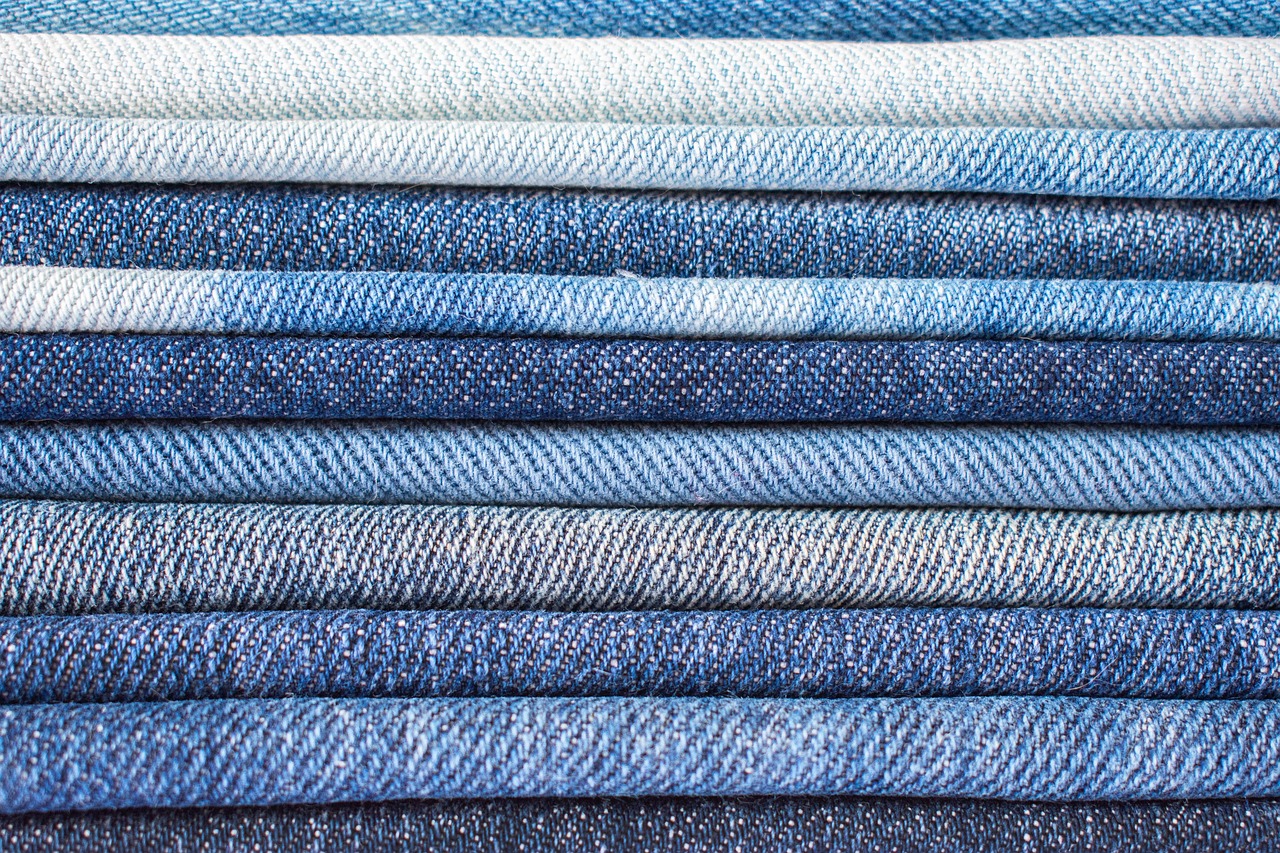
Country and HS Code Clues
Use HS code data as a map, not as a final answer. A country with large denim exports usually has yarn supply, dyeing experience, finishing partners, and working freight routes. Still, a good sourcing country does not mean every mill there is reliable. Ask whether the supplier exports under denim-related HS codes, which markets they ship to, and whether they can share recent packing lists with private details removed.
Mill Type and Real Capacity
Check whether the supplier is a weaving mill, dyeing mill, finishing factory, trader, or integrated manufacturer. An integrated mill can often control shade and shrinkage better, while a focused trader may move small orders faster. Ask for monthly capacity by product type, not just one total factory number. A factory that can make 1 million meters of rigid denim may still have trouble with a 4-way stretch article.
Product Range That Matches Your Buyer
Do not ask one supplier to show everything at the first step. Shortlist mills by your buyer’s product line: jeans, jackets, workwear, shirts, bags, or upholstery. A mill strong in 12 oz indigo jeans fabric may not be the right fit for soft 6 oz chambray-style denim. Send three target references, then ask for similar swatches with weight, width, composition, and finish notes.
What Fabric Specs Should You Confirm Before You Ask for a Price?
A loose price request wastes time on both sides. Denim pricing changes with yarn count, cotton quality, stretch fiber, indigo depth, finishing, usable width, and order quantity. Clear specs bring cleaner quotations, and they also reduce price changes after sampling.
Weight, Width, and Shrinkage Targets
List weight in oz/yd2 or g/m2, and state whether it is greige, finished, or washed weight. Width also matters because a 58-inch fabric and a 60-inch fabric may look close, but garment marker efficiency can change. For shrinkage, ask for warp and weft results after home laundering, not a loose promise like “normal shrinkage.” A buyer making five-pocket jeans should also check skew and spirality after wash.
Fiber Content and Stretch Recovery
Fiber content affects comfort, price, and garment performance. Rigid cotton denim is not the same as cotton-poly stretch denim, and both differ from cotton with elastane or dual-core yarn. Textile Exchange reported in its Materials Market Report 2025 that global fiber production reached about 132 million tonnes in 2024, while cotton fell to about 24.5 million tonnes in 2023/24, or 19% of global fiber output. For sourcing work, that matters because cotton supply and competition from synthetics can affect denim cost and product planning.
Color, Finish, and Hand Feel
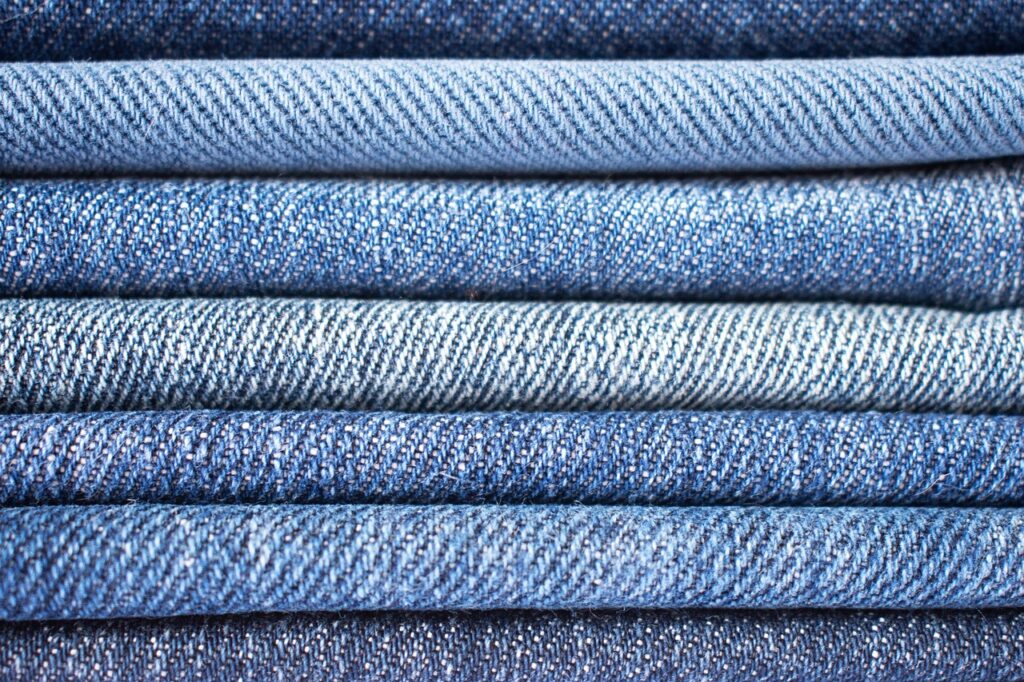
Indigo depth, sulfur black topping, coating, brushing, mercerizing, peach finish, and rinse behavior all change the final garment. Ask for lab dips or color standards before bulk dyeing, not after the mill has started production. Also check whether the shade is made for heavy wash, enzyme wash, or simple rinse. A fabric can look strong on the roll and still lose too much color after one harsh garment wash.
Which Certifications and Compliance Checks Actually Matter?
Certifications do not replace sampling and testing, but they help reduce chemical, traceability, and social compliance risk. Always check the exact certificate scope. A logo on a website is not enough. The certificate should match the company name, facility address, product category, and validity period.
OEKO-TEX and Chemical Safety Claims
OEKO-TEX STANDARD 100 is often requested for denim that touches skin. Its official program information says buyers can check a label by scanning the QR code or entering the certificate number in the Label Check system, and it uses four product classes. The working step is simple: ask for the certificate number before order confirmation. Then check whether the fabric category fits your product use.
GOTS, OCS, GRS, and Cotton Claims
If the fabric uses organic cotton, recycled cotton, or recycled polyester, the claim needs chain-of-custody support. Ask for the scope certificate and transaction certificate when the order requires them. Textile Exchange reported in 2025 that 34% of global cotton production came from certified sources. That does not make every “sustainable denim” claim true, but it does mean buyers can ask for proper documents and reject weak paperwork.
Social Audit and Traceability Records
For brand programs, request recent audit summaries such as BSCI, SMETA, WRAP, or buyer-specific audit reports, if available. Also ask for cotton origin declarations when your market requires them. Some suppliers cannot share public data for capacity, MOQ, or wages because those figures are usually private. In that case, use audit documents, purchase records, and repeat test reports instead of relying on unsupported claims.
How Do Price, MOQ, and Lead Time Fit Together?
A low price is not always a good buy. It can hide narrow width, unstable shade, old stock, poor color fastness, or a finish that fails after garment wash. Price, MOQ, and lead time move together, so compare quotations in the same format.
Raw Cotton and Yarn Cost Signals
Denim starts with fiber and yarn, so cotton market movement matters. The OECD-FAO Agricultural Outlook 2026-2035 noted that global cotton production in 2025/2026 was expected to increase slightly and exceed mill use, while demand stayed relatively subdued. USDA Economic Research Service also updated its Cotton and Wool Yearbook data files on April 1, 2026, covering cotton production, supply, use, trade, and price statistics. For buyers, this does not mean waiting for the lowest price; it means quoting close to production time and keeping price validity clear.
Sampling Cost and Bulk Dye Risk
Sampling is where many small losses start. Confirm whether sample charges are refundable, whether courier cost is paid by you, and whether the sample is from stock or freshly made. If a supplier sends a perfect archive swatch but bulk production uses a new yarn lot, shade may shift. For repeat programs, keep a sealed approved sample and define the allowed shade range in writing.
Payment Terms That Protect Both Sides
Common fabric orders may use deposit and balance before shipment, but terms depend on relationship, country, and credit history. For a new mill, avoid paying the full amount before any inspection. A practical setup is deposit, mid-production photo or video check, lab test review, final inspection, then balance. It is a basic arrangement, but it reduces risk for both sides. See also: Applications.
How Should You Test Quality Before Bulk Production?
Denim can pass a quick hand check and still fail in garment production. Testing should happen before cutting, not after the jeans are already sewn. A clear test plan saves time, especially when the order uses dark indigo, stretch fiber, or heavy washing.
Lab Dips, Strike-Offs, and Shade Bands
For solid or yarn-dyed denim, ask for lab dips or strike-offs under agreed light sources. A shade band helps with bulk lots because denim is rarely exactly the same from edge to edge and roll to roll. Your QC team should mark acceptable, light limit, and dark limit samples. Small shade differences are normal; uncontrolled shade difference is the real issue.
Physical Tests for Denim Performance
Ask for tests that match the garment, not just a general fabric report. For jeans, check tensile strength, tear strength, seam slippage, color fastness to washing, crocking, dimensional change, skew, pilling, and stretch recovery. Dark indigo should be tested for dry and wet rubbing. If the buyer sells online, color transfer complaints can get costly very quickly, sometimes costing more than the fabric itself.
Pilot Lots Before Container Orders
A pilot lot is useful when you move from sample to bulk. For example, before a 50,000-meter order, a smaller production lot can show shrinkage, shade, and washing problems. It also shows how quickly the supplier answers technical questions. If the pilot lot is messy, a larger order will not suddenly become clean.
What Makes a Manufacturer Better for Long-Term Sourcing?
The best denim supplier is not always the cheapest mill on the first quotation sheet. Long-term sourcing depends on steady quality, honest updates, and the ability to fix problems before they reach your buyer. Denim has many moving parts. Indigo, cotton, stretch yarn, and washing can all bring small surprises.
Clear Communication and Fast Problem Solving
Good manufacturers answer with numbers, photos, and documents. Weak suppliers answer with “no problem” too often and give few details. Ask direct questions about current greige stock, dyeing schedule, testing lab, expected shrinkage, roll length, packing method, and inspection timing. Their answers show how the supplier really works.
Stable Finishing Partners and Packing Control
Finishing can make or break denim. If the mill outsources finishing, ask who controls the process and who takes responsibility for defects. Packing also matters because rolls should be labeled by article, shade lot, roll number, length, width, and gross weight. If your warehouse receives mixed rolls with unclear labels, production planning becomes slow and frustrating.
A Scorecard You Can Reuse
Build a simple supplier scorecard that you can use order after order. Include quotation speed, sample accuracy, test pass rate, shade control, on-time delivery, document quality, claim response, and repeat-order stability. Give each item a score from 1 to 5. After three orders, you will know which denim fabric manufacturers deserve more business and which ones only looked good in the first email.
FAQ
Q1: How Many Denim Fabric Manufacturers Should You Compare? A: Compare at least three to five qualified suppliers for a new program. Too many suppliers slow the process, while only one quote gives you no market check.
Q2: What Is the Best Country for Denim Fabric Sourcing? A: There is no single best country. World Bank WITS 2024 data shows strong denim export activity from China, Pakistan, India, and Turkey, but the right choice depends on your target price, finish, MOQ, lead time, and compliance needs.
Q3: Should You Choose a Factory or a Trading Company? A: Choose a factory when you need direct technical control and repeat bulk orders. Choose a strong trading company when you need lower MOQ, multiple fabric options, or extra sourcing support.
Q4: What Documents Should You Ask for Before Bulk Payment? A: Ask for a proforma invoice, approved sample record, test report, certificate copies if required, packing details, production schedule, and inspection report before final payment.
Q5: How Can You Reduce Denim Quality Risk? A: Give exact specs, approve shade standards, test fabric before cutting, inspect rolls before shipment, and start with a pilot lot when the article or supplier is new.