170gsm cotton fabric explained for apparel testing and sourcing
What 170gsm cotton fabric means
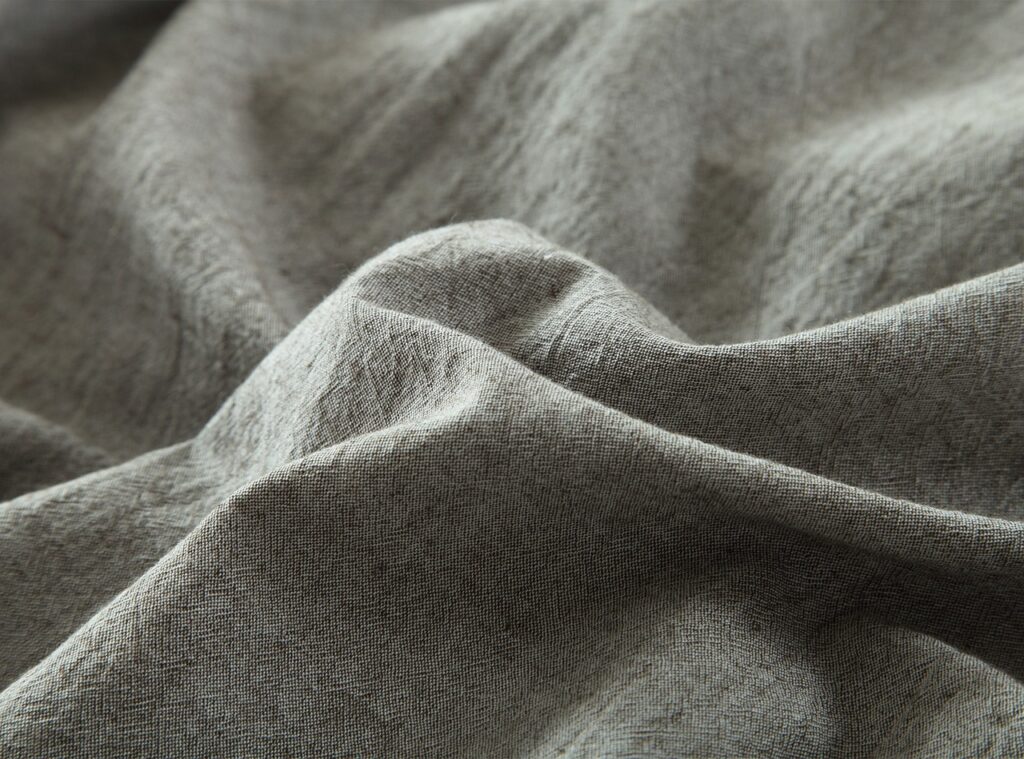
170gsm cotton fabric means one square meter of the fabric weighs 170 grams. In imperial fabric-weight terms, it is about 5.0 oz/yd². For apparel sourcing, this puts the material in a practical light-to-medium range: suitable for many T-shirts, shirts, sleepwear, casual dresses, linings, and children’s wear, but not automatically heavy, opaque, or durable in every construction.
GSM describes mass per area. It does not describe the full fabric. A 170gsm cotton jersey, a 170gsm poplin, and a 170gsm twill can feel, stretch, shrink, sew, and wear very differently.
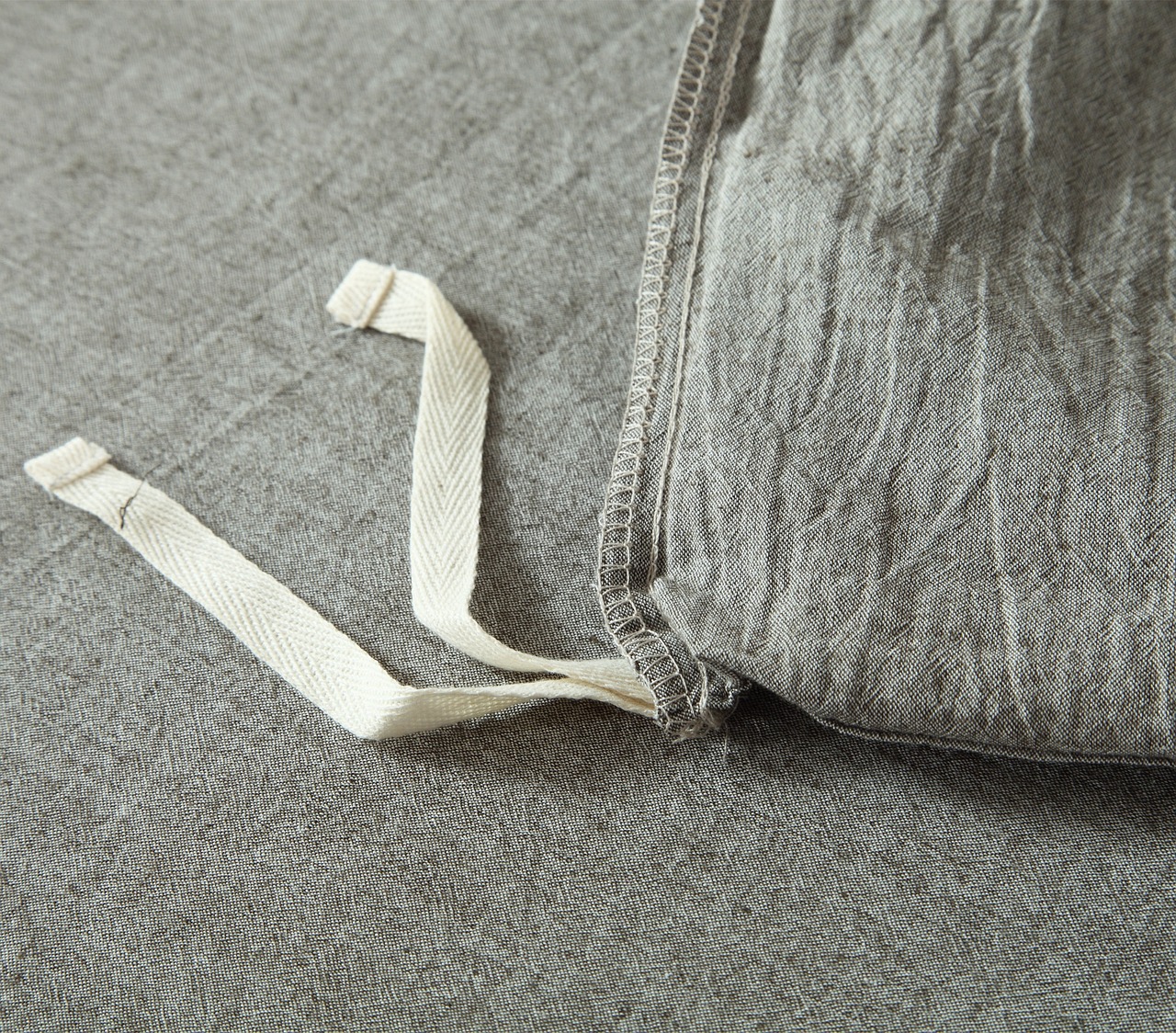
For buyers, designers, and quality teams, 170gsm should be treated as one specification within a wider fabric approval process. Construction, yarn count, density, finish, dyeing route, shrinkage, colorfastness, and hand feel all determine whether the fabric is suitable for a garment. For more testing-focused textile topics, see the Testing section.
Why GSM alone is not enough
GSM is useful because it gives buyers and mills a quick, comparable number. If two cotton fabrics are measured correctly, the 170gsm material has the same mass per square meter regardless of fabric width. That helps when comparing lab dips, bulk lots, and supplier offers. However, GSM does not explain how that mass is created.
A fabric may reach 170gsm through thicker yarns, higher yarn density, a compact weave, a heavier knit structure, brushing, coating, resin finishing, or retained moisture under non-standard conditions. These differences matter in production. A compact 170gsm woven cotton may feel crisp and stable, while a 170gsm cotton single jersey may feel softer and more elastic. A brushed 170gsm cotton may feel warmer than a smooth 170gsm fabric, even when both share the same weight.
Reliable fabric-weight measurement should follow a recognized method. ASTM D3776/D3776M is used for determining fabric mass per unit area, and ISO 3801 covers the determination of mass per unit length and mass per unit area for woven fabrics. These methods help reduce disagreement caused by sample size, conditioning, cutting accuracy, and calculation. In commercial sourcing, the method, sample condition, and tolerance should be stated clearly rather than assumed.
How 170gsm cotton behaves in different constructions
The same target weight can perform very differently depending on whether the fabric is knitted or woven. This is why a buyer should not approve a fabric based only on the phrase “170gsm cotton.”
170gsm cotton jersey
A 170gsm cotton jersey is often suitable for everyday tops where softness and moderate drape are preferred. It can feel breathable and comfortable against the skin, especially when the yarn is fine and the finishing is smooth. Jersey fabrics, however, may raise more questions around stretch, recovery, torque, and dimensional stability than woven fabrics, so laundering results are a key approval point.
170gsm cotton poplin or plain weave
A 170gsm cotton poplin or plain weave can be used for shirts, casual tops, uniforms, pocketing, or lightweight structured garments. Compared with jersey, it will usually have less stretch unless elastane is added or the weave is loose. Opacity and seam strength should still be checked, because a light-colored woven fabric at this weight may show through depending on yarn density and finishing.
170gsm cotton twill
A 170gsm cotton twill may feel more substantial than a plain weave of the same weight because the twill structure changes the surface appearance and drape. It can work for casual shirts, light overshirts, or utility-inspired styles, but it remains lighter than many trouser, jacket, or workwear fabrics. For stress areas, tearing, tensile strength, and seam performance are more important than the GSM number alone.
Typical uses and practical limits
170gsm cotton fabric is often selected when a garment needs a balance of comfort, coverage, and manageable cost. It is not as sheer as many very lightweight cottons, yet it remains lighter and easier to layer than heavier 200gsm to 240gsm cotton fabrics. That middle position is why it appears in many apparel briefs.
| Application | Why 170gsm may work | What to verify |
|---|---|---|
| T-shirts and tops | Moderate body with everyday comfort | Shrinkage, twisting, pilling, recovery, and colorfastness |
| Casual shirts | Enough structure for many shirt styles without feeling heavy | Opacity, seam slippage, dimensional stability, and crease behavior |
| Sleepwear and loungewear | Softness and breathability can be prioritized | Hand feel after laundering, shrinkage, and print or dye durability |
| Children’s wear | Comfortable weight for many everyday garments | Safety requirements, colorfastness to rubbing, shrinkage, and durability |
| Light uniforms or promotional apparel | Reasonable balance of wearability and cost | Batch consistency, shade control, seam strength, and washing performance |
The main limitation is that 170gsm does not automatically mean premium quality. A poorly finished 170gsm cotton can shrink, skew, fade, pill, or lose shape. A well-engineered 150gsm cotton may outperform a weak 170gsm option in hand feel or durability. The better question is not “Is 170gsm good?” but “Is this 170gsm cotton construction suitable for the intended garment and care conditions?”
Testing checklist before approval
Testing should match the product risk. A plain white cotton lining does not need the same test package as a dark dyed T-shirt, a printed children’s top, or a fitted woven shirt. Even so, several checks are especially relevant when approving 170gsm cotton fabric.
| Check | Why it matters | Common reference method family |
|---|---|---|
| Fabric weight | Confirms whether the delivered fabric matches the 170gsm target | ASTM D3776/D3776M or ISO 3801, depending on fabric type and buyer requirement |
| Dimensional change after laundering | Shows shrinkage or growth after washing and drying | AATCC TM135 for fabric dimensional change after home laundering |
| Colorfastness to laundering | Checks color change and staining risk during washing | ISO 105-C06 or AATCC colorfastness methods as specified by the buyer |
| Colorfastness to rubbing | Important for dark shades, reactive dyes, pigment prints, and garments worn against light surfaces | AATCC TM8 or related rubbing/crocking methods |
| Fabric width and usable width | Affects marker planning, cutting efficiency, and garment costing | Buyer or mill measurement procedure, recorded under agreed conditions |
| Appearance after laundering | Reveals wrinkling, twisting, puckering, print cracking, or surface change | Buyer standard, AATCC appearance methods, or agreed visual assessment |
| Strength and seam behavior | Important for fitted garments, uniforms, pockets, and stress areas | Tensile, tear, bursting, or seam tests selected by construction |
For a practical approval file, record the tested GSM, sample conditioning, fabric width, construction, yarn description, finish, color, lot number, and date of testing. If the purchase order allows a tolerance, write it as a number, not as an assumption. For example, if the agreed specification is 170gsm ±10%, the acceptable calculation range is 153gsm to 187gsm. This is only a mathematical example; the commercial tolerance should be agreed before bulk production. See also: Applications.
How to compare 170gsm with nearby fabric weights
Many sourcing decisions compare 170gsm with nearby options such as 150gsm, 180gsm, or 200gsm. The differences may look small on a specification sheet, but they can affect opacity, drape, cutting yield, freight weight, and garment feel.
| Weight | General feel | Possible use direction | Main caution |
|---|---|---|---|
| 150gsm cotton | Lighter and often more fluid | Summer tops, lightweight shirts, sleepwear, lining, layering pieces | May need checks for transparency and strength |
| 170gsm cotton | Balanced light-to-medium hand | Everyday tops, shirts, casual wear, children’s wear, promotional apparel | Construction and finishing decide performance |
| 180gsm cotton | Slightly fuller body than 170gsm | T-shirts, tops, casual shirts, garments needing more coverage | May cost and weigh slightly more without solving all durability issues |
| 200gsm cotton | More substantial and structured | Heavier T-shirts, overshirts, light bottoms, utility styles | Can feel too warm or stiff for some markets and seasons |
The best comparison is not a table alone, but a controlled hand-feel and wash comparison. Ask for swatches in the same fiber content, construction, dyeing route, and finish where possible. If one option is 170gsm compact cotton jersey and the other is 180gsm open-end cotton jersey, the weight difference may matter less than yarn type and finishing.
What to ask suppliers before choosing 170gsm cotton
A clear supplier specification prevents many disputes. “170gsm cotton” should be expanded into a measurable fabric description. At minimum, ask for fiber composition, construction, finished GSM, width, yarn count or yarn description, knit gauge or woven density where applicable, finishing route, shrinkage result, colorfastness results, and whether the sample is greige, dyed, printed, washed, or finished.
Buyers should also clarify whether the quoted GSM is before washing, after finishing, or after garment wash. Cotton fabrics can change during desizing, scouring, bleaching, mercerizing, dyeing, compacting, sanforizing, enzyme washing, softening, and tumble drying. If the development sample is measured after one process stage and bulk fabric is judged after another, the numbers may not match even when no one intended to mislead.
For printed 170gsm cotton, ask whether the weight includes the print deposit. Pigment print, plastisol-style effects, coatings, and heavy surface decoration can affect hand feel and air permeability. For dyed dark colors, rubbing fastness and washing fastness deserve extra attention. For light colors, opacity under realistic wear conditions may matter more than a small difference in GSM.
Common approval mistakes to avoid
- Approving only by weight. GSM is a starting point, not a performance guarantee.
- Ignoring fabric construction. Knit, woven, poplin, twill, rib, and interlock structures behave differently at the same weight.
- Testing the wrong stage. A greige fabric result should not be treated as a finished dyed fabric result.
- Forgetting laundering behavior. Cotton can shrink or change appearance if finishing and construction are not controlled.
- Using vague tolerances. Terms such as “about 170gsm” can create disputes unless the acceptable range and test method are written.
- Comparing different finishes. Softener, brushing, compacting, mercerizing, resin finish, and enzyme wash can change the feel of the same base fabric.
The safest way to specify 170gsm cotton fabric is to combine numeric requirements with performance outcomes. Instead of writing only “170gsm cotton,” a stronger brief should state the construction, finished width, finished weight tolerance, shrinkage requirement after the selected laundering method, colorfastness level, intended garment, and care label. That makes the specification testable.
Frequently asked questions
Is 170gsm cotton fabric see-through?
It can be, especially in white or pale shades, loose constructions, or fine yarn fabrics. GSM helps, but opacity depends on yarn density, weave or knit structure, color, finish, and lighting. Always check opacity on the body or over a contrast backing before approval.
Is 170gsm cotton good for T-shirts?
It can be suitable for many everyday T-shirts, particularly when the fabric is a well-finished cotton jersey with acceptable shrinkage and recovery. However, the final decision should be based on hand feel, drape, wash results, twisting, pilling, and colorfastness, not GSM alone.
What is 170gsm cotton in oz/yd²?
170gsm is approximately 5.0 oz/yd². The conversion is useful for buyers who compare metric and imperial fabric specifications, but the test method and fabric condition should still be aligned.
Does higher GSM always mean better cotton fabric?
No. Higher GSM means more mass per area, not automatically better fiber, yarn, construction, dyeing, or finishing. A lighter fabric with better yarn and finishing can outperform a heavier fabric in comfort, stability, and appearance retention.
What should be tested first for 170gsm cotton fabric?
Start with fabric weight, construction, width, shrinkage after laundering, appearance after laundering, and colorfastness. Add strength, pilling, rubbing, print durability, or seam tests when the garment design, color, or end use creates extra risk.